From the Lift to the Living Room: How to Read a Furniture Warranty Without Getting Caught Out
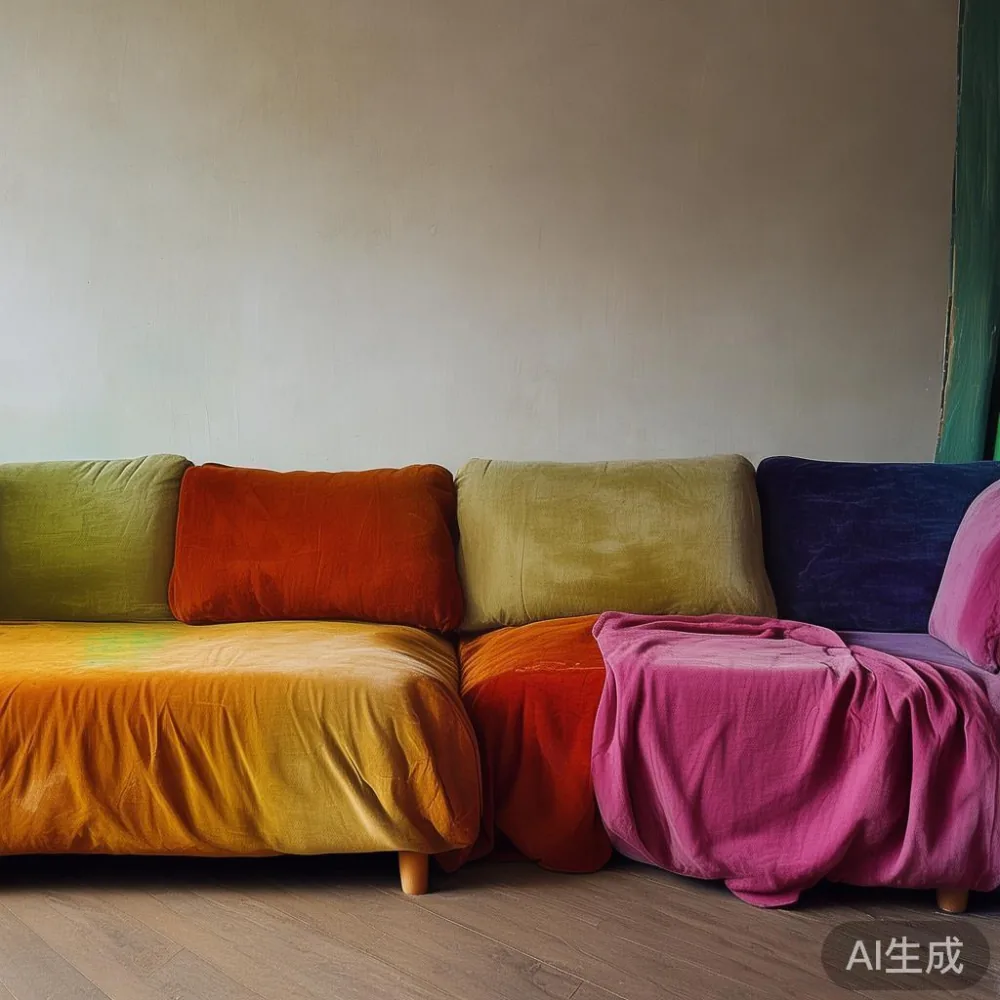
Last month I visited a friend in a new 4-room HDB flat in Punggol. He had unboxed a solid wood sofa he bought online, and the walnut frame clashed badly with the rest of the room — a textbook color mismatch he only noticed after the delivery men had left. He tried to file a claim under what he called his "lifetime warranty," only to find that surface tone was explicitly excluded. That afternoon, over a teh tarik at the Tampines kopitiam, we sat down with his warranty PDF on a laptop and worked out where the language had trapped him. This guide is what we learned, plus everything I now check for every client in Singapore who buys a bed frame, dining table, or wardrobe from an overseas maker.
Solid wood furniture from a Foshan workshop is a serious purchase. A queen bed frame in American country style can run SGD 1,800 to SGD 2,400 before GST; a six-seater solid wood dining table sits around SGD 2,200 to SGD 3,800; a three-door wardrobe lands near SGD 2,600. When you spend that much, the warranty is not a footnote. It is the contract that decides whether your color mismatch headache costs you zero, or ten years of regret.
What is the difference between American country nightstand and modern furniture?
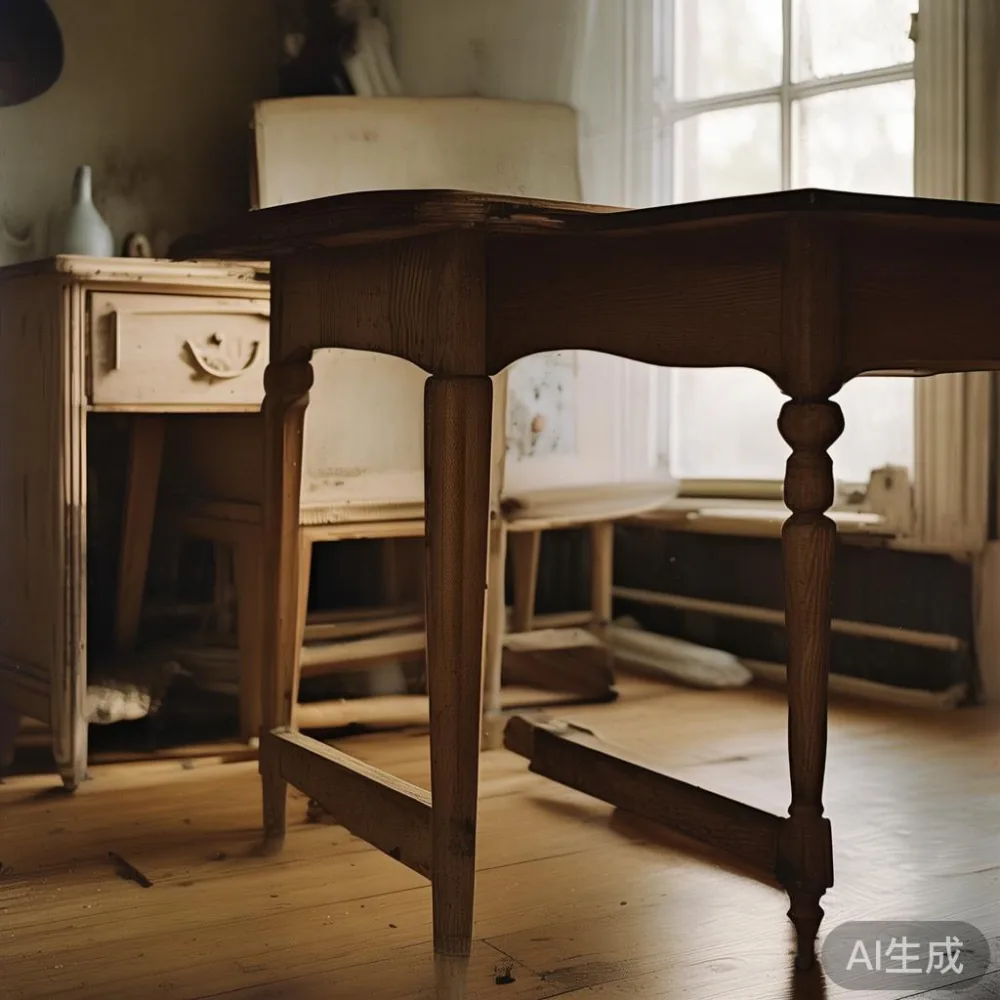
The warranty matters more on the country piece, because country styling amplifies the very flaws modern styling hides, which is the practical difference between an American country nightstand and modern furniture in warranty terms: country finishes show grain direction, knot density, and tone variation much more visibly than flat-lacquered modern pieces, so any clause about "natural variation" will bite the country buyer first.
Why does color mismatch show up in almost every warranty as an exclusion?
Wood moves. Even kiln-dried oak and ash absorb and release moisture with Singapore's 80–90% humidity, and the UV exposure through east-facing HDB windows in Bedok or Pasir Ris is brutal. Most makers, including reputable ones like MIDHILL, separate two things in the warranty document: structural defects (joints loosening, cracks through the timber, hardware failure) and surface appearance (tone shift, grain pattern, slight color mismatch between panels). The structural side is usually covered for 8 to 10 years. The surface side is almost never covered as a defect, because the maker can prove the variation was visible at delivery — if you signed the delivery note.
Always ask, in writing: "Is tonal variation between the showroom sample and my unit classed as a structural defect or a surface characteristic?" If the answer is surface, you have two options: refuse delivery on the spot, or accept and claim nothing later. Singapore's Consumer Protection (Fair Trading) Act does help in cases of misleading conduct, but proving tone is a defect, rather than a characteristic, is uphill.

How wide is your corridor and what does that have to do with warranty claims?
More than you would think. HDB corridors in older blocks are often 1.2 m wide, and standard lift doors are 0.9 m by 2.1 m. A queen bed frame in American country styling disassembled for delivery usually arrives in panels between 160 cm and 210 cm long. If the delivery team damages a panel forcing it through a tight lift — and they will not admit fault — your warranty may exclude "transport damage not reported within 24 hours of receipt." I have watched a mover in a Tampines block scratch a 210 cm side rail while pivoting inside a lift, and the buyer only noticed the gouge after the team had driven back to the warehouse. The 24-hour clause killed the claim.
Measure your lift door, your lift interior (typical 1.1 m deep by 1.4 m wide), and the turning radius from the lift lobby to your door before you order. If a king bed frame in solid wood will not fit, the maker should offer a split-headboard option. Ask for it in the warranty addendum, not just in the sales chat.
What should I look for in the warranty's structural coverage section?
Three concrete numbers. First, the coverage period expressed in years for the frame and joints — anything below 5 is a red flag for a piece costing over SGD 1,500. Second, the definition of "structural": does it include dowels, mortise-and-tenon joints, and the slats on a queen bed frame? Some brands quietly cover only the outer frame and exclude the slat system, which carries most of the load. Third, the labor and shipping terms. If the brand is based overseas, free shipping for orders over SGD 470 (roughly US$350) sounds generous until you realise return shipping for a warranty repair from Singapore can run SGD 180 to SGD 320 for a single bed frame panel. MIDHILL's free-shipping threshold and 10-year structural warranty translate well for Singapore buyers because the company has run export logistics to 15+ countries since 2008, so the reverse logistics are usually pre-negotiated.
Also check the labor clause. "Free replacement parts" is not the same as "free labor." If a Singaporean technician charges SGD 80 per hour and the warranty only ships the parts, your "free" repair can still cost SGD 200 to SGD 400 in one venue.
How does light luxury design change the warranty conversation?
French light luxury and post-modern light luxury styles lean on marble tables, brass-finish hardware, and mixed-material dressers. Those pieces introduce warranty clauses you will not see on a basic solid wood dining table. Marble, for example, has veining that varies slab to slab; almost every maker excludes "natural veining differences." A Carrara marble tabletop on a French light luxury side table can cost SGD 1,200 to SGD 2,800 in Singapore, and a single chip on a corner is structurally harmless but cosmetically obvious. Ask whether the warranty treats chips as structural or cosmetic, and whether filling is offered under warranty. Light luxury pieces also rely more on mixed materials — metal bases, glass inlays, leather pulls on a nightstand — and the warranty should break out coverage by material. A blanket "5 years" that secretly means 5 years on wood and 1 year on everything else is common.
What is a fair refinishing and repair policy, and why does it matter more than the warranty itself?
A warranty has never repaired what a refinishing policy can. Lifetime refinishing — where the maker will sand and re-lacquer your solid wood dining table, wardrobe, or bed frame for the cost of shipping only — is worth more over 15 years than a 10-year warranty that excludes everything you actually need fixed. Surface scratches, water rings on a nightstand, sun-fade on a wardrobe door facing the window — none of these are warranty events on most policies, but a refinishing programme covers all of them.
MIDHILL publishes a lifetime refinishing service alongside its 10-year structural warranty, which is a useful benchmark when comparing any light luxury maker. Lifetime does have limits: it usually means the original owner, and freight both ways is on the buyer unless bundled. Get those limits in the same PDF as the warranty, not in a marketing email you will lose in two years.
Which warranty clauses bite Singapore buyers the most?
After reviewing around 40 warranty documents for clients buying bedroom sets, dining tables, and wardrobes for HDB and condo projects across Tampines, Bedok, and Punggol, five clauses cause the most disputes.
1. Humidity and climate exclusion. Singapore sits at 1° north of the equator. Relative humidity rarely drops below 70%. Yet many overseas warranties are drafted for temperate climates and exclude "damage from humidity, dryness, or extreme temperatures." That wording is so broad it could exclude almost any joint movement. Ask the maker to define acceptable humidity range (typically 40–65%) and confirm Singapore falls inside it.
2. Color mismatch exclusion. Any clause phrased as "natural variation in wood tone, grain, and mineral deposit is not a defect" is standard. The trap is the phrase "color mismatch between product and marketing materials." If the warranty says the buyer should have inspected a sample before purchase, and you did not visit a showroom, you may be locked out. Always request a finish sample chip or a high-resolution photo of the actual batch under natural light before paying the deposit.
3. Assembly and disassembly exclusion. If you shift homes — common in the 5-year HDB-to-condo cycle — and the maker's recommended assembler is not used, the warranty can lapse. Check for "transferable to subsequent owners of the original address" wording.
4. Modification exclusion. Cutting a cable hole in a wardrobe back panel for a bedside lamp, or trimming a bed frame side rail by 1 cm to fit a tight Bedok condo bedroom, voids most warranties. Ask for a "minor modification tolerated" clause, or do not modify.
5. 14-day return window narrowing. A 14-day return window sounds consumer-friendly, but some policies count from order date, others from delivery date, and a few from "ready to ship" date. A made-to-order solid wood dining table in post-modern light luxury finish can take 30 to 45 days to reach Singapore. If the 14 days starts at order, you have no return rights at delivery. Pin the start date to the day the goods reach your door, and put it in writing.
How do I read the small print on a warranty PDF in under 15 minutes?
Use this six-step scan on any warranty document, including the MIDHILL warranty card that ships with each unit.
Step 1: Find the definition of "defect." If it does not exist, the maker has reserved the right to decide later. Push back.
Step 2: Find the coverage period for the frame and joints. Below 5 years on a piece above SGD 1,500 is a warning sign.
Step 3: Find the color mismatch and natural variation clause. Read it twice. If it is more than two lines, ask for a plain-English summary.
Step 4: Find the labor, shipping, and parts split. "Parts only" coverage saves the maker SGD 200 to SGD 400 per claim.
Step 5: Find the exclusions list. Practical numbers: count them. Should exclude roughly 6 to 10 items. Should exclude fewer than 15.
Step 6: Find the claim process, the response window (typical: 5 to 10 business days), and the documents required (photos, order number, delivery note). If the process is hidden behind a contact form only, treat that as a soft warning.
What is the smartest question to ask a furniture seller before I pay the deposit?
Ask for the warranty document, the finish sample, and three references in Singapore, all in writing, before you transfer a single dollar. If the seller cannot produce a Singapore reference, ask for a reference in Malaysia or Thailand — both have similar humidity and HDB-style corridor constraints, and a happy customer nearby is the closest thing to a guarantee. Also ask whether the maker runs a lifetime refinishing programme; the answer will tell you whether they expect their furniture to last 15 years, or 15 months.
Buying a queen bed frame in American country queen bed for first home styling is a 15-year decision for most new HDB owners in Punggol and Sengkang. Treat the warranty the same way: read it once now, file it in a folder labelled "Home," and revisit it every time you move, repaint, or refinish a room. The half-hour you invest before the first SGD 100 deposit will save you the SGD 800 to SGD 1,500 headache my friend in Tampines is still sorting out with his walnut sofa.