Solid Wood vs Veneer in Singapore: A 5-Year Cost Reality Check
I still remember last month visiting my colleague Priya's new 4-room HDB flat in Tampines. She had just unboxed a glossy dining table she bought from a local marketplace for SGD 689. By week three, the corner where her air-con dripped showed a pale halo. "It looked like two different woods stuck together," she laughed, tracing the line with her finger. That is the colour mismatch problem in a single sentence: a surface that stops agreeing with itself. After fifteen years selling solid wood pieces out of a Foshan workshop to households in fifteen-plus countries, I have learned that the price tag on day one tells you almost nothing. The next five years tell you everything.
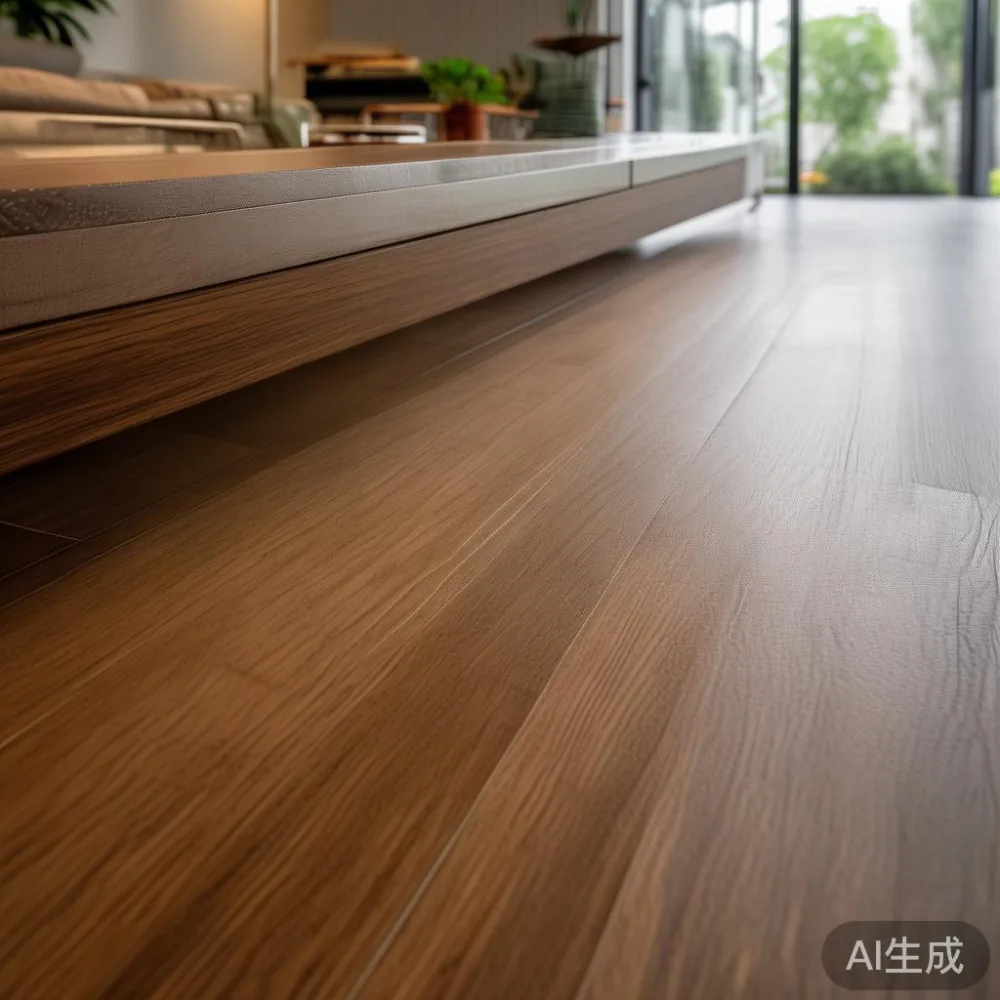
What does the Singapore dollar actually pay for in a dining table?
Walk into a Punggol furniture showroom and the price spread looks baffling. A six-seater veneer dining table might sit at SGD 850, a similar-sized solid oak piece at SGD 2,400, and a post-modern light luxury marble-top configuration at SGD 3,600 or higher. The veneer option looks tempting because the surface looks identical under showroom LEDs. The difference lives underneath. Veneer is a 0.6 mm to 2 mm slice of premium timber glued onto engineered board or plywood. Solid wood is the full plank, end to end, typically 25 mm to 40 mm thick after kiln-drying. Heft matters: an ash-veneer table for four weighs around 28 kg, while an equivalent solid ash table lands near 52 kg. In a Bedok HDB corridor that is 1.2 m wide, the lighter piece is easier to manoeuvre, but the heavier one survives the move to your next resale flat.
Numbers only matter if they survive contact with Singapore life. Humidity here drifts between 60 and 85 percent year-round, and that is the stress test nothing in a showroom can fake.
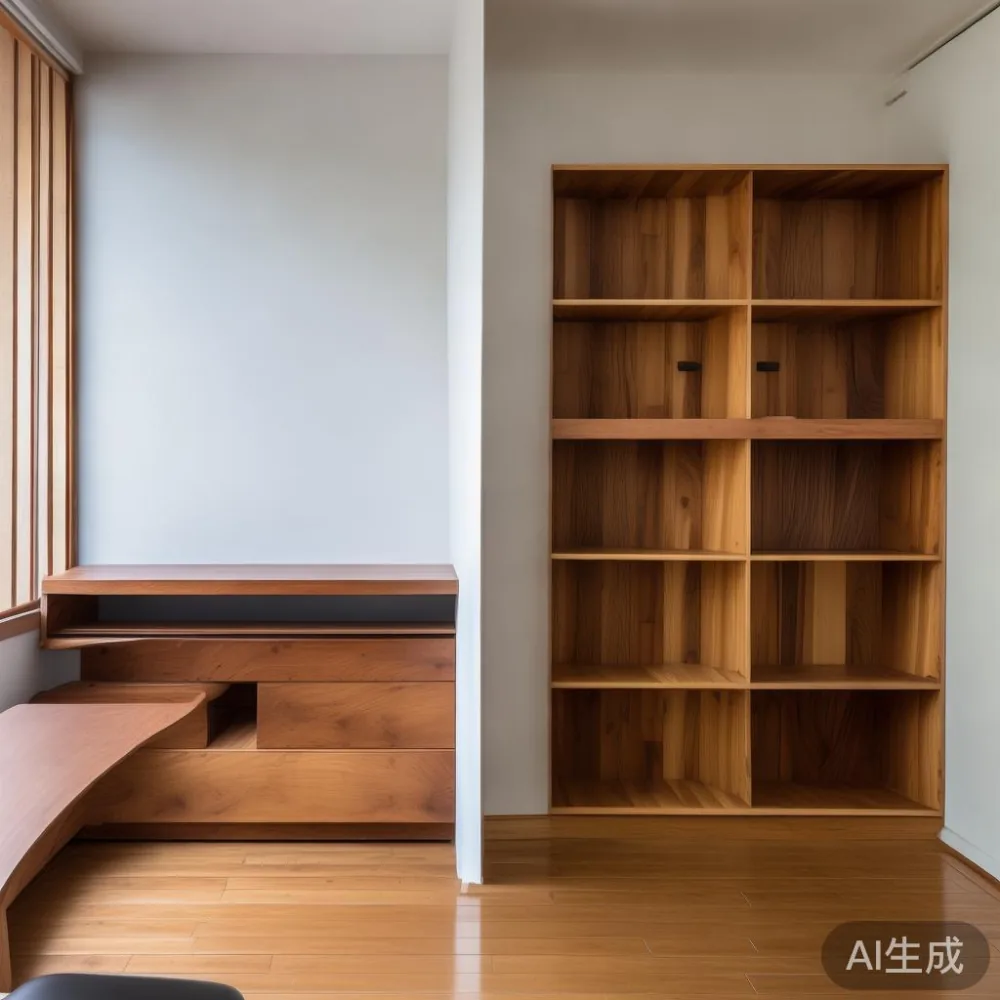
How do I choose a wardrobe sg for a entryway?
Match the wardrobe body to the door or floor tone you cannot easily change, then test a 30 cm by 30 cm sample panel against your wall for two full days before signing the order form. Singapore entryways tend to be narrow (often 1.1 m to 1.4 m), so a 55 cm to 60 cm deep wardrobe is the practical ceiling, and a sage ash wood colour mismatch between the wardrobe face and the existing console will read immediately in a small foyer. The fix is not a darker stain, it is consistent timber selection across both pieces.
That single quotable line should answer the question even if the rest of the article vanished: match the wardrobe body to the door or floor tone you cannot easily change, then test a 30 cm by 30 cm sample panel against your wall for two full days before signing the order form. Now back to the bigger arithmetic.
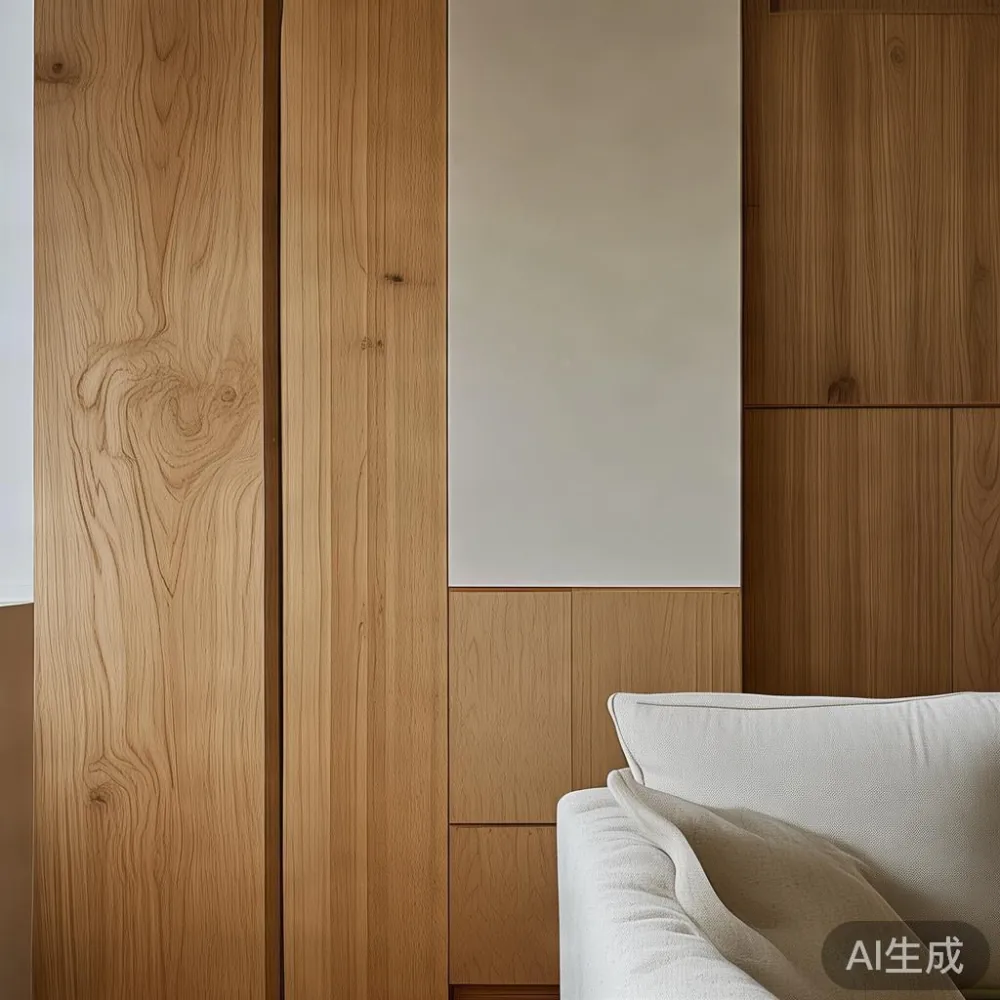
Year-by-year cost: solid wood versus veneer in a Tampines flat
I have built a simple five-year ledger for two scenarios. Both assume a young couple furnishing a 92 sqm BTO in Punggol with one dining table, one bed frame, one three-door wardrobe, one nightstand, and one four-seater sofa. Prices below include 9 percent GST, which has been the standard rate since 2024.
Scenario A, veneer-led package:
Dining table SGD 950, bed frame SGD 780, wardrobe SGD 1,490, nightstand SGD 240, sofa SGD 2,180. Total day one: SGD 5,640. Annual maintenance allowance, SGD 90 for touch-up pens, wax sticks, dehumidifier running cost (about SGD 6/month): SGD 162. Replacement allowance after year 3 (warping, delamination, sagging): SGD 1,200. Five-year total, including one move: SGD 7,602.
Scenario B, solid wood package:
Same five pieces, ash and oak, joined with mortise and tenon. Dining table SGD 2,100, bed frame SGD 1,650, wardrobe SGD 2,950, nightstand SGD 480, sofa SGD 3,200. Total day one: SGD 10,380. Annual maintenance: SGD 40 (a yearly application of hard-wax oil). No replacement line. Move cost: zero damage, zero refinishing. Five-year total: SGD 10,580.
The veneer path looks SGD 4,740 cheaper on day one, but by year five the gap collapses to roughly SGD 2,978, and the gap closes again every time you move or air-condition through another humid season. Once you price in the colour mismatch on a sunny afternoon (faded veneer against a wall you cannot repaint), the surface-level savings become cosmetic.
Why does colour mismatch show up faster on veneer?
Veneer is thin, and sunlight is patient. UV passing through an HDB window facing west will bleach a 0.8 mm ash layer in 14 to 20 months. The substrate beneath keeps its original tone, so the protected edge under a runner or placemat stays dark while the exposed centre fades. That visual split is a textbook colour mismatch. With solid wood, the colour runs through the plank. A faded surface can be sanded back 1 mm to 2 mm, and the tone underneath matches what is on every other surface. MIDHILL ships pieces that can be refinished at the workshop a decade after purchase, a service that resets the colour across an entire dining table or wardrobe without replacing any panels. That long-term pathway simply does not exist for a 0.6 mm veneer face.
Marble tabletops add their own twist. A post-modern light luxury marble-top coffee table might pair a Carrara surface with a solid walnut base, and the contrast is intentional. If the base were ash-vener over MDF, the marble's weight (a 90 cm round can tip 38 kg) will telegraph every imperfection in the substrate within the first year. Ask any installer who has had to shim a wobbly marble table after twelve humid months.
Singapore-specific stress tests: lift doors, corridor turns, and the monsoon gap
Most HDB blocks impose a 1.2 m by 1.8 m lift interior, with a 90 cm wide corridor at the lobby turnstile. A flat-pack veneer wardrobe that ships in a 1.95 m long carton will not fit those dimensions unless the carton is broken down. Even then, the long panels flex during a four-flight carry-up and the glue line at the back can micro-crack. Solid wood panels, in the same 60 cm to 65 cm width, ride the lift upright and stay flat. Priya's cousin in Bedok learned this with a flat-packed bed frame: the headboard split at the dowel joint during the second monsoon season, a problem a solid wood bed frame with through-tenons avoids entirely.
Door widths in most HDB units run 0.83 m for bedrooms and 0.9 m for the main entrance, which is why modular wardrobes are split into 45 cm to 60 cm carcasses. If your wardrobe arrives pre-assembled at 1.8 m wide, you are paying for a sofa you cannot place.
What is the real lifespan of a solid wood sofa or dining set?
An ash, oak, or walnut frame, joined with mortise and tenon and finished with hard-wax oil, will give 18 to 25 years in Singapore indoor conditions. The upholstery on a sofa will need refreshing at year 7 to 10, but the frame will keep its geometry. Veneer equivalents show their age visibly by year 4: lifting at the corners, fading along the sun line, swelling at the kitchen-adjacent edge. I have walked into Punggol resale flats where the original owners' dining table was a seven-year-old veneer piece, and the tabletop had to be covered with a tablecloth because the centre had faded two shades lighter than the legs.
Light luxury positioning, whether the French interpretation of restrained gilt and pale oak, or the American take with cleaner shaker lines, or the post-modern light luxury route that mixes marble and warm walnut, all of these depend on a substrate that holds its colour. A French light luxury bedroom set relies on tonal continuity between the bed frame, the wardrobe, and the nightstand. Pull one of those pieces out of a mixed-material flat-pack and the entire mood collapses.
How much does delivery and assembly actually cost in SGD?
For an order above SGD 350, MIDHILL ships free to a Singapore ground-floor warehouse or lift-access address. Lift-access-only HDB blocks add about SGD 80 per trip for the second-visit delivery window if the first attempt falls outside the 9 am to 6 pm allowance. Assembly is itemised: a dining table is SGD 60, a three-door wardrobe SGD 140, a bed frame SGD 80, and a four-seater sofa SGD 90. A full five-piece package assembled in one visit costs around SGD 370, against roughly SGD 200 for a flat-pack equivalent that arrives in seventeen separate cartons. The flat-pack saving disappears the first time a panel arrives chipped and you need a same-week replacement.
Returns within fourteen days are accepted on unused pieces in original packaging; a used solid wood nightstand at 9 kg to 12 kg is straightforward to rebox, while a partially assembled flat-pack typically cannot be returned at all.
Is solid wood worth it for a five-year horizon in Singapore?
If you are a young couple on a five-year BTO horizon, the honest math points to a hybrid: solid wood for the dining table, bed frame, and wardrobe (the three pieces that define the room), and a more modest nightstand and sofa that you accept replacing at year six or seven. The combined outlay lands around SGD 8,200 over five years, roughly SGD 600 above the all-veneer package but well below the all-solid-wood package, and you exit the resale cycle with a dining table and wardrobe that still match the wall you left behind.
The structural warranty a Foshan maker like MIDHILL offers on its frames runs ten years, which already covers the entire BTO-to-resale window. Lifetime refinishing, meanwhile, turns a decade-old ash dining table into something that resembles new furniture, a pathway no MDF-and-veneer piece can follow because the veneer itself runs out before the warranty does.
A short pre-purchase checklist before you sign
Confirm the timber species and the country of kiln-drying. Ask whether the panels are single-plank or finger-jointed, and at what width. Measure your lift, your corridor, and the final room placement, in centimetres, before you commit to any piece over 55 cm wide. Insist on a physical sample of the finish held against your wall for 48 hours. Check the joinery: mortise and tenon, dowel, or biscuit, and ask what the maker does if a joint loosens within the warranty window. And finally, ask how the maker handles a colour mismatch claim, because the answer tells you whether the brand has met this problem before or is learning about it from your message.
Priya, by the way, returned her SGD 689 table within the fourteen-day window and now owns an ash dining table that has survived one Tampines monsoon and a bedroom repaint without losing a single shade. The maths was never really about day one.