What to Check Before Buying a Sofa You Cannot Sit On
In Singapore's urban landscape, where space comes at a premium and HDB flats and condos in areas like Tampines, Bedok, and Punggol often feature narrow corridors and compact living areas, purchasing furniture without physically testing it presents unique challenges. The color mismatch phenomenon—where the sofa's hue differs significantly from what appears online—stands as one of the most common frustrations for Singaporean furniture buyers. This comprehensive guide walks you through the important considerations when purchasing a sofa you cannot sit on, helping you make informed decisions that align with your space, budget, and aesthetic preferences.
Understanding Singapore's Living Spaces and Their Impact on Sofa Selection
Singapore's residential properties come with specific dimensions that directly influence furniture choices. Standard HDB living rooms typically measure between 320cm to 400cm in length, with widths ranging from 300cm to 380cm. Condo living rooms, especially in newer developments, may offer more generous spaces of 400cm to 500cm in length. These measurements become critical when selecting a sofa that fits without overwhelming the space. In Tampines, where many HDB units feature 120m² floor plans, a three-seater sofa measuring 180cm to 210cm in length with a depth of 85cm to 95cm often provides optimal seating without consuming excessive floor space. For Bedok's slightly older apartments with narrower corridors of 120cm to 150cm width, choosing a sofa that can be maneuvered through doorways becomes important.
The logistics of furniture delivery in Singapore add another layer of complexity. Lift widths in most HDB buildings range from 110cm to 140cm, while newer condos may offer wider lifts of 150cm to 180cm. When selecting a sofa, consider whether it can fit through these spaces when delivered. Many Singaporean homeowners have learned this lesson the hard way when a sofa that looked perfect online proved too large for their building's elevator or too wide for their corridor corners. For those in Punggol's newer waterfront condos with more generous spaces, larger sectional sofas measuring 250cm to 300cm might be appropriate, while those in older Singapore Housing Board estates should consider more compact options.
Is Japandi master bed furniture worth it?
Yes, Japandi master bed furniture offers exceptional value for Singaporean homeowners seeking a harmonious blend of functionality and aesthetic appeal. Japandi style combines Japanese minimalism with Scandinavian functionality, creating a look that's both serene and practical. A solid wood Japandi master bed frame typically costs between SGD 1,800 to SGD 3,500, depending on the wood species and size. These beds feature clean lines, natural materials, and thoughtful design elements that complement Singapore's tropical climate while providing the durability needed for year-round use. The style's emphasis on natural materials like oak, walnut, and teak aligns perfectly with Singapore's warm interior design preferences.
When considering Japandi furniture for your master bedroom, the investment extends beyond aesthetics. The craftsmanship typically includes mortise-and-tenon joints that ensure structural integrity for 15-20 years, with many manufacturers offering 10-year structural warranties similar to those provided by established brands like MIDHILL. The style's versatility allows it to complement various interior elements, from marble table accents to solid wood nightstands, creating a cohesive bedroom environment. Singapore's humid climate benefits from Japandi's emphasis on natural materials that breathe better than synthetic alternatives, potentially reducing issues with mold and mildew in bedroom furniture over time.
Measuring Your Space: Beyond Basic Dimensions
Accurate measurement forms the foundation of successful sofa shopping without physical testing. Beyond the basic length and width, consider the sofa's height, which typically ranges from 75cm to 95cm for standard designs, and armrest height, which affects both aesthetics and functionality. In Singapore's context, where many living spaces serve multiple purposes, measuring clear pathways becomes equally important. Ensure at least 80cm of clearance around the sofa for comfortable movement, particularly in smaller HDB units where space optimization is critical.
For those working through Singapore's GST landscape, remember that imported furniture carries a 9% Goods and Services Tax. When comparing prices, factor in this additional cost to avoid budget surprises. A sofa priced at SGD 2,000 before GST would cost SGD 2,180 with tax. Local manufacturers like those in Foshan, where MIDHILL produces their solid wood furniture collections, often offer competitive pricing that may offset some import costs. Consider delivery timelines as well, which typically range from 14 to 21 days for international shipments to Singapore, with some local providers offering faster 3-5 day delivery options for urgent needs.
Evaluating Materials and Construction Quality
The material composition significantly impacts both the sofa's appearance and longevity. Solid wood frames, typically constructed from rubberwood, oak, or mango wood, provide superior durability compared to engineered wood alternatives. When examining product specifications, look for frame thickness of at least 3cm and corner reinforcements for optimal stability. Singapore's climate, with its average 80% humidity year-round, demands materials that resist warping and cracking. Solid wood construction expands and contracts more naturally with humidity changes, making it particularly suitable for Singaporean homes.
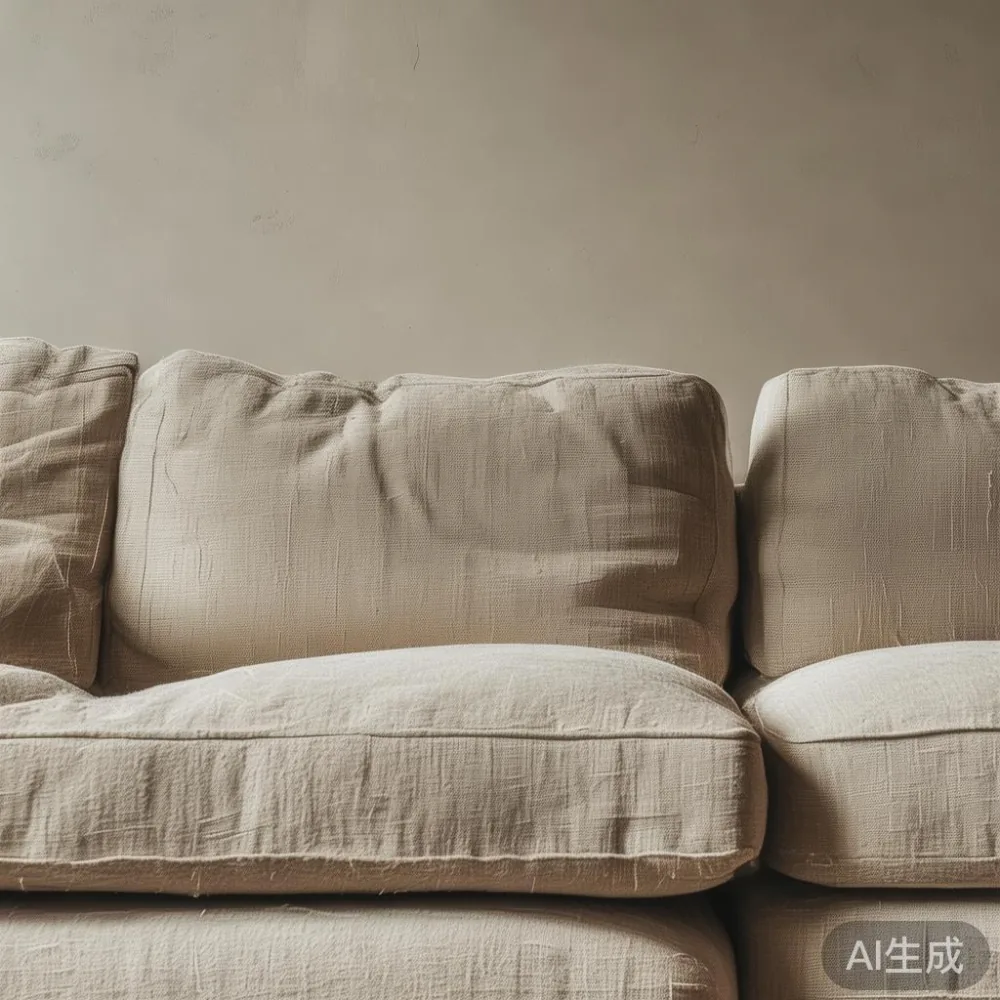
The upholstery material deserves equal attention. Linen and cotton blends offer breathability ideal for Singapore's warm climate, while leather alternatives provide durability in high-traffic areas. Consider the sofa's weight as well, which typically ranges from 45kg to 85kg depending on size and materials. Heavier sofas often indicate more substantial construction. When evaluating quality, examine the stitching patterns—tight, even stitching suggests better craftsmanship. Many premium manufacturers, including those producing light luxury collections, use double-stitched seams that resist wear for 10-15 years. For those interested in French light luxury styles, look for details like button tufting and nailhead trim that add character without compromising comfort.
Understanding Color and Finish Options
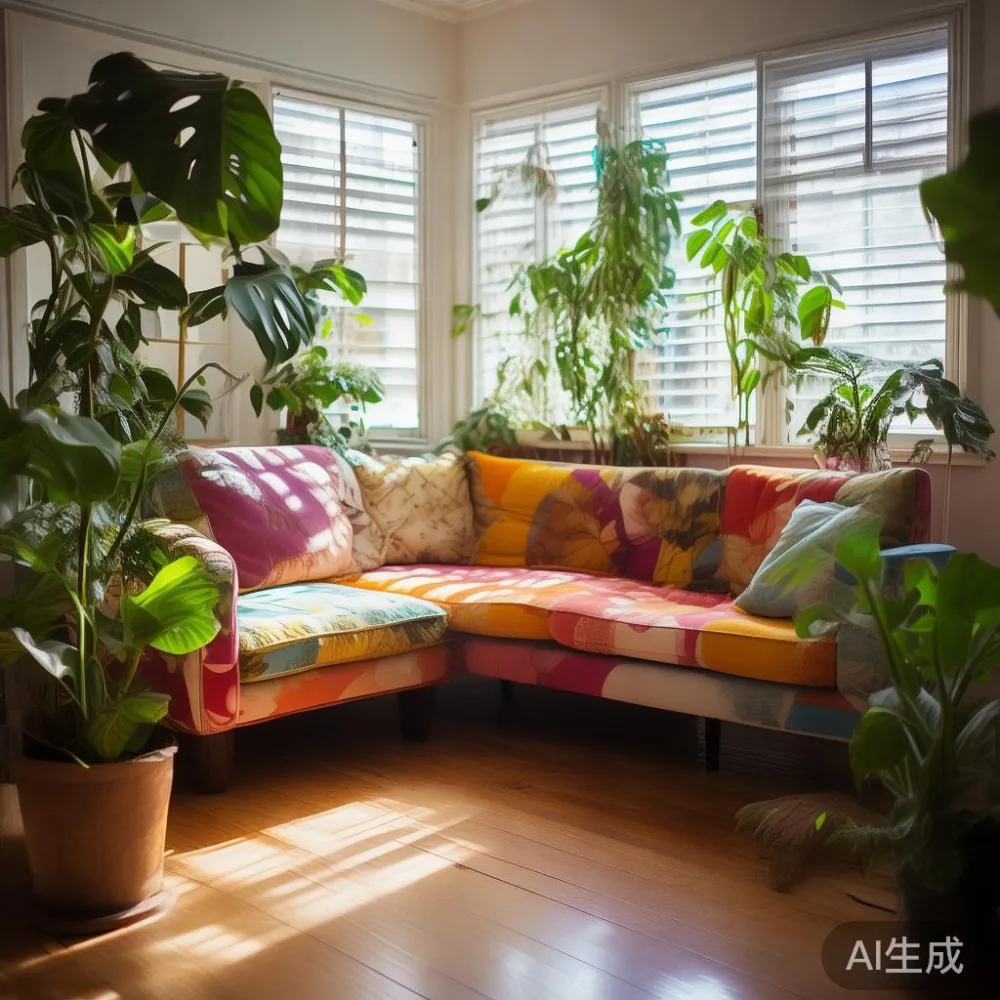
Color mismatch represents one of the most significant risks when purchasing furniture online. To mitigate this, request high-resolution images under different lighting conditions and ask for fabric samples when possible. Singapore's natural light varies throughout the day, with morning light in east-facing apartments (common in areas like Tampines) appearing warmer than afternoon light in west-facing units. Consider how the sofa's color will interact with your existing lighting and wall colors. A neutral gray that appears sophisticated in online photos might appear muddy under Singapore's fluorescent lighting common in HDB flats.
When evaluating color options, consider the psychological impact of different hues. Lighter colors like beige, light gray, and soft blues make spaces appear larger, beneficial for Singapore's compact living areas. Darker colors like navy or charcoal create a more intimate atmosphere but may require more frequent cleaning in Singapore's dusty environment. For those interested in American light luxury styles, consider two-tone combinations that add visual interest while maintaining sophistication. Many manufacturers now offer color matching services, allowing you to coordinate your sofa with other elements like marble table tops or solid wood dining tables for a cohesive look throughout your home.
The finish of solid wood components also requires careful consideration. Natural wood finishes showcase the grain but may require more maintenance in Singapore's humid climate. Matte finishes hide fingerprints and dust better, making them practical for homes with children or pets. When selecting a finish, consider how it will age—some woods develop beautiful patinas over time, while others may darken more dramatically. For those concerned about potential color mismatch, many manufacturers offer refinishing services, with some providing lifetime refinishing guarantees similar to those offered by premium brands.
Logistics and Delivery Considerations in Singapore
Understanding Singapore's delivery landscape helps prevent complications when your new sofa arrives. Most furniture deliveries to Singapore occur between 9am and 6pm, with some providers offering evening delivery slots for an additional SGD 30-50 charge. When scheduling delivery, consider building access times—many HDB buildings restrict elevator access during specific hours, and some condos require advance notice for large item deliveries. For those in Punggol's newer developments with dedicated service elevators, delivery may be simpler than in older Bedok estates with limited access times.
Free shipping thresholds represent an important consideration for budget-conscious buyers. Many international furniture brands offer free shipping for orders exceeding USD 350 (approximately SGD 480), which often covers a three-seater sofa. However, additional fees may apply for deliveries to Singapore's outer areas or for deliveries requiring special handling. When evaluating shipping options, consider the total delivery time—international shipments typically take 14-21 days, while local providers may offer 3-5 day delivery for an additional SGD 80-120. For those concerned about potential damage during transit, select providers offering white glove services that include room placement and packaging removal.
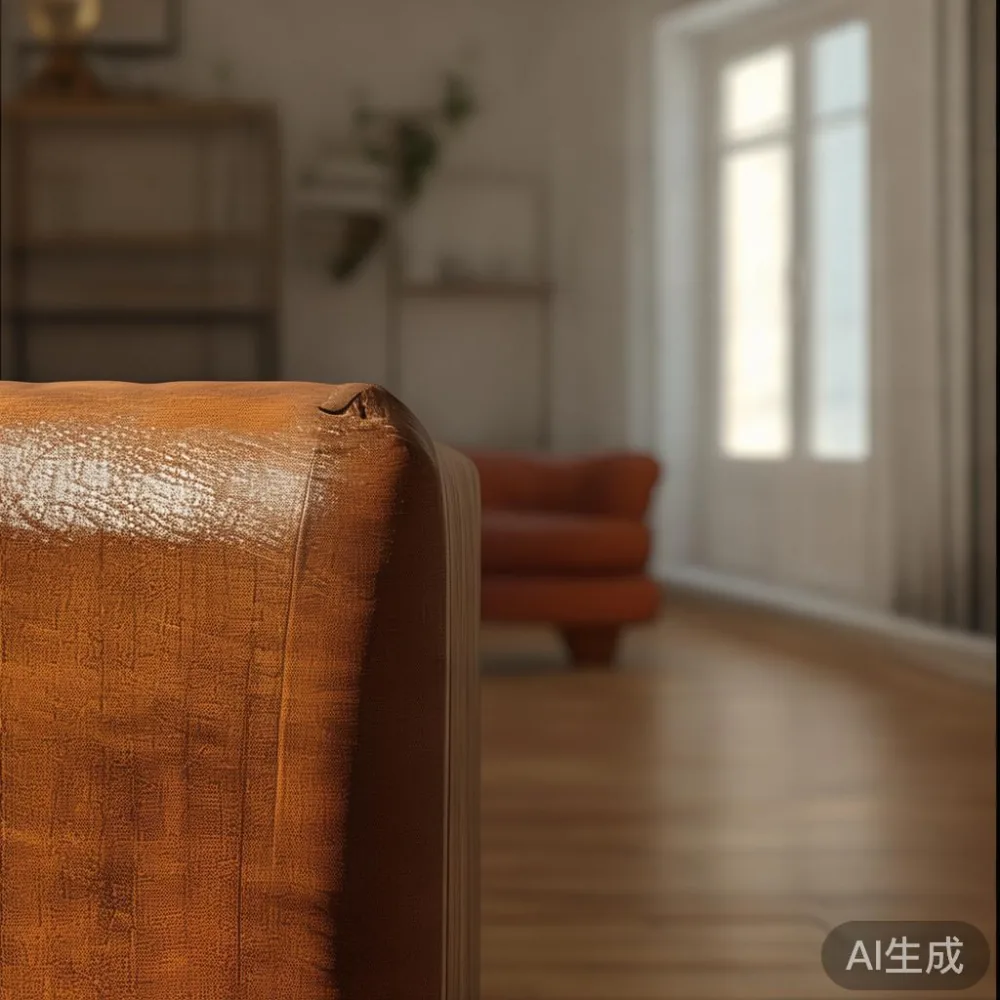
Last month, I visited a colleague's newly delivered Italian light luxury color mismatch japan-inspired sofa that arrived with unexpected damage. The packaging appeared intact, but upon unpacking, they discovered a 15cm scratch on the armrest. Fortunately, their provider offered a replacement within 7 days, but this experience highlighted the importance of selecting delivery services that include insurance coverage. Most reputable providers offer insurance options covering up to SGD 500 in damages for an additional 3-5% of the total order value. For high-value pieces or custom orders, this protection proves particularly valuable given Singapore's delivery challenges.
Return Policies and Customer Service Evaluation
Understanding return policies provides important protection when purchasing furniture without physical testing. Many Singaporean retailers offer 14-day return windows for online purchases, though conditions vary. Some providers require the item to be in its original packaging with no signs of use, while others may accept returns with minor assembly marks. When evaluating return policies, consider the restocking fees—many retailers charge 10-20% of the purchase price for returns, plus the cost of return shipping. For international orders, return shipping costs can exceed SGD 200, making careful selection even more important.
Customer responsiveness indicates the quality of post-purchase support. Before making a purchase, test the retailer's customer service by asking specific questions about materials, dimensions, and delivery timelines. Reputable providers typically respond within 24 hours, while less reliable services may take 3-5 days. When evaluating customer service quality, consider their willingness to provide additional photos or videos of the product from different angles. Many premium brands, including those offering post-modern light luxury collections, assign dedicated customer service representatives who can address specific concerns about color matching and material quality.
Warranty coverage represents another critical consideration. Look for manufacturers offering comprehensive structural warranties covering frame integrity for 5-10 years, with some premium providers extending coverage to 15 years. For upholstery, warranties typically cover manufacturing defects for 1-3 years. When reviewing warranty terms, pay attention to exclusion clauses—some warranties may not cover damage from Singapore's humidity or normal wear and tear. Many manufacturers now offer lifetime refinishing services for solid wood components, allowing you to refresh the appearance as needed without replacing the entire piece.
Making the Final Decision: Balancing Aesthetics and Practicality
When selecting a sofa without physical testing, balance aesthetic preferences with practical considerations. Consider how the sofa will integrate with your existing furniture—a solid wood dining table, marble table accents, or nightstands should complement rather than compete with your new sofa. For Singapore's compact living spaces, consider multifunctional designs that offer storage or convertible options. Many contemporary designs now include hidden compartments or pull-out beds, addressing space constraints common in HDB flats and condos.
Budget considerations should include not just the purchase price but also potential delivery, assembly, and maintenance costs. A premium solid wood sofa may cost SGD 3,000-5,000 but last 15-20 years with proper care, while a lower-priced alternative at SGD 1,500-2,000 may require replacement after 5-7 years. When evaluating long-term value, consider the cost per year of ownership—higher-quality pieces often prove more economical over time. For those concerned about potential color mismatch, select retailers offering virtual room visualization tools that allow you to see how the sofa would look in your space before purchase.
Finally, consider the sofa's adaptability to future changes. Singaporean homeowners often relocate or renovate every 5-8 years, making versatility important. Neutral colors and classic designs typically transition more easily between spaces and decor styles than bold colors or trendy designs. When evaluating options, consider whether the sofa's style complements other potential furniture pieces you might acquire in the future, such as a new wardrobe or additional solid wood nightstands. Many light luxury styles offer timeless appeal that transcends design trends, making them sound investments for Singapore's dynamic housing market.