Achieve a Spacious Feel in Your Singapore Apartment
Last month I visited my colleague Priya in her 65 sqm three-room HDB in Punggol. She had a problem almost every Singaporean flat-dweller recognises: she owned too many nice things for the room she actually lives in. The 2.4 m lift landing at her block, the 1.1 m corridor, and her 3.2 m x 3.4 m living room were forcing compromises every day. We spent a Saturday moving one armchair out, swapping two stools for a single solid wood bench, and letting the colour palette do the work. By Sunday afternoon the same flat felt roughly 20% calmer, and her cat had a new window perch. None of the tricks were expensive. Most were about reading the room — literally, the way light, wood tone and furniture profile read together.
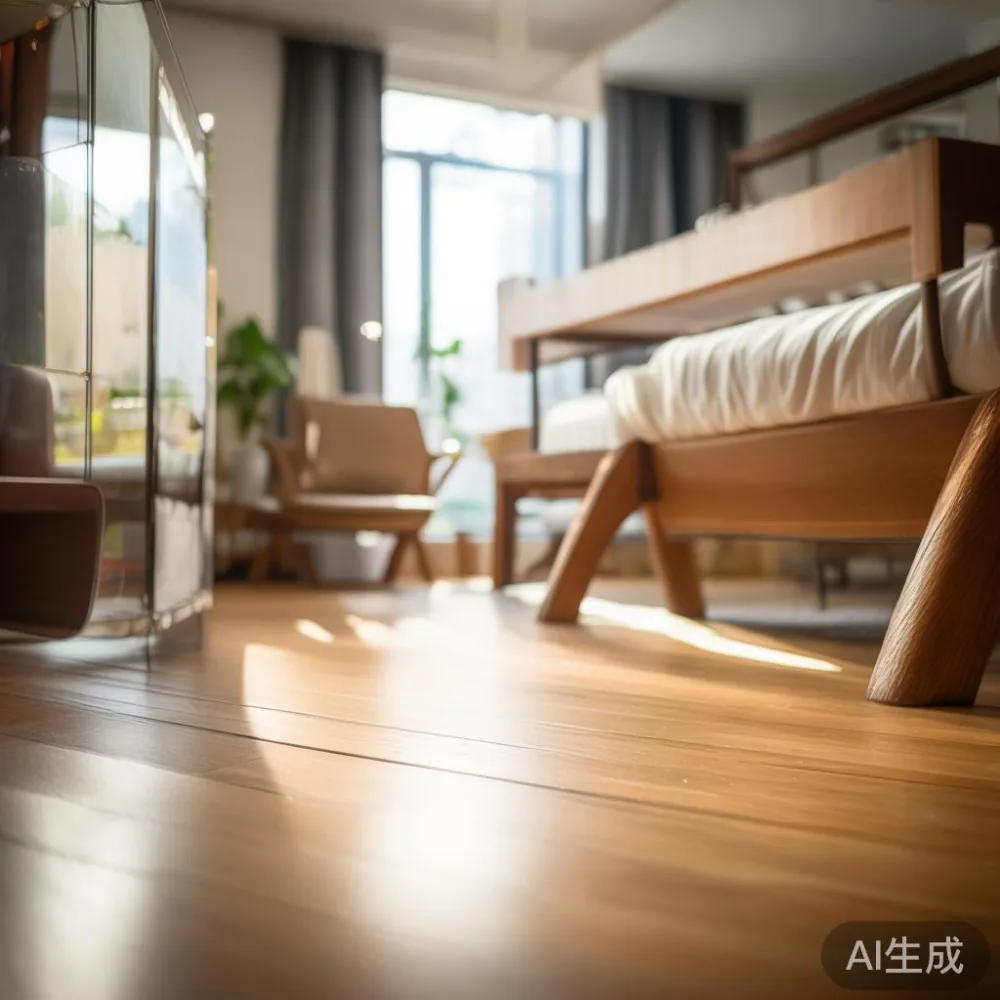
This article is the playbook from that day, tuned for compact HDB flats, three-bedder condos in Tampines and Bedok, and the smaller units in Punggol's newer launches. We will walk room by room, talk about lift access before you fall in love with a 2.4 m wardrobe, and look at why a small color mismatch — used on purpose — is one of the smartest tools in a small-space designer's kit. Every measurement and price below is in Singapore dollars and aimed at the SGD 1,500–9,000 furniture budget that most new homeowners are working with.
Why Singapore Flats Punish Big Furniture (and Reward the Right One)
The maths of a Singapore flat is unforgiving. A standard three-room HDB gives you roughly 65 sqm of interior, but after the kitchen, two bathrooms, a service yard and circulation, your living "space" is closer to 18–22 sqm. The ceiling height is usually 2.8 m, sometimes 3.0 m in newer BTOs. Doors are 0.9 m wide. The lift at most 1990s blocks measures 1.5 m deep x 1.4 m wide internally, and the doorway is only 0.8 m. A 2.5 m sofa, technically possible, simply will not survive the corner on the 7th floor of an older walk-up.
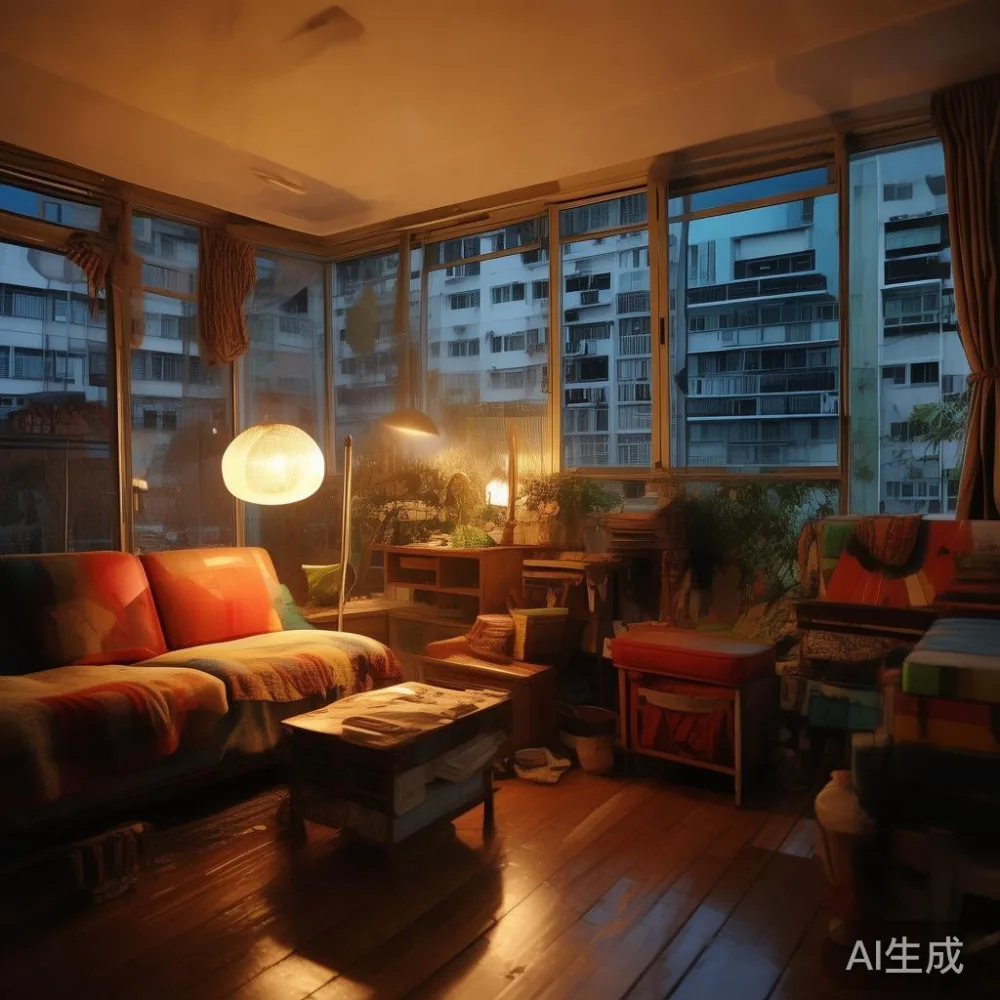
This is exactly why solid wood, mid-sized pieces outperform the giant modular sets you see in showrooms. A 1.8 m solid wood dining table seats four comfortably and clears most HDB lifts on the diagonal. A 1.5 m solid wood bed frame in queen size (153 x 190 cm mattress) leaves 60 cm of walking space on each side in a 2.7 m wide master bedroom. A 1.2 m solid wood nightstand is wide enough for a lamp and a glass of water without sticking out into the corridor between bed and wardrobe. These are not compromises. They are the correct scale for the room.
Two more local details drive every decision below. First, GST — currently 9% on imported furniture — means a SGD 4,000 set costs SGD 4,360 at checkout, so every cent of unused floor area is wasted money. Second, the lift/corridor bottleneck: if a piece cannot enter the lift with the door fully open and without tilting past 30 degrees, it is the wrong piece, no matter how nice it looks on Instagram.
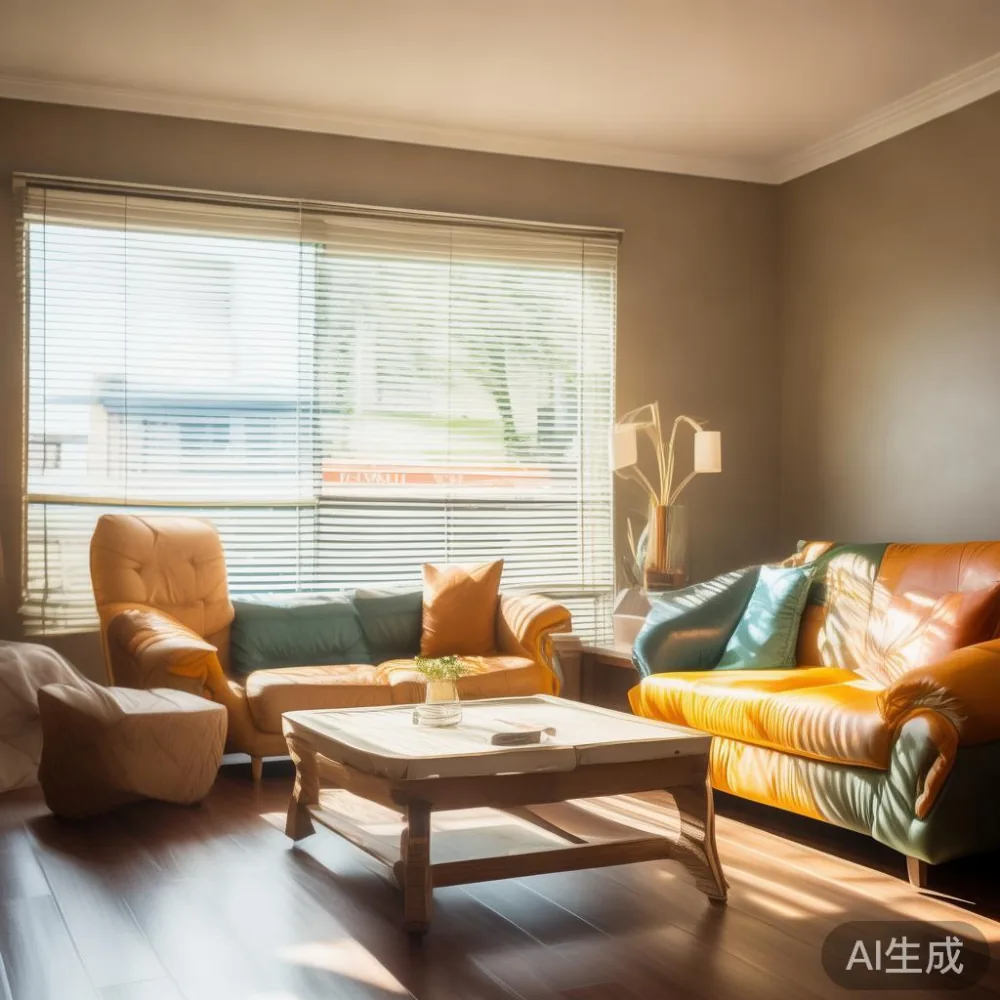
How do I style a scandinavian furniture in a modern Singapore home?
Pick one Scandinavian anchor piece per room, keep its silhouette low and its colour quiet, then let one or two warmer elements — brass, rattan, a honey-toned solid wood — stop the room from feeling like a catalogue. Scandinavian styling in Singapore works when the wood tone is warm enough to read against our grey tropical light, the textiles breathe (linen, cotton, not velvet), and the negative space is treated as furniture.
The Living Room: A Solid Wood Sofa, A Marble Table, and Air
In a 3.2 m x 3.4 m HDB living room, a 2.0–2.2 m solid wood sofa is the maximum that still allows a 70 cm walkway to the TV console. Push the sofa 10–15 cm off the wall — yes, even in a small flat — so the back has air and the wall can host a narrow shelf at 1.4 m height for books and one plant. The frame should be visible: a solid wood sofa with ash or oak legs at 15–18 cm off the ground reads lighter than a floor-hugging upholstered version.
Skip the 1.2 m x 0.6 m coffee table and choose a round marble table at 70 cm diameter. Round tables are kind to small rooms because there are no corners to bruise shins on, and a single slab of marble catches the afternoon sun in a way that wood cannot. Pair the marble with the wood sofa rather than matching them — that single deliberate color mismatch is the entire room's design statement. Budget: a 70 cm round marble table runs SGD 480–820, a 2.0 m solid wood sofa SGD 1,800–2,600, depending on fabric.
Add one accent chair, not two. A solid wood armchair in a contrasting fabric (think sage linen against honey oak) gives you a reading spot and a place to land your tray without crowding. Floor lamp at 1.6 m height, tucked into the corner between sofa and wall. No rug bigger than 1.6 m x 2.3 m — anything larger eats the room.
The Dining Area: One Table, Two Forms, Zero Drama
Most Singapore dining areas are 1.8 m x 2.4 m nooks carved out of the living room, sometimes shared with the corridor to the kitchen. A 1.4 m x 0.8 m solid wood dining table seats four on chairs 45 cm wide, with 60 cm of pull-back space, which is the minimum for someone to sit down without elbowing the person behind them. If your nook is narrower than 1.8 m, go round: a 1.1 m round table seats four with chairs that tuck under the lip, and the lack of corners gives you back roughly 0.4 sqm of perceived floor area.
Wood tone matters here. If your living room sofa is ash, let the dining table be a slightly warmer teak or walnut — a soft color mismatch that tells the eye "these are two pieces, not one mistake." Match the chairs to each other, not to the table. Two oak chairs and two black powder-coated chairs around one solid wood dining table is a trick used in almost every well-photographed small-space interior.
For four adults in a Punggol three-bedder, budget SGD 1,100–1,900 for the table and SGD 320–480 for four chairs. MIDHILL's factory in Foshan runs this category at export-grade solid wood with kiln-dried ash and oak frames, and the same pieces clear Singapore's 0.8 m lift doorway without disassembly. That last point is not trivial — most flat-pack dining sets arrive with a top wider than the lift, and that is a 7 pm problem you do not want.
The Bedroom: Bed Frame, Nightstand, Wardrobe — in That Order
Buy the bed frame first, the nightstand second, and only then the wardrobe. In a 3.0 m x 3.2 m master bedroom the order of operations is non-negotiable, because the bed dictates everything else. A queen-size solid wood bed frame at 158 x 208 cm sits on a frame that is roughly 8 cm wider and longer than the mattress. Leave 65 cm of clearance on at least one side for making the bed, and 45 cm on the other side as a minimum walking lane. Anything less and you are rearranging furniture every morning.
The nightstand is usually the first place a small bedroom goes wrong. People buy a 50 cm cube and then cannot open the wardrobe door. A 40 cm wide x 35 cm deep solid wood nightstand with one drawer is the correct answer for most Singapore bedrooms. It holds a lamp, a phone, a glass of water, and nothing else — and that constraint is what makes the room feel calm. If you share the bed, two matching nightstands at 40 cm each will fit on either side of a queen frame in a 3.0 m wide room with 60 cm to spare against the opposite wall.
The wardrobe is the lift problem. A standard 1.8 m x 0.6 m x 2.2 m free-standing wardrobe weighs 85–110 kg and will not fit through most HDB lift doorways on the diagonal — you need to measure the diagonal of the lift interior (for a typical 1.5 x 1.4 m lift, that's roughly 2.05 m) and check it against your wardrobe height before paying. If the wardrobe is too tall, choose a 2.0 m version with a separate top box, or specify a knock-down wardrobe that assembles in the room. A solid wood wardrobe from MIDHILL in the 1.8 m x 0.6 m x 2.0 m size runs SGD 1,800–2,400 with soft-close hinges and is the piece I most often recommend to friends renovating in Tampines and Bedok, because the joinery survives two moves.
Materials, Colour, and the Quiet Power of a Single Mismatch
Three material rules will carry any small Singapore apartment. First, let the floor be the floor. Most HDBs ship with 30 x 30 cm homogeneous tiles in beige. Either sand and stain them a warm grey or lay a thin 8 mm engineered wood on top — do not fight the floor with another loud surface. Second, keep your wood count to two. A Scandinavian ash sofa frame plus a slightly warmer oak dining table is two. Adding a third wood (walnut cabinet, pine shelf) makes the room busy without you noticing why. Third, and this is the small-space trick most people miss, allow exactly one intentional color mismatch in each room.
The mismatch can be a marble table against an oak sofa, a brass lamp against ash wood, or a single mustard velvet chair in a room of linen neutrals. One deliberate mismatch gives the eye a place to rest and stops the room from looking like a furniture package. Two mismatches is a theme; three is a flea market. This is the same logic behind French light luxury interiors, where one piece — often a marble side table or a brass-framed mirror — interrupts an otherwise quiet room.
For colour, Singapore's tropical light has a green-grey cast most afternoons. Warm whites (BM White Dove, Dulux True White) on walls hold up better than the cool greys popular in 2018 showrooms. Ceiling at a half-step lighter than the wall so the 2.8 m ceiling feels taller. One accent colour, used once per room: sage green in the living room, terracotta in the dining nook, dusty blue in the bedroom. That is the entire palette.
The Numbers That Actually Matter (Lift, Doorway, Ceiling)
Before you click "add to cart," measure four things. Lift interior depth and width, lift door width, corridor width at any 90-degree turn from lift to flat, and your room's ceiling height. A 2.4 m wardrobe in a 2.8 m HDB ceiling leaves 40 cm of clearance on top — useful for storage, lethal if you have a ceiling fan. A 2.0 m wardrobe in a 2.8 m ceiling leaves 80 cm, which is enough for a box of off-season linen.
Standard dimensions worth memorising:
• HDB lift interior (typical 1990s block): 1.5 m deep x 1.4 m wide x 2.4 m high; door 0.8 m wide.
• HDB main door: 0.9 m wide x 2.1 m high; bedroom door 0.8 m x 2.1 m.
• Standard HDB corridor at right-angle turn: 1.2 m wide.
• Queen mattress: 153 x 190 cm; king mattress 183 x 190 cm.
• Comfortable walkway: 70–90 cm; minimum 60 cm.
• Pull-back space for a dining chair: 60 cm; for an armchair, 55 cm.
If a piece passes those numbers, it will probably fit. If it does not, no amount of wrapping will save the delivery day. This is the single most expensive mistake in Singapore furniture buying, and a 10-year structural warranty does not cover the removal fee when a 2.5 m wardrobe gets stuck in a Tampines lift on a Saturday morning.
Shipping, Warranty, and the Part Most Singapore Buyers Skip
Direct-from-factory solid wood shipping from Foshan to Singapore typically takes 35–55 days by sea, including fumigation and customs clearance under the China-Singapore FTA (0% duty on most wooden furniture, but 9% GST still applies at delivery). Allow another 5–10 days for last-mile delivery and assembly. If a seller quotes 10 days end-to-end, they are re-selling from a Singapore warehouse and the price reflects that. Worth knowing before you compare.
Two warranty details actually matter. First, structural warranty covers frame and joinery, not finish — ask whether the finish is covered for peeling and cracking for at least three years. Second, lifetime refinishing is the single most underrated benefit in the solid wood category. A solid wood dining table that can be sanded and re-oiled after seven years is a different purchase from a particleboard table that has to be replaced. MIDHILL's lifetime refinishing service, for example, has saved at least three of my friends from replacing their dining tables after a Punggol renovation.
Returns matter too. A 14-day return window on a furniture order is generous by industry standards — most showrooms offer 7 days, and many exclude solid wood custom orders. Read the small print on who pays return shipping. For a 60 kg dining table, return shipping within Singapore is roughly SGD 80–150; from a regional warehouse it can hit SGD 400. That is the difference between a reasonable return and a painful one.
What I Would Buy Tomorrow, In Three Singapore Apartments
If a client handed me SGD 6,500 today for a complete living-dining set in a 65 sqm HDB, here is what I would order. One 2.0 m solid wood sofa in ash with linen-blend cushions, SGD 2,200. One 70 cm round marble table, SGD 620. One solid wood armchair in sage linen, SGD 880. One 1.4 m x 0.8 m solid wood dining table in oak, SGD 1,350, with two oak and two black chairs totalling SGD 720. One narrow 1.2 m x 30 cm x 35 cm solid wood console for the TV, SGD 380. Total SGD 6,150, plus 9% GST, leaving roughly SGD 550 for a floor lamp, two cushions and one rug.
If the budget stretches to SGD 9,000, swap the dining table for the same shape in walnut, add a solid wood bed frame in queen (SGD 1,100) and a pair of 40 cm solid wood nightstands (SGD 480 for the pair), and put the remaining SGD 800 toward a 1.8 m x 0.6 m x 2.0 m solid wood wardrobe. The whole apartment, then, reads as one consistent warm-grey and oak palette with one brass lamp and one marble table interrupting it — the quiet French light luxury formula, applied at HDB scale.
The short version, after a Saturday moving furniture in Punggol: small Singapore apartments do not need more stuff or bigger stuff. They need fewer pieces, in the correct scale, with one intentional color mismatch per room, and they need to survive the lift. Everything else is decoration.