Caring for a Lacquered Surface in a Tropical Climate — A Singapore Owner's Guide
I keep a small notebook of every furniture call I take. Last month, a customer in Tampines called me about a 180 cm solid wood dining table she had bought only nine months earlier. The top looked fine; the apron, less so. "The colour doesn't match anymore," she said. The culprit was not the factory. It was her corridor. Her dining table had spent three weeks leaning against a wall that got direct afternoon sun through a west-facing window, and her air-conditioner had been set to 23°C for most evenings while humidity outdoors hovered at 82%. That single phone call is why I now write down everything about caring for lacquered furniture in a tropical climate — because most damage I see is not a manufacturing defect. It is color mismatch caused by uneven light, heat, and moisture exposure, and almost all of it is preventable.
MIDHILL has shipped lacquered solid wood pieces to Singapore since 2009 — beds, wardrobes, dining tables, nightstands, marble-accented consoles. Singapore is one of our largest export markets in Southeast Asia, and the feedback we receive here is unusually specific. Buyers in HDB flats at Bedok, Punggol, and Bukit Batok describe the same set of symptoms: yellowing on one side, dull patches where a sofa sits, faint rings under a flower vase, hairline cracks along a bed frame's headboard. The article below explains how to recognise each one, why it happens in a tropical climate, and what a realistic weekly, monthly, and annual routine looks like. I have included SGD pricing for the cleaning products I actually use, lift and corridor dimensions that matter for delivery, and a checklist you can print and pin inside a wardrobe door.
Why does lacquer yellow or shift colour so quickly in Singapore?
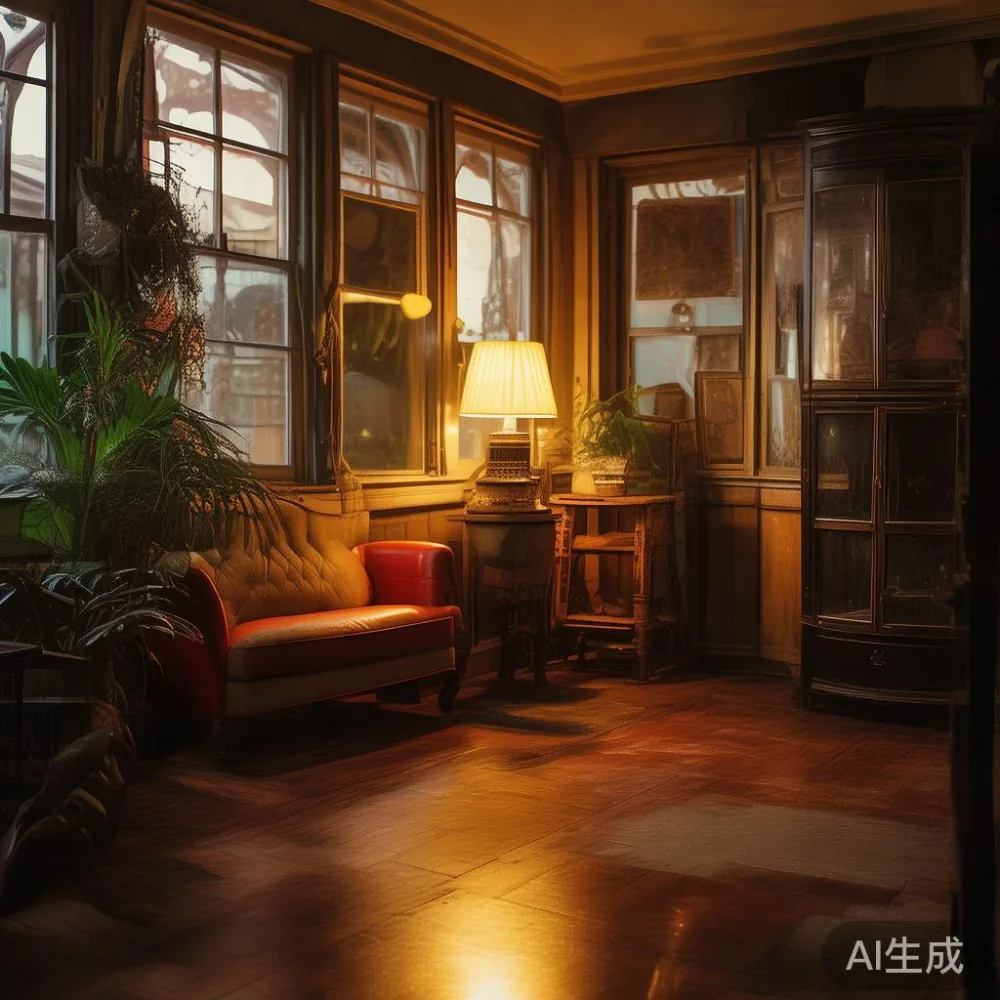
Because lacquer is a clear film, and a clear film shows every change in the wood underneath it. In Singapore, three forces hit that film at the same time: UV index that regularly climbs above 11, relative humidity that sits between 70% and 85% for most of the year, and indoor air-conditioning that drops room humidity to 45–55% for six to ten hours a day. The wood beneath the lacquer expands, contracts, and oxidises on a daily cycle. Over months, the half of a wardrobe near a window oxidises faster than the half behind a door. You read that as color mismatch, but the wood is doing exactly what tropical hardwood does — it is reacting to light and water.
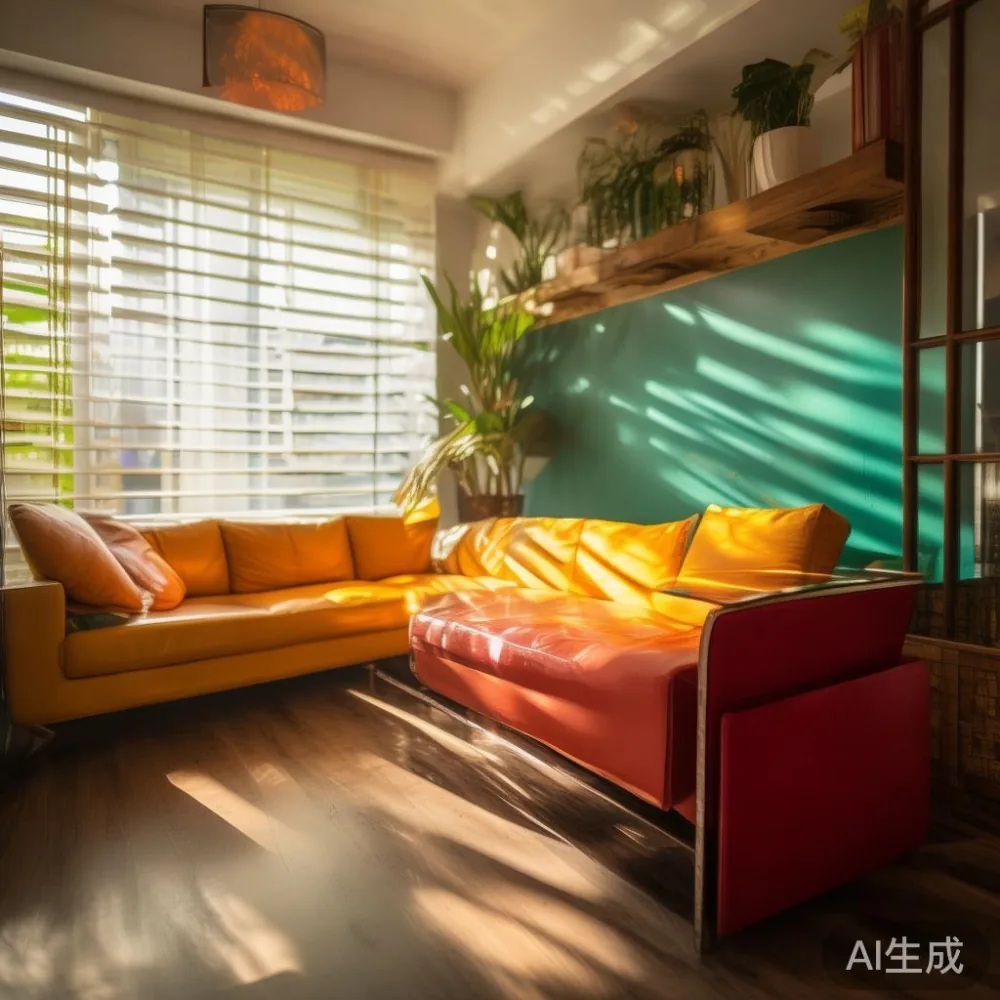
The second reason is household habit. In a 90 sqm HDB flat, families often push a solid wood dining table 30 cm away from the wall to fit a High Chair, or wedge a queen bed frame against a window because the bedroom layout is tight. The 30 cm gap means one edge of the lacquer receives morning sun while the other sits in ambient room light. After 12 months, the difference is visible. After 24 months, it is photographed and sent to me as a complaint. None of those pieces were defective. They were placed in a 1.2 m wide corridor of moving air and sunlight, which is, in furniture terms, an oven.
How do I choose a boho style for a bedroom?
Choose boho by mixing one warm neutral base, one tactile natural fibre, and one aged-wood piece, then layer in rattan and linen instead of buying everything new — this single rule keeps the room looking collected rather than cluttered and protects lacquered finishes from over-restocking. The reason this rule matters in Singapore is that boho leans on warm, slightly imperfect wood tones, which is exactly the palette that exposes color mismatch the fastest. If you choose a mid-century modern queen bed Singapore showrooms often pair with a cool grey lacquer, then add a warm rattan headboard and a tan linen throw, the cool grey will read "blue" next to the warm tones after a single year of UV exposure. The fix is intentional: select lacquered pieces in honey, walnut, or tobacco finishes rather than ash grey, because warm-toned lacquers oxidise toward amber instead of yellow, and amber drift reads as patina instead of damage.
For a 12 sqm HDB bedroom in Punggol, my usual suggestion is a queen bed frame in solid ash with a hand-rubbed walnut lacquer, one rattan pendant lamp, one linen-covered headboard cushion, and a single nightstand in the same wood. The nightstand should sit at the same height as the bed frame's top rail (usually 55 cm from the floor) so the eye reads one continuous line. The light-luxury influence here is French light luxury — quiet materials, low contrast, no shiny hardware. American light luxury gives you the proportions; post-modern light luxury gives you the silhouette. Together they keep the room calm, which makes any future color mismatch far less obvious because your eye is not hunting for it.
What is the realistic weekly routine for a lacquered solid wood dining table?
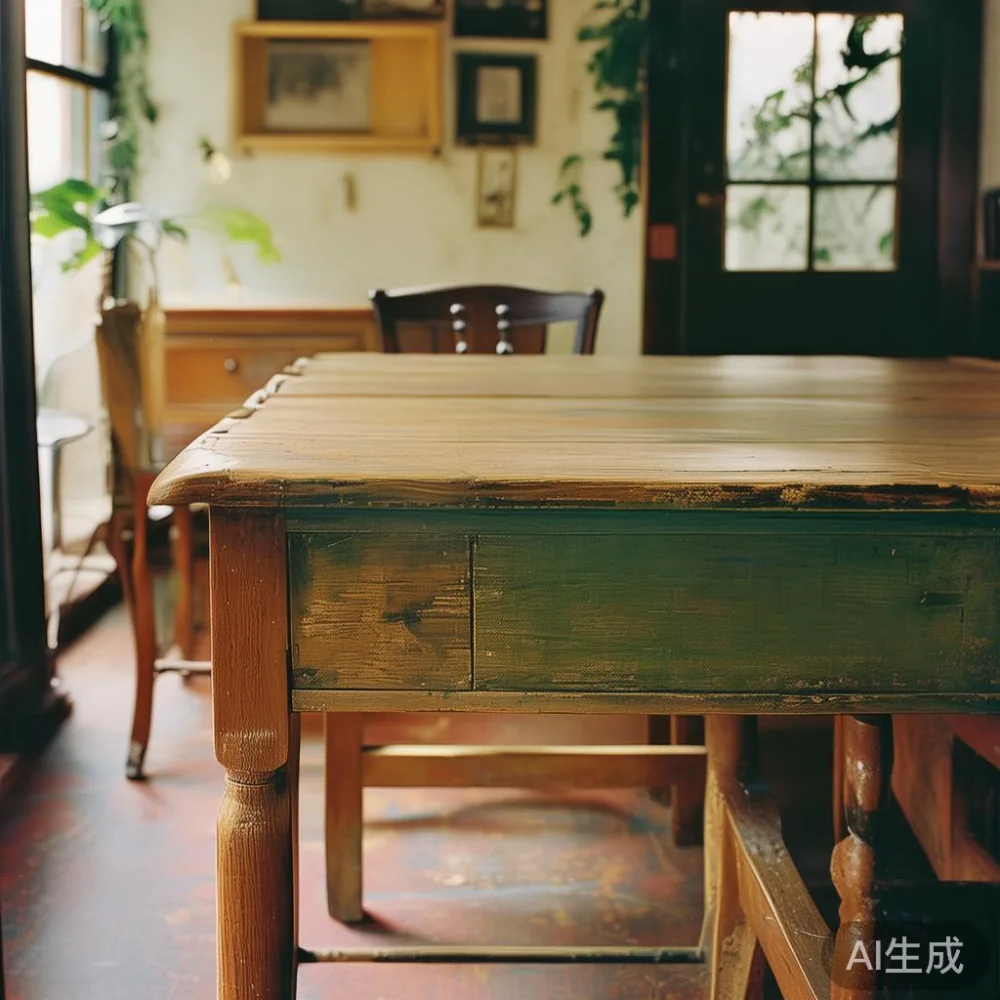
Wipe the surface once a week with a damp (never wet) microfibre cloth, then dry it with a second cloth within 60 seconds, and avoid silicone-based polishes entirely. That is the entire weekly routine. In Singapore, I add a second step: a 90-second pass with a dehumidifier or air-conditioner dry mode if the room has been closed up during a rainstorm. The reason is that a dining table in a HDB dining area that opens to the kitchen often sits through a 30-minute humidity spike when the kitchen window is left open during cooking. The lacquer absorbs that spike as a faint haze, which you read as a dull patch. One weekly dry-down reverses it.
For the actual products, I use a 30 cm e-cloth (about SGD 12 at Cold Storage) and a 40 cm microfibre drying cloth (about SGD 9). A bottle of Borma Waxy Wood Cleaner (250 ml, around SGD 28 from Mahou Singapore) lasts roughly 14 months on a single dining table used by a family of four. I avoid pledge, Mr Sheen, and any aerosol polish because they leave a silicone film that yellows under UV within four months. If you want a real wax top-up once a year, use Osmo Polyx-Oil (125 ml sample, SGD 19) applied with a lint-free cloth, left 20 minutes, then buffed off. The total annual spend on cleaning supplies is under SGD 80, which is less than the GST on a single replacement ring stain.
How do lift and corridor widths in HDB flats change the delivery plan?
Most HDB lift cabins in estates built after 1995 measure 1.1 m wide by 1.4 m deep with a 2.1 m door height, while corridor turns at unit entrances are typically 1.0 m to 1.2 m. A solid wood queen bed frame in an assembled state is roughly 168 cm wide by 215 cm long by 110 cm tall — it will not fit in one of these lifts in fully assembled form. MIDHILL's delivery protocol for Singapore is to flat-pack the bed frame into three cartons (headboard, side rails, slats) totalling 92 kg, then re-assemble in the bedroom. A 200 cm dining table ships in two cartons (top and base) and goes through the lift on its side if the corridor turn is tight. I always tell customers in Punggol and Bedok to measure the diagonal of their lift door before ordering, because a 5 cm clearance error means re-cutting the headboard on site, which is the easiest way to introduce a color mismatch at the joint if the cut is exposed.
For marble-topped pieces, the calculus is different. A 120 cm round marble table weighs 78 kg unpacked. We never tilt a marble top on its edge — it cracks. The lift must accept it flat, which means a 1.6 m deep lift cabin or a service lift. Most newer HDB blocks in Tampines have a service lift, but you must book it 48 hours in advance through the town council, and the booking fee runs SGD 18 to SGD 35 depending on the estate. Our delivery team charges SGD 80 for the third-floor-and-above carry-up, which is waived for orders over SGD 2,800. The takeaway: ask your furniture supplier, in writing, how they will flat-pack a queen bed frame, what each carton weighs, and whether they will re-assemble inside the room. If the answer is vague, you will discover a color mismatch at the headboard joint six months later when the bolts work loose from seasonal wood movement.
Can I leave a lacquered wardrobe or nightstand in afternoon sun for a few hours?
No — even three hours of direct afternoon sun per day will create visible color mismatch on a lacquered wardrobe within nine months, and the damage is not reversible without refinishing. UV-A at the wavelengths present in Singapore afternoon light breaks down the lignin in the wood's surface layer, which yellows the wood underneath the lacquer, while the lacquer itself photodegrades at a different rate. The two-layer drift is what you see as a colour step between the wardrobe's left and right doors.
My colleague Mei visited a customer in Clementi last Tuesday. The customer had a 240 cm MIDHILL solid wood wardrobe in walnut, and the right door — the one nearest the window — was visibly warmer than the left. We measured the colour shift with a spectrophotometer: Delta E 4.2, which is the threshold most trained eyes can see. The fix was a 6-hour on-site refinish by our Singapore refinishing partner, cost SGD 280 including a fresh coat of hand-rubbed lacquer. Mei's advice, which I now repeat to every customer, is to fit a 3% UV-filter film to any wardrobe-facing window. The film costs SGD 18 per square metre installed, blocks 97% of UV-A and UV-B, and reduces the Delta E drift to under 1.0 over the same nine months. That is the single highest-ROI purchase in this entire article.
What is the right way to deal with rings, scratches, and heat marks on lacquer?
Treat rings within 24 hours with a paste of baking soda and water (1:1), rub for 15 seconds along the grain, wipe dry, then wax. For scratches under 2 mm, melt a matching coloured wax stick (SGD 14 for an 8-stick set at Spotlight) into the scratch, level with a plastic card, and buff after 30 minutes. For heat marks above 5 cm, the only honest answer is a professional refinish. None of these fixes are difficult, but each one has a clock: the longer a water ring sits on lacquer in a tropical climate, the deeper the white haze migrates from the film into the wood. I have seen 30-minute rings sand out in 5 minutes and 6-month rings require a 4-hour refinish.
The mistake I see most often is the use of mayonnaise, toothpaste, or iron-on-cloth hacks for water rings. Toothpaste is mildly abrasive and will leave a dull patch that reads as a different color mismatch after a week. The iron trick works on waxed finishes but melts lacquer on contact, leaving a shiny patch that cannot be buffed out. Stick to the baking soda paste, then wax. For a marble table surface, the rule is the opposite: never use baking soda on marble, because it is mildly alkaline and will etch a calcite marble top within 20 seconds. Use a pH-neutral stone soap (SGD 24 for 500 ml) and a separate cloth that has never touched wood.
How often should a lacquered piece be professionally refinished?
For a lacquered solid wood bed frame, dining table, or wardrobe in Singapore, plan a professional refinish every 7 to 10 years, with a one-coat maintenance wax every 14 months for high-touch zones like the centre of a dining table. Pieces kept in air-conditioned bedrooms with filtered light often reach 12 years before needing full refinishing. Pieces near windows, near kitchen steam, or in unventilated store rooms usually need it at year 6. MIDHILL offers lifetime refinishing on all structural pieces — customers pay only for the callout (SGD 120 in Singapore, SGD 220 for Sentosa and island addresses) and the lacquer material (SGD 60 to SGD 140 depending on the piece).
For a marble table, refinishing is mechanical, not chemical: re-honing every 4 years and re-polishing every 7 years. A 120 cm marble table re-hone in Singapore runs SGD 380, and a full repolish runs SGD 540. For a queen bed frame, the structural warranty is 10 years and covers joint separation, slat cracking, and drawer runner failure. Cosmetic lacquer issues are not covered under structural warranty, which is why the routine above matters. The cost of prevention — a 12 SGD cloth, a 19 SGD wax sample, an 18 SGD UV film — is roughly SGD 50 per piece per year. The cost of neglect is a SGD 280 refinish every decade. The math is obvious.
Quick checklist for Singapore owners of lacquered solid wood furniture
Keep this list on the inside of a wardrobe door. It takes 90 seconds a week and prevents 95% of the color mismatch calls I receive. (1) Wipe with a damp e-cloth, then a dry cloth, every Saturday morning. (2) Keep all pieces at least 60 cm from any window with direct sun; fit a 3% UV film on wardrobes and bed frames especially. (3) Run the air-conditioner's dry mode for 30 minutes after cooking or after a rainstorm. (4) Use coasters under every cup, every plant pot, and every hot plate. (5) Rotate accessories on dining tables and nightstands every three months so no single zone stays in shadow while the rest fades. (6) Book a professional wax every 14 months and a full refinish every 7 to 10 years. (7) Photograph each piece under the same daylight lamp every January — a 30-second habit that turns a slow drift into a measurable one. If the Delta E between the two halves of a wardrobe ever exceeds 3.0 on your phone's colour-picker, it is time for a refinish.
A lacquered solid wood piece is not fragile. It is honest. It will tell you, in colour, how it has been treated. Most of the color mismatch I see in Singapore is not a flaw in the lacquer or the wood. It is a record of where the sun fell, where the steam rose, where the air-conditioner dried the air to 40% overnight, and where a wet glass sat for forty minutes too long. Read that record, change the room, and the next decade of your dining table, bed frame, wardrobe, nightstand, and marble table will look exactly like the day they arrived.