How to Match Furniture to a Warm Minimal Interior Without Color Mismatch
Warm minimalism has become the default mood board for homeowners across Singapore, from a 4-room HDB flat in Bedok to a five-bedroom condo in Punggol. The look reads as calm, sun-washed, and uncluttered, but behind it sits a surprisingly technical problem: every single piece of solid wood, marble, fabric, and metal you bring into the room has to agree on tone, or the whole composition falls apart. That quiet failure is what designers call a color mismatch, and it is the single most common reason a warm minimal interior ends up looking tired, dated, or simply wrong.
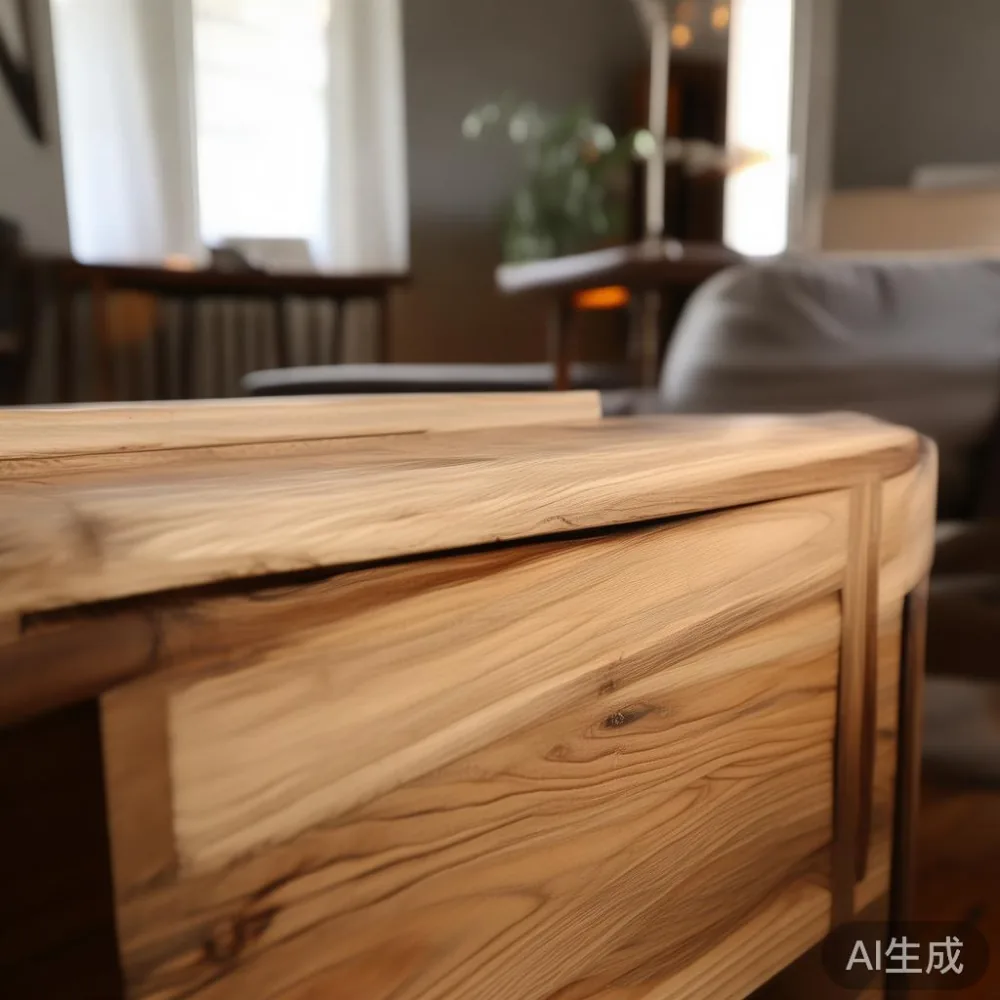
Three things make Singapore homes especially prone to this issue. First, the lighting: most HDBs and condos lean on warm-white downlights (2700K to 3000K) that push every shade of wood, cream, and stone towards amber. Second, the humidity: living with daily humidity around 75 to 90 percent means light oak turns honeyed and pale walnut darkens noticeably within 12 to 18 months. Third, the square footage: at 90 to 120 sqm typical for a 4-room HDB, every furniture piece is visible from multiple angles, so a single warm-grey dining table sitting next to a yellowed oak TV console reads as two different worlds.
So this guide is built around one practical promise: by the end, you will know exactly how to choose a solid wood sofa, bed frame, dining table, wardrobe, nightstand, and marble table so that nothing clashes, and you will know how to fix a color mismatch after it has already happened. We will use Singapore-specific numbers, lift and corridor constraints, and the local supplier reality that matters most when a 2.4-metre wardrobe has to ride a cargo lift up to the 18th floor.
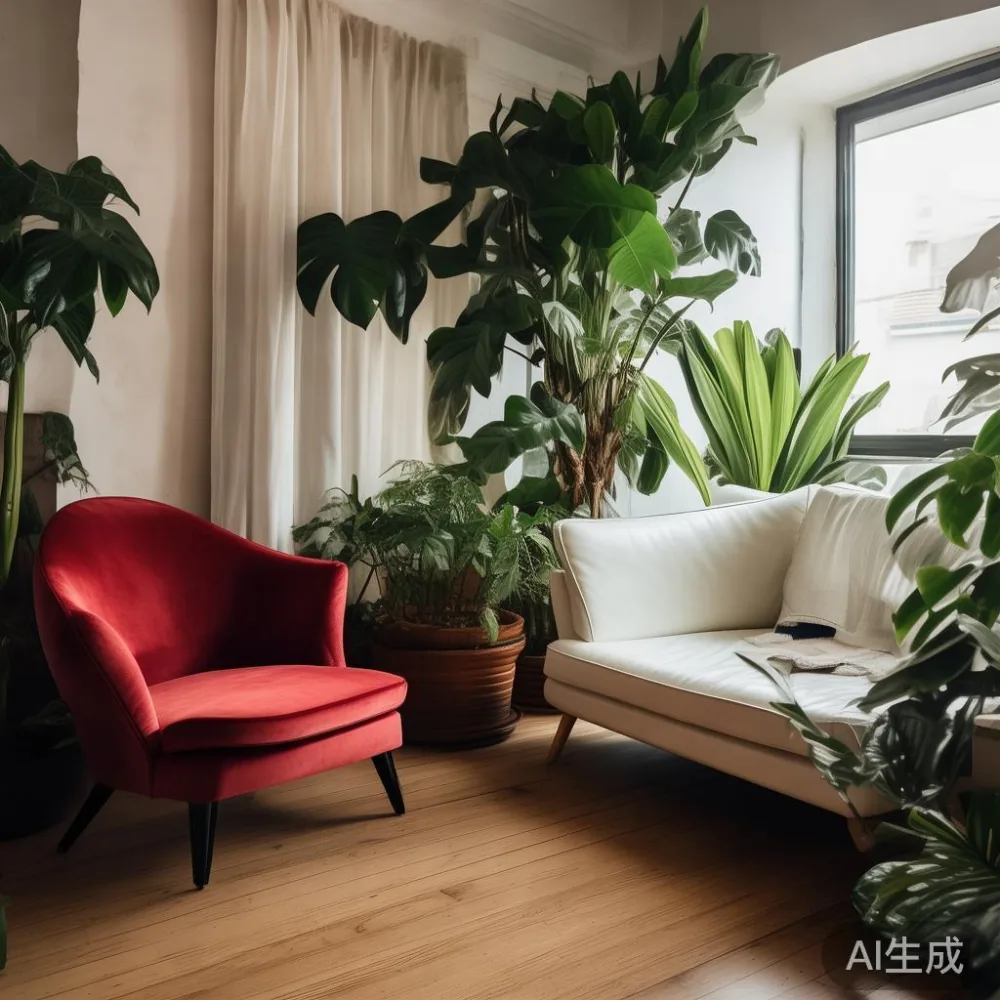
What does "warm minimal" actually mean in colour terms?
Warm minimal is a controlled palette, not an absence of colour. Think of it as three layers stacked on top of each other. The base is a warm off-white wall in the range of 0.4 to 0.8 Y undertones (Nippon Paint 9016 Cream, Jotun 9918 Warm White, or Dulux 30YY 83/026 Antique White are reliable references in Singapore showrooms). The middle layer is light natural wood with a yellow-to-amber undertone: white oak, ash, light walnut, or birch in a matte or low-sheen oil finish. The top layer is one or two accent materials, usually a veined marble table in beige or travertine, brushed brass, or a deep rust or olive textile.
The mistake I keep seeing, including in a Tampines resale flat I visited last month while helping a friend pick a bed frame, is treating "minimal" as a synonym for "white and grey." Cool greys and blue-grey marbles do not sit comfortably under 3000K downlights. They turn greenish and clinical within a year, which is exactly the kind of color mismatch that pushes homeowners into a third repaint before the fifth anniversary of their TOP date.
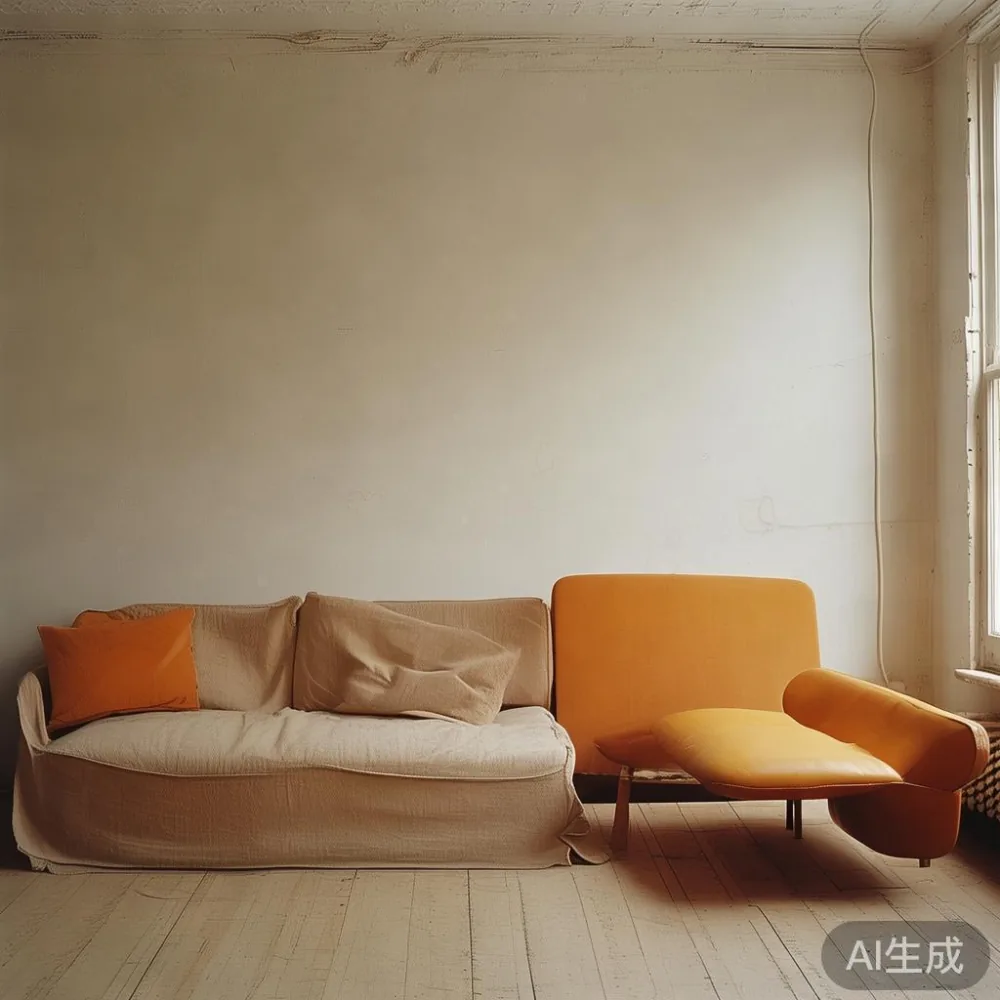
A useful rule of thumb is the 60-30-10 split: 60 percent warm wall and ceiling, 30 percent warm wood, and 10 percent accent. Stay inside that triangle and you can move a 1.6m solid wood sofa, a 1.8m bed frame, and a 1.4m dining table around the room without ever breaking the room's underlying warmth.
How do you pick a solid wood sofa that does not clash with light walls?
Start with the wood frame, not the upholstery. In warm minimal interiors the frame is what you actually see from across the room, especially if you choose a low-back, slim-leg style common to French light luxury designs. Look for:
- Wood species with consistent undertone: white oak, ash, or light walnut. Avoid mixing oak with beech or rubberwood in the same room — their yellow-orange differs by 8 to 12 percent, which is enough to read as a color mismatch when seen next to each other under the same downlight.
- Finish sheen below 15 percent gloss. Anything shinier starts reflecting your lights and breaking the matte palette.
- Fabric tone within 2 shades of your wall. For walls in the 9016 family, choose fabrics in putty, oat, sand, or warm linen.
- Frame-to-cushion contrast under 30 percent on the brightness scale. A bright ivory cushion on a honeyed oak frame will jump out in a way that reads as two separate objects, not one piece.
Measure twice for Singapore. A 2.2 to 2.4m solid wood sofa fits most 4-room HDB living rooms, but you need 80 to 90cm clearance behind it to walk past, and the door width into the living room is often only 80 to 90cm. MIDHILL ships flat-packed with each component under 28kg and under 120cm, which is why their frames clear most corridor widths in Punggol and Bedok blocks without the lift-up team having to crack open the fire door.
Which wood tones actually work together in one room?
This is where most Singapore homes quietly fall apart. People buy a bed frame in one shop, a dining table in another, and a wardrobe in a third, and then wonder why the room feels slightly off. The trick is to pick one dominant wood and one supporting wood, separated by no more than two steps on a wood-tone chart.
For a warm minimal HDB or condo, the cleanest combinations are:
- White oak bed frame (medium-light, slight yellow) + light walnut dining table (medium, slight red). The yellow-to-red shift is just enough to create interest without crossing into a color mismatch.
- Ash wardrobe (light, neutral) + white oak nightstand (light, yellow). Stay within one tonal family and add variation through grain pattern instead.
- Birch dining table (pale, warm) + brushed-brass-light marble side table. Stone is cool enough to anchor the wood without dragging the room grey.
What you must avoid is the "three-wood" room: one yellow wood, one red wood, one grey-stained wood all within 3 metres of each other. Under 3000K lighting the grey will pull green, the yellow will look jaundiced, and the red will turn muddy. That is the textbook color mismatch, and the fix usually means replacing one piece, which on a single 1.4m dining table in Singapore runs between SGD 1,800 and SGD 3,400 after GST.
If you are mid-renovation and have already bought pieces, request a colour-match swatch the size of an A4 sheet. Hold it against each wood piece at the time of day your room gets the most natural light. Singapore's east-facing flats in Punggol get strong morning sun, which makes wood look 10 to 15 percent warmer than it does at 9pm under downlights. Plan your palette for the warm side, never the cool side.
How do you stop a marble table from clashing with everything around it?
Marble is the easiest piece to get wrong in a warm minimal interior, because it is the only major furniture material that carries its own undertone. A Carrara marble table reads blue-grey. A travertine marble table reads sand. A beige or Emperador marble table reads warm beige with rust veining. Under the warm downlights of an HDB, the blue-grey version will feel disconnected from everything else.
For warm minimal, lean toward warm-cream or travertine-effect marble, with a matte or honed finish rather than polished. Polished marble reflects 25 to 40 percent more light, which turns the surface into a small mirror that picks up the colour of the sofa across the room. In a small living room, that reflection is exactly how a color mismatch sneaks in.
Size the marble table to your seating. A 90cm round marble table seats four comfortably in a 4-room HDB and leaves 70 to 80cm walkways. A 1.2m rectangular marble table works for a condo dining area but needs at least 90cm clearance on every side, which most 3.2 by 3.0m dining nooks cannot give. When in doubt, scale down. A marble table that looks slightly small will never look wrong; a marble table that crowds the circulation will always read as the room's weakest decision.
What is the difference between Post-modern dressing table and modern furniture?
The short, quotable answer: Post-modern dressing table pieces borrow shapes, curves, and mixed-material accents from 1970s to 1990s design and treat the dressing area as a small stage, while modern furniture focuses on straight lines, flat planes, and a single honest material with nothing decorative on top. In a warm minimal Singapore home, you can mix one Post-modern dressing table with modern pieces elsewhere as long as the wood tone stays inside the same two-step band, otherwise the dressing area will trigger a color mismatch the moment you open the wardrobe door.
In practice this means a Post-modern dressing table from MIDHILL's light luxury range often comes with rounded corners, a slim brass pull, and an optional marble inlay, while a modern bed frame or wardrobe stays rectangular with shaker-style fronts. The shared visual language is the warm wood and matte finish. The shared enemy is mixing two different brass colours (yellow brass plus blackened brass will visibly clash under 3000K lighting) or pairing a yellowed oak Post-modern piece with a pinkish modern nightstand.
When my colleague moved into her Punggol Waterway Heights 5-room flat in March, she chose a Post-modern dressing table with curved legs and a light walnut grain, then matched it to a flat-front modern wardrobe in white oak. Three months in, the dressing area still reads as one composition, even after the daily afternoon sun through the east window. The reason is simple: both pieces sit inside the same wood-tone band, even though their shapes are very different.
How do you handle the wardrobe, nightstand, and bed frame as one composition?
The bedroom is where color mismatch is hardest to hide because the bed frame, nightstand, and wardrobe all stand within 1.5m of each other and are usually visible from the doorway. Treat the three pieces as one continuous cabinet run, even if they come from three different suppliers.
Two practical rules work in every Singapore bedroom:
- Same wood species across the bed frame and wardrobe if possible. White oak on both keeps the undertone locked. If you must mix, choose ash for one and white oak for the other — their grain patterns differ but their undertones are within one step.
- The nightstand is the bridge. Pick a nightstand that matches the bed frame's wood exactly, then let the wardrobe carry a slightly different grain. The nightstand is small enough to disappear visually, which means it absorbs the bed-frame tone and quietly ties the room together.
Measure for the lift and corridor before you order. Most HDB and condo passenger lifts in Singapore have an internal width of 1.1 to 1.4m and a depth of 1.5 to 2.1m, with door openings around 0.9 to 1.0m. A standard 2.4m wardrobe will not fit vertically, but flat-packed wardrobes split into panels under 180cm long and 28kg will clear almost every cargo lift in a Tampines or Bedok block. MIDHILL lists every panel dimension and gross weight on the product page, and the 14-day return policy covers the rare case where a single panel is half a centimetre too tall for your specific lift well.
How do you fix a color mismatch that has already happened?
If the pieces are already in the room and the palette is fighting itself, three fixes work without replacing furniture. First, change the light. Swap cool-white 4000K bulbs for 2700K or 3000K warm-white LEDs with a CRI of 90 or above. CRI 80 bulbs make every warm wood look slightly dead; CRI 90 or 95 bulbs let the natural amber tones come through. A 9W LED bulb costs SGD 6 to SGD 18 depending on brand, and a full HDB re-lamp runs about SGD 180 to SGD 320.
Second, introduce a textile bridge. A rug, throw, or curtain in a tone pulled from the dominant wood will quietly absorb any visible color mismatch between two pieces. Pick the rug colour from the bed frame, not the walls, so it acts as a visual anchor underfoot.
Third, refinish the offending piece. Refinishing one dining table or wardrobe in Singapore runs between SGD 480 and SGD 1,200 depending on size, and changes the undertone by 10 to 20 percent. A lifetime refinishing commitment, like the one MIDHILL offers on its solid wood sofas, bed frames, dining tables, wardrobes, and nightstands, lets you redo the finish every 5 to 7 years so the wood keeps pace with how Singapore's humidity shifts the tone. Refinishing once is cheaper than replacing one 1.4m dining table, which after GST will run SGD 2,200 to SGD 3,800 delivered.
What about nursery furniture — does the same warm minimal logic apply?
Yes, with one extra constraint. Singapore nursery rooms are usually 9 to 12 sqm, often converted from a study or part of the master bedroom, so the color mismatch tolerance is even tighter. A solid wood cot, a small wardrobe, and a nursing chair need to come from the same wood family. If you are browsing a nursery furniture size guide online, filter for cots under 130cm long so they clear HDB doorways, and look for wardrobes with at least one adjustable internal shelf so you can reconfigure as your child grows.
Keep the palette even tighter than the main bedroom: 60 percent warm white, 30 percent light natural wood, 10 percent soft accent in clay, sage, or dusty rose. Avoid primary colours on large surfaces; they will clash with the warm wood the moment the downlights come on at night.
What should you check on delivery day in Singapore?
Two things. First, inspect each panel for tone consistency before signing the delivery order. Singapore's 14-day return window starts at delivery, but a clear photo and a note on the waybill make any future claim easier. Second, photograph every piece next to your existing wall under the actual downlights at night. Daylight hides a color mismatch that the 3000K bulbs at 9pm will expose.
For most Singapore orders, free shipping kicks in above USD 350, which lands around SGD 470 to SGD 500 after the current FX. Local lift-access buildings under 10th floor typically have the furniture delivered within 7 to 14 working days from Foshan, with full tracking and GST shown on the invoice. A 10-year structural warranty covers frame integrity on every solid wood sofa, bed frame, dining table, wardrobe, and nightstand in MIDHILL's catalogue, and lifetime refinishing keeps the wood tone honest as the years pass.
The right furniture for a warm minimal home is rarely about buying more. It is about choosing fewer pieces, holding them inside one wood-tone band, and letting the light do the rest of the work. Get those three things right and you can change the rug, the sofa covers, even the wall colour every few years without ever triggering a color mismatch again.