What Actually Drives the Price of Solid Wood Furniture?
Walking through a furniture showroom in Singapore, the price tags can be jarring. A solid wood dining table might cost SGD 3,500, while a marble-topped version of a similar size could hit SGD 5,800. Next to them, a wardrobe system might be priced at SGD 4,200. For many homeowners in HDB flats and condos across Tampines, Bedok, and Punggol, these numbers raise a fundamental question: what are we actually paying for? Is it the wood, the brand, or something else entirely? The answer is a complex interplay of factors that go far deeper than a simple glance at the showroom floor.
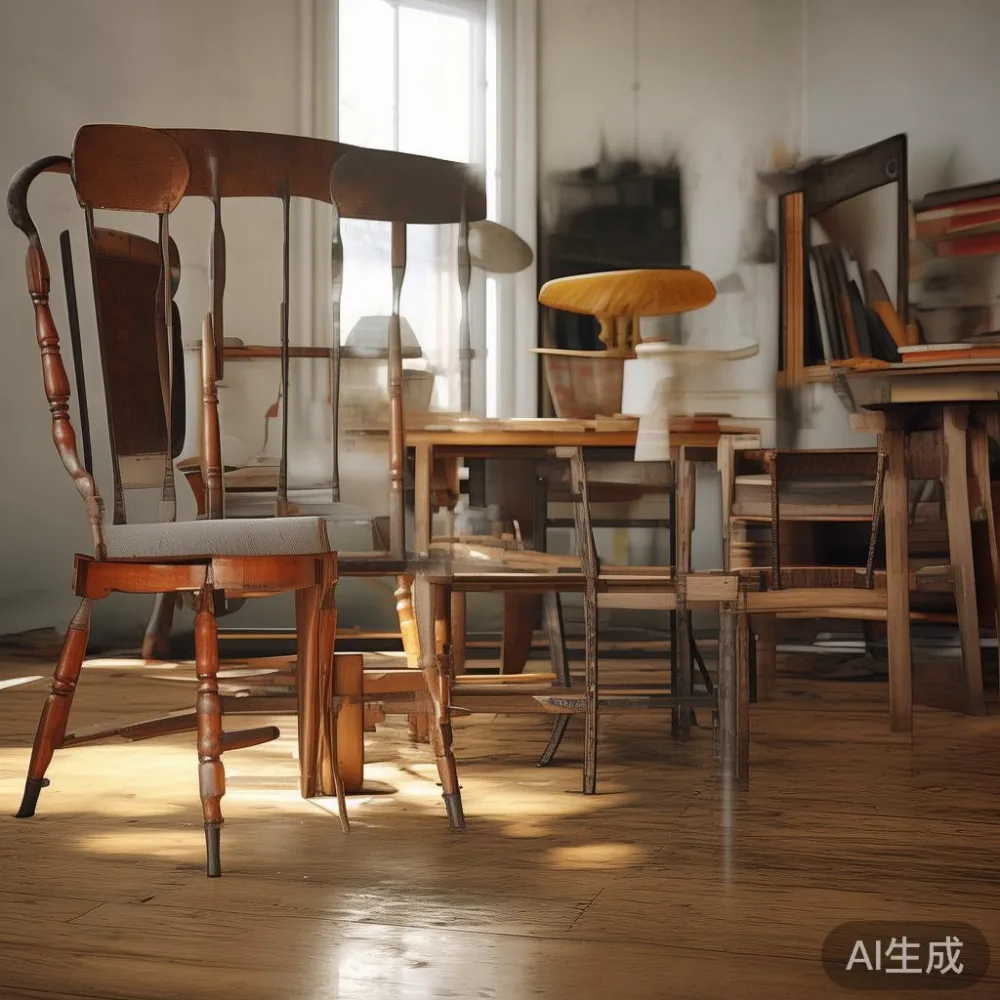
Is Solid Wood Furniture Always Expensive, or Are There Hidden Value Drivers?
The common assumption is that 'solid wood' is a single, uniform category, and therefore, its price should be predictable. This is a misconception. The term 'solid wood' simply means the piece is made from lumber, not veneers or particleboard. The cost, however, is dictated by the type of wood, its origin, and the journey it takes to become your nightstand or bed frame. For instance, a solid wood sofa constructed from North American white oak will carry a different price point than one made from Indonesian mahogany, even if they look similar. This is because oak is denser, has a more prominent grain, and is often imported, adding to its cost. The price isn't just for the material itself, but for its inherent qualities of durability and aesthetic appeal. A wardrobe made from solid rubberwood, a popular choice for its good workability and stability, will be more affordable than a teak equivalent, reflecting the difference in the raw material's market value and perceived luxury. Understanding this distinction is the first step to seeing beyond the sticker price.
The Material Matters: Wood Species, Origin, and Natural Characteristics
At the heart of any solid wood piece is the raw material. The species of wood is arguably the most significant cost driver. Hardwoods like oak, walnut, and ash are denser and more durable than softwoods like pine or rubberwood. This density makes them more resistant to dents and wear, justifying a higher price. A solid wood bed frame made from walnut, for example, will last for decades and can even be refinished to look new, a promise many brands like MIDHILL stand behind with a lifetime refinishing service. The origin of the wood also plays a role. Timber imported from North America or Europe often incurs higher shipping costs and potential import duties, which are factored into the final retail price. Also, natural characteristics are a key part of the value. Each piece of wood is unique, with its own grain pattern and colour variations. A skilled craftsman at a Foshan workshop might spend hours selecting boards that match for a large dining table top, ensuring a cohesive look. This natural variation is a mark of authenticity, but it also requires more labour and material waste, contributing to the cost. A customer choosing a French provincial for apartment living will often appreciate these natural imperfections as part of the charm, something that cannot be replicated in mass-produced, veneer furniture.
Why Craftsmanship and Labour Costs Are a Major Price Factor
Wood is just the starting point. The transformation from a rough-hewn plank into a finished piece of furniture is where a significant portion of the cost is incurred. This is where the art of craftsmanship comes in. Consider a solid wood wardrobe. It involves precise joinery—dovetail joints for drawers, mortise and tenon joints for the frame—techniques that ensure structural integrity for years to come. These joints are cut by skilled workers, often by hand, requiring years of training. A machine can cut a joint, but a master craftsman can guarantee its perfection. For a marble table, the process is even more complex. The solid wood base must be crafted to support the heavy stone slab, which involves precise measurements and reinforcement. The marble itself must be cut, polished, and fitted perfectly to its base. This level of skilled labour, particularly from established workshops like those in Foshan where MIDHILL has been operating since 2008, commands a higher price. It’s an investment in the piece's longevity and structural soundness, which is why many reputable brands offer a 10-year structural warranty. You are not just paying for the wood; you are paying for the assurance that it has been built to last.
How Design, Style, and Brand Positioning Influence the Price Tag
Two solid wood dining tables of the same size and wood species can have vastly different prices based on their design. A simple, minimalist design with clean lines will generally be less expensive than a highly ornate, carved table. The complexity of the design directly correlates with the labour required. A post-modern light luxury style, with its geometric shapes and mixed materials, requires more precision and planning than a straightforward Shaker-style table. This is where brand positioning also comes into play. A brand positioning itself within the French light luxury or American light luxury segment will use design elements, finishes, and marketing to create an aspirational value. This isn't just about the product; it's about the lifestyle it represents. The price reflects this curated image. For instance, an Italian light luxury sideboard might command a premium not just for its materials, but for the design pedigree associated with Italian furniture making. Similarly, the concept of for sale light luxury furniture is about offering accessible elegance. The price is set to reflect a perceived value that is higher than basic furniture, but attainable for the discerning homeowner. When comparing a Japanese sofa vs Japandi sofa, the price difference might come down to the level of upholstery detail, the type of fabric used, and the brand philosophy behind each design.
What About Logistics, Taxes, and Local Singaporean Factors?
The price you see in a showroom in Singapore includes more than just the material and labour. It encompasses the entire supply chain and local costs. Furniture made in Foshan, China, must be shipped to Singapore. This involves container freight, handling, and potential delays. For a large item like a solid wood sofa, the shipping cost can run into hundreds of SGD. Then there are the local costs. In Singapore, a 9% GST is applied to the cost of the goods and the shipping. This tax is a mandatory addition that significantly impacts the final price. Also, local logistics are a consideration. Singapore's HDB flats and condos, especially in newer developments like Punggol, often have specific lift and corridor dimensions. A bulky wardrobe might need to be disassembled for delivery and reassembled inside the home, a service that requires skilled personnel and adds to the cost. Delivery itself is a factor. While many brands offer free shipping over a certain value, like SGD 350, the service level varies. A standard delivery might take 14-21 days, but an express service or one involving complex assembly will cost more. My colleague last month visited a client in a Bedok HDB flat. The client had purchased a large marble table online. The delivery team had to work through a narrow corridor and use a smaller service lift, which took them an extra hour and incurred a special handling fee of SGD 80. These real-world logistical challenges are factored into the pricing structure of the furniture you buy.
Why a Higher Price Can Mean Better Long-Term Value
When viewed from a long-term perspective, a higher initial price for solid wood furniture can often represent better value. This is particularly true in the context of Singapore's property market, where space is at a premium. A well-made solid wood bed frame or dining table is an investment in your home. It is designed to be a permanent fixture, not something to be replaced in a few years when it wears out. The 10-year structural warranty offered by brands like MIDHILL is a proof of this confidence. It covers the frame, ensuring that the piece remains stable and functional. Beyond the warranty, there is the promise of a lifetime refinishing service. Over time, sunlight and use can change the colour of wood. Instead of discarding the piece, a refinishing service can restore its original beauty, effectively giving it a new life. This extends the usable lifespan of the furniture by decades, amortizing the initial cost over a much longer period. This contrasts sharply with cheaper, flat-pack furniture which may need to be replaced every 5-7 years. The comparison of Japanese sofa vs Japandi sofa often comes down to this long-term value proposition. A higher-quality sofa will maintain its comfort and structure for years, making it a more sustainable and economical choice in the long run. The initial higher price is an investment in durability, timeless design, and the reduction of long-term replacement costs.
Can a Color Mismatch Ever Be a Good Thing?
One of the most common customer concerns is the 'color mismatch'. This term refers to the perceived discrepancy between the wood colour shown in a catalogue or online and the actual piece delivered. For many, this is a negative, a sign of poor quality control. However, understanding the nature of solid wood can change this perspective. Wood is a natural material. It is affected by sunlight, which can cause it to darken or lighten over time. A color mismatch between two batches of the same wood species can occur due to slight variations in the wood's origin, the age of the stock, or even the specific part of the log the timber was cut from. A reputable manufacturer will often mitigate this by using a multi-step staining process to create a more uniform colour. But sometimes, embracing the natural variation can be part of the charm. A French sofa vs Japandi sofa might highlight this difference. The French piece might celebrate the natural, varied grain of the wood, while the Japandi piece aims for a more uniform, understated tone. A small color mismatch between a nightstand and a larger wardrobe in the same set might be due to one piece being exposed to more light during the finishing process. While it can be frustrating, it's often a natural characteristic of solid wood. The key is to choose a brand that is transparent about this. A good manufacturer will provide detailed photos and manage expectations, ensuring the final product, while perhaps not an exact photographic match, is beautiful and consistent in its own right. The issue of color mismatch is less about a defect and more about understanding the inherent, beautiful unpredictability of natural materials.
Understanding the True Worth of Your Furniture Investment
Ultimately, the price of solid wood furniture is not a simple number. It is a composite of material quality, skilled labour, design intent, logistical realities, and long-term value. When you see a price tag of SGD 4,500 for a solid wood dining table, you are paying for the dense, durable oak; the artisan who hand-finished the surface; the designer who created its balanced proportions; the shipping that brought it from a workshop in Foshan to your condo in Tampines; and the promise that it will be the centerpiece of your home for the next 30 years. It’s an investment in quality, sustainability, and the creation of a personal space that reflects your taste. While cheaper alternatives exist, they often come with a hidden cost in terms of durability, design longevity, and the environmental impact of frequent replacement. By understanding the factors that drive the price, you can make a more informed decision, choosing a piece that you will love and live with for a lifetime, rather than one that will need to be replaced in a few years.