Humidity, HDB Lifts, and Color Mismatch: A Solid Wood Furniture Survival Guide for Southeast Asian Homes
Last month I walked a 12-piece solid wood sofa set through the service corridor of a Tampines HDB block on a wet Tuesday afternoon. The lift opening measured 80 cm wide by 200 cm tall — a measurement every Singaporean homeowner eventually memorises the hard way. The boxes, packed by MIDHILL in Foshan, were moisture-barrier wrapped and rated for trans-shipment at 85% relative humidity. By the time the crew tipped the largest carton backwards and pivoted it 15 degrees at the lift door, I had a fresh reminder of why homeowners in Singapore, Johor Bahru, Kuala Lumpur, and Bangkok think about wood humidity differently from buyers in Berlin or Toronto. The worry is rarely the wood itself. The worry is what the wood does six months later, when the monsoon runs April through September and bedroom windows stay shut under the air-conditioner all night.
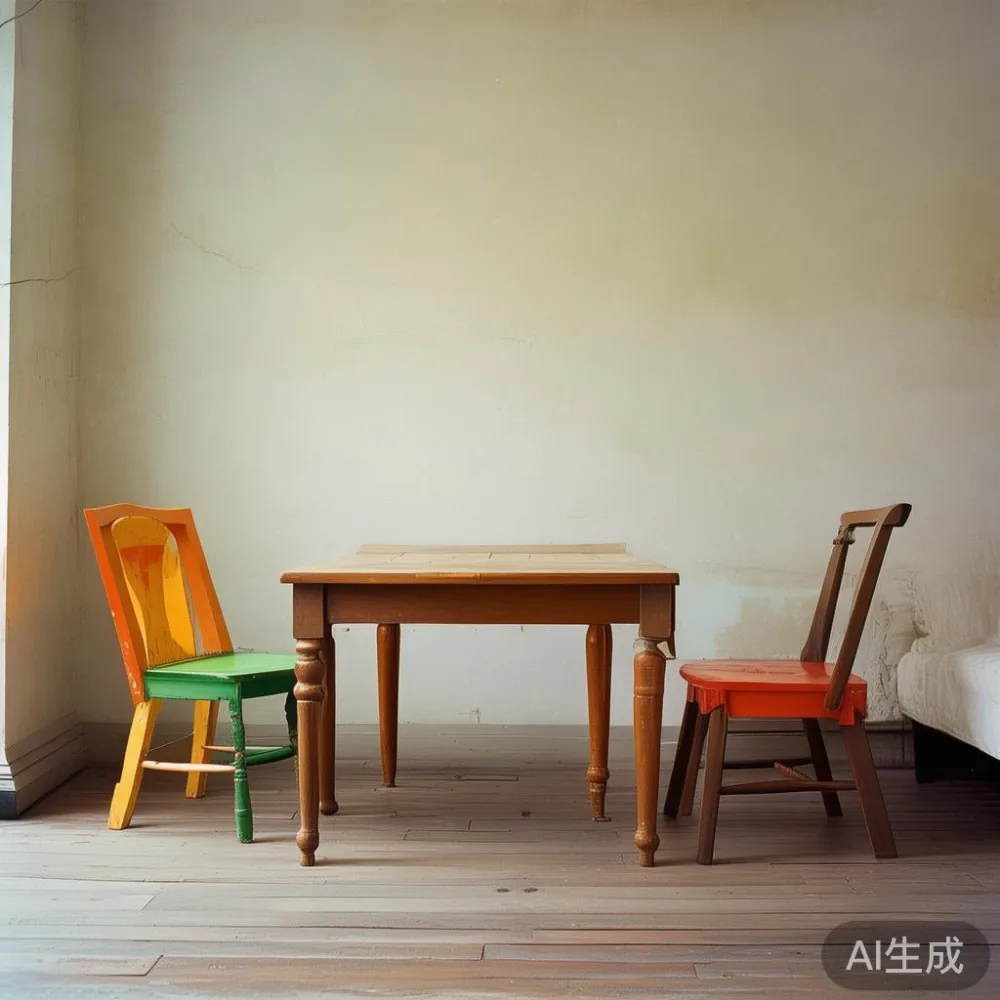
Solid wood furniture in a tropical climate is a living object. It gains moisture during the wet season, loses it when the air-conditioner runs for eight hours, and then settles into a slightly different shade than the showroom sample you picked out. That small shift is what people call a color mismatch — when the wardrobe door looks a shade darker than the side panel, or the dining table top reads warmer than the bench seat. Understanding the physics of that shift is the difference between a bed frame that ages gracefully and a wardrobe that cracks at the joint within eighteen months.
Why Southeast Asian humidity attacks wood furniture differently
Tropical air is wet. Average outdoor relative humidity in Singapore runs between 70% and 82% for most of the year, hitting 88% to 95% during the December to January monsoon surges. Indoor humidity in a non-air-conditioned HDB unit in Bedok or Punggol usually sits between 65% and 78%, even with daily ventilation. Wood, being a hygroscopic material, wants to reach equilibrium with that surrounding air. So a 5 cm thick oak dining table top stored in a 55% RH container in Foshan will, on arrival in a 75% RH Bukit Batok condo, gain roughly 2.4% in moisture content. That sounds small. In practice, it means the top expands about 0.8 mm across its width — enough to push the breadboard ends out of alignment and shift the tone by 5 to 8 points on a recognised colour chart.
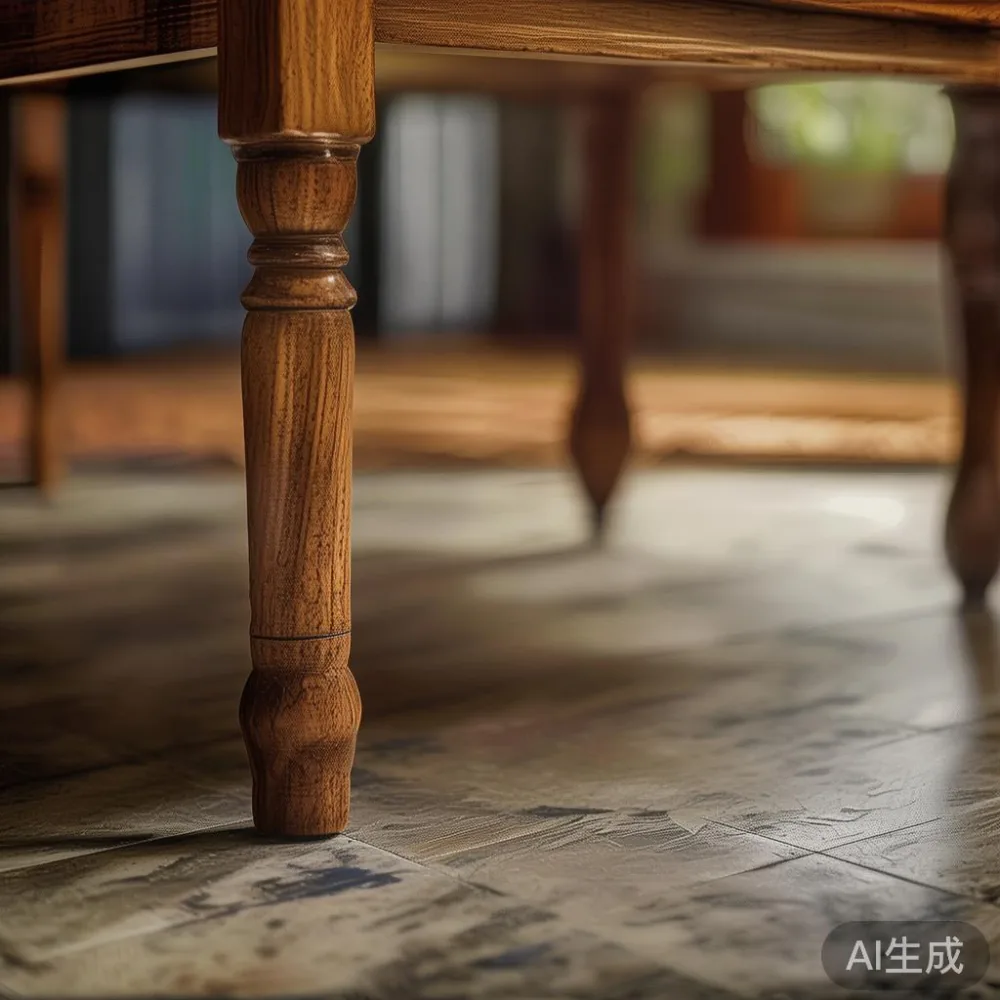
The trouble multiplies when you mix components. A solid wood sofa frame with a fabric-cushion base, a marble table top on a wooden pedestal, and a bed frame with engineered slats will each respond on its own schedule. The marble stays the same; the wood darkens. That is a classic color mismatch — a quarter from different families of material, joined at corners you can see every morning.
Will the color of my solid wood furniture change after six months in my flat?
Yes — the colour will move, and pretending otherwise is how disappointed homeowners end up writing one-star reviews for furniture that is structurally faultless. Three factors drive the shift:
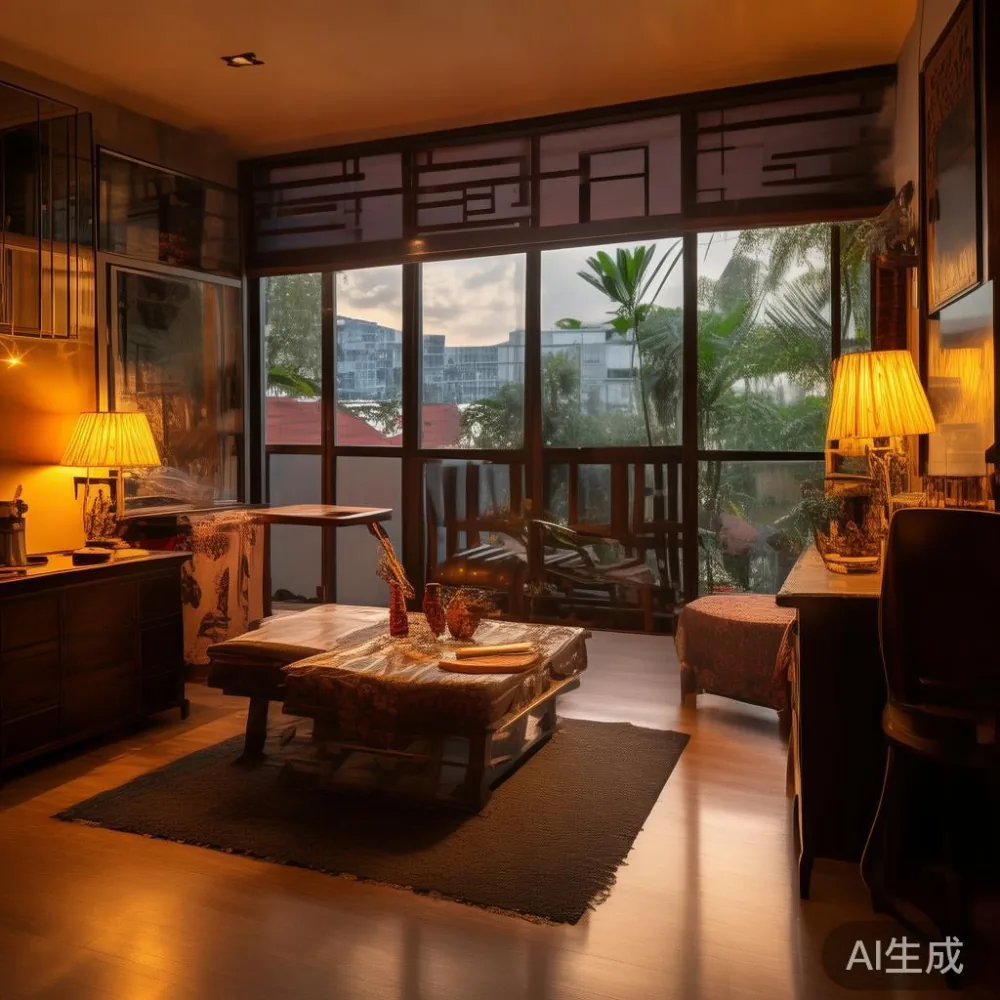
1. UV exposure through glass. Untinted south-facing windows transmit UV at roughly 320 nm to 400 nm. UV breaks down lignin in oak, ash, and walnut. A wardrobe placed 2 m from a windowless interior wall will fade roughly 30% less than the same wardrobe 2 m from a west-facing glass panel. After six months, expect a visible warm tone in sunlit zones and a cooler tone in shaded ones — a textbook color mismatch on a single piece.
2. Oxidation of the surface finish. Hardwax oils and natural oil finishes slowly amber as oxygen reacts with the resin. A danish oil-coated walnut nightstand can deepen by 8 to 12 delta E units in the first 90 days. Lacquered pieces shift less in colour but show dust and micro-cracks sooner.
3. Moisture-driven grain raise. When surface fibres absorb moisture and then dry under the air-conditioner, they reflect light differently. This is the most common color mismatch complaint on dining tables, where owners report the centre of the top reading lighter than the edges.
The fix is not panic. The fix is design literacy: choosing tones that converge rather than fight, ordering sample blocks into the room for 14 days before committing, and accepting that a 4-week "settling-in" period is normal for any new solid wood piece weighing more than 30 kg.
Practical maths: what humidity actually does to the dimensions of your bed frame and wardrobe
Numbers calm nerves. Let us work through two concrete pieces.
A 1.8 m by 2 m solid wood bed frame built from 14 cm wide ash planks, joined at the headboard, is roughly 180 cm wide when assembled at 12% moisture content. At 16% moisture content (typical of a humid Singapore bedroom with the air-conditioner off for 12 hours), each plank swells about 0.6 mm across its width. Fourteen headboard planks add roughly 8 mm to the width. That changes a 180 cm by 200 cm clearance into an 180.8 cm by 200 cm clearance. It will not touch your plaster, but it can push a fitted bedsheet taught at the corners.
A 240 cm tall wardrobe with five solid oak doors, each 45 cm wide, behaves more dramatically. The cumulative expansion across five doors can reach 3 mm. If your installer left a 2 mm gap at install, the doors will rub by the second monsoon season. A seasoned installer in Punggol or Sengkang usually leaves 4 mm to 6 mm of running clearance on wardrobes above 200 cm tall — small numbers that prevent a season-two color mismatch of door panels that simply will not shut.
Marble behaves oppositely. A 120 cm marble table top on a wooden pedestal is dimensionally stable across the humidity range, but the wood frame around it still moves. Expect 1.5 mm to 2 mm of differential movement at the join after six months — enough that a careless designer can produce a color mismatch where the marble appears to sit unevenly on its base.
What about delivery and lift access — and why the HDB lift should be your first design constraint
Singapore's standard HDB lift is 1.1 m deep, 1.4 m wide, and 2.1 m tall in newer BTO blocks at Punggol Northshore, and closer to 80 cm wide by 200 cm tall in older service lifts at Bedok Reservoir. A king-size solid wood bed frame, even broken down, arrives in cartons that often measure 210 cm by 65 cm by 35 cm — three of them, stacked vertically at over 75 kg each. Tip them sideways and they clear the lift. Stand them upright and they bind at the door frame.
MIDHILL's logistics team, working with 14 years of Southeast Asian routing experience, builds flat-pack tolerances of 198 cm maximum carton length for HDB delivery. That single design rule is why a 1.8 m by 2 m solid wood bed frame can reach a 14th-storey corridor in Tampines without forcing the customer to hire an external crane at SGD 280 to SGD 450 per visit. Free shipping over US$350 lands most Singapore orders inside that bracket — even a marble-top dining table for six at SGD 1,290 qualifies without a surcharge.
Corridor width matters too. A 240 cm wardrobe will not corner around a 90-degree corridor turn wider than 110 cm. Measure the turn, not the wardrobe. The fix is sometimes a smaller 200 cm wardrobe, sometimes a side-by-side 120 cm by 120 cm split, sometimes hoisting through a balcony in HDBs with an emergency access hatch. None of these are theoretical. They are the questions my colleague answers on WhatsApp every Friday afternoon for customers in Jurong East and Toa Payoh.
How should I pick a style that hides the inevitable color mismatch?
Three design directions tolerate tropical humidity gracefully, and a fourth fights it.
Direction one — French light luxury. Soft linens, brushed brass, off-white frames, and pale oak. Pale wood shows moisture-driven tone shifts more honestly, but the small 5 to 8 delta E drift reads as patina rather than flaw. A French light luxury dining table in whitewashed ash, paired with a marble table lamp on a sideboard, ages into character rather than chaos. This is the direction I recommend for 4-room BTO flats where the colour palette is already neutral.
Direction two — Japanese and Scandinavian-influenced lines. For Singaporeans working out where to place an ash bed frame against a beige wall, less ornamentation means fewer corners to misalign. If you are exploring how to style Japanese sofa in bedroom, think low platform, single-tone cushion, and a single shelf. A futon-style daybed in solid ash with a 14 cm clearance under the frame survives humidity shifts without visible binding because the form itself absorbs the change.
Direction three — Post-modern light luxury. Bolder shapes, mixed materials, deliberate asymmetry. A postmodern dining table that intentionally pairs two wood tones side by side uses a 5 to 8 delta E drift as a feature, not a bug. Customers who already read about the top 10 Post-modern furniture picks on design blogs often pick pieces that gracefully absorb the mismatch as part of their narrative.
Direction four — avoid. Uniform high-gloss lacquered wardrobes in a single tone, placed against a single-tone feature wall in a west-facing room. This is the formula that produces the loudest color mismatch complaints within the first 12 months.
For buyers interested in how to style Japanese sofa in bedroom layouts, the rule is simple: keep wood tone within a 4-point range across the entire room, and let the air-conditioner run a dehumidify cycle one hour before bedtime.
What does a real Southeast Asian wood-care routine look like in week one, month one, and year one?
Most customers I speak with in Tampines and Bukit Panjang have never been told a maintenance rhythm. Here is the rhythm that works.
Week one. Let the furniture sit in the room for 72 hours before final placement. The carton absorbs residual humidity. Open the cartons, leave the foam off, run the air-conditioner at 24 degrees celsius with dehumidify mode for six hours a day. Wipe with a dry microfibre cloth, never a wet one.
Month one. Apply a single coat of feed-n-wax or hardwax oil on horizontal surfaces only — dining table, nightstand, marble table surrounds. Vertical panels do not need it yet. Re-check hinge alignment on wardrobes. Tighten the European-style adjustable hinges by a quarter turn if the door has begun to rub.
Year one. Schedule a professional refinishing if the piece came with a lifetime refinishing warranty. A light sanding and re-oiling once every 18 months keeps the colour drift inside a 3-point range and resets the surface against lignin breakdown. A 10-year structural warranty on the bed frame joints is meaningless if you skip this step and let the wood dry to 6% moisture content under sustained air-conditioning, because then the joints themselves can micro-fracture from the inside.
Customers who treat their solid wood pieces this way report almost zero color mismatch after year one. Customers who treat the furniture as maintenance-free report it in month four.
Returns, GST, and the practical side of buying solid wood from overseas
Buying a solid wood sofa, bed frame, or wardrobe from a Foshan maker into Singapore means paying 9% GST on the landed value above the SGD 400 personal relief threshold. For a SGD 2,200 dining set, that is roughly SGD 198 of GST — built into the invoice before delivery. A 14-day return window covers the obvious case: the wardrobe arrives damaged or the wrong size. It does not cover the case where the colour drifts 6 points in 90 days. Set expectations before the first swipe of the credit card.
The brand's local agent, MIDHILL, handles Singapore and Malaysia deliveries through a regional warehouse in Tuas, which cuts the average door-to-door transit from 32 days to 14 days on stocked SKUs. Custom orders from Foshan still take 28 to 35 days, but they ship under moisture-barrier wrap and arrive in temperature-controlled 20 ft containers to minimise the color mismatch risk during transit itself. Order lead-time, transit time, and HDB lift constraints should be planned together, not separately.
For buyers also considering American light luxury or Italian light luxury for hotel projects and show suites, the same physics applies. Hotel-grade pieces in both traditions tolerate humidity well because the joinery allowances are deliberately oversized. Residential pieces, marketed as light luxury for guest room and primary bedroom at the same time, occasionally under-build their joinery to look cleaner. Ask the supplier to confirm the running clearance on every door, drawer, and breadboard end before paying the deposit.
Where the design conversation sits in 2026
Talking to interior stylists across the region in the past 90 days, three currents are worth noting for 2026.
Search traffic suggests buyers looking up the best Modern light luxury sofa for 2026 want forgiving silhouettes: rolled arms, deep seats, and removable cushion covers that can be washed between monsoon seasons. Search traffic around the top 10 Mid-century modern furniture pieces continues to climb, partly because mid-century walnut and teak finishes age honestly under UV — a tone drift that reads as richness, not flaw. And the buyers searching for Italian light luxury for hotel specs are pushing suppliers like MIDHILL toward tighter tolerances on marble table joinery while keeping the wood joinery deliberately loose.
None of this is theoretical. The customers I speak with weekly want three things, in order: a piece that fits their lift, a piece that holds its colour, and a piece that can be refinished rather than replaced when the colour finally drifts. The physics cannot be defeated. It can be designed for.
Quick checklist for your HDB or condo purchase
Measure your lift door at three points: top, middle, bottom. Older service lifts in Bedok and Marine Parade often measure 78 cm at the bottom and 81 cm at the top. Order the largest carton smaller than the narrowest reading. Order sample blocks, not just photos. Leave samples in the room for 14 days through at least one weather shift. Confirm with the seller that breadboard ends and door panels have explicit clearance numbers in writing — typically 4 mm to 6 mm on wardrobes above 200 cm. Buy with GST-inclusive pricing to the door, not pre-tax mystification. Plan for one professional refinishing in month 18, included if the piece carries a lifetime refinishing warranty.
Solid wood in Singapore is not a hard purchase. It is a partnership with the climate. Pick a supplier that treats humidity as a design input rather than an afterthought, and the color mismatch quietly becomes patina instead of complaint.