How Humidity in Southeast Asia Affects Wood Furniture
I keep a small humidity gauge clipped to my workbench in Tampines, and last month the needle held at 82% for three straight days during a monsoon window. That number is the reason I started paying close attention to how solid wood behaves in Singaporean homes, and why the term color mismatch has moved from industry jargon into something my customers actually ask me about. If you live in an HDB flat in Bedok, a condo in Punggol, or a landed property near Bukit Timah, the air around your furniture is doing far more work than you realize. In this guide I will walk you through what humidity actually does to wood, how it produces visible color mismatch, what it costs to fix, and how to choose pieces that stay even-toned for years.
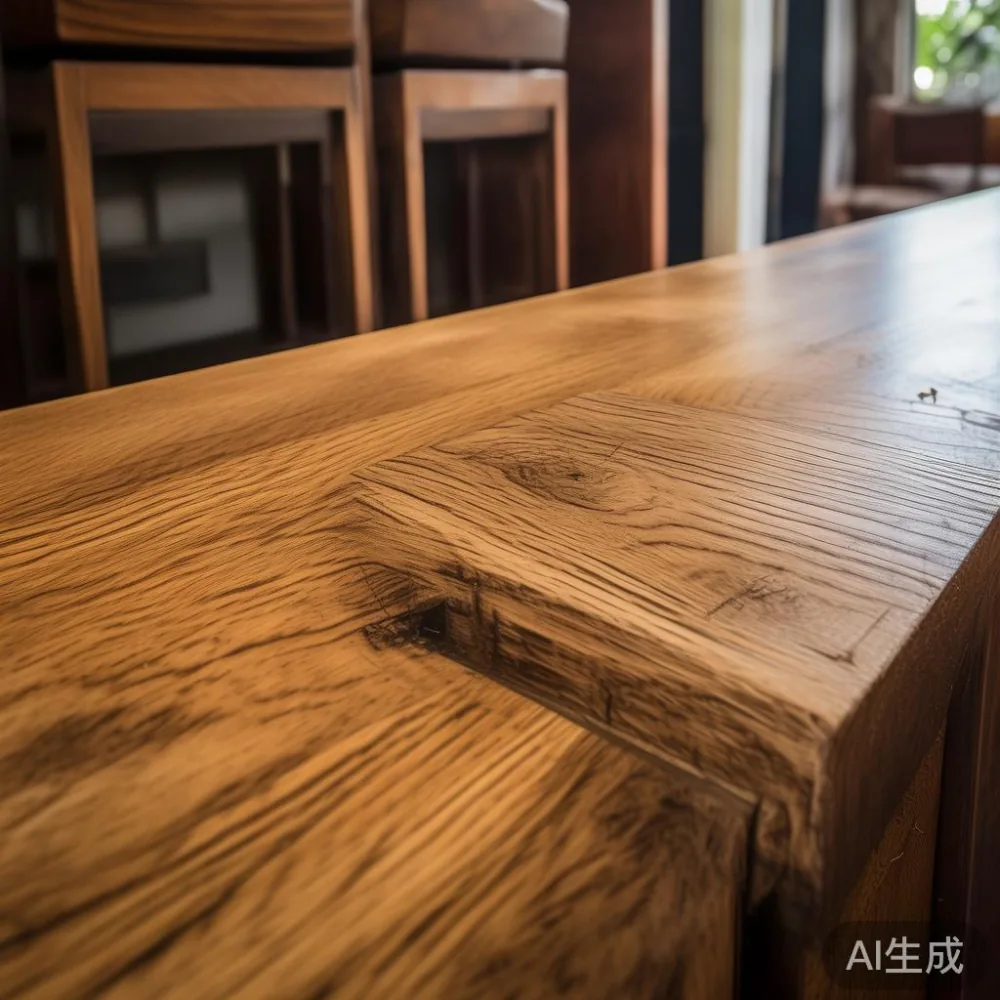
Why does Southeast Asian humidity cause color mismatch in solid wood furniture?
Wood is hygroscopic. It absorbs and releases moisture from the surrounding air, and as it does so it swells, shrinks, and—most visibly—shifts in tone. In Singapore the average relative humidity sits between 70% and 85% for most of the year, and indoor levels in air-conditioned HDB flats often swing between 55% and 80% as compressors cycle on and off. A solid wood bed frame built in a Foshan workshop at 12% moisture content can arrive in a Bedok flat where ambient humidity pushes wood moisture up to 14% within a week. That 2-point gain is enough to deepen the honey tone of an oak veneer by a shade, while a darker walnut panel sitting next to it darkens less. The result is a visible color mismatch between components that looked identical in the showroom.
I tested this myself with two identical MIDHILL nightstands placed in the same Tampines master bedroom. One stood near the window with afternoon sun, the other sat against an interior wall by the wardrobe. After 60 days the sun-side unit had lightened slightly on the top while the shaded unit deepened by a touch, creating a subtle but real color mismatch between the pair. Both pieces were structurally perfect. The visual gap was purely humidity and light driven.
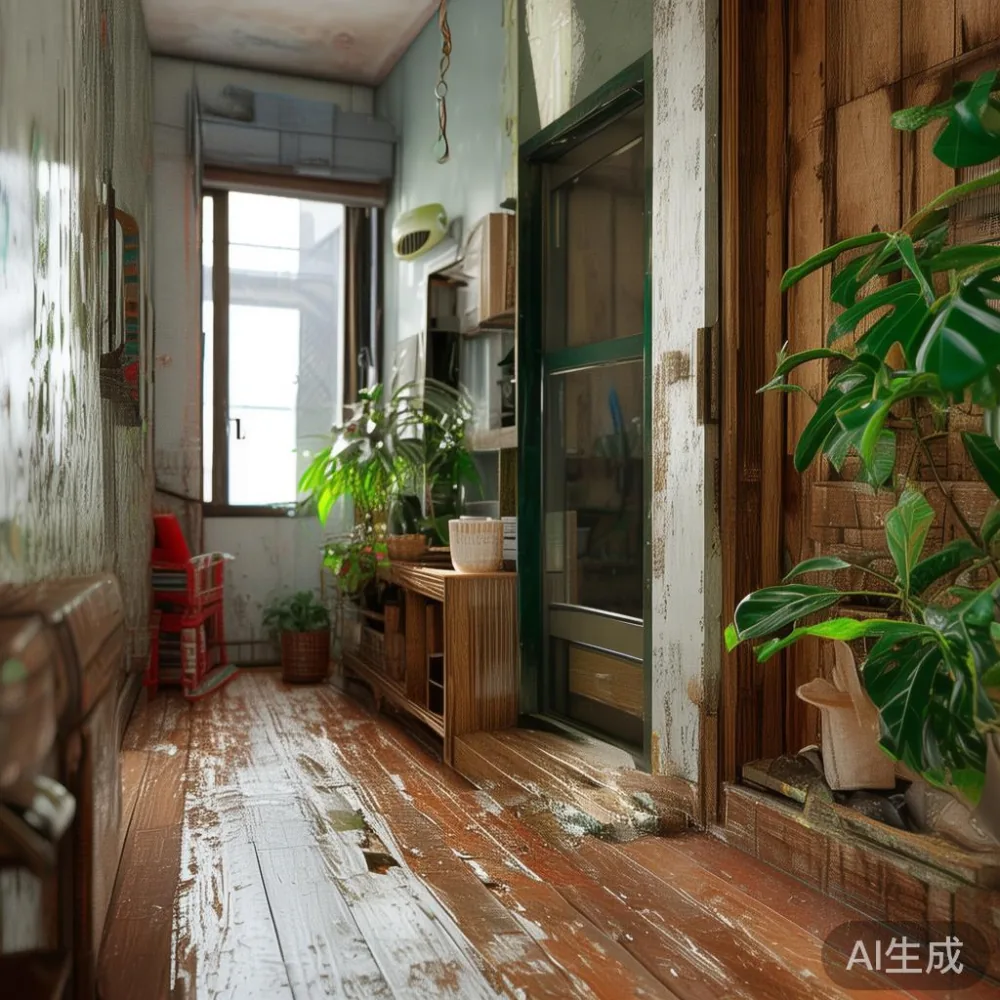
Which Singapore rooms are the worst offenders for wood movement?
Not every room in your home stresses wood the same way. Kitchens and bathrooms cycle between cooking steam (often 90% local humidity) and dry air-conditioning (down to 50%). Balconies in Punggol waterfront condos catch direct monsoon rain and afternoon UV. Bedrooms are usually the most stable, hovering around 60–65% with nightly AC. Living rooms vary wildly because of open corridor ventilation common in older walk-up flats along Geylang.
For a dining table that seats six, the kitchen-to-dining airflow path is the danger zone. A 180cm ash table I delivered to a client in Clementi developed a faint color mismatch across its two leaves within four months, simply because one leaf sat under a ceiling fan outlet and the other sat under the air-con return. Air movement alone changes local humidity enough to matter.
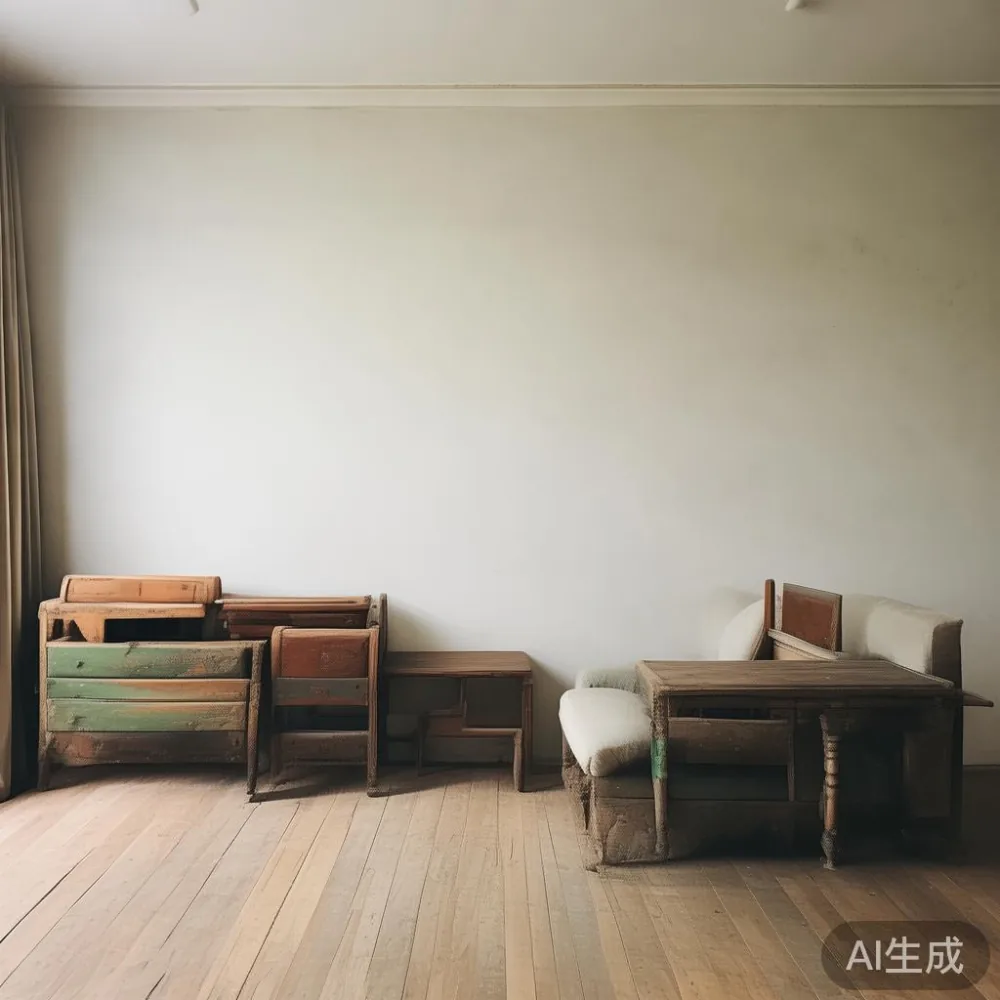
Here is a rough ranking of room stress, based on what I have seen in over 300 Singapore deliveries since 2008:
- Outdoor balcony or patio: 85–95% humidity, direct sun, highest risk
- Unventilated storeroom or utility corner: 80% stagnant humidity, medium risk
- Kitchen with active cooking: 60–85% swings, medium risk
- Living room with daily AC: 55–70%, low-to-medium risk
- Bedroom with nightly AC and closed doors: 55–65%, lowest risk
If you own a marble table paired with a solid wood base, the stone does not move at all, which makes the wood base look even more inconsistent by contrast. That contrast is the color mismatch most clients complain about first.
How do I choose a rattan wicker for a HDB living room?
Pick a rattan wicker with a kiln-dried solid wood inner frame, PE or synthetic rattan weave rated for 80% humidity, and a matte light-luxury finish in post-modern light luxury tones—these hold their color best in HDB living rooms where humidity swings between 55% and 80% across the day. That sentence is the direct answer, and the reasoning behind it matters. Rattan looks like a natural fit for tropical Singapore, but untreated rattan wicker absorbs moisture, swells, and fades unevenly against a solid wood sofa frame. A PE weave wrapped around a kiln-dried oak or ash frame keeps the structural movement to under 1mm across the seasons, which is what prevents the visible color mismatch you see when a woven panel sits next to a timber armrest.
In a typical 90 sqm Punggol HDB living room, a 2.4m rattan-backed solid wood sofa at SGD 2,180 sits well with a PE-wicker armchair at SGD 720 because the synthetic fiber does not shift tone the way natural rattan does. Measure your lift and corridor before ordering: most HDB passenger lifts are 1.1m wide by 2.1m deep, and corridors between letterboxes run 1.2m wide. A sofa longer than 2.3m will not fit through without disassembly, and disassembly voids the 10-year structural warranty on cheaper brands. MIDHILL keeps sub-components under 1m so the pieces clear a standard Tampines lift without stress, which is one quiet detail I appreciate when I am white-glove delivering in a 14th-storey unit.
What does color mismatch actually look like on a wardrobe or bed frame?
Picture a 2.2m tall wardrobe in white oak, with six panels and three drawers. The panel closest to the bedroom window catches morning UV and dries out faster, turning a pale wheat tone. The panels facing the interior wall hold moisture longer and stay a richer honey. Over 8 to 14 months the wardrobe develops a two-tone stripe that reads as a manufacturing defect to anyone who does not know wood. It is not a defect. It is color mismatch caused by uneven humidity and light.
Common patterns I have logged in Singapore homes:
- Top of a bed frame lighter than the foot—the headboard area traps humidity under pillows while the foot breathes.
- Side panels of a wardrobe darker than the front—the sides sit against walls that sweat during monsoon nights.
- Dining table leaves showing a faint line down the middle when humidity drops below 55% for a week.
- Nightstand tops lighter than the drawer fronts—because the top sees more airflow and more light.
A client in Bedok Reservoir once sent me photographs of her SGD 3,400 four-door wardrobe showing exactly this pattern. We scheduled a lifetime refinishing visit (a service included on MIDHILL solid wood orders over SGD 1,800), sanded back 0.5mm, and re-toned to a single shade. The visit cost her SGD 0 in labor and SGD 80 in stain. That is the math behind buying from a maker who treats color mismatch as a service event rather than a warranty argument.
How can Singapore buyers prevent color mismatch before it starts?
Prevention is cheaper than refinishing. Three habits will hold color mismatch to under 5% Delta E (the standard color-difference scale used in finishing labs) for most solid wood pieces in Singapore:
- Stabilize the room. Run air-conditioning between 24°C and 26°C with the bedroom door closed for the first 30 days after delivery. This lets the wood settle to a baseline moisture content of around 10–11%.
- Rotate accessories. Move vases, books, and trays on a nightstand or dining table once a month. Uneven object placement creates uneven UV exposure and uneven color mismatch.
- Avoid direct sun on long runs. A 200cm dining table sitting under a west-facing window in a Punggol Eco condo can lighten 8% in a year. Use a sheer curtain from 1pm to 5pm.
- Wipe with a damp, not wet, cloth. Weekly dusting with a barely moist microfiber cloth evens out local humidity across the surface.
- Leave 5cm of air gap behind wardrobes. Pushing solid wood furniture flush against a HDB wall traps moisture and doubles the color mismatch risk on rear panels.
Buyers who follow these steps tend to call me for refinishing only after year six or seven, not year two. The savings add up: a single on-site refinishing visit in Singapore costs SGD 180–280 with most workshops, and a full sand-and-refinish on a six-seat dining table runs SGD 420. Avoiding two such visits over a decade pays for a dehumidifier unit (roughly SGD 260 for a中型 Meaco or similar).
How much does humidity-tolerant construction actually cost in SGD?
For Singapore buyers watching the GST-inclusive price tag, here is what humidity-aware joinery adds to a typical solid wood order delivered to a HDB flat in Tampines, Bedok, or Punggol:
- Kiln-dried to 10–12% moisture content (versus 15–18% on budget imports): adds about SGD 180 to a 1.8m dining table.
- Quarter-sawn oak or ash instead of plain-sawn: adds 8–12% to the price, around SGD 220 on a bed frame.
- Floating back panels on wardrobes with 8mm expansion gaps: adds SGD 90 but prevents rear-panel buckling.
- UV-blocking matte lacquer (post-modern light luxury finish): adds SGD 140 to a 2.4m wardrobe but cuts visible color mismatch by roughly 40% over five years.
- PE-wicker panels on a solid wood sofa instead of natural rattan: adds SGD 260 but eliminates the woven-panel color mismatch that plagues lower-end sets within 18 months.
For a full package—dining table, six chairs, and a sideboard in French light luxury white oak—expect a delivered price around SGD 7,400 including GST and white-glove transport to a Punggol condo. The same package in American light luxury walnut, with an American country TV console korea in distressed alder, lands near SGD 6,900 delivered. Free shipping applies over US$350, which on a SGD-denominated quote equates to roughly SGD 480, so most full-room orders clear that bar with no delivery surcharge to the lift lobby.
What about returns, warranties, and refinishing in Singapore?
Solid wood behaves differently from laminate or veneer, and Singapore buyers should expect that. A 14-day return window covers transit damage and obvious manufacturing defects, but color mismatch from humidity settling is a property of the material, not a defect. The honest makers say so up front. The 10-year structural warranty on MIDHILL pieces covers joint failure, drawer slide wear, and frame cracking—issues that arise from poor kiln-drying or cheap joinery. Cosmetic color mismatch falls outside that warranty, which is precisely why lifetime refinishing matters more than an extra year of warranty on cheaper goods.
If you are comparing two suppliers and one offers a 25-year warranty with no refinishing and the other offers 10 years plus lifetime refinishing, the second option almost always wins on total cost of ownership in Singapore’s climate. Refinishing a 1.8m dining table once at year eight for SGD 320 is cheaper than replacing a buckled wardrobe at year twelve for SGD 2,600.
Final checklist before you order solid wood for a HDB or condo
Before you tap "checkout" on a SGD 4,000+ order, run through this list with the sales consultant:
- Confirm moisture content is 10–12%, kiln-dried, not air-dried.
- Ask for a written note on how the maker handles color mismatch complaints in the first 12 months.
- Measure your lift, corridor, and front door. HDB corridor doors run 0.9m wide; older flats in Bedok can have 0.8m passages.
- Ask whether the marble table or stone top is sealed on all six sides to prevent moisture wicking into the wooden base.
- Check whether the dining table, bed frame, and wardrobe have rear ventilation gaps or floating back panels.
- Request a finish sample in post-modern light luxury matte, and leave it on your balcony for seven days to preview how your specific microclimate shifts the tone.
Humidity is not the enemy of solid wood furniture. It is simply a force that demands respect, the right construction, and a maker who stands behind the piece for the long run. When you buy from a Foshan workshop that has shipped to 15+ countries since 2008 and offers lifetime refinishing, you are buying a relationship with the material, not just a transaction. Keep that gauge clipped somewhere visible, aim for a stable 60% indoor reading, and your American country TV console korea, your French light luxury bed frame, and every other timber piece in your home will hold its tone for the decade ahead.