How to Match Solid Wood Furniture to a Warm Minimal Interior in Singapore
I still remember the afternoon I visited a friend's new 990-sqft condo in Punggol. She had spent S$4,200 on a glossy lacquered dining set, and the pieces sat in her living room looking like they had been teleported from a different apartment. The colour was cold. The finish was loud. Against her warm beige walls and oak-toned floor, every chair screamed. Within thirty days she had listed the set on Carousell at a loss and replaced it with a quieter solid wood dining table in a warm oak veneer. The lesson was simple and it shapes everything I will say below: colour mismatch is the number-one reason a warm minimal interior falls flat, and the fix almost always starts with the wood tone you bring in, not the wall paint you change.
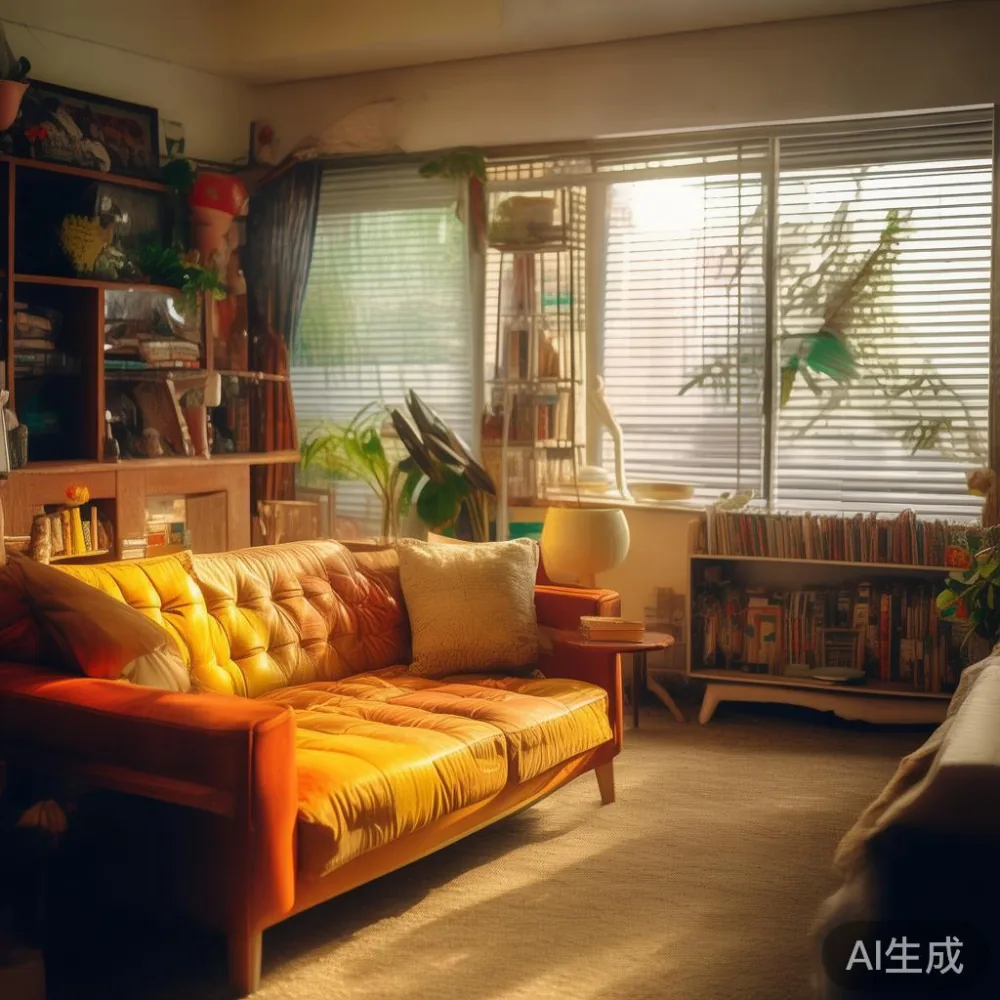
Why colour mismatch wrecks a warm minimal interior
Warm minimalism is a narrow register. You are trying to hold three or four cream shades, two wood tones, and one accent. The moment a furniture piece drifts toward grey, jet black, or honey-orange pine, the room breaks. I see it constantly in Tampines and Bedok flats where the developer tone is already a cool, slightly grey-beige. A charcoal-grey laminate wardrobe will fight the floor. A reddish mahogany bed frame will fight the sofa. A pure-white marble table with grey veins will look clinical against a warm rattan pendant. None of these pieces is bad on its own. The colour mismatch is the problem, and it shows up the loudest in compact HDB layouts because every piece of furniture is in the same sightline from the front door.
Map your floor tone before you spend a single dollar
Pull up a sample of your floor or hold a white card next to it. Is the undertone yellow, red, or grey? Most Singapore condos ship with one of three warm-neutral palettes: yellow-oak laminate (common in Punggol Northshore units), red-toned timber-look vinyl (older Bedok blocks), or grey-washed engineered wood (newer launches around the Tampines West region). Write it down. Now match your solid wood sofa, bed frame, and dining table to that undertone family, not to a Pinterest image. A pale oak or ash solid wood piece will sit cleanly on yellow-oak floors. A warm walnut solid wood bed frame will absorb the red undertone in older vinyl floors and look intentional instead of accidental. A honey-toned cherry is almost always a mistake in modern HDB flats because it pushes the palette into 1990s territory and exaggerates the colour mismatch between old flooring and new upper floors in resale flats.
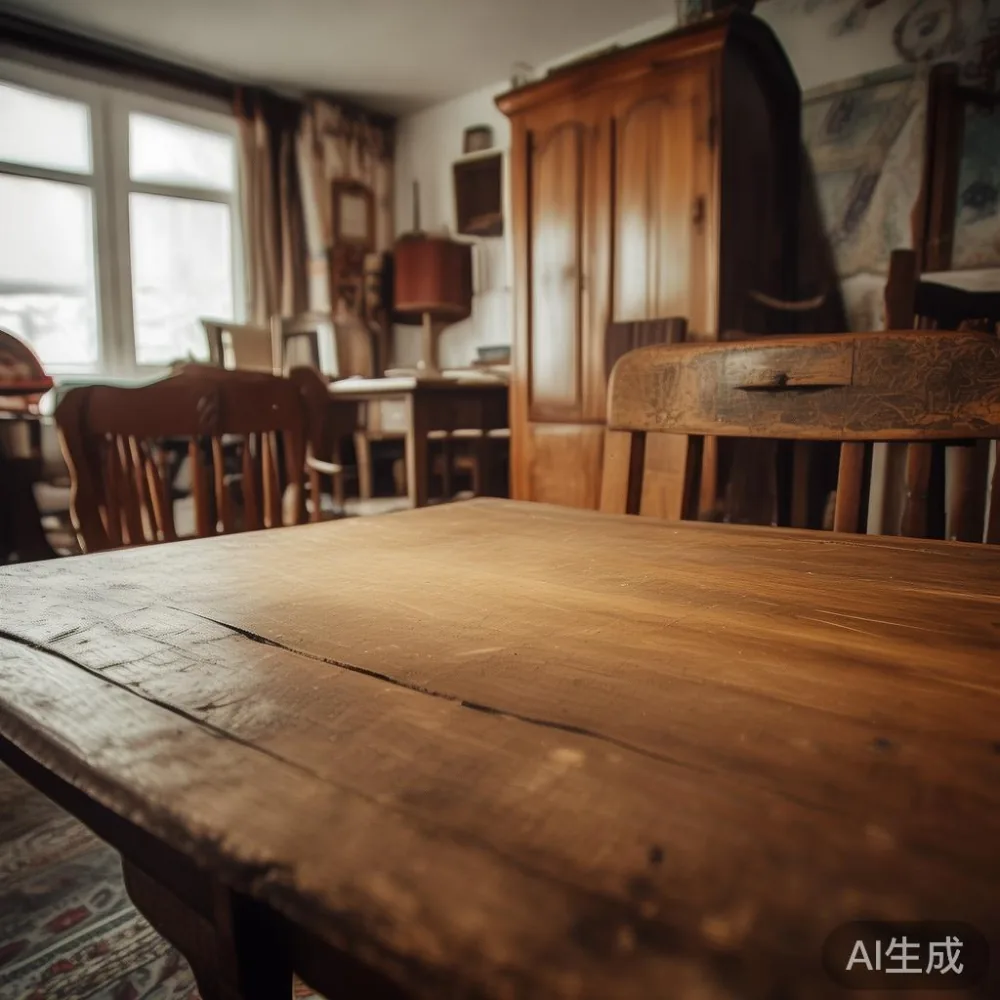
How do you match wood tones across a sofa, bed frame, and dining table without buying a set?
Stick to two wood families in one room and pick one of them for the hero piece. In a 1,200-sqft Punggol condo I worked on last month, the homeowner wanted a solid wood sofa in light oak, a bed frame in a slightly darker oak, and a dining table in walnut. The trick was ordering actual swatches: 12 cm × 12 cm samples taped to the floor for 48 hours under both daylight and 4000K LED, because LED strips sold on Lazada for S$18 a metre often run cool and distort colour at night. Light oak and walnut sit about three steps apart on the warm-wood spectrum, and that gap is wide enough to read as intentional, narrow enough to avoid a visible colour mismatch. Avoid mixing more than two families. Oak + walnut works. Oak + mahogany does not. Walnut + black ash does not. If you must introduce a third tone, do it through a textile, not another furniture piece.
Is American bed furniture worth it for a Singapore HDB?
Yes, American bed furniture is worth it for a Singapore HDB if your priority is a solid wood construction and you accept a wider footprint than a local divan. American light luxury is the specific subset I recommend to clients who want a warm minimal interior: think tapered walnut legs, low platform profiles between 28 cm and 35 cm off the floor, and headboards upholstered in linen-blend fabric in oat or stone shades. These pieces are typically 190 cm long for a queen, which fits a standard Singapore bedroom wall of 2.7 m to 3.2 m with room for a 50 cm nightstand on each side. For a condo looking specifically for a European queen bed for condo layouts, the sizing math is even friendlier: a European queen at 160 × 200 cm leaves 80 cm of breathing room on either side of a 3.2 m wall, which is the clearance recommended for making a bed without bumping the wardrobe. The honest caveat is weight: a solid American-style bed frame with a 4 cm thick slatted base can weigh 60 kg to 75 kg. Check your lift door width. In newer Punggol blocks the lift car is 1.1 m wide and 2.1 m deep, and the box spring plus frame in flat-pack form should clear it. In older Bedok blocks with 0.9 m lift doors, request the disassembled delivery in two boxes under 35 kg each. A S$120 delivery surcharge for split cartons is cheaper than a rejected delivery on day three.
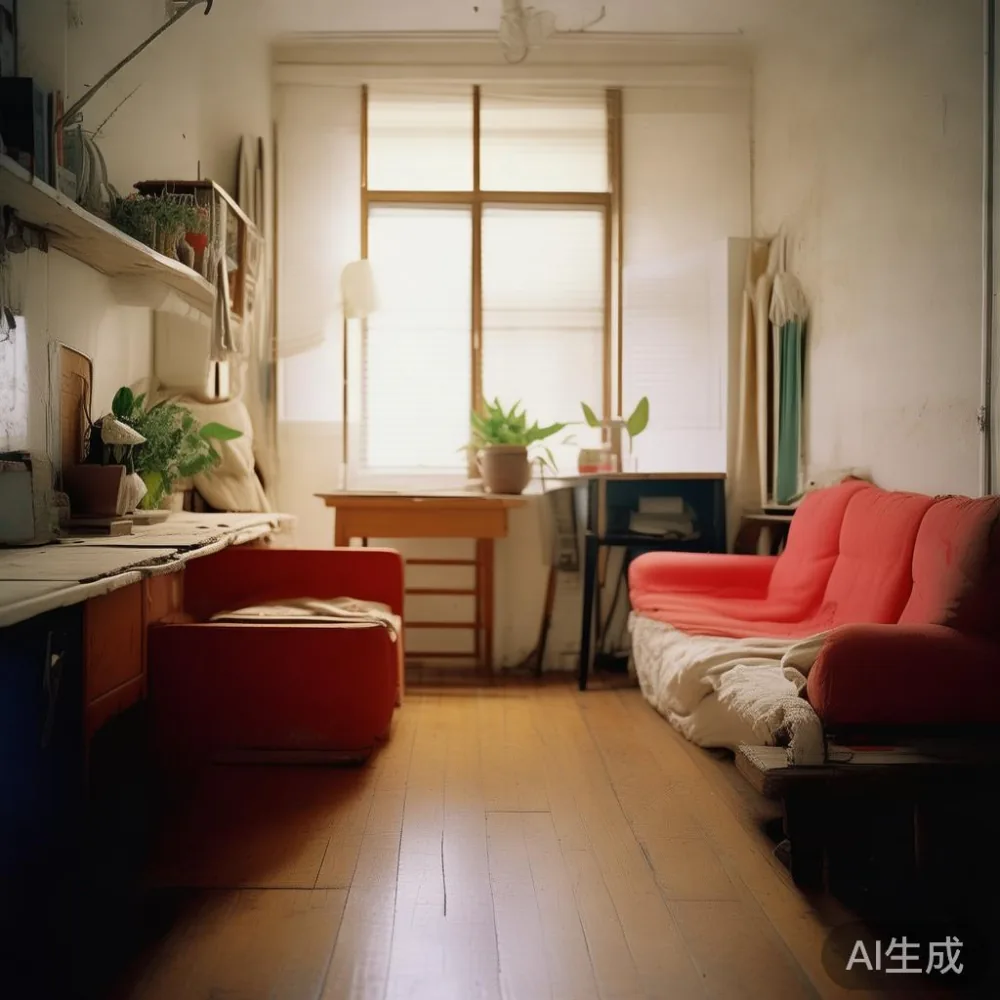
Marble tables and the warm minimal trap
Marble is the most common colour mismatch source after wood. A Carrara marble table looks cool, sharp, and slightly grey. In a warm minimal interior it will always read as a foreign object unless you balance it with a warm-wood base. Two patterns work: (1) a warm-grey marble with a walnut or oak base, where the wood does most of the warm-tone work and the marble becomes a quiet surface, or (2) a Crema Marfil or beige marble with veining in soft gold or rust, paired with brushed brass hardware. Both patterns avoid the cold-clinic look. Solid wood table bases also weigh less than stone plinths by 12 kg to 18 kg, which matters when your floor loading limit in an HDB is 150 kg per square metre for a heavy static point load. Avoid the all-white marble table with grey veins unless your walls are at least a warm putty or clay tone. The grey will pull the room cold and the colour mismatch between stone and floor will be the first thing every guest notices.
Wardrobes, nightstands, and the two-tone rule
A floor-to-ceiling wardrobe in a warm minimal interior should disappear. Three ways to make it disappear: (a) match the door finish to the wall paint within 5 percent of the colour value, (b) use the same wood tone as the bed frame so the eye reads them as one piece, or (c) recess it between two walls and finish the doors in a warm cane or ribbed oak veneer. For nightstands, keep them low. A nightstand taller than the mattress top by more than 8 cm looks heavy and breaks the horizontal line of the bed. 55 cm to 60 cm total height is the sweet spot for a 28 cm platform bed frame, and a 40 cm to 45 cm wide top is enough for a 30 cm table lamp and a phone. Solid wood nightstands in the same tone as the bed frame prevent another colour mismatch and cost less than many people expect: factory-direct pieces from a Foshan workshop with a 10-year structural warranty typically land between S$280 and S$520 per pair, including shipping over the S$350 free-shipping threshold and a 14-day return window if the finish does not match the swatch you taped to the wall.
Singapore-specific numbers that change the buying decision
Delivery lead times from a Foshan factory door to a Tampines flat door run 28 to 42 days by sea freight, plus 7 to 10 days for last-mile white-glove handling. GST is 9 percent on the landed value as of 2024, and the rate is included in the invoice you see at checkout. A complete warm-minimal living room package (solid wood sofa 220 cm, solid wood coffee table 120 cm, marble side table 50 cm, dining table 180 × 90 cm with six chairs) typically lands between S$4,800 and S$7,200 landed, depending on the marble selection and the chair upholstery. A complete bedroom package (American-style bed frame queen, two wardrobes 180 cm × 60 cm × 220 cm, two nightstands) typically lands between S$3,400 and S$5,100 landed. Refinishing a piece once every 8 to 10 years will cost roughly 18 to 22 percent of the original piece price when a workshop offers lifetime refinishing as part of the purchase. Over 20 years, that single perk saves a four-piece set roughly S$1,800 in replacement value.
The 30-minute colour-mismatch audit
Take photos of your floor, walls, and current furniture on a partly sunny day between 11 am and 2 pm with no flash. Open the photos on your phone, increase brightness to 70 percent, and look for two failure modes: (1) two pieces in the same room whose wood tones are more than four shades apart on a standard warm-cool wood scale, and (2) any piece whose undertone is the opposite of your floor undertone. Either of those is a colour mismatch you can fix by swapping the piece, restaining the top, or moving it to a different room. A wardrobe you cannot easily move can be re-veneered in a warm cane finish for roughly S$90 to S$140 per square metre, which is cheaper than replacing a 2.2 m tall unit. Last month I watched a client in a 1,050-sqft Bedok resale flat apply it to three pieces in one afternoon, and the colour mismatch that had bothered her for a year disappeared before dinner. The room looked warmer, larger, and quieter without repainting a single wall or changing a single bulb.
Where MIDHILL fits in a warm minimal HDB
The reason I keep steering clients toward factory-direct solid wood makers like MIDHILL is the swatch discipline. MIDHILL sends physical 10 cm × 10 cm samples before production, which is the single most useful tool for preventing colour mismatch in a Singapore home where the lighting in the showroom, the lighting in the container, and the lighting in your HDB flat are three different colour temperatures. MIDHILL also offers free refinishing once after the first three years for any piece in the line, and a 10-year structural warranty that covers joint separation, drawer-rail failure, and slat cracking. For a Punggol or Bedok buyer who cannot afford a S$600 in-home colour consult, that swatch-plus-refinish package is the practical path to a warm minimal interior that holds together past the first six months.
What to do this week if you are starting from scratch
Pick your floor tone family first. Pick your hero wood second (oak, ash, walnut, or teak). Pick your hero piece third (usually the dining table or the bed frame, whichever sits in the most visible sightline). Order 10 cm × 10 cm swatches in two wood tones and one marble pattern. Tape them to the floor and the wall for 48 hours. Buy the hero piece in the wood tone that survives both light conditions. Build the rest of the room around that one tone, holding the second tone for textiles and accent objects only. Keep your marble count to one surface per room. Keep your wardrobe, nightstands, and bed frame within one wood family. Resist the urge to add a third wood tone in the first year. A room that ships with two wood families, one marble, three textiles, and four wall colours is a warm minimal interior that photographs cleanly, ages quietly, and avoids the colour mismatch that sends most Singapore HDB flat packages back to the workshop within 90 days.