How to Match Furniture to a Warm Minimal Interior Without a Color Mismatch
A warm minimal interior can look calm, spacious and expensive without buying every large piece in the same shade. The harder task is balancing warmth with visual restraint: pale walls, clean lines and carefully edited accessories still need furniture with enough depth to prevent the room from feeling sterile. In Singapore HDB flats and condos, that balance matters because natural light changes through the day, nearby blocks can cast cool grey reflections, and narrow lift corridors make large mismatched pieces harder to recover from.

The answer begins with measuring the room, understanding its light, and setting one wood direction before choosing individual finishes. Solid wood offers a useful advantage here because grain, tone and proportion can carry more character than a flat colour. It also means a small color mismatch is not automatically a mistake; it can become deliberate contrast if it is repeated through at least two other items.
At MIDHILL, we make solid wood furniture for warm, edited homes, including solid wood sofas, bed frames, dining tables, wardrobes, nightstands and marble tables. The practical advice below focuses on how those pieces work together in East Asian urban interiors, where space planning is as important as colour matching.
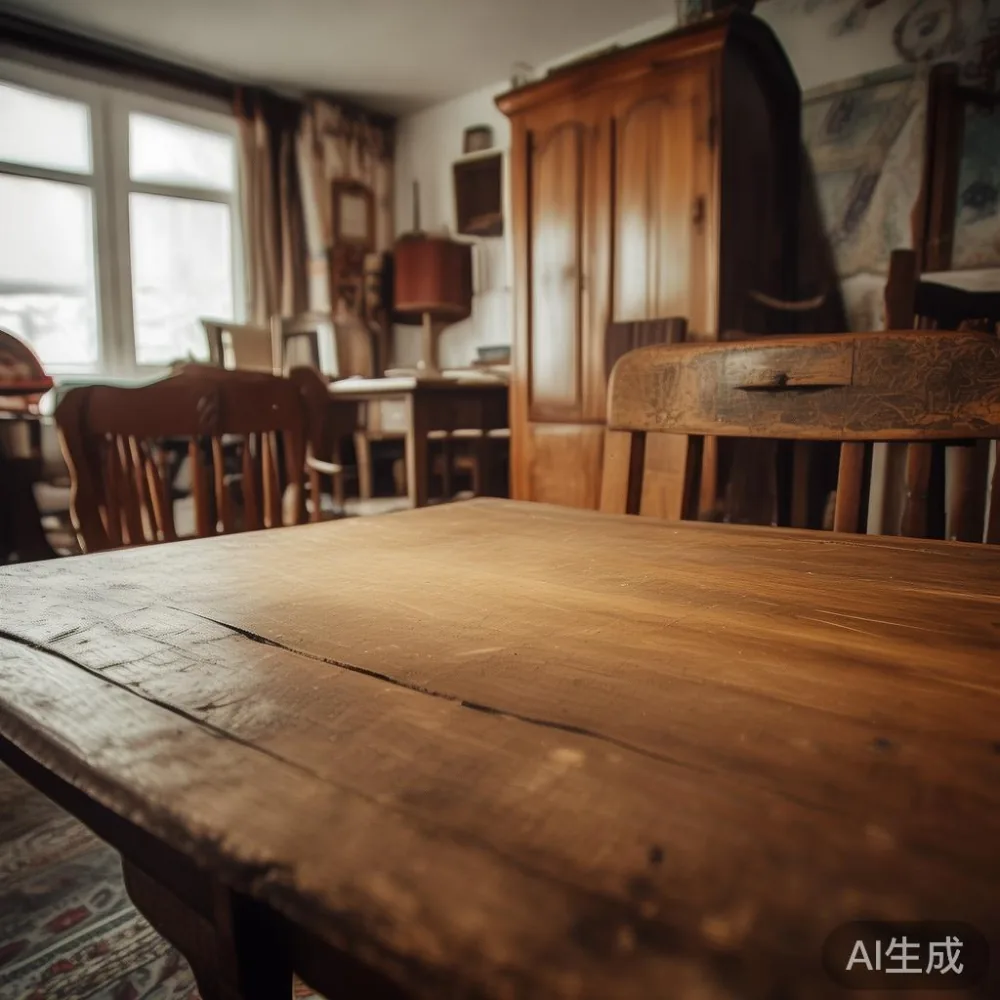
What makes a warm minimal interior work with solid wood?
Warm minimalism is not an empty room. It is a room with fewer objects, stronger proportions and a controlled range of colours. Three finishes usually provide the foundation: warm white or off-white for walls, a pale neutral for upholstery and curtains, and one grounded wood tone for the principal furniture. This gives the eye somewhere to rest without making every item compete.
For the main timber, consider light oak, ash, beech, teak or a muted walnut. Light oak and ash suit compact HDB living rooms because their pale grain blends with cream walls. Teak suits Bedok and Tampines homes that receive strong afternoon sun, while walnut can work well in a Punggol condo with darker flooring or charcoal stone. The colour on a small 30 cm sample board can change under electric light, so samples should be viewed at night as well as during daylight.
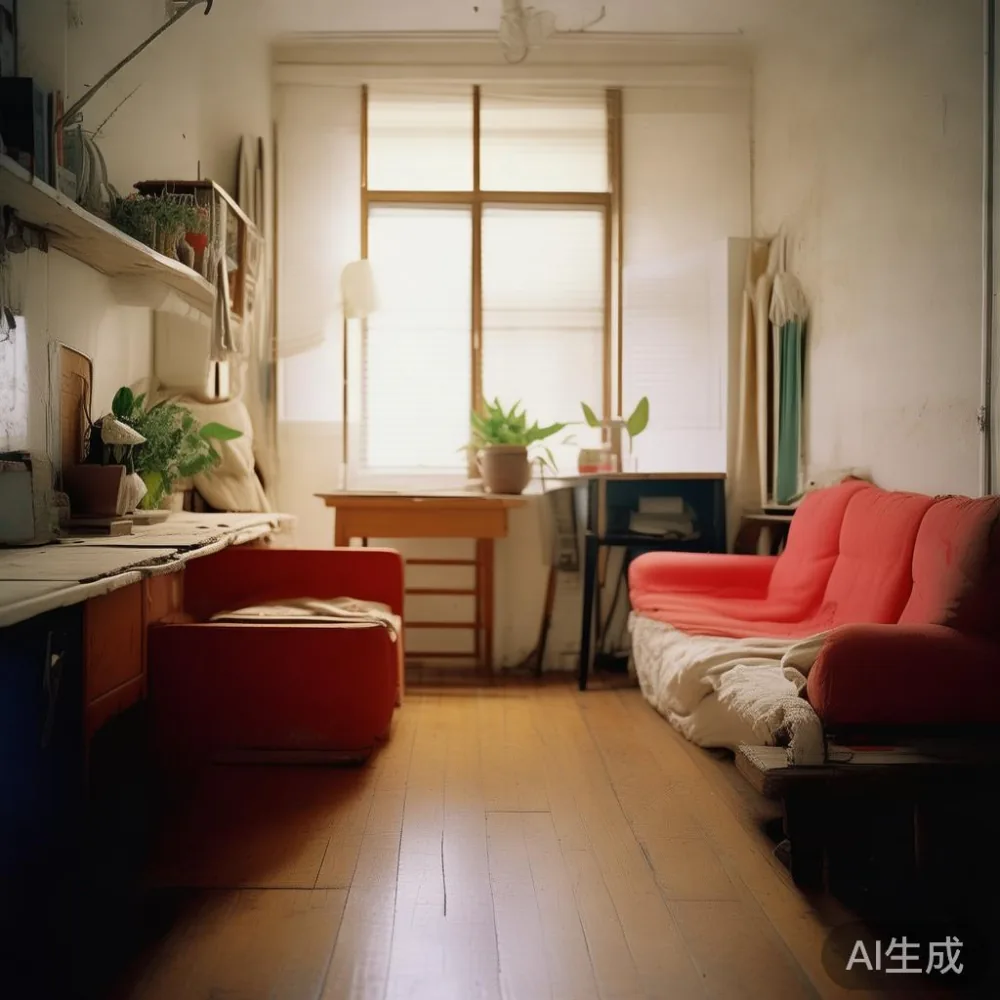
Metric dimensions should guide the visual temperature. A dining table around 180 cm long by 90 cm wide gives 4 people adequate place settings while retaining circulation of about 75 cm around a wall. In a compact dining zone, a 150 cm by 80 cm table seats 4 with a tighter 60 cm passage. Avoid making the room feel heavy by choosing a slim base, visible leg clearance of at least 55 cm and a top that does not project beyond the frame.
Scale is a form of colour control. A low solid wood sofa in oatmeal linen balances a tall wardrobe; a slim dining table lets a substantial sideboard feel less dominant. Aim for a 60 cm to 75 cm gap between a sofa and dining table where possible, with 90 cm as a comfortable passage. In lift lobbies, confirm that the packaged bed frame, wardrobe panels or dining table fit through a 90 cm doorway and can turn within a 120 cm corridor. A product may be suitable for the room but impossible to move into it.
How do I match wood tones without creating an obvious color mismatch?
Start with the fixed elements. Flooring, wall paint, window frames, door finishes and any built-in cabinetry cannot move. Place them on a neutral scale, then compare wood samples rather than relying on names such as “natural oak” or “walnut,” which can describe very different results. Hold each sample against the largest existing surface and look at the grain lines as closely as the colour.
Two matching methods work well in Singapore interiors. The tonal method uses pieces within roughly one to two tonal steps of each other: pale oak with light ash, or medium walnut with warm teak. This produces a quiet, unified composition suited to Japanese, Scandinavian and post-modern light luxury homes. The contrast method pairs one wood family with one deliberate opposite. A pale ash solid wood sofa can sit beside a darker walnut dining table if the same cream, black or brushed-metal accent appears elsewhere.
The most common color mismatch comes from mixing yellow, red and cool brown undertones without a bridge. A golden oak dining table beside a reddish mahogany sideboard and a grey-brown bed frame can look accidental. A warm white rug, oatmeal textile or black metal lamp can connect all three. Keep the bridge broad enough to be noticed: perhaps 30 percent of the visible room area, not one small cushion.
For upholstery, choose colours that repeat the wood rather than imitate it. Warm white, oat, camel, taupe and soft clay work with lighter oak. If the timber is deep walnut, use stone, mushroom, ink blue or muted sage. Keep large upholstery fields above 60 percent neutral; introduce stronger colour in one pair of cushions, a 150 cm runner or one framed artwork.
Metals also affect perception. Brushed brass warms oak, ash and cream, while matte black gives walnut and teak sharper definition. Polished chrome can pull a warm room towards a cooler, post-modern direction. Mixing black and brass is usually more controlled if the black occupies 70 percent of the metal visible. Finish the metal in satin rather than mirror if the room already has glossy marble or glass.
What should I buy first so the room does not need to be rearranged?
Choose the largest visible piece before buying smaller accents, because its colour and mass will influence everything around it. If a solid wood sofa faces a TV, evaluate its frame finish in daylight and under the room’s evening lamps. If a bed frame occupies the main wall of an HDB bedroom, compare it with the wardrobe doors and skirting. If a dining table is the visual centre, test it against both the floor and the colour reflected from the kitchen.
This is where a useful shopping question is: “Is French provincial bed worth it in my HDB bedroom?” The answer depends on dimensions and visual weight, not the style label alone. A carved French provincial bed can suit a warm minimal room if its finish is pale, its carving is restrained and its footprint remains practical. A 160 cm-wide French provincial bed with storage may suit a 2.8 m by 3.2 m bedroom better than a 180 cm model, but the frame, mattress and drawer extension still need to be measured.
For buyers comparing options, the search term best French bed for 2026 can be a starting point, but the specification matters more: solid timber construction, drawer dimensions, centre-rail clearance and finish samples. Likewise, someone searching French provincial with storage should confirm that the drawers open without striking a wardrobe or blocking a corridor. Storage must not become invisible space that cannot actually be reached.
For living rooms, the phrase how to choose European light luxury sofa is more useful when tied to depth, arm profile and firmness. A sofa around 210 cm wide seats 3 comfortably, while a 240 cm model may suit 3 to 4 people in a wider condo living room. Keep front-to-back depth near 90 cm, but allow at least 60 cm behind the sofa for a common HDB walkway. A solid wood sofa frame with removable seat cushions can offer the clean line required by minimalism without looking rigid.
If a local seller mentions for sale Nordic furniture, compare the actual timber finish with the rest of the room rather than accepting “Nordic” as a colour description. A pale, straight-grained frame can work, but sharply contrasting orange pine may create more of a color mismatch than intended.
How should I place a solid wood sofa, dining table and marble table together?
A layered timber plan gives a warm minimal room depth. Use the same finish family for the largest pieces, then introduce a second timber only if it is visibly different and used consistently. For example, a light oak solid wood sofa can pair with an oak dining table, while a walnut nightstand repeats the darker accent from the sideboard. The bed frame can return to light oak, creating a clear three-zone rhythm.
Marble tables need careful restraint. Warm minimalism works best with white or cream marble carrying soft beige or grey veining, not high-contrast dramatic veining. A round marble table with a 90 cm diameter can sit beside a straight-grain timber sofa without visual conflict because the shape contrast offsets the material contrast. A rectangular marble table should be at least 10 cm narrower than the sofa or clearly placed as part of a separate sitting zone.
A useful lighting check involves three levels: 3000 K lamps for warmth, 4000 K for task light and daylight. Wood can look orange under 2700 K bulbs, while a cool 5000 K fitting may exaggerate yellow or red undertones. Select bulbs around 3000 K and a CRI of 90 or above so the grain remains legible. If the dining table turns noticeably red at night, soften the lamp and compare the finish with a warmer sample.
Do not rely on the whole set arriving together. For a phased room, order the bed frame or sofa first, live with it for 7 days, and then assess the colour under actual lighting. This is particularly helpful in HDB flats where the living room and dining area may share one window and one set of downlights. It reduces the risk that a color mismatch is discovered only after the final delivery.
How can I make a bedroom feel warmer without adding clutter?
A warm minimal bedroom needs fewer objects but more tactile contrast. Place the solid wood bed frame against the longest uninterrupted wall, leaving 60 cm beside the mattress for bedside access. A 45 cm-wide nightstand suits most queen beds, although it may look narrow beside a 180 cm king frame. A 50 cm nightstand creates better balance and can support a 25 cm table lamp without overloading the top.
Match the nightstand to the bed if both are visible together. A small mismatch can be intentional when the nightstand is a darker accent and the same tone appears in the wardrobe pulls or lamp bases. If the wardrobe is large and dark, a lighter nightstand can visually detach the bedside area and keep the room from feeling compressed.
A MIDHILL wardrobe can be specified in a light, matte solid wood finish for a compact bedroom. Use tall vertical panels, recessed handles and closed storage to maintain the minimal effect. For a typical HDB bedroom of 3 m by 3 m, a 180 cm-wide, 60 cm-deep wardrobe leaves about 90 cm of floor space if positioned on the final wall, but the door swing and corridor clearance still need checking.
Layer textiles rather than adding furniture. A 230 cm by 170 cm rug beneath the lower 60 percent of the bed softens the floor and ties cream bedding to warm timber. Curtains should fall from about 5 cm below the ceiling track to within 1 cm of the floor, adding height without busy patterns. Linen, cotton and wool in oatmeal and clay tones work better than synthetic shine.
For beds, the phrase best Rustic sofa for 2026 may also appear in showroom discussions about bed styling because designers sometimes compare lounge silhouettes while planning a cohesive suite. A rustic-leaning solid wood sofa can suit a warm minimal home when its form is straight, its cushions are pale and its grain is not heavily orange. The exact phrase best Rustic sofa for 2026 is relevant when comparing frame height, seat depth and finish, not only the catalogue image.
How do I compare samples and plan delivery in a Singapore home?
Keep a physical sample kit of 5 to 7 finishes rather than judging images. Include the flooring, wall colour, upholstery and metal finish. View them at 10 a.m., 3 p.m. and after 8 p.m., because east- and west-facing HDB units can change rapidly. Tape a 10 cm wood sample vertically to the wall as well as placing it horizontally; reflected light often reveals a color mismatch that a flat swatch hides.
Before ordering, draw the room to scale and mark doors, windows, sockets and lift routes. Typical HDB lift doors may be around 80 to 90 cm wide, while corridor turns can be tighter than the lift cabin itself. Large wardrobes may need flat-pack delivery and assembly. Confirm whether the quote includes carrying, unpacking, assembly and disposal of packaging; a low-cost product can become expensive once two delivery workers are needed for 90 minutes.
Delivery timing should include 5 to 10 working days for an in-stock Singapore order, plus 1 to 3 days for production or a special finish. A made-to-order solid wood dining table may take 4 to 8 weeks, while a wardrobe with custom panels can require 6 to 10 weeks. These are planning ranges, so request the exact dispatch date in writing. Allow a buffer of 3 days for lift bookings, especially in Tampines and Bedok during weekends.
For imported pieces, GST is generally added at the applicable rate to the landed value, with the treatment shown on the final invoice. Singapore has no general sales tax, so a seller who includes “GST” without explaining the amount may simply be spelling out the existing tax. Request a clear breakdown of product price, delivery charge, assembly fee and GST. An item quoted at SGD 2,400 should be compared at its final payable total, not only its headline price.
Free delivery over US$350 has little practical meaning for a local Singapore purchase in another currency. Compare the Singapore dollar total, freight, customs, delivery and installation directly. MIDHILL’s 10-year structural warranty and lifetime refinishing service should also be read in full to confirm what refinishing covers, which parts are excluded and whether transport labour is charged.
How do I know when a contrasting piece is intentional rather than a color mismatch?
A deliberate contrast needs hierarchy. Make one timber the dominant note, one the secondary note and one colour the connecting accent. The largest surface should not be the most saturated element. For example, pale oak can dominate the sofa and dining table, walnut can appear on the nightstand and sideboard, and matte black can connect the floor lamp, table legs and curtain rod.
Repeat colour in places separated by at least 2 m so the eye can register the relationship. A dark walnut nightstand in the bedroom should connect to a dark element in the living area or hallway. If the contrast appears only once, it reads as an isolated color mismatch. If it recurs in a frame, a textile or a metal detail, it reads as a designed palette.
Check the room from the doorway, then from the opposite corner. Both views should reveal a clear focal area and no competing centres. In a 280 cm-wide dining zone, a 150 cm dining table centred between walls can look orderly; pushed against one wall, it can make the opposite side appear empty. In a 220 cm living area, a 190 cm sofa leaves only 15 cm at each side, so a 180 cm sofa may preserve the intended sense of space.
Warm minimalism also benefits from negative space. Keep roughly 30 percent of a coffee table clear, maintain 40 cm between the nightstand and bed where possible, and avoid crowding a marble table with ornaments. One tray, one book or one small vase is enough. These measured gaps give the timber grain, stone veining and warm lighting room to register.
What final colour checks should I make before paying for the whole room?
Use a 10-minute checklist with the supplier. First, confirm the finish reference and wood species rather than only the colour name. Solid wood, veneer and painted MDF can appear similar in a showroom but behave differently over 5, 10 and 15 years. Ask for close-up images of end grain, joints and the underside, plus the finish used on concealed surfaces.
Next, test the scheme at 3 times of day. View it under the actual bulbs and with curtains open. A colour that looks harmonious under showroom lighting can develop a visible color mismatch beside a cool HDB wall. If possible, borrow the sample and place it beside the flooring for 24 hours before confirming a large order.
Check delivery access with the packaged dimensions, not the assembled dimensions. A 180 cm bed frame may enter an 85 cm lift as two packages, but a 200 cm wardrobe panel cannot bend safely. A dining table may need to be carried vertically, which can mark a floor if the base is not protected. Ask for floor and wall protection during installation.
Finally, align the service terms with the total investment. A 10-year structural warranty should cover frame failure under normal residential use, while a lifetime refinishing offer may cover scratches, fading or surface wear but not accidental damage. Confirm the process, turnaround time and fees. Most importantly, the warranty and finish choices should preserve the warm minimal look for 10 to 15 years, rather than making replacement necessary every 3 years.
A well-matched warm minimal home is built from relationships, not a single colour chart. Let one wood family lead, repeat a contrasting tone in controlled doses, and use warm neutral textiles to bridge the spaces between them. Measure the room, test the finish under Singapore light, and check every delivery route before the first large piece leaves the workshop.