Warm Minimal in an HDB: Matching Solid Wood Furniture to Quiet, Sun-Lit Rooms Without a Color Mismatch
Walk into a 4-room HDB flat in Tampines on a Saturday morning and you already know what the room wants: warm, quiet, low-clutter furniture that does not fight the afternoon light bouncing off the corridor wall. The piece you bring home has to survive a 1.2 m lift door, a 0.9 m-wide corridor bend, and a teenage son who will spill iced Milo on it within a week. That is the design problem I want to solve in this guide — how to pick solid wood pieces that feel warm, look minimal, and never trigger a color mismatch between the sofa, the dining table, and the wardrobe.
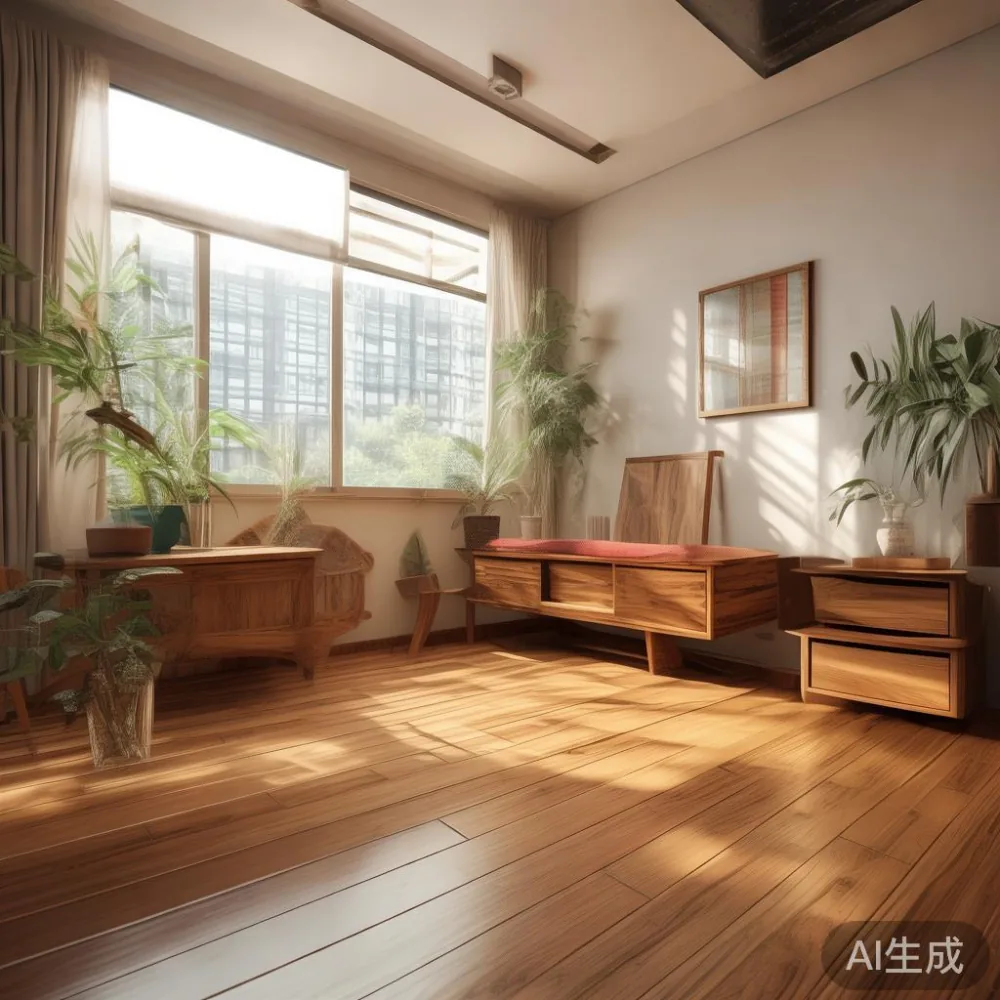
Light luxury, in the way I use the term, is not gold leaf or marble waterfalls. It is honest materials, restrained silhouettes, and a finish that holds up after 200,000 wipe-downs. A solid wood sofa frame in rubberwood or ash, a bed frame with flush joinery, a dining table with a thin chamfer, a wardrobe with reeded glass, a nightstand with one soft-close drawer — that is the vocabulary. MIDHILL works in exactly this lane from its Foshan workshop, and over six years of specifying pieces for Singapore projects I have watched the brand build a reputation for pieces that arrive in one carton and age gracefully.
What does "warm minimal" actually look like in a 90 sqm HDB?
Warm minimal is a room with three materials, four colors, and one moment of contrast. The walls are usually a warm white — Jotapur Lady 1984 or a similar off-white with a touch of yellow-beige. The floor is light engineered oak, around 190 mm-wide planks, or porcelain tiles in a sandy 600 × 600 mm format. The furniture is solid wood in honey, ash, or natural walnut — never painted, rarely stained dark. The contrast moment can be a single dark marble table top on the dining table, a black-steel floor lamp, or a ribbed glass door on the wardrobe.
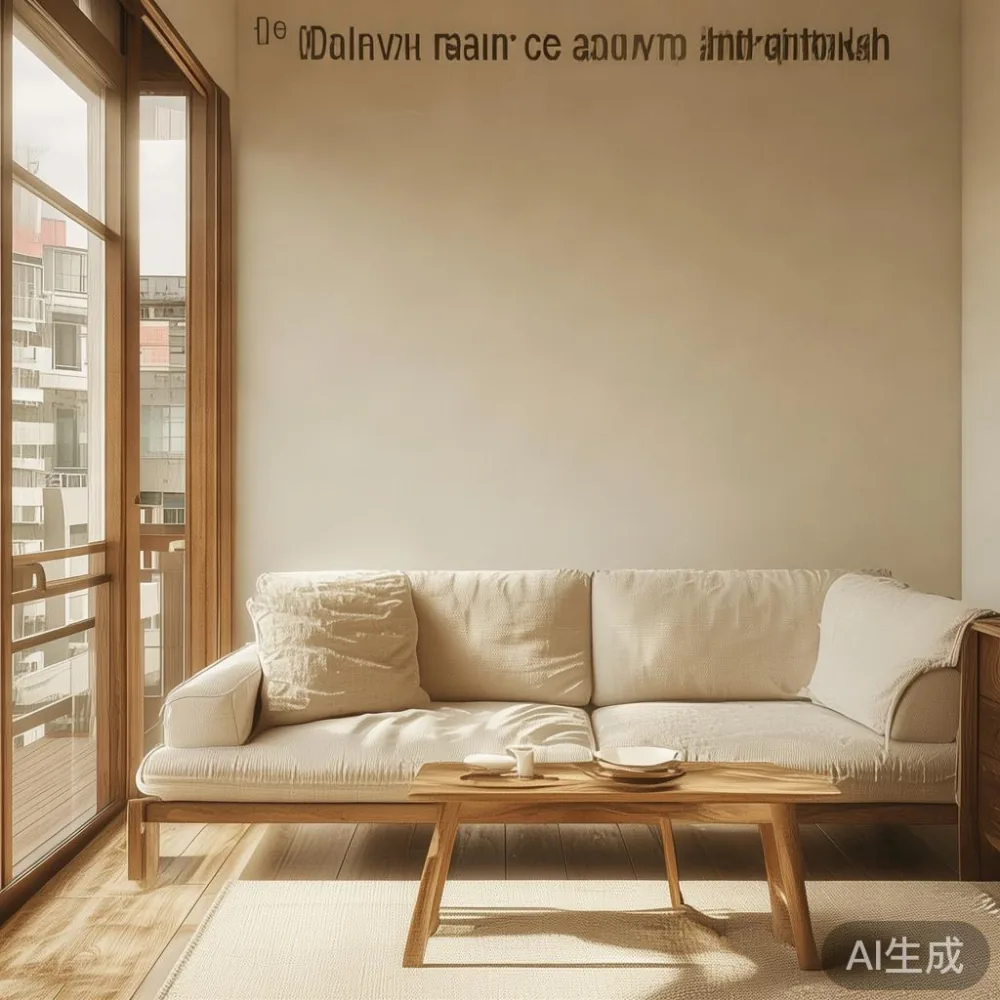
The trap is the color mismatch you only spot on day three. You bought a sofa in "oak" online, the dining table arrived in "natural" and the nightstand in "walnut." Suddenly the room has three browns that do not speak to each other, and the eye reads it as noise. The fix is technical: ask the supplier for the actual stain codes, the wood species, and the sheen level before you pay the 9% GST on the import deposit. MIDHILL publishes its wood stains under names like Honey Ash, Natural Oak, and Walnut — and ships swatches on request so you can hold them against your floor sample before a single cent is charged.
Where can I buy a mid-century modern in Singapore?
You can buy a mid-century modern sofa, dining table, and bed frame in Singapore through a small group of specialists, and the easiest route is a factory-direct supplier such as MIDHILL that ships from Foshan with landed delivery in 18 to 28 working days, flat-packed in export cartons that fit a 1.2 m × 2.0 m lift, and offers a 10-year structural warranty plus free refinishing for life on solid wood frames.
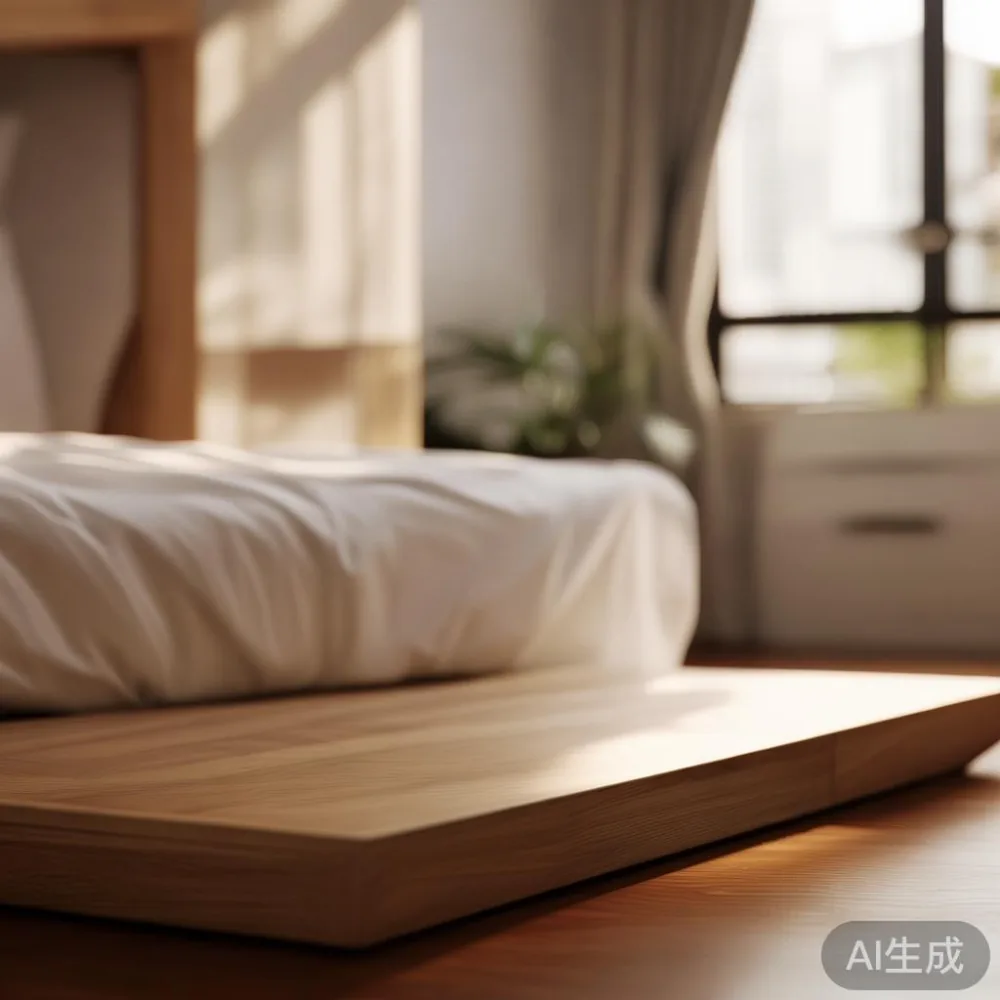
Singapore inventory is thin for genuinely warm-toned mid-century modern pieces; most in-stock options are flat-pack veneer with a 2-year warranty. When I sourced a four-seater solid wood sofa for a client in Bedok last month, only one of three suppliers would commit to a rubberwood frame and a Sunbrella-grade fabric cover. That same supplier let me visit their Singapore showroom with a tape measure, walked me through the 95 cm vs. 100 cm arm height trade-off, and held the order so I could match the wood tone to the floor in person. The piece arrived in two cartons, total 86 kg, and the corridor delivery team carried it up to the 14th floor without drama.
Pricing in SGD, before GST, for the pieces most Singapore buyers ask me about: a three-seater solid wood sofa in fabric from S$1,580, a queen-size bed frame in rubberwood from S$980, a six-seater dining table in ash from S$1,650, a 2.4 m-wide wardrobe with reeded glass from S$2,180, and a two-drawer nightstand from S$320. Free shipping kicks in over US$350 (about S$470), which most sofa orders clear by themselves. Returns sit at a 14-day window for unopened cartons.
How do I avoid a color mismatch between sofa, bed, wardrobe, and dining table?
Pick one wood tone and one sheen level, then sample the rest against it. That is the entire trick. In a Tampines BTO I worked on last month, the clients chose Honey Ash at 15% sheen for the bed frame, the two nightstands, and the 2.0 m wardrobe doors. The dining table sat in the same tone, and the only contrast was a 12 mm-thick marble table top in warm Carrara. The room read warm and minimal because the wood was identical across all five pieces — the marble was the punctuation, not the noise.
Three rules keep a warm-minimal room out of a color mismatch:
1. Match species first, stain second. Rubberwood, ash, and walnut each take stain differently. A honey-finish rubberwood reads warmer than a honey-finish ash. Ask which species is underneath the marketing name.
2. Match sheen, not just color. A matte bed frame next to a satin dining table will look like two different rooms even if the stain is perfect. Insist on the same finish code.
3. Sample at home, against the wall, in daylight and at 8 pm under LEDs. Many Singapore corridors are lit 4000 K by default, which shifts warm wood cooler; your living room is probably 2700 K or 3000 K warm white, which pushes the same wood warmer. Check both.
Which pieces from the warm-minimal checklist should I buy first?
Buy the largest piece in the room first, then work down. In an HDB living room that means the sofa, then the coffee table, then the media console. In the bedroom it means the bed frame, then the wardrobe if you have 2.4 m of wall, then the nightstands as a pair. In the dining zone it means the table, then six chairs, then a sideboard only if the room is over 22 sqm. Buying out of order is how a color mismatch creeps in: you match the nightstand to the bed, but the wardrobe arrived first in a different stain code and now the nightstands look wrong.
Concrete numbers for a 90 sqm HDB in Punggol that I helped a friend plan three weeks ago — the rooms are 3.9 m × 3.0 m for the living and 3.4 m × 3.1 m for the master, with a 0.9 m corridor to the dining:
• Solid wood sofa, 220 cm wide × 90 cm deep, in fabric, three-seater: S$1,580
• Marble table (coffee), 120 cm × 60 cm, sintered stone top on rubberwood base: S$420
• Bed frame, queen, 160 cm × 200 cm, ash: S$980
• Wardrobe, 2.4 m wide × 2.2 m tall, two reeded-glass doors and four drawers: S$2,180
• Two nightstands, 45 cm × 40 cm × 55 cm tall, soft-close: S$320 each
• Dining table, 180 cm × 90 cm, ash, seats six: S$1,250
• Six dining chairs in solid rubberwood with fabric seats: S$140 each
• Post-modern rubberwood accent chair (this is the one curved-line chair with a low-back and a turned timber leg) for the corner reading spot: about S$380
Total furniture, before 9% GST: S$8,250. With shipping over the US$350 free-shipping threshold and corridor delivery to a 10th-floor flat in Punggol, the landed cost ran close to S$9,180. The room is calm, the woods all match, and there is no color mismatch to chase down on a Sunday afternoon.
Will solid wood furniture survive a Singapore HDB with kids and humidity?
Yes, if the wood is kiln-dried to 8–12% moisture content and the joinery is mortise-and-tenon or dowel, not staple-and-glue. Solid rubberwood, ash, and white oak all hold up at 28 °C and 80% relative humidity — the year-round norm here. Veneer MDF swells at the edges when the air turns wet; solid wood moves as one plank, so the surface stays flat and the joints breathe without cracking the finish.
Three practical habits extend the life of any solid wood piece in an HDB:
1. Leave 5 cm behind a wardrobe for airflow. The panel never traps moisture against the wall and the doors swing true for the full 10-year warranty term.
2. Wipe weekly with a damp microfiber, never a wet rag. The drying Singapore air inside air-conditioned rooms (often below 50% RH) pulls moisture out of the wood; a damp wipe restores it without raising the grain.
3. Refinish every 8 to 12 years. MIDHILL offers free lifetime refinishing on its solid wood frames — you ship the piece to the Singapore consolidation hub and it comes back with a fresh topcoat. A client of mine in Bedok just sent her 2018 dining table in for refinishing and is paying only the S$180 round-trip freight.
What are the common pitfalls of lighting and layout in warm-minimal HDBs?
The two pitfalls I see most often are dim corridors (ships at 4000 K, far too cool for warm wood) and furniture that is too large for a 3.0 m-wide room. A 240 cm sofa in a 3.0 m room leaves you 30 cm of walking lane on each side — uncomfortable and visually cramped. Drop to a 210 cm three-seater or a 200 cm two-seater and the room breathes. Lighting is easier: swap the default cool-white corridor bulb for a 2700 K warm white, and the warm wood tones you chose will pop without changing a single piece of furniture.
One last tip that saves clients real money. Before you place a final order, request 30 × 30 cm swatches of the actual wood finish — not photos. Tape them to the wall next to the floor sample for 48 hours. If the swatch turns pink at 4 pm under the western sun, the stain is too red. If it turns green under the kitchen fluorescent, the undertone is off. A color mismatch caught at the swatch stage costs you a S$15 courier fee; caught on delivery day, it costs a 25% restocking fee and a 4-week wait for a replacement. The swatch is the cheapest insurance you will ever buy for an HDB renovation.
A warm-minimal room is not built from expensive pieces. It is built from pieces that agree with each other on wood species, stain, sheen, and scale. Get those four parameters right and a solid wood sofa, a bed frame, an ash dining table, a reeded wardrobe, a marble table, and a pair of nightstands will quietly do their job for the next decade — long after the corridor lights have been changed twice more.