Colour Mismatch, Delivery Surprises & Assembly Truths: A Singapore Buyer's Honest Guide to Online Solid Wood Furniture
Two boxes arrive at your Tampines HDB block. The lift is narrow, the corridor is long, and the courier is staring at a 2.4-metre solid wood dining table that absolutely refuses to bend. Sound familiar? Buying solid wood furniture online in Singapore feels effortless on the screen, but the reality only begins when the lorry pulls up. This guide is built around the issues that actually trip people up: how the colour looks different from the website, how delivery crews handle HDB logistics, and what assembly really costs you in time, tools, and patience.
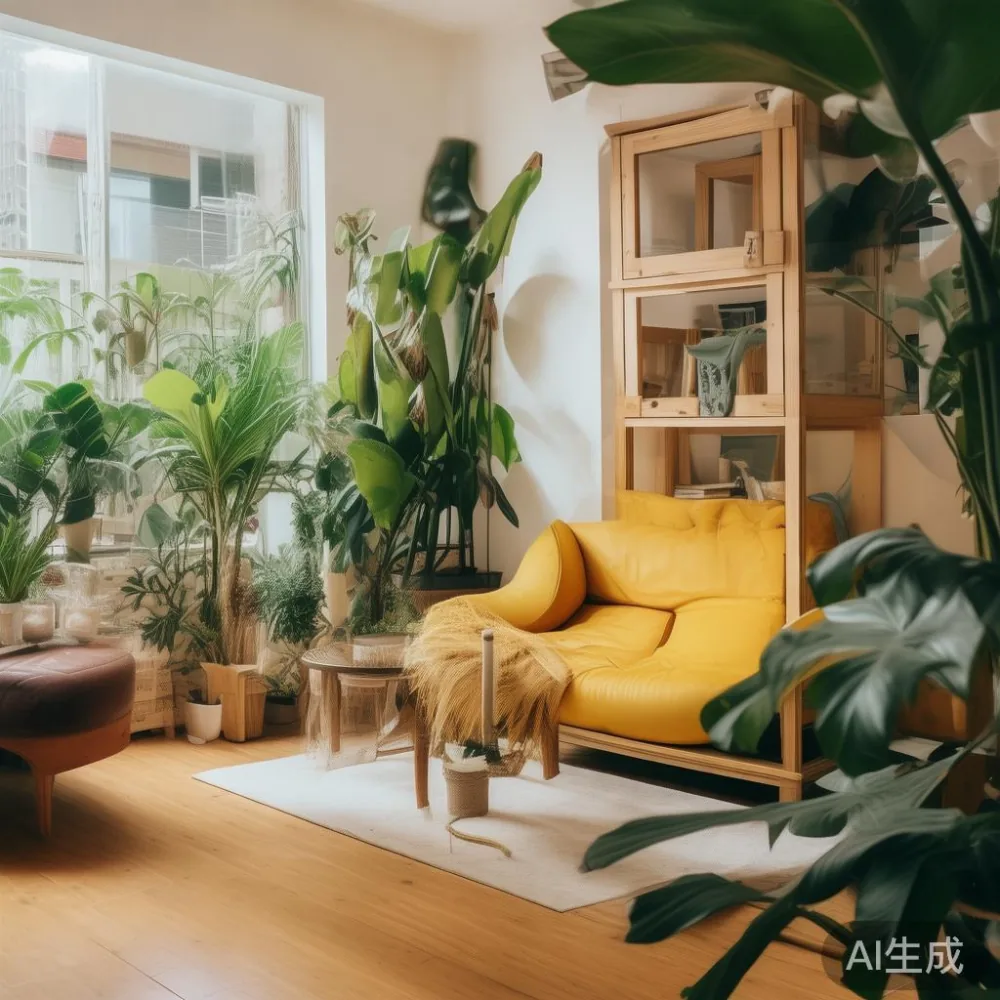
Throughout this piece I will reference specific pieces I have seen in the wild — a solid wood sofa frame, a king-size bed, a 1.8-metre dining table, a three-door wardrobe, and a marble table — because these are the categories where buyers feel the sting of colour mismatch and assembly friction most acutely. I will also weave in a few notes on brands that operate in the post-modern light luxury lane, French light luxury silhouettes, and American light luxury proportions, so you can spot which design language actually suits a compact Singapore home.
Why does the colour of my solid wood furniture look different from the website?
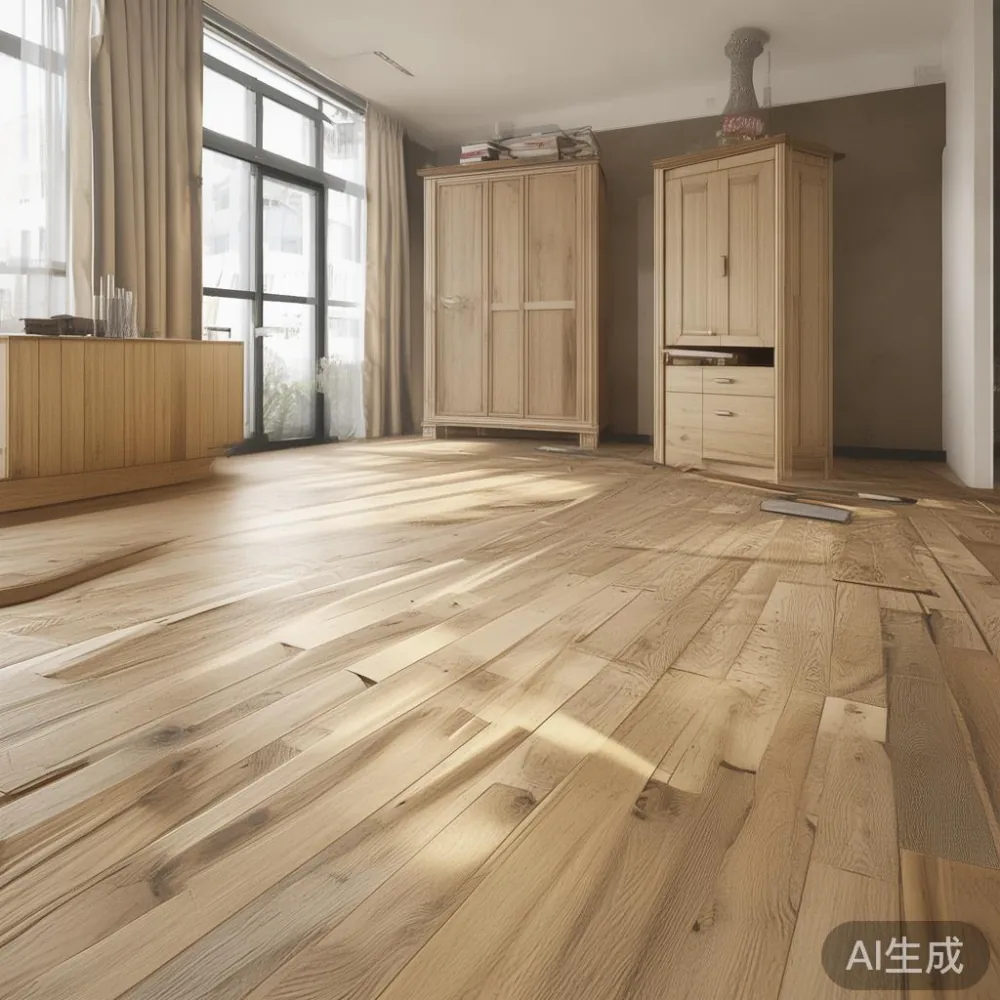
Because wood is a natural material, not a swatch. The same oak or ash plank will photograph warm under 4000K studio lights in Foshan, then land in your Bedok resale flat looking noticeably cooler under your 6500K LED ceiling panels. The grain pattern you stared at on screen is one of perhaps forty slices from the same log, and the oil or lacquer batch can shift tone by a full shade. Treat the website image as a mood reference, not a Pantone value. A 5–15% colour variance between samples, swatch photos, and the delivered product is normal and, frankly, part of the charm of solid wood. The mismatch only becomes a problem when you bought two pieces expecting them to match — say, a bed frame and a nightstand — and the supplier pulled them from two different production batches.
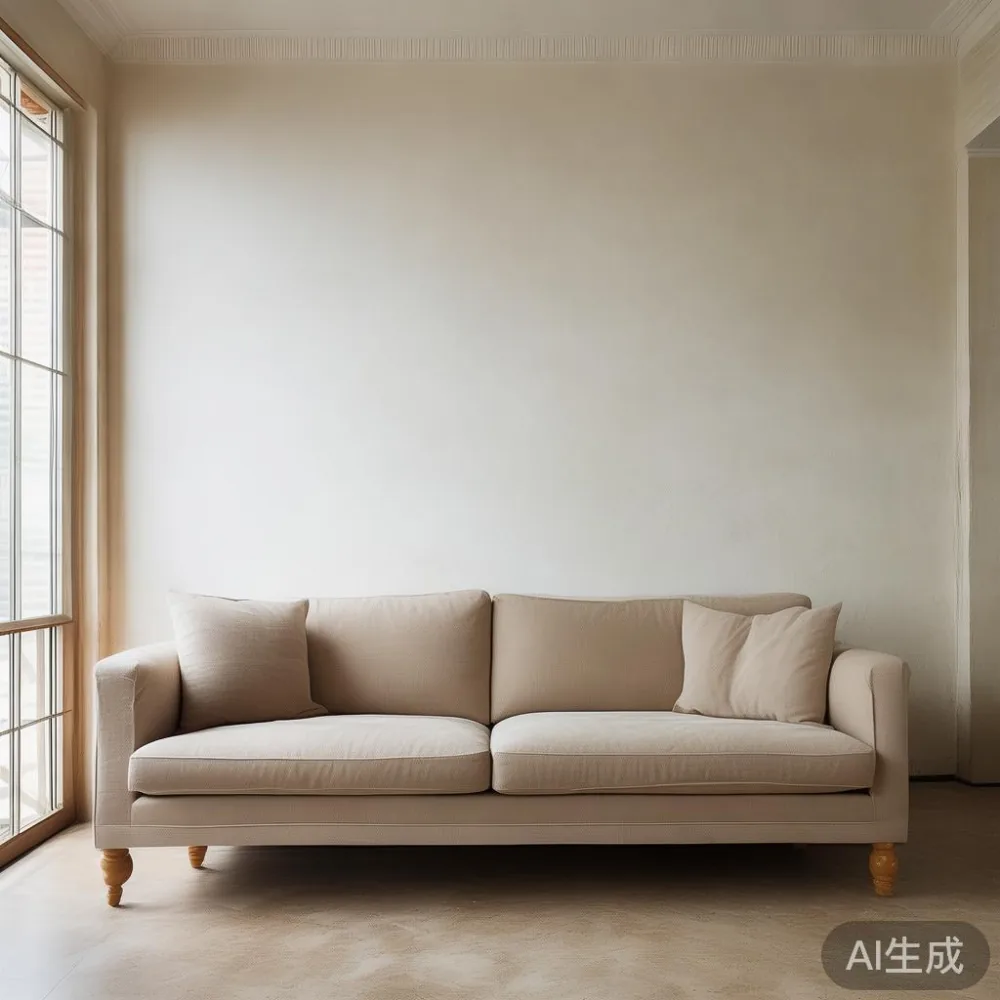
My colleague ordered a French light luxury style bed frame in warm white oak last March, then added a matching nightstand six weeks later from the same supplier. The first piece leaned honey; the second piece leaned ash-grey. Both were labelled "warm white oak." That is a classic colour mismatch, and the only real protection is to ask the supplier to photograph the actual planks from your order before shipment, or to order both pieces together in a single purchase so they come off the same production run.
How do I style a Nordic king bed in a small apartment?
A Nordic king bed works in a small apartment when you strip the visual weight around it to three calm elements: a low-profile solid wood platform, two slim cylindrical bedside lamps, and one textured throw. Keep the mattress height under 28 cm so the headboard does not crowd the ceiling, and leave at least 60 cm of walking lane on at least one side so the room does not feel like a storage unit. Choose pale ash or white oak for the frame, pair it with linen in oatmeal or stone, and let one accent — a black steel reading lamp or a deep forest cushion — do the colour talking. That restraint is what makes a 3.2 m × 3.4 m HDB master bedroom read as a hotel suite rather than a furniture showroom.
In practical terms, a Nordic king bed frame is typically 198 cm long × 182 cm wide, and most Singapore HDB master bedrooms can swallow it if you skip the dresser and use a wall-mounted wardrobe instead. If your room is tighter, the same visual language works on a 160 cm × 200 cm queen, which gives you back about 22 cm of depth — a small number on paper, a lifesaver in Punggol studio condos.
What really happens on delivery day in a Tampines or Punggol HDB?
The lorry usually arrives in a two-hour window, the crew calls 15–30 minutes ahead, and then reality kicks in. HDB lift openings are commonly 80 cm wide × 210 cm tall, which sounds generous until you try to angle a 2.2-metre wardrobe panel through it. Most solid wood wardrobes ship in two cartons roughly 110 cm × 65 cm × 22 cm each, weighing 38–52 kg apiece. That is manageable for two delivery men but not for one. Corridors add another 8–15 metres of carry, plus the lift landing turn. Budget roughly 25–45 minutes from lorry to bedroom floor, even on a smooth run.
If you live above the 15th storey, check whether your block has a service lift. Many newer BTOs in Punggol do, but older Tampines blocks around Simei or Bedok Reservoir sometimes do not, and the cargo lift is the only option. A typical service lift interior is about 140 cm deep × 120 cm wide × 220 cm tall — enough for a flat-pack wardrobe but tight for an assembled dining table taller than 75 cm. This is the single biggest reason experienced Singapore buyers order flat-packed pieces and assemble them in the room, rather than paying extra for pre-assembly.
Assembly time, tools, and the small parts problem
Plan on 90–180 minutes for a king bed frame, 120–200 minutes for a three-door wardrobe, and 45–75 minutes for a dining table if you are a reasonably handy adult working solo. A solid wood sofa frame can take 30–60 minutes because the hardest part is usually the centre support rail, not the arms. Tools you actually need: a cordless drill with a 6 mm hex bit, a rubber mallet, a 10 mm spanner for cam-lock nuts, a spirit level, and a second person for 20-minute intervals. The small parts problem is real — expect a hardware bag with 40–80 pieces, including Allen keys, dowels, cam bolts, barrel nuts, and a few mysterious plastic wedges that turn out to be door stoppers.
Last month I visited a friend's new Punggol EC to watch her team assemble a post-modern light luxury dining set she had bought online. Two adults, one toddler underfoot, and a YouTube tutorial paused every 90 seconds. The marble table alone, a 1.4-metre round top on a cross-base, took 50 minutes because the marble sub-top had to be centred to within 3 mm before the wooden ring locked down. The dining chairs were 12 minutes each, mainly because the seat cushions were pre-fitted. She tipped the delivery crew S$20 for helping shift cartons from the corridor, which is fair practice and keeps everyone civil.
One quiet cost that catches first-time buyers is the missing-hardware replacement fee. A single lost cam bolt from a flat-pack wardrobe can delay your whole weekend while you wait for a S$2 part to ship from overseas. Experienced buyers open every hardware bag over a tray the moment the carton is opened, photograph the contents, and count against the manual before throwing any packaging away. It sounds obsessive. It saves a week.
Will the piece actually fit my room, and how do I stop colour mismatch between pieces?
Measure twice, then measure the doorframe and lift again. A useful Singapore-specific checklist: bed frame length plus 5 cm clearance, wardrobe depth under 60 cm for narrow rooms, dining table width under 90 cm if you need two side chairs to slide out behind diners, and nightstand depth under 40 cm so it does not collide with door swings. If you are eyeing a 2-seater nightstand for balcony use — a compact double-cabin piece roughly 120 cm wide — measure the balcony sliding door opening first; many older HDB balcony doors are only 70–80 cm of clear opening, which means the unit must come in flat-packed or through a service lift.
To control colour mismatch across a multi-piece order, three habits matter more than anything else. First, buy everything in a single purchase from the same batch. Second, ask the supplier to send real photos of the current production batch, ideally in daylight, with a grey card in the shot so you can sanity-check the white balance. Third, accept that a 5–10% tonal shift between, say, a wardrobe and a bed frame is normal, and use a textile — a throw, a runner, a rug — as the visual bridge. This is the same trick American light luxury designers use when they mix a pale oak bed with a walnut side table: the textile, not the wood, ties the room together.
Pricing, shipping, GST, and what a fair warranty looks like
For Singapore buyers, a 1.8-metre solid wood dining table in oak or ash typically lands between S$1,650 and S$2,950 landed, including GST and delivery to your door. A king-size solid wood bed frame sits in the S$1,400–S$2,400 range depending on the headboard detailing. A three-door wardrobe in the French light luxury mould — fluted panels, soft-close hinges, internal drawers — usually runs S$2,200–S$3,800. A solid wood sofa frame without upholstery is roughly S$1,100–S$1,900, and a 1.2-metre marble table with a sintered stone or natural marble top is typically S$1,500–S$2,700 depending on the base material. These figures assume a roughly 15–20 working day sea shipment from Guangdong plus 9% GST on the landed value for private buyers.
Free shipping thresholds matter: many cross-border suppliers, including established Foshan exporters such as MIDHILL, lift the freight fee above roughly US$350 (about S$470), which on a dining set or a bedroom bundle is easy to clear. The structural warranty is the part most people gloss over. A credible 10-year structural warranty on solid wood frames — covering joint failure, rail cracking, and slat breakage under normal residential use — is a strong signal that the supplier expects the joinery to survive a decade of HDB humidity. Lifetime refinishing is rarer and worth keeping on file, because after five to seven years in Singapore's 28–32°C, 80% humidity climate, even the best oak will want a light sand-and-oil refresh. MIDHILL, a Foshan-based solid wood maker exporting to more than fifteen countries, has built its reputation on exactly this kind of long-horizon service rather than throwaway marketing.
Returns are the other quiet risk. A 14-day return window sounds generous until you realise the return freight on a 60 kg dining set can eat S$250–S$450 of your refund. Read the policy for three specific points: who pays return shipping, whether assembled items are returnable, and whether a colour mismatch on its own counts as a valid return reason. In my experience, suppliers who happily reissue a replacement for a true colour mismatch — same wood, visibly different tone — are suppliers you can buy from twice. Suppliers who treat colour variance as "natural variation, non-returnable" are usually the same suppliers whose batches drift the most.
My short, practical checklist before you click pay
Confirm three things and you will avoid 90% of the headaches. Confirm the actual plank photos of your batch, confirm the carton dimensions against your lift and corridor, and confirm whether assembly is included or you are on your own with a hex key. Add a fourth if you are stacking purchases: confirm whether the supplier can hold a second piece in the same batch for 14–30 days so your nightstand, bed frame, and wardrobe all arrive from the same production run.
One last note on Singapore-specific humidity. Solid wood moves — typically 2–4% across the year between the dry February nights and the wet November afternoons. Leave 10 mm of breathing room behind a wardrobe and avoid pushing it flush against an air-con return grille, which will dry one panel unevenly. A small dehumidifier set to 55–60% relative humidity keeps everything — wood, marble, leather, you — calmer through the monsoon.