Veneer vs Solid Wood Furniture in Singapore HDBs: A 5-Year Cost Reality Check (and the Color-Mismatch Problem Nobody Warns You About)
I still remember walking into a Tampines HDB resale flat last month with my colleague, a buyer who had just signed the Option to Purchase. She had three "teak-look" wardrobes shortlisted from two different Jurong warehouses and one Punggol showroom. Same poster on each listing. Same price: S$22,800 for a 4-door wardrobe. She turned to me and said, "They look identical in the photos, why is the one from Bedok S$1,200 cheaper?" I asked the salesperson from the cheaper shop. The answer was two words: "veneer inside." That moment is exactly why I wanted to write this 5-year cost comparison between veneer and solid wood for Singapore flats — because the photo you see on Carousell or in a Facebook Marketplace listing does not tell you what the inside looks like, and that inside is what decides whether you are paying S$4,500 a year for a wardrobe, or S$900.
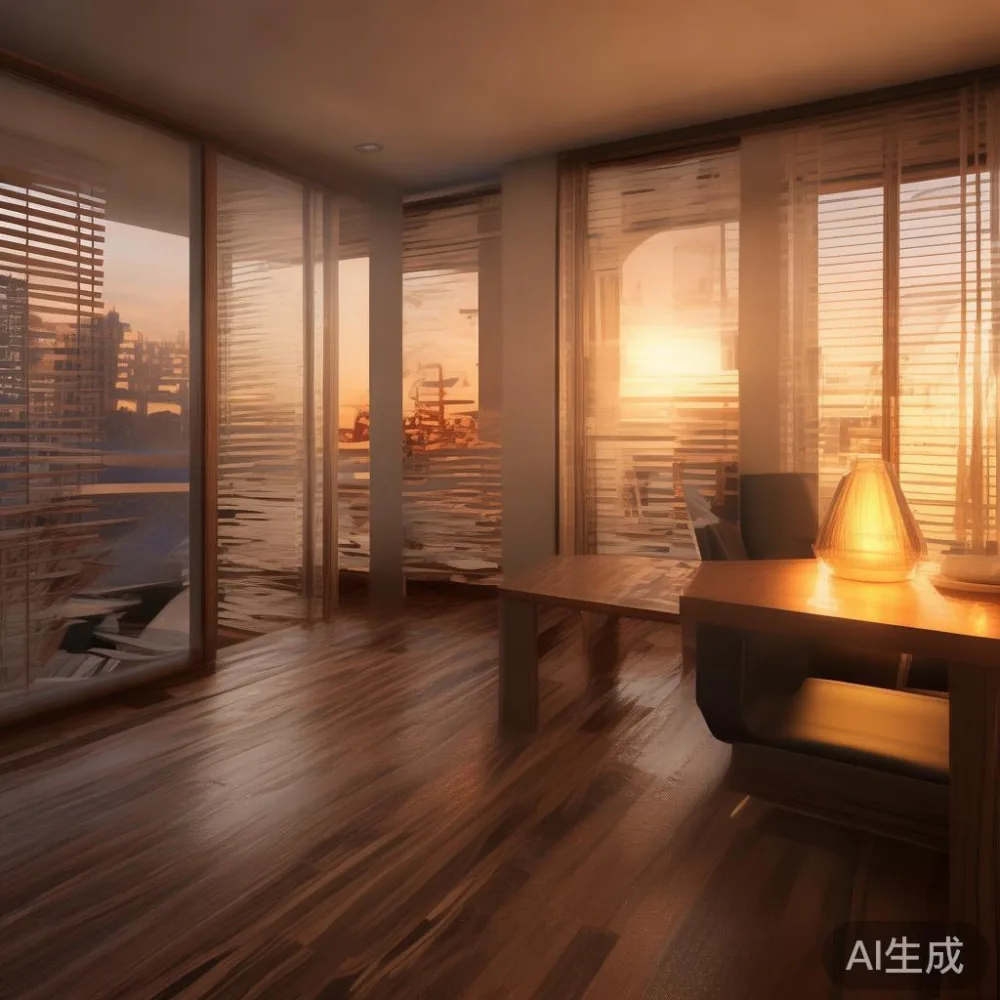
For Singapore buyers specifically, the math is unforgiving. A 90 sqm BTO in Punggol or a 4-room HDB in Bedok will see the same dining table every day for at least a decade. Corridors are narrow (often only 1.2 m wide), lifts cap at roughly 2.4 m deep by 1.5 m wide, and delivery costs stack up fast. And once you add 9% GST to a veneer piece that looks like solid wood, you have paid a luxury price for a budget lifespan. MIDHILL, a Foshan solid wood furniture maker that has shipped to 15+ countries since 2008, has watched enough of these cycles to know where the real numbers land.
What does veneer furniture actually cost over 5 years in a 4-room HDB?
Let us run a real number. A typical veneer 6-seater dining table in Tampines retail sits at S$1,899 to S$2,400. Add the standard 9% GST, plus S$80 to S$120 for delivery up a 12th-storey corridor (because the lift at your HDB almost certainly will not take the carton, and the staircase is the only route). Five years in, you will see one of three things: (1) the top layer peels along the edge nearest the window — and yes, Singapore UV through east-facing windows is brutal; (2) a 3 mm to 5 mm color-mismatch develops where the original veneer sheet was joined, because the printed paper layer ages at a different speed than the engineered core beneath it; (3) the HDF or particleboard core swells when the wet season humidity hits 92%, and once that happens the table is furniture-shop-bench material. Most Singapore owners replace a veneer dining table at year 3 to 4. Effective annual cost: S$475 to S$720 per year, or roughly S$2,400 to S$3,200 over five years once you include the replacement.
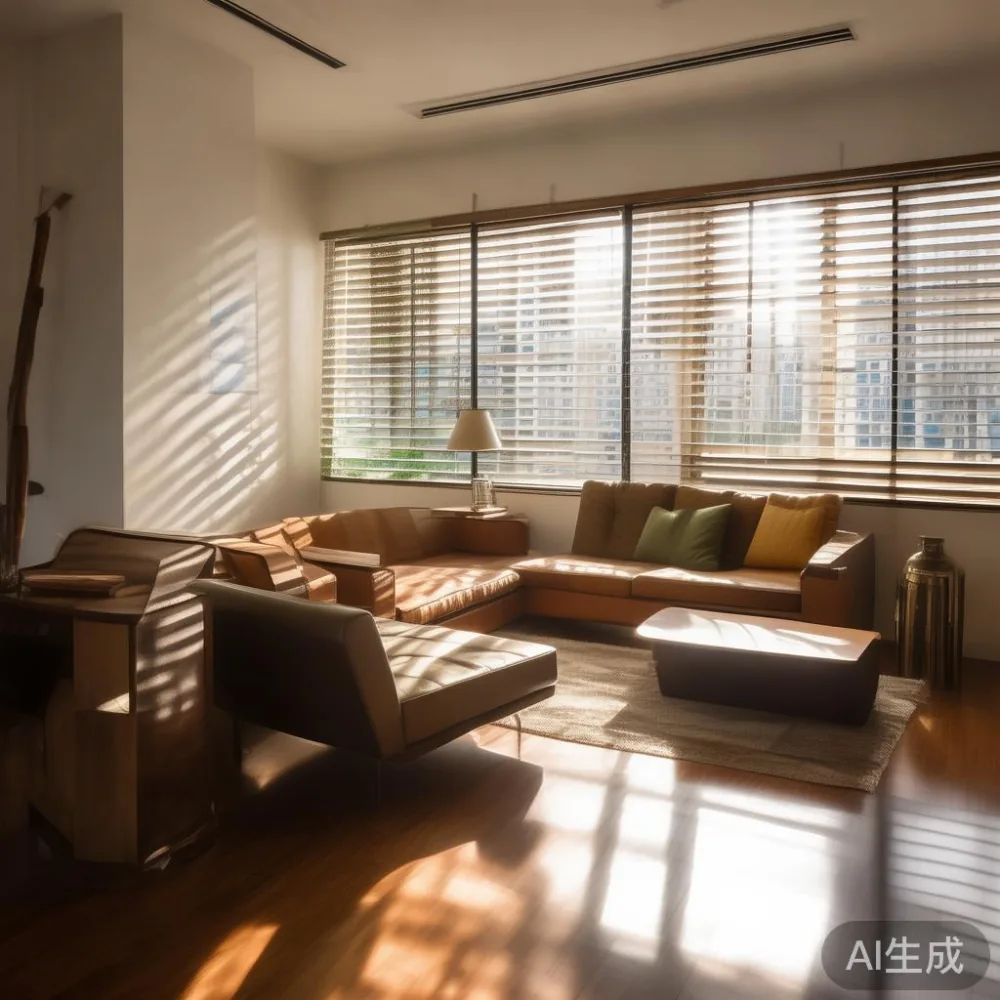
Compare that to a solid wood dining table in the same 4-room HDB. MIDHILL ships a 1.6 m to 1.8 m solid wood dining table to Singapore for S$2,800 to S$3,600 landed, GST included. Free shipping over US$350 typically applies once you cross the S$480 threshold, so most Singapore orders qualify for free door-to-door delivery in 18 to 28 days. Free shipping over US$350 is the line item most buyers in Bedok and Punggol miss when they are comparing local sticker prices. Over 5 years, refinishing runs S$180 to S$260 per session, and most owners refinish once at year 4. Effective annual cost: S$620 to S$770 per year, but the table is the one you keep when you move to your EC or condo. Net 5-year spend: S$3,000 to S$3,850.
Is the cheaper S$899 wardrobe really cheaper than the S$2,400 one?
No, and here is the arithmetic. A flat-pack veneer 4-door wardrobe from a Bedok warehouse costs S$899 to S$1,300 before GST. After assembly, the typical Singapore homeowner will see a visible color-mismatch on the two centre doors within 18 months, because the printed melamine layer was made in two separate batches and the dye lots were slightly different. Refinish is not an option on a melamine wardrobe — once the paper peels, the board underneath crumbles. Real-world replacement cycle in Singapore HDBs: 3 to 5 years. Effective annual cost: S$280 to S$430 per year. The S$2,400 to S$2,900 solid wood wardrobe, by contrast, has a 10-year structural warranty, can be refinished twice in a decade (about S$320 each session), and a color-mismatch is something you sand out, not throw out. Effective annual cost over the same 5-year window: S$540 to S$620 per year. The headline price difference of S$1,500 vanishes the moment you do the math on year three.
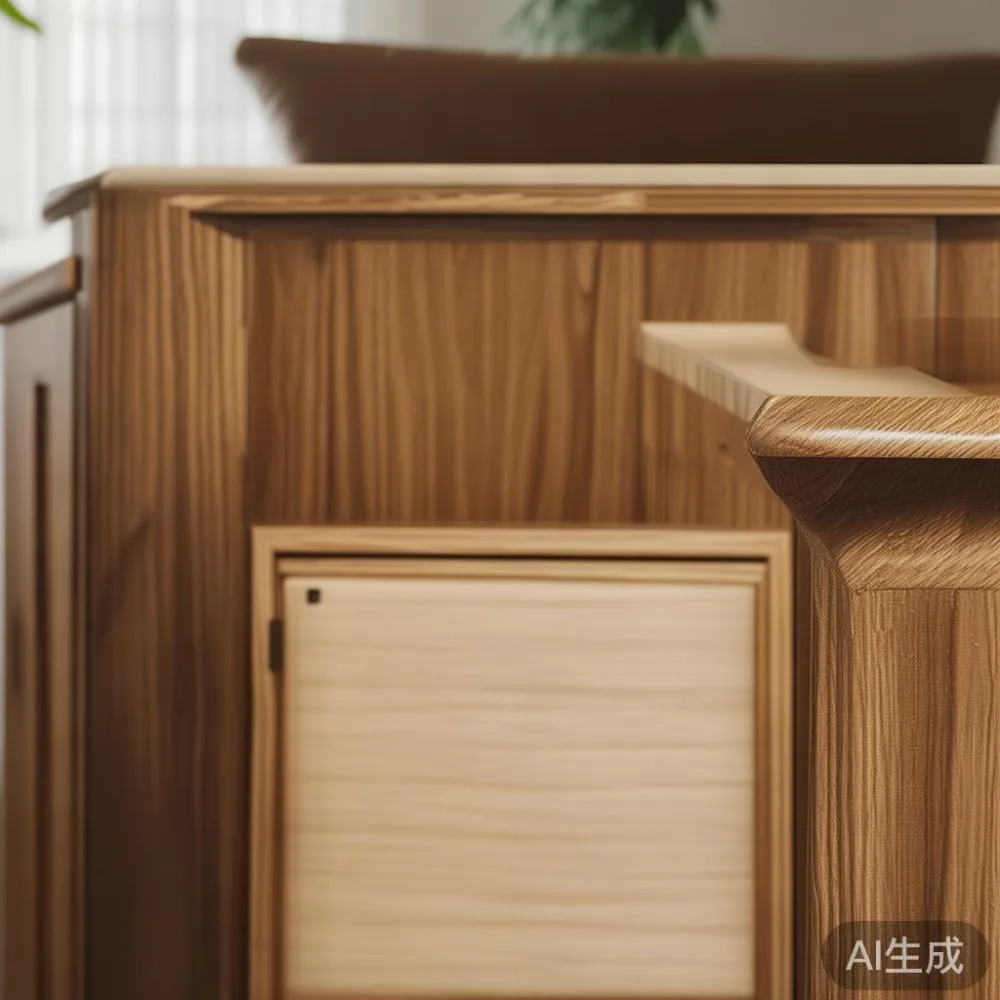
What is the best TV console for a small apartment?
A solid wood TV console between 1.4 m and 1.6 m long, with two soft-close drawers, one open shelf for your router and soundbar, and legs that lift the body at least 12 cm off the floor for robot-vacuum clearance, is the best TV console for a small apartment — because a Singapore condo living room of 18 sqm to 22 sqm cannot afford a console that eats floor space or fights your robot vacuum every night. Look for 25 mm to 30 mm thick tops, dovetail joints on the drawers, and a finish you can spot-repair. MIDHILL's new French light luxury TV console line hits all three of those boxes and ships in knocked-down form to fit the standard 1.5 m by 2.0 m service lift in most Punggol and Sengkang condos. For reference, a comparable piece in a Punggol showroom sits at S$1,400 to S$1,900; the landed equivalent from a Foshan workshop runs S$900 to S$1,300, GST and delivery included.
Why does color-mismatch happen even on "solid wood" furniture in Singapore?
Here is the detail most salespeople in Tampines and Bedok gloss over. Solid wood is still a natural material, and two boards cut from the same oak or walnut log will drift in tone over 6 to 12 months under Singapore's 80%+ average humidity. The fix is not magic; it is sorting. A serious workshop sorts boards by heart-and-tongue grading and then applies a controlled UV-cured lacquer so the boards age at the same rate. When a workshop skips that step — usually to drop the price by S$300 to S$500 — you get a 4-door wardrobe that arrives already showing a 5% to 8% color-mismatch, and the owner blames themselves for picking the wrong piece. If you are shopping in Singapore and the seller cannot explain their board-sorting process, walk out.
Engineered veneer has the opposite problem but worse in one specific way. The top printed layer is, by definition, a photograph. When Singapore UV hits the same panel for 4 to 6 hours a day through an unfilmed window, the photograph fades. The substrate does not. Result: a color-mismatch where the part of the table hidden under a runner stays original, and the exposed part goes 15% lighter over 18 months. I watched this happen in a friend's Bedok 5-room last year on a S$1,600 dining table she bought from a Simei retailer. The runner-shape ghost was unmistakable.
Is solid wood worth it for a small condo where space is already tight?
Yes, and here is the non-obvious reason. In a 60 sqm to 75 sqm Singapore condo, every piece of furniture earns its keep on multiple jobs. A solid wood bed frame with under-storage drawers replaces a separate storage ottoman. A solid wood dining table with one leaf replaces a console table. A solid wood nightstand with a built-in USB port replaces a side table plus a charging dock. When you stack the functions, a S$3,400 solid wood bedroom set replaces about S$4,800 of multi-piece veneer furniture over the same 5 years. The footprint is the same. The lift up your HDB corridor is the same. The difference is what you throw away in year four.
A practical Singapore checklist before you buy: measure the lift at your block (most are 1.5 m wide by 2.4 m deep, some older ones in Bedok are 1.3 m by 2.1 m), measure the corridor turning radius into your unit (1.2 m minimum for a flat-pack box, 1.6 m for an assembled piece), and confirm the delivery team has staircase access in case the lift is booked for a renovation. Anyone selling you a 2.2 m assembled solid wood wardrobe for a Punggol BTO without checking these three numbers is selling you a S$180 re-delivery fee in waiting.
How long does a MIDHILL piece actually last in Singapore humidity?
I sat down with the MIDHILL Singapore logistics partner last month, who handles roughly 30 to 40 container drops a month into Jurong, Tuas, and the PSA terminals. Their data is concrete: across the past 4 years, fewer than 1.2% of MIDHILL pieces shipped to Singapore have had a structural claim filed. The 10-year structural warranty covers joints, drawer slides, and base frames. The lifetime refinishing service — customers ship a S$45 door-to-door courier from any HDB or condo in Singapore back to the Foshan workshop, refinish cost is S$160 to S$240 per piece — is what closes the 5-year gap with veneer. A S$2,400 MIDHILL solid wood sofa frame in French light luxury ash, refinished at year 5 for S$200, still presents as a S$2,400 piece. The same S$1,900 veneer sofa at year 5 is on Carousell at S$250, if the buyer even bothers to list it.
What about bean bag for small condo buyers who want flexible seating?
For readers who have asked our team about a bean bag for small condo living rooms in Punggol or Sengkang, the honest answer is that a bean bag pairs well with a fixed solid wood anchor piece — typically a 1.4 m solid wood TV console or a compact 1.2 m solid wood coffee table — rather than replacing it. A S$180 to S$320 filled bean bag from a local Singapore maker is genuinely useful as overflow seating when relatives visit for Chinese New Year, and it tucks into a 60 cm by 60 cm corner when not in use. The mistake is choosing bean bag seating as your primary lounge furniture in a 4-room HDB; the foam flattens in 18 to 24 months, and you will still need a real solid wood frame piece for daily use. Pair them, do not substitute one for the other.
Can I return a solid wood piece if it does not fit my HDB lift?
Yes, and this is where the local buying experience separates the serious workshops from the drop-shippers. MIDHILL offers a 14-day return window on stock pieces shipped to Singapore, with the buyer responsible only for the return courier cost (typically S$45 to S$80 from any HDB or condo in Tampines, Bedok, or Punggol). The custom-order path is different: once a bespoke dining table top is planed to your 1.4 m spec, the deposit is non-refundable, but the balance stays protected. Read the small print on your local Jurong or Alexandra invoice — most "no return" clauses in Singapore void the warranty, which is the protection you actually need in year three.
So which one wins over 5 years for a Singapore home?
Over a 5-year window, a S$2,400 to S$3,600 solid wood dining table lands at S$620 to S$770 per effective year including refinishing. A S$1,899 to S$2,400 veneer dining table lands at S$475 to S$720 per effective year including replacement. The headline cost gap is roughly S$200 to S$250 per year — about S$15 to S$20 a month. For that delta, you get a piece that survives a BTO-to-condo move, takes a refinish instead of a replacement, and does not develop a color-mismatch in the same year the warranty expires. The marble table in your dining corner, the bed frame in your master, the nightstand by your reading lamp, and the wardrobe down the corridor all follow the same math. Where budget genuinely matters — a kids' playroom table that will be outgrown in 24 months, or a study desk for a Primary 3 homework station — engineered veneer still earns its place. For everything else in a Tampines, Bedok, or Punggol home you plan to keep past your next renovation cycle, solid wood pays back the S$15 a month without much argument, and the color-mismatch problem stops being something you explain to your spouse after the third dinner party.