How to Match Solid Wood Furniture to a Warm Minimal Interior Without Falling Into a Color Mismatch
I learned the hard way about color mismatch last March, when I ordered a beautiful walnut-toned bed frame from a friend in Bedok. The photo looked honey-warm against cream walls. When the 92 kg crate cleared the service lift at her Tampines HDB block and the two delivery men wrestled it through her 90 cm doorway, the wood surfaced looked closer to dark chocolate than to honey. Her curtains were already up, the diffuser was already plugged in, and the result was a textbook warm minimal interior ruined by an unexpected contrast jump. That single day taught me more about color mismatch in furniture shopping than any catalogue ever did.
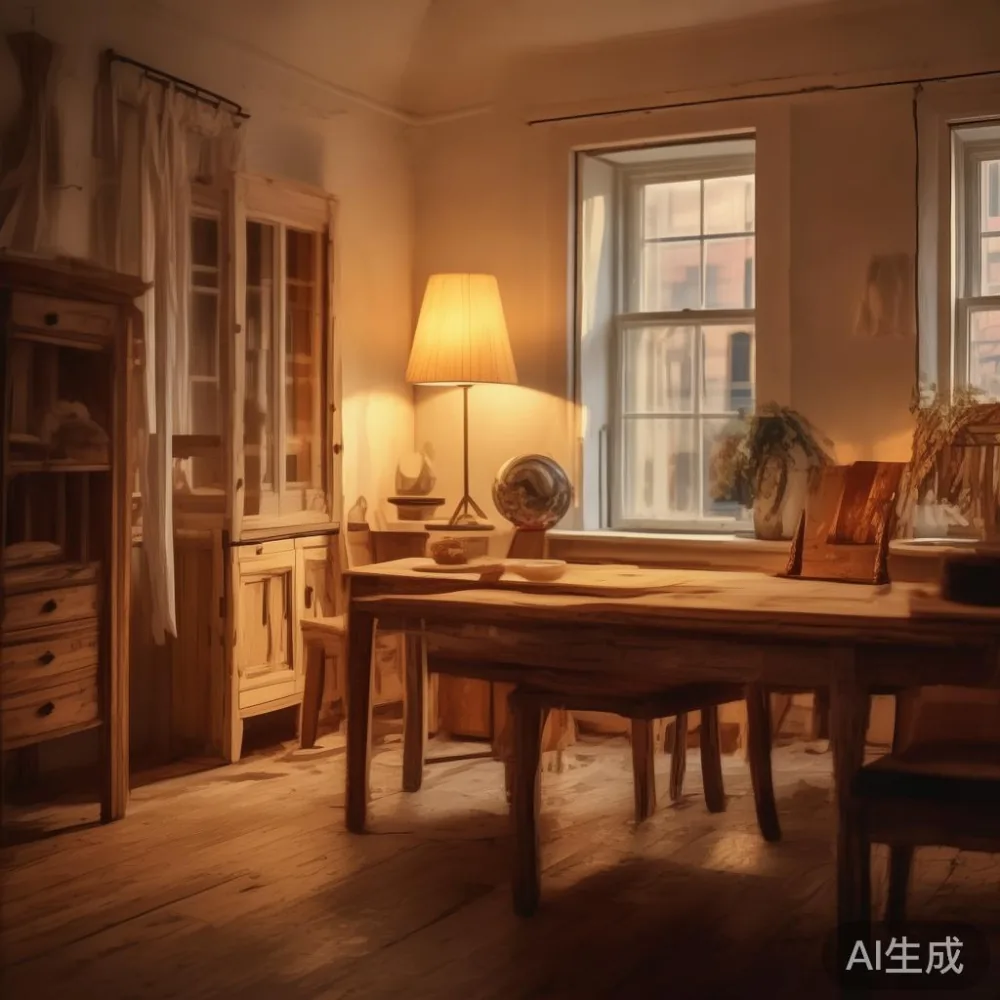
If you live in an HDB flat in Punggol or a walk-up in Bukit Merah, you already know that Singapore's lift openings measure roughly 90 cm by 210 cm and most corridor turns are around 1.2 m. Every solid wood piece you bring home has to clear those dimensions, which means you tend to commit to a finish before you ever see it in your own living room at 8 pm under your own warm 2700 K bulbs. This guide is written for people who refuse to repeat my friend's mistake. We will look at how to match furniture to a warm minimal interior by understanding wood undertones, fabric reflectance, and the specific lighting conditions of a Singapore condo living room. I will also reference how MIDHILL in Foshan approaches the same problems on a much larger scale.
What Counts as a "Warm Minimal" Interior in Singapore?
Warm minimalism is not beige walls and one sad fiddle leaf. It is a deliberate mix of three layers: a neutral base (off-white, oat, putty), a wood anchor (oak, ash, walnut, teak), and a soft textile or metal accent. Most Singapore condos built after 2015 already ship with porcelain floor tiles in a warm grey around 30 cm by 60 cm. That floor is your first decision. A cool grey floor pulls your wood toward ash; a beige floor lets walnut read warmer. Knowing your floor sets the rule for every solid wood piece that comes in after it, from a 2.4 m dining table to a small 45 cm nightstand.
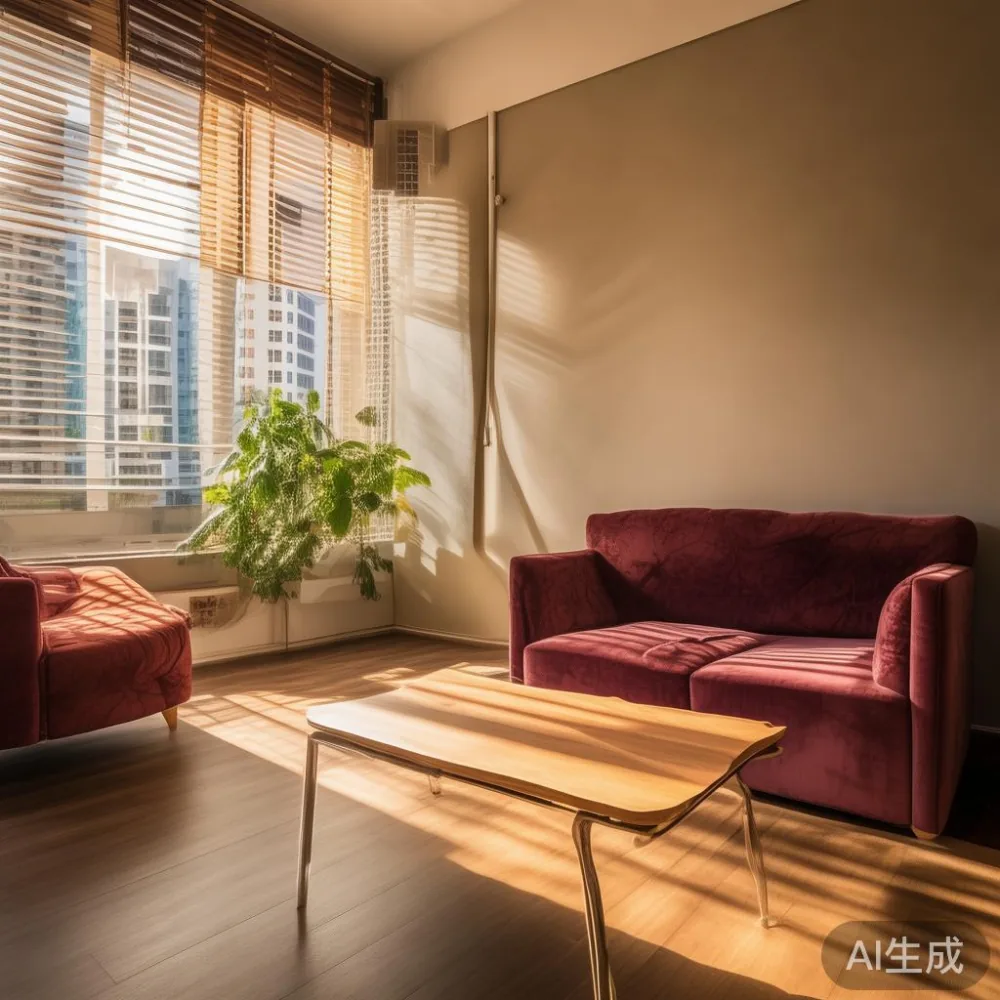
The other thing to identify is your light source. HDB and condo developers usually install cool white downlights around 4000 K, but most homeowners replace them with warm 2700 K or 3000 K bulbs because warm minimal reads warmer under warm light. Under 2700 K, the same oak sample can swing two full tones warmer than under 4000 K. Always check finishes under the exact bulb you intend to keep.
Can One Wood Finish Go With Every Wood Floor?
No, and that is where most color mismatch problems start. Wood has undertones, and undertones fight each other. Oak tends to read yellow. Walnut reads red-brown. Ash reads pinkish-grey. Teak reads orange-mahogany. If your floor is a yellow-oak laminate, pairing a reddish walnut solid wood sofa frame and a yellow-oak TV console will create two competing warmths that the eye reads as muddled. The fix is to choose pieces that share one of these three sub-families: yellow-wood, red-wood, or neutral-wood. Pick the family once, then let every wood piece stay inside it.
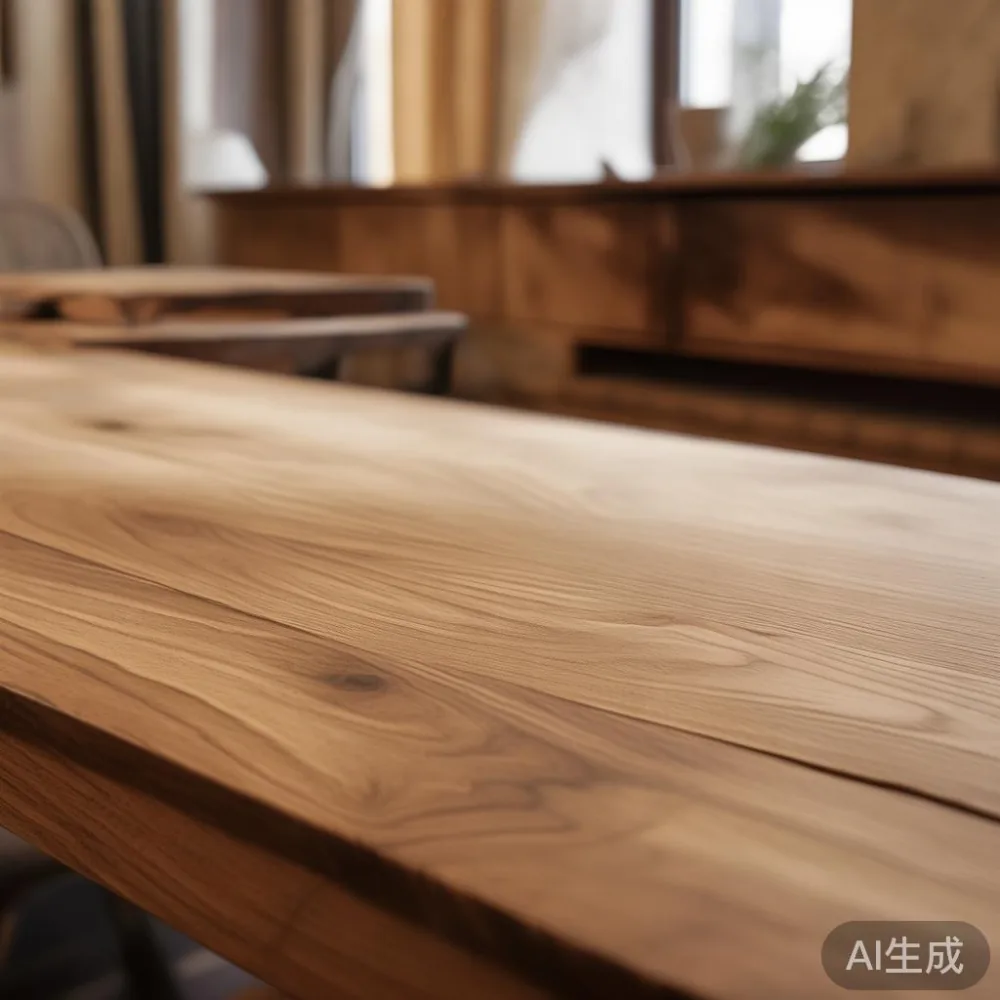
A practical rule: put the floor in one family, then pick one accent wood that sits one shade deeper. For example, a light oak floor with a mid-walnut dining table. Avoid stacking three woods of different undertones, especially in a small 90 sqm HDB where the eye cannot rest.
Is a Mid-Century Walnut Bed Frame Going to Look Heavy in a Cream Room?
Yes, if the walnut is unstained and 100 % solid. Raw walnut over a 1.8 m by 2 m master bedroom footprint reads as a furniture "block." But if you balance that block with a low American-style platform — say a 25 cm tall bed frame with a 5 cm headboard, no footboard, tapered legs — the cream walls around it become the frame. Solid wood is heavy at around 60 kg to 80 kg for a king-size bed frame, so the visual weight only works if you keep the silhouettes lean. That is also why how to style American bed in bedroom in a warm minimal flat usually comes down to one simple idea: keep the headboard slim, keep the legs visible, and never add a second heavy wood piece within 1 m of the bed.
If a low American platform still feels too heavy, you can step down toward a 15 cm Japanese futon-style base. That is also where the comparison Japanese bed vs Italian light luxury bed becomes useful: the Japanese route gives you air and floor contact, the Italian light-luxury route gives you upholstered curves and a soft headboard. For warm minimal in a 4-room HDB, the Japanese route normally wins on visual calm, while a French provincial bed frame styled in the line of modern French provincial furniture can suit a larger 5-room resale in Bedok or a Punggol condo with a balcony view. Picking one direction and staying there is what prevents color mismatch from appearing out of nowhere.
Why Does My Marble Table Look Green Next to the Wood?
Because most warm-grey marbles carry green veining, and green sits opposite red on the color wheel. Your walnut or cherry wood has red undertones. The clash is inevitable unless you either warm the marble (cream or honey-vein varieties such as Crema Marfil or Botticino) or cool the wood (move to ash, white oak, or a grey-stained teak). When MIDHILL ships marble table tops from its Foshan workshop, the team samples three shades per batch specifically to protect buyers from this exact color mismatch.
For a 90 sqm HDB, a 1.2 m round marble table seats four comfortably and clears the 1.2 m corridor turn. Pricing for a finished Crema Marfil top on a solid ash base typically lands between S$2,400 and S$3,800 in Singapore retail. If you want a darker walnut base, expect to add S$200 to S$400. Always order a 10 cm by 10 cm sample swatch under your downlights before paying the deposit, because the same marble reads drastically different at noon versus 8 pm.
Solid Wood Sofa or Upholstered Frame — Which Keeps the Calm?
An exposed-wood solid wood sofa arm or leg carries visual weight. An upholstered frame disappears. In a 4-room HDB living room of about 20 sqm, a 2.1 m three-seater with 8 cm exposed solid ash legs and a beige linen-blend cover reads softer than the same scale in dark walnut. The so-called American sofa vs Nordic sofa debate comes down to exactly this: American light luxury tends to feature chunkier wooden feet and deeper seats (around 60 cm), while Nordic-leaning sofas float on slimmer legs and lighter oak. For a warm minimal flat in Tampines with low ceilings around 2.7 m, the lighter-footed option usually wins because it keeps the floor line visible.
If you prefer a soft, curved silhouette instead, the French sofa vs Japandi sofa question is worth answering for your own home. French light luxury frames lean into rolled arms, cabriole-softened shapes, and a low-saturation velvet, often in a warm oat or clay tone. Japandi sofas stay boxier, with tight seats, visible wood, and linen or cotton covers. Both work in warm minimal; they just need different partners. French curves pair with a marble coffee table and brass lighting. Japandi lines pair with a low oak table and paper pendants. Mixing the two in one small living room is where you create the third kind of color mismatch — a style mismatch that the eye senses as a temperature difference between two pieces that should have been the same family.
Wardrobes, Nightstands, and the Smallest Pieces that Cause the Biggest Problems
A MIDHILL wardrobe in solid ash or oak usually runs 60 cm deep, 180 cm to 220 cm tall, and weighs between 90 kg and 130 kg. Two men are needed for delivery, and you must confirm your HDB service lift weight limit (commonly 250 kg to 300 kg) before scheduling. Because a wardrobe is a 2-metre vertical block of wood, it has the power to set the room's dominant undertone overnight. Choose its finish first, then build all smaller pieces around it. That hierarchy is what most magazines skip, and it is the single biggest protection against color mismatch in a small Singapore bedroom.
A nightstand is the small piece that almost always reveals your mistakes. If your bed frame is mid-walnut and your bedside table is light oak, the eye reads a stripey contrast the moment the lamp turns on. Pick the nightstand in the same wood family, ideally one shade lighter or darker than the bed, never both at once. For a 1.6 m wide bedroom in an HDB, a 45 cm by 40 cm two-drawer nightstand is the sweet spot. Anything deeper than 50 cm eats walking space; anything shallower than 35 cm cannot hold a 25 cm lamp base plus a glass of water plus your phone.
Lighting, Rugs, and the Singapore Variables Most Buyers Forget
Three things will quietly shift everything you just decided: the rug, the curtain, and the smart bulb. A rug with a cool grey pattern pulls every wood in the room cooler. A pure cotton curtain in cream lets wood read warm. A smart bulb that drifts to 5000 K at midday will turn honey oak into straw. Choose all three after the furniture arrives, not before. This single sequencing — floor, then wood, then textiles, then light — is the cleanest defense against a color mismatch that you only notice on day three of living with your new dining table.
You also need to factor in Singapore humidity, which sits between 70 % and 85 % for most of the year. Solid wood expands roughly 1 % to 2 % across the grain as humidity swings, which over 12 months can open hairline gaps at joints and slightly shift the surface tone. A 2.4 m dining table left near an uninsulated balcony door will bronze on the side closest to the glass. Position the table at least 1.5 m from any full-height glazing, or plan on 6-monthly conditioning oil.
Practical Singapore Checklist Before You Click Buy
Step one: measure every access point. Internal doors are typically 80 cm, bedroom doors 70 cm to 75 cm, lift openings 90 cm by 210 cm, corridor turns 1.2 m. A king-size solid wood bed frame in a flat-pack carton can run 215 cm by 110 cm by 25 cm, which clears most lifts once the carton is tilted, but will not fit through a 70 cm doorway fully assembled. Step two: ask for a swatch or a small showroom visit. MIDHILL ships 5 cm by 5 cm wood samples on request. Step three: lock the floor family first, then the wall color, then the wardrobe, then everything else. Step four: budget honestly, including 9 % GST on imported pieces, delivery that ranges from S$80 to S$220 for a single piece to most mainland addresses, and a 14-day return window in case the undertones still surprise you. Step five: keep a record of the wood species, the stain code, and the batch number so a future nightstand or dining chair can match without guesswork.
Avoid the urge to order everything in one afternoon. Warm minimal rewards patience, and any piece you bring into a Singapore flat becomes part of a 20-year surface story once humidity, sunlight, and use start to color it. If you walk past a finished sample at 10 am and still feel calm at 8 pm under your own lights, the piece will probably age well. If you wince at the door at any hour, save the S$2,000 or S$3,000 for a piece that does not force you to redecorate around it.
Will a Solid Wood Dining Table Get Damaged in My Flat? — A Reader Question
Yes and no. Solid wood dining tables survive Singapore flats very well, but only if you treat them like furniture and not like countertops. A 1.8 m to 2.4 m table seats six to eight people, weighs 45 kg to 70 kg, and survives daily use for 15 to 25 years. The two enemies are direct sunlight and standing water. Rotate the table 180 degrees every month if one end sits near a window, and wipe spills within 20 minutes. Use coasters under everything that holds cold or hot liquid. Refinishing once every 5 to 7 years costs roughly S$180 to S$350 for a 2 m table in Singapore and resets the surface tone entirely. With that rhythm, your warm minimal dining room stays coherent across decades, and you never have to recover from a color mismatch caused by sun-faded half-tables.
If you are sourcing from a Foshan-based maker like MIDHILL, ask whether the structural joints are mortise-and-tenon or doweled, what the warranty actually covers (the brand offers a 10-year structural warranty), and whether refinishing is part of the after-sale service. Lifetime or multi-year refinishing can quietly save you thousands of dollars across the life of a solid wood piece.
Sample Room Plans That Avoid Color Mismatch in Common HDB Layouts
For a 4-room HDB living room around 20 sqm with a north-facing balcony: floor in light oak, walls in Jotun Sensoft 10418 (warm putty), sofa in oat linen on ash legs, walnut dining table offset from the sofa, marble table round 90 cm in the corner on a brushed brass base, rug in undyed wool, downlights at 2700 K. For a 5-room Punggol condo with a 9 sqm entryway: floor in natural teak, walls in warm white, low American platform bed in mid-walnut, two 45 cm nightstands in ash, wardrobe in white-oak veneer to lighten the visual weight, pendant in paper, no competing woods.
For a small guest room of about 9 sqm to 11 sqm, the strategy titled Minimalist for guest room works best when the wardrobe is white-oak veneer to reduce block weight, the bed is a Japanese-style 12 cm platform, and the nightstand is a single 35 cm floating shelf in matching oak. Two textiles maximum — one cushion, one throw — keep the room breathable for visitors. Anything more crowds the floor and forces the eye to resolve competing undertones it was never meant to sort.
Final Thought on Sequencing, Not Spending
The mistake my friend in Bedok made was not the budget or the brand. It was the order of decisions. A warm minimal interior in Singapore is not built by spending more; it is built by deciding in the right sequence. Floor family first, wall tone second, largest wood piece third, smallest wood piece fourth, textiles and lights last. Stay inside one wood family for every room. Pull a swatch and view it under the bulbs you actually live with. Confirm lift and door measurements before you fall in love with a 220 kg showpiece that physically cannot enter your flat. When you do all of that, the word color mismatch stops being a threat and starts being a checklist item you have already ticked off.