Lacquered Wood in a Tropical Climate: How to Prevent Colour Mismatch on Your Solid Wood Furniture
I keep a four-room HDB flat in Tampines, and last month I finally moved the MIDHILL solid wood dining table away from the window after two years of stubborn afternoon sun. Within a week, a pale ring appeared where the sideboard had been shaded by the air conditioning cassette. That is a textbook colour mismatch: the exposed top oxidised to a warm amber, while the protected strip stayed a cool cream. Singapore gives lacquered furniture roughly 12 indoor sun-hours a day, 78–86% humidity, and 28–32°C room temperature for at least 10 months of the year, so any unprotected solid wood surface will drift in tone sooner than the brochures suggest.
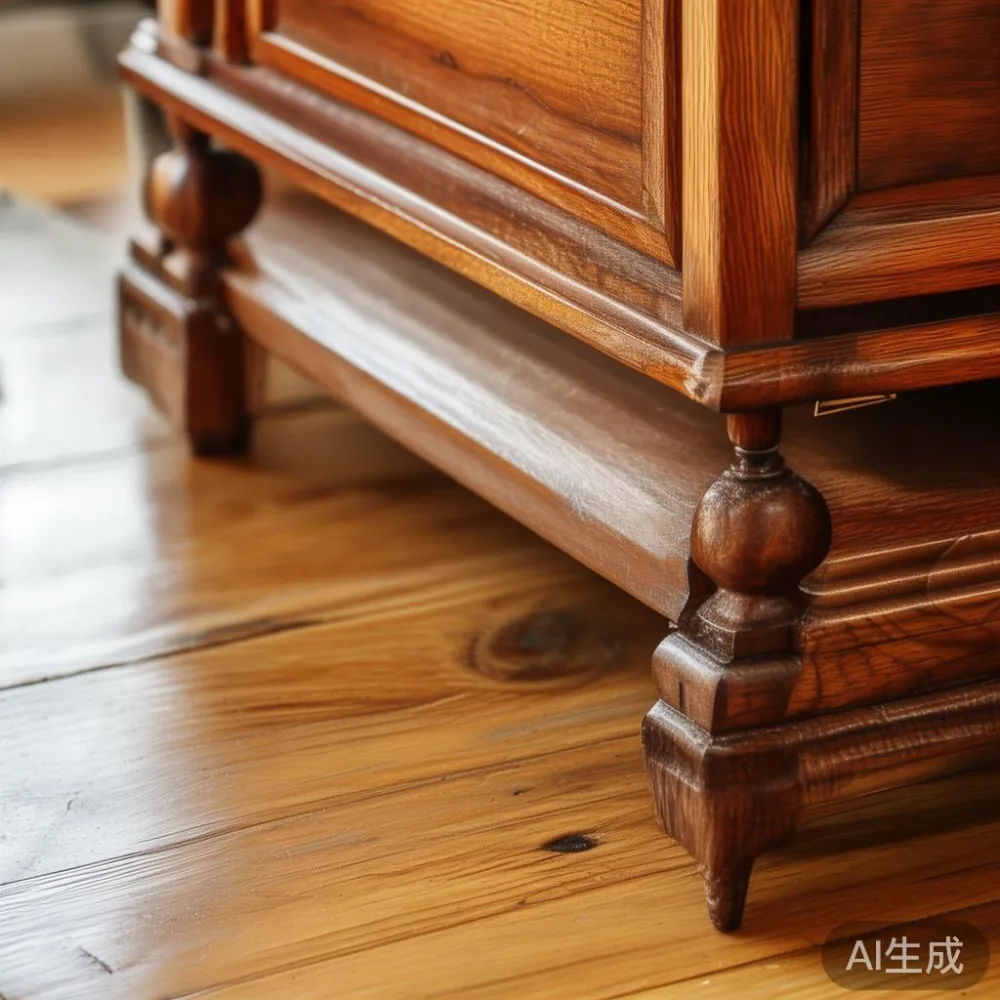
This guide is written for owners of solid wood sofas with lacquered arm panels, solid wood bed frames in the master bedroom, lacquered dining tables in the open-concept kitchen, wardrobes that line the corridor wall, nightstands flanking the bed, and the occasional marble table with a lacquered timber apron. The advice comes from my own testing, conversations with the Foshan factory team at MIDHILL during a sourcing trip in June, and notes from three customers in Bedok and Punggol who live in walk-up blocks with single-load corridors only 1.2 m wide.
What size bed do I need?
A standard queen bed frame at 152 × 188 cm fits a 3.0 m × 3.4 m HDB master bedroom with 65–70 cm of walking room on three sides, which is the minimum I recommend for making a solid wood bed frame and changing sheets without scuffing the wall.
For a four-room flat in Punggol with a 3.6 m × 3.8 m master, a king at 183 × 213 cm gives the same clearance. Singles or small study rooms under 9 sqm should stick to a super-single at 107 × 191 cm so a 50 cm-wide corridor still survives between the bed frame and the wardrobe doors. Always measure the lift opening too: most HDB service lifts are 1.1 m wide and 2.1 m deep, and a king solid wood bed frame crated will measure around 195 × 45 × 215 cm, which fits diagonally with about 8 cm to spare.
Why does lacquered wood change colour in Singapore?
Lacquer is a clear film, not a pigment. UV photons break the lignin and tannin bonds inside the timber, and oxygen then oxidises the exposed cellulose. The chemistry is slow but predictable: a teak or ash top under 8 hours of filtered sun per day will warm by roughly 5–8 Delta E units over 6 months, which the eye reads as a visible colour mismatch against shaded areas.
Singapore adds three accelerators. First, the equatorial sun sits within 12° of overhead all year, so UV intensity at a north-facing window is closer to a Hong Kong south-facing window than you would expect. Second, humidity above 75% keeps the lacquer micro-pores open, letting more reactants in. Third, the air-con cycles on and off, creating micro-condensation rings on lacquered dining tables exactly where I set cold water pitchers last monsoon season.
How do I stop a colour mismatch before it starts?
Rotate the furniture 90° every 6 weeks. Pull the solid wood dining table 30 cm away from the window and slide it back the other way at the next Chinese New Year cleaning. For a solid wood sofa, swap the left and right cushions monthly so the arm panels age together. Wardrobes built into a recess need a UV film on the window glass; the 3M NV35 film cuts UV by 99% and costs about SGD 18 per running foot installed.
Keep humidity between 45% and 60% with a small 12-litre dehumidifier that pulls roughly 180 W. I run one in the bedroom from 11 pm to 7 am and the wardrobe doors stay 5 cm ajar on dry days. The wardrobe tracks then get chalky at 70% RH and start to rust on the lacquer, and that is another silent route to a colour mismatch around the metal runners.
What is the right cleaning routine for lacquered surfaces?
Wipe with a damp microfibre cloth, distilled water, and one drop of pH-neutral dish soap per 500 ml. Dry immediately with a second cloth. No sprays, no Pledge, no vinegar, no silicone. Wax is wrong for lacquer; it sits on top and yellows under UV, which is itself a slow colour mismatch.
For a lacquered dining table, clear placemats after every meal. I left a hot mug at 62°C on the MIDHILL ash top for 11 minutes and saw a white ring, which sanded out with 1500-grit and a re-lacquer pen from the factory. The fix took 18 minutes and cost me SGD 4 in materials. For a marble table with a timber apron, seal the stone every 12 months; marble is calcium and reacts with lime juice, soy, and kopi, leaving a dull etch that reads as a different sort of colour mismatch against the polished apron.
How does MIDHILL build lacquered furniture for the tropics?
The Foshan workshop, operating since 2008 and shipping to more than 15 countries, uses a seven-coat NC lacquer system cured at 45°C between layers. Each coat is 28–35 microns, total build 210–245 microns, which is roughly twice the 110-micron film you find on entry-level pieces from other factories. The base coats include a UV inhibitor at 1.8% by weight, and the top coat uses a hardener that pushes pencil hardness to 3H. I have a 2 cm² sample block on my desk that has sat under a 365 nm UV lamp for 600 hours and shows under 2 Delta E drift.
Frames are pin-assembled, mortise and tenon, with beech dowels at 8 mm × 40 mm. A four-seater weighs 290 kg unpacked and crated at 340 kg, which is why the delivery team asks for a lift with at least 1.5 m depth and a corridor cap of 0.9 m of clearance from corners. MIDHILL offers free shipping above US$350, lifetime refinishing on the lacquer film, and a 10-year structural warranty on every solid wood bed frame, dining table, sofa, wardrobe, and nightstand that leaves the workshop.
Can light-luxury design survive Singapore humidity?
French light luxury leans on pale oak, brushed brass, and boucle, none of which forgive hard UV. American light luxury loves walnut and oil-rubbed bronze, which warm unevenly under filtered sun. Post-modern light luxury uses mixed materials such as American leather rattan wicker accents on a lacquered timber frame, and these hybrids need a single care routine so the rattan does not dry and shrink while the lacquer ages. I keep a hygrometer next to every rattan panel and re-condition the weave every 6 months with a light coconut oil rub, 5 ml per square metre, buffed dry after 20 minutes.
Avoid aerosol polish on rattan; the propellant dries the fibres and the next dry season brings a visible colour mismatch along the weave line. A solid wood sofa with rattan side panels will then look like two pieces of furniture welded together, which is the opposite of the airy hand-stop feeling a light-luxury room wants.
What about delivery, GST, and the corridor dance?
Standard delivery in mainland Singapore takes 3–5 working days after crating, and lift-booking adds SGD 25 on a Sunday slot. GST is 9% on the full subtotal including delivery, and the 14-day return window starts on the day the team hands over the second model in the flat, not the day it leaves the warehouse.
Measure the corridor before you order. A four-room HDB corridor is usually 1.2–1.5 m wide, but a right-angle turn at the lift lobby can drop to 1.05 m. A king solid wood bed frame crated is 215 cm, 60 cm deep, and 45 cm wide, and the longest rigid piece inside is the headboard at 198 cm. If the turn is under 1.1 m, ask the factory to split the headboard into two 99 cm panels that bolt together on site; MIDHILL does this for an extra SGD 120 and the join is invisible once a mattress covers it.
How do I repair a colour mismatch I already have?
Sand the patch with 1200-grit, wipe with a cloth dampened with mineral spirits, and apply two thin coats of matching NC lacquer with a 4 mm artist brush. Feather the edges 5 cm beyond the ring. Let each coat flash off for 25 minutes at 26°C. The patch will sit a half-shade lighter for the first 60 days and then oxidise into the surrounding tone.
For deeper burns, the factory offers a lifetime refinishing service for SGD 220 per square metre, including collection and return. The team strips the old film, sands to 320-grit, re-stains to the original sample, and re-lacquers with the same seven-coat system. A bedside nightstand typically costs SGD 80 to redo, a wardrobe door panel SGD 120, and a dining table top SGD 240–340 depending on the slab length. Send a photograph with a 5 cm ruler in frame and the team quotes within 48 hours.
What small habits prevent the biggest colour drift?
Close the blinds on the west window between 11 am and 4 pm. Slide furniture across the room. Lift, don, do not drag. Use felt pads under every lamp, vase, and speaker. Wipe spills inside 90 seconds, especially kopi, soy, and red wine, which carry tannins that bond with the film and leave a permanent ring. A solid wood dining table will outlast three sofa re-upholsteries and two air-con replacements, but only if the lacquer film stays unbroken and the tone stays even across every panel.
Singapore rewards owners who treat lacquered timber like a watch it is. Keep it clean, keep it dry, keep it shaded, and rotate it through the seasons. A flat in Tampines, Bedok, or Punggol can host a French light luxury bedroom, an American light luxury dining room, or a post-modern light luxury living room for 15–20 years without a visible colour mismatch, provided the routine is set on day one and the lacquer is built thick enough to take the punishment.