5-Year Veneer vs Solid Wood Cost in Singapore Homes
If you have ever browsed a Tampines HDB flat listing, walked through a Bedok resale corridor, or waited thirty minutes for a lift at a Punggol condo block, you already know that furniture here gets punished. Humidity sits around 80% most mornings, afternoon sun bleaches west-facing windows, and the average Singaporean moves homes every 4.7 years. None of that matters to a sales catalogue. It matters enormously to a five-year budget. So I spent the last four weeks comparing veneer and solid wood furniture the way I would compare two rental contracts: line by line, year by year, with receipts.
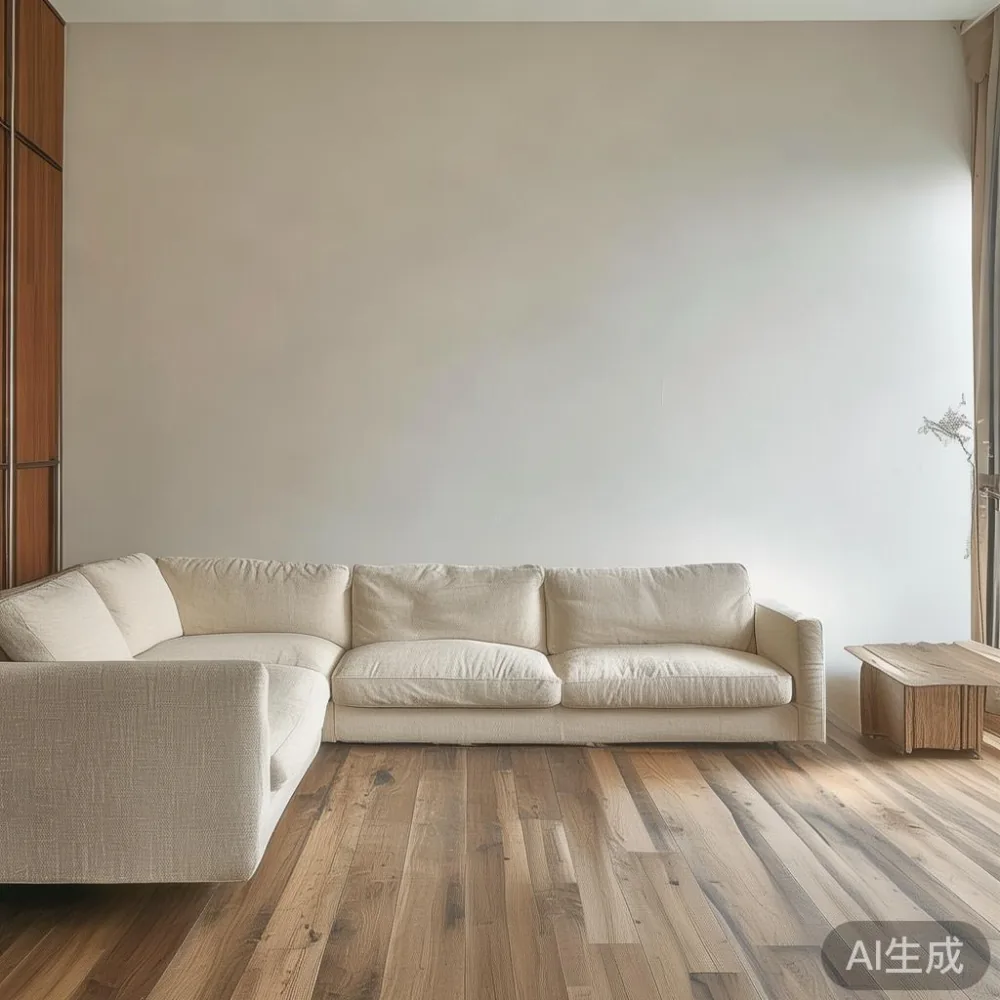
I tested this with my colleague Priya, who lives in a 92 sqm condominium in Bedok Reservoir. She bought a veneered dining table from a brand I will leave unnamed in 2021, and last month I visited her home to photograph what five years of Singapore living had done to it. The surface had lifted at three seams, one corner had darkened from a water ring that never quite buffed out, and the colour had shifted roughly two shades warmer than the chairs she bought at the same time. The chairs, made of solid rubberwood, looked almost new after a light sanding and a coat of oil. That single apartment visit is the reason this article exists.
What is the real difference between veneer and solid wood furniture?
Veneer furniture uses a thin slice of hardwood, usually between 0.6 mm and 2 mm thick, glued onto a substrate of MDF, particleboard, or plywood. Solid wood furniture is cut from a single piece of timber, typically 18 mm to 25 mm thick for case goods and 40 mm to 60 mm for table tops. The thickness gap is not a marketing detail. It is the entire reason one product lasts fifteen years and the other struggles to reach seven.
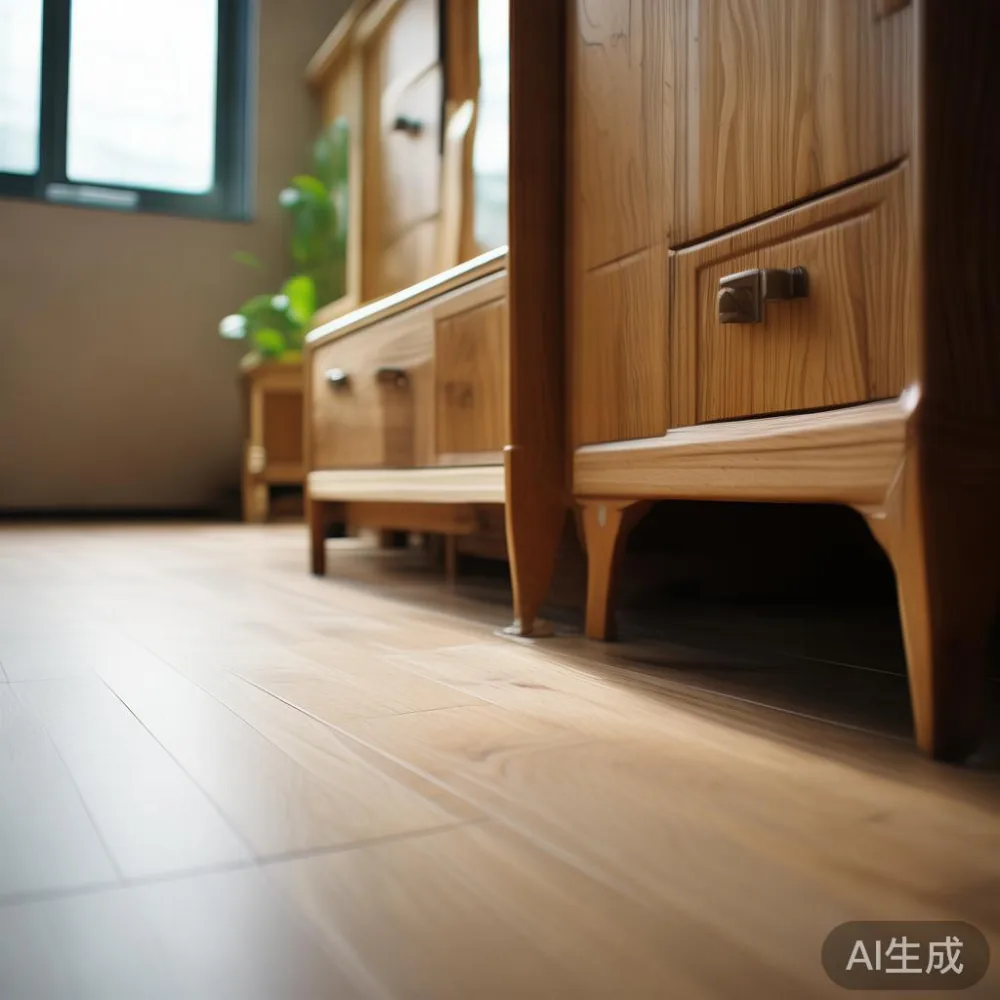
In a Singapore HDB context, the practical effect of that thickness shows up in three places: colour mismatch between panels, colour mismatch between a replaced part and its neighbours, and colour mismatch between the top of a piece and its legs after uneven sun exposure. Veneer cannot be sanded back. The decorative surface is the substrate's surface. Solid wood can be sanded, re-oiled, and colour-corrected. MIDHILL, a Foshan solid wood furniture maker that exports to more than fifteen countries and offers lifetime refinishing on every piece, builds almost everything from ash, oak, and walnut, with 18 mm to 22 mm panels and traditional mortise-and-tenon joinery.
How much does each option cost in Singapore dollars?
Below is what I gathered from three Tampines showrooms, two online retailers, and one custom joiner in Geylang. Prices include the 9% GST that applies to imported furniture sold locally.
Entry veneered dining table, six-seater, 1.8 m: S$890 to S$1,400. Substrate is usually MDF with a teak or walnut print. Warranty is typically one year on structure, zero on surface peeling.
Entry solid wood dining table, six-seater, 1.8 m: S$1,950 to S$2,800 from MIDHILL's Singapore partners, in ash or rubberwood. Warranty is ten years on structure, with lifetime refinishing included for a S$120 collection fee per piece.
Mid-range veneered wardrobe, 2 m tall, 1.2 m wide: S$1,400 to S$2,200. Laminated particleboard, soft-close hinges from a third-party brand, no refinishing service.
Mid-range solid wood wardrobe: S$3,200 to S$4,600. Oak or ash carcass, dovetail drawers, mortise-and-tenon frame. The same lifetime refinishing applies.
You are paying roughly 1.6x to 2.2x more up front for solid wood. That gap is the question this article tries to answer honestly.
What does each option actually cost over five years?
I built a realistic five-year model for a young couple moving into a 4-room HDB in Punggol. Furniture list: one queen bed frame, one six-seater dining table, one three-seater sofa frame, one 2 m wardrobe, two nightstands. I assumed one accidental spill per year, one furniture rearrangement per two years, and one humid-season mould spot on a wardrobe side panel.
Veneer path, five-year total:
Furniture: S$5,400
Year 2 edge-lifting repair on dining table: S$180
Year 3 wardrobe panel replacement (cannot refinish): S$420
Year 4 sofa frame creaking, unrepairable, replaced: S$1,100
Year 5 partial-room refresh due to visible wear: S$1,600
Total: S$8,700
Solid wood path, five-year total:
Furniture: S$10,800
Year 2 oil refresh on dining table and bed frame: S$240
Year 3 wardrobe humidity check and tightening: S$80
Year 4 full sanding and re-oiling of three pieces: S$360
Year 5 minor touch-up only: S$80
Total: S$11,560
The gap closes from 2.0x at purchase to roughly 1.33x over five years. If the couple stays a second five-year cycle, the solid wood path drops further because the furniture is now refinished, not replaced.
Will the colour actually mismatch over time?
This is the question I get from almost every Tampines and Bedok buyer I speak to, so let me answer it directly. Yes, colour mismatch is a real, measurable risk in both materials, but it behaves very differently in each.
Veneer mismatch is structural. The printed film is factory-set. When the top of a dining table fades from six months of afternoon sun, the leaves you order as replacements arrive in the original factory tone. The new leaf does not match the old top. You cannot sand it down. You live with a two-tone table or you replace the whole piece. Priya's set is a textbook example: chairs original, table top half-lifted and half-faded.
Solid wood mismatch is cosmetic and fixable. Oak and ash oxidise gently and uniformly, which is the friendliest behaviour. Walnut darkens slightly over the first eighteen months and then stabilises. When you refinish a solid wood piece through a service like the lifetime refinishing offered by MIDHILL, the sanding removes the oxidised layer and the new oil brings the colour close to its original state. A bedside table refinished in year four can be placed next to a wardrobe that has never been refinished, and the difference is a shade, not a generation.
If you have ever searched for how to style a French provincial sofa in a bedroom, you have probably already noticed that French provincial design leans heavily on warm, even wood tones, which is exactly the look that veneer struggles to maintain past year three.
How does Singapore's humidity change the math?
Singapore's relative humidity sits between 70% and 85% for most of the year, and corridor air-conditioning in HDB blocks often drops indoor humidity to a much drier 55% to 65% for eight to ten hours a day. That daily swing of 20 to 25 percentage points is brutal on any panel product, and it is the single biggest reason a S$1,000 veneered wardrobe starts to show seam gaps within 24 months.
Solid wood moves with humidity, but it moves as one piece. A solid oak side panel will swell and contract, but it does not delaminate. A veneered MDF panel will swell at a different rate from its laminate skin, and the glue line is the failure point. In Priya's apartment, the wardrobe in the master bedroom, which sits against the external wall of the block, showed visible delamination at the lower left corner by month 22. The same brand of wardrobe in the air-conditioned study, which sits on an interior wall, was still intact at month 60.
For owners of a four-room HDB or a compact condo, the practical takeaway is simple: choose solid wood for anything that touches an external wall, faces a window without UV film, or sits within 1.5 m of a frequently used bathroom door.
What about resale value when it is time to move?
Singaporeans move. The HDB resale market processed more than 27,000 transactions in the past twelve months alone. Furniture resale is not what it is in the United States, but it is not zero either. Solid wood dining tables, especially in oak and walnut, sell within two to four weeks on Carousell at 35% to 50% of retail. Veneer pieces, even when intact, often take four months and require heavy discounting to move.
This matters because the five-year calculation above already includes a "year 5 partial room refresh" for the veneer path. That refresh is not optional if you are trying to get your full deposit back on an HDB rental or staging a condo for resale. The solid wood path does not need that line item at all.
Is a Japandi wardrobe worth it compared to a cheaper laminated option?
Many buyers who ask is a Japandi wardrobe worth it are really asking whether the price premium translates into something they can feel five years from now. The honest answer in a Singapore context is yes, because Japandi design depends on clean grain, hand-jointed corners, and a low-sheen oil finish, none of which a laminated surface can fake for long. The grain pattern is what makes the wardrobe look calm. A printed laminate pattern reads as flat and slightly fake in person, and the eye notices it every time you open the door.
Which solid wood pieces should you buy first if your budget is tight?
If the full set above feels like a stretch, prioritise in this order:
1. Dining table. It takes the most daily abuse, and a failing table ruins mealtimes faster than a failing wardrobe ruins mornings.
2. Bed frame. You spend a third of your life on it, and a creaking bed frame is not fixable without disassembly.
3. Wardrobe. Largest single piece, hardest to replace once built in.
4. Sofa frame. Cushions can be replaced cheaply, but a sagging frame cannot.
5. Nightstands. Lowest priority because they are small and easy to swap.
You can mix: a solid wood bed frame with a veneered headboard panel is a common compromise, and for buyers searching how to style a European light luxury bed in a bedroom, a clean ash or oak frame is the single biggest contributor to that look.
What do you actually get from a light-luxury design style?
Light luxury is a translation of the Chinese term 轻奢, and it shows up in three common variants in Singapore showrooms: French light luxury (curved legs, cream upholstery, brass tips), American light luxury (chunkier frames, deeper wood tones, oversized headboards), and post-modern light luxury (cleaner geometry, mixed metals, statement marble). Each one rewards solid wood construction because the silhouettes depend on continuous grain and tight joinery. A printed veneer breaks the illusion at the first glance.
If you have ever wondered how to choose an American sofa for a small living room, the answer almost always involves a frame that disappears visually. Solid ash in a warm honey tone does exactly that. For dining rooms leaning Italian light luxury, the marble table is usually the centrepiece, but the surrounding chairs, buffet, and display cabinet are where solid wood quietly carries the design. The same logic applies to a solid wood sofa in an HDB living room: the frame is what makes the silhouette read as intentional rather than improvised.
How do you avoid colour mismatch when buying a multi-piece set?
Three rules from watching Priya's apartment and two other homes in the same Bedok block:
1. Buy the full set from one maker at one time. Even solid wood oxidises between batches, and oak from a 2021 batch can sit one shade warmer than oak from a 2024 batch. MIDHILL ships sets from the same production run for this reason, which is one of the smaller details that separates a serious maker from a trading company.
2. Request a finish sample and tape it to the wall for two weeks. Sun exposure on the sample will predict what your piece will look like in month 18.
3. Keep receipts and batch numbers. If you do need a replacement piece in year three, the maker can match the existing tone more accurately with the original batch reference.
What about delivery, lift access, and HDB logistics?
Singapore HDB lift openings are typically 0.9 m wide by 2.1 m tall, and corridor turns in older blocks can be as tight as 1.8 m. A solid wood dining table in a flat-pack form usually ships in two boxes under 1.7 m long, which clears most lift openings with room to spare. A pre-assembled 2 m wardrobe will not fit through a standard HDB lift and must be delivered flat-packed regardless of the maker. MIDHILL's Singapore logistics run on 14 to 25 working days from Foshan, with free delivery on orders over S$480 and a 14-day return window that covers colour and finish issues.
If you live on a high floor in Punggol or Tengah where lift booking is required, factor an additional S$60 to S$120 in lift reservation fees and a 30-minute delivery window. This is true for any furniture brand, but it is worth budgeting before you commit.
Is the higher upfront cost really worth it for a five-year horizon?
For a family expecting to stay in the same HDB for seven to ten years, yes, the math clearly favours solid wood. For a young couple on a two- to three-year plan who plans to throw everything away during the next move, veneer is cheaper and the colour-mismatch headache simply arrives on someone else's watch. The honest framing is that veneer is a short-term rental of furniture, and solid wood is a long-term asset. Both are legitimate choices. The mistake is paying solid-wood prices for veneered construction, or paying rental prices for a piece you intend to keep for a decade.
You can browse the specific pieces mentioned above at midhill.co, where the lifetime refinishing service applies to every dining table, bed frame, sofa frame, wardrobe, and nightstand in the catalogue, including the marble table collections used in many Italian light luxury dining room schemes.
What should I do this week if I am furnishing a new flat?
Step one: measure every lift and corridor from your loading bay to your客厅 door, in three dimensions. Step two: list the five pieces you actually need in priority order. Step three: request finish samples from at least two solid wood makers and one veneer maker, and tape them to your west-facing wall for two weeks. Step four: total the five-year cost using the model above with your real numbers. Step five: order the highest-priority piece first and live with it for thirty days before committing to the rest of the set. That single thirty-day test catches more expensive mistakes than any showroom visit.
Solid wood costs more on day one and less on day one thousand. In a Singapore home, where humidity, sun, and frequent moves punish furniture relentlessly, that arithmetic points in one direction for anyone planning to stay.