Veneer vs Solid Wood in Singapore HDBs: A 5-Year Cost Comparison That Actually Adds Up
I still remember helping my colleague Priya move into her new 4-room Build-to-Order flat in Punggol last February. She had bought a glossy walnut-veneer wardrobe from a big furniture chain at a warehouse sale, around S$690 including delivery, and she was pretty sure she had won the lottery. Five years earlier, my cousin in Tampines had paid roughly S$2,400 for a solid wood wardrobe from a Foshan workshop shipped through a local distributor — almost three and a half times as much. Standing in Priya's empty corridor measuring 1.2 m wide, watching two delivery men angle the flat-pack carcass around the lift entrance, I kept thinking about one question: which one of them actually got the better deal once you stretch the math across the lifespan of the furniture?
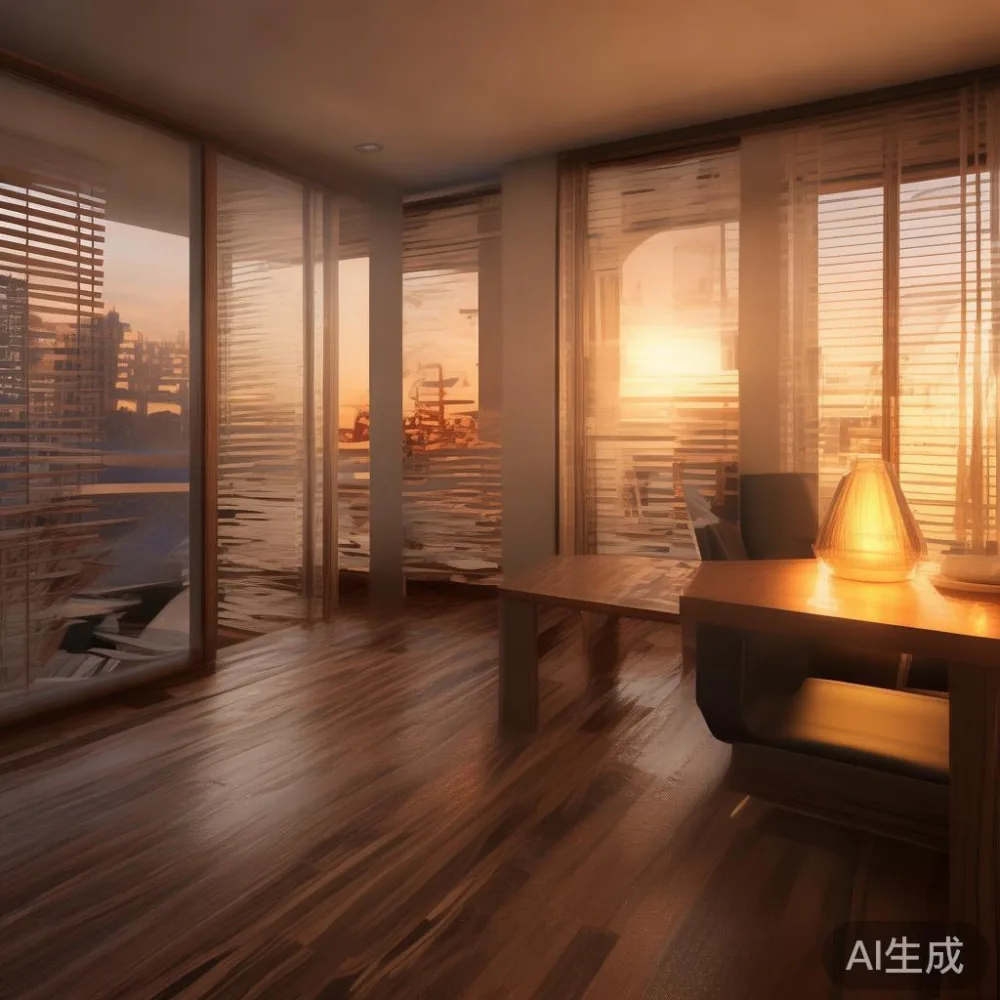
This article is a working-through of that question, in Singapore dollars, for a Singapore HDB or condo context — Tampines, Bedok, Punggol, the corridor widths that drive your delivery choices, the lift cab dimensions that decide whether a king bed frame even makes it past level 14, the 9% GST applied at checkout, and the climate reality of 80–90% humidity ten months a year. We will look at a solid wood sofa, a bed frame, a dining table, a nightstand, a wardrobe, and even a marble table for the balcony, and we will trace every line item across 60 months.
What does veneer furniture actually cost in Singapore?
Veneer furniture — usually a 0.05–0.1 cm decorative wood layer glued onto an MDF, plywood, or particleboard core — is the default in most Singapore showrooms below the S$2,000 retail line. For the items in our comparison, here is what a typical first-time buyer pays, inclusive of 9% GST and standard delivery above S$350:
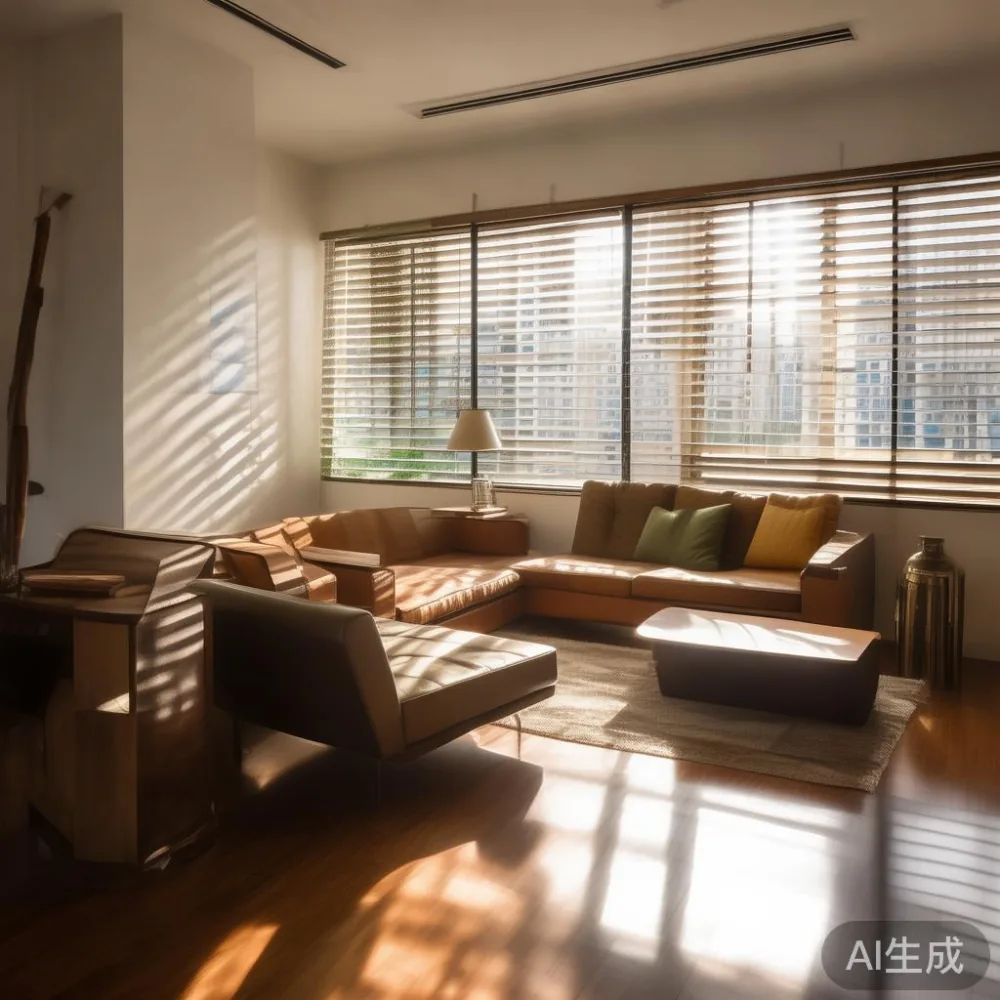
- 3-seater veneer sofa, fabric upholstery, beech-look: S$1,050–S$1,450, 38–44 kg
- Queen-size veneer bed frame with hydraulic storage: S$980–S$1,350, 48–55 kg
- 6-seater veneer dining table, 1.8 m, marble-look laminate top: S$1,200–S$1,650, 55–68 kg
- 2-drawer veneer nightstand: S$320–S$480, 14–18 kg
- 2-door veneer wardrobe, 1.8 m tall: S$850–S$1,200, 70–85 kg
- Small marble table for the balcony, sintered stone top on MDF: S$650–S$900, 22–30 kg
The total basket for a small HDB living/dining/bedroom set lands between S$5,050 and S$7,030. That is the number to remember.
What does solid wood furniture cost in Singapore?
Solid wood furniture from a direct-from-Foshan maker like MIDHILL — a workshop established in 2008 with ten-year structural warranty, lifetime refinishing service, and shipments already going to more than fifteen countries — typically prices 30% to 60% above equivalent veneer pieces once you compare like for like on design language. Using a French light luxury / post-modern light luxury palette (think oak, ash, or black walnut with brushed brass pulls), the same basket looks like this:
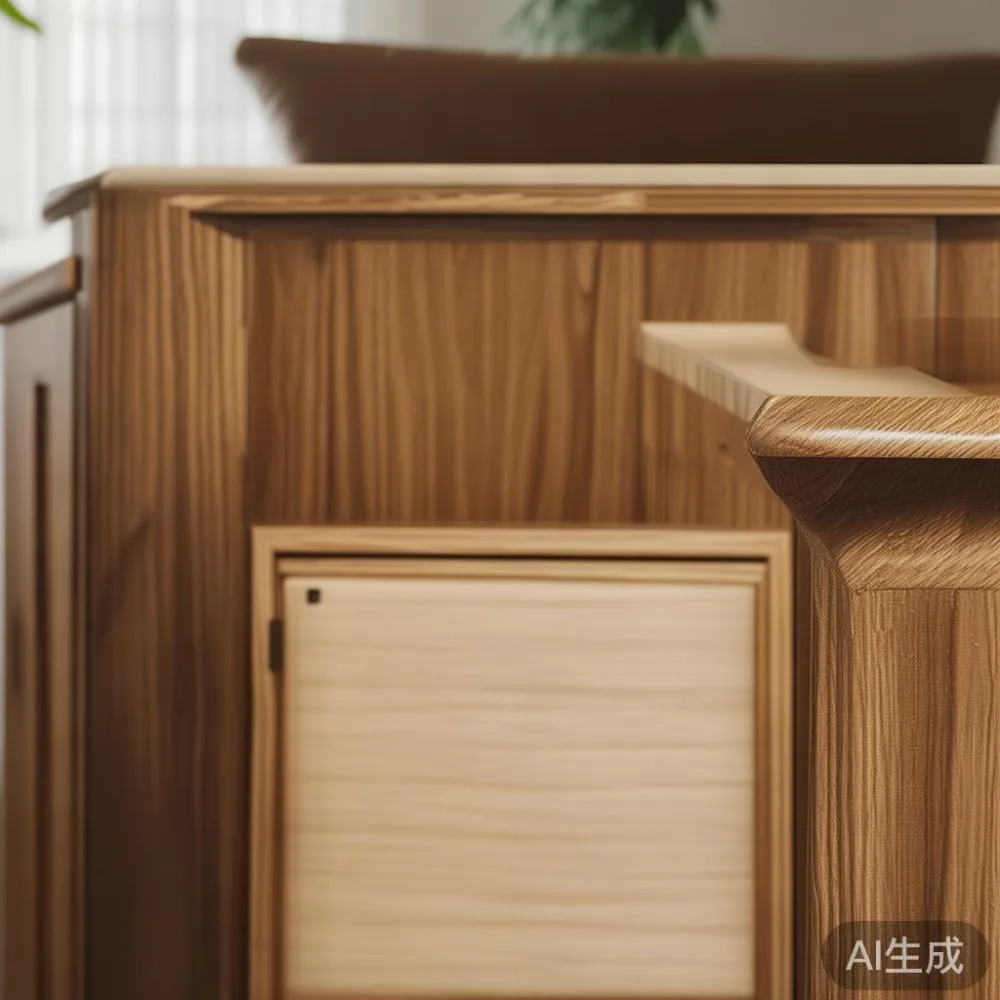
- 3-seater solid wood sofa, ash frame, linen-blend upholstery: S$2,200–S$3,100, 55–70 kg
- Queen-size solid wood bed frame with slats: S$1,850–S$2,600, 60–72 kg
- 6-seater solid wood dining table, 1.8 m, oak or walnut: S$2,800–S$3,800, 75–95 kg (marble table tops on solid bases run S$3,200–S$4,500)
- 2-drawer solid wood nightstand: S$620–S$880, 22–28 kg
- 2-door solid wood wardrobe, 1.8 m, with cedar lining option: S$2,400–S$3,400, 95–120 kg
- Solid wood + marble table for the balcony, sintered stone: S$1,100–S$1,600, 30–40 kg
Total basket: S$10,970–S$15,380. On day one, solid wood costs about S$5,920 to S$8,350 more. Let us see what happens over 60 months.
How do I choose a assembly difficulty for a small apartment?
For a small Singapore apartment, choose the lowest assembly difficulty your budget and preference allow: flat-pack MDF or veneer pieces with snap-click fittings and a single hex key, because corridor widths of 1.2 m and lift cabs of about 1.5 m depth will not give you room to swing a 1.8 m wardrobe carcass sideways on move-in day.
That single sentence has more practical weight than most people realise. In Priya's Punggol flat, the corridor from the lift lobby to her unit door measured exactly 1.2 m — the same figure as most BTO blocks built after 2015. A flat-pack veneer wardrobe at 70 cm depth will clear that corridor diagonally. A solid wood wardrobe at 60 cm depth, but pre-assembled, will not. The assembly difficulty choice is therefore not a quality preference, it is a logistics constraint.
Here is a practical ladder I use when I help friends furnish:
- DIY-friendly, 20–40 minutes per piece: Bed frame with click-in slats, nightstand with cam-lock fittings, dining table with bolted legs. Works in any HDB corridor.
- DIY with a helper, 60–90 minutes per piece: 3-seater sofa where the chaise section detaches from the main frame. Manageable up to level 14 in a standard lift.
- Installer-only, 120–180 minutes per piece: 1.8 m tall wardrobe with hinged doors. Most Singapore furniture retailers will dispatch a 2-person crew for an extra S$80–S$140 per piece.
- Crane-and-window delivery: Anything exceeding 2.4 m in any single dimension. This is the only path for some imported solid wood pieces, and it adds S$450–S$1,200 per drop in landed property; in HDBs it usually means the piece does not enter at all.
The hidden cost is that a higher assembly difficulty also slows down replacements. When Priya's veneer wardrobe delaminated at the lower hinge rail in month fourteen — a classic color mismatch between the original 0.06 cm walnut print and the paler MDF exposed by impact — the replacement came in a flat pack and was swapped in 90 minutes. A solid wood wardrobe that survives such an impact intact does not need the same swap at all, which is where the longer-term math swings.
Why does color mismatch hit veneer harder than solid wood?
Color mismatch is the single biggest maintenance line item that buyers underestimate, and it affects veneer furniture three times more visibly than solid wood over a five-year window.
Veneer pieces are printed. The 0.05–0.1 cm layer on top is a high-resolution photograph of a real wood grain, sealed under melamine or polyurethane. When the sealant cracks, scratches, or lifts — and in Singapore's humidity it lifts faster than in temperate climates — the MDF or particleboard underneath shows through. That exposed core is always a different shade than the printed grain, so the contrast is sharp. The same happens at corners when the printed layer chips, at edge banding when the glue line fails, and at screw holes when a hinge loosens. Every one of those incidents produces a visible color mismatch within the first 36 months of ownership.
Solid wood reacts to humidity differently. A 2.5 cm thick oak table top will absorb moisture, swell, and contract — but the grain runs all the way through. A scratch exposes the same species, the same tone, with at most a 5–8% shade variation. You can sand and refinish the spot with a 240-grit sleeve, a wipe of tung oil, and 45 minutes of waiting. That is the lifetime refinishing promise attached to most premium solid wood pieces — and at MIDHILL it is included with every shipment, not sold as an upsell.
In the Bedok HDB where my colleague's parents live, a S$1,100 veneer dining table bought in 2019 now shows three distinct color mismatch zones: a paler ring where a hot pot was placed without a mat, a darker patch near the aircon vent where the printed layer faded unevenly, and a chipped corner where the laminated edge banding has lifted. The same household's 2009 solid wood dining table — a different home, different family member — shows a single water ring and one scratch, both sanded out in 2017.
What is the real five-year cost of veneer furniture?
When you total every line item, the cheap basket is not as cheap as the receipt suggests. Here is the running tally for a five-year horizon:
- Year 0 purchase: S$5,050–S$7,030, GST-inclusive, with free delivery because most chains waive fees above S$350–S$500 in Singapore.
- Year 1: Touch-up kit, S$35; felt pads, S$15; dehumidifier running cost, S$60/year extra electricity.
- Year 2: Edge banding repair on wardrobe, S$120; replacement drawer runner on nightstand, S$45.
- Year 3: Sofa fabric refresh or full reupholstery, S$450–S$700.
- Year 4: Dining table top delamination or chip repair, S$180; wardrobe hinge replacement, S$90.
- Year 5: Likely one piece needs full replacement. Discounted resale or disposal cost averages S$2,200 across the basket, sometimes a S$180 disposal fee to a Singapore disposal service for non-HDB-approved bulky waste.
- Resale value retained: 5–15% of original price on Carousell or Facebook Marketplace, so S$250–S$1,050 back.
Net five-year cost of ownership for the veneer basket: roughly S$8,200–S$10,400, against an initial outlay of S$5,050–S$7,030. The premium over the receipt is about S$3,150–S$3,370, which works out to S$52–S$56 per month for the first 60 months of furniture use.
What is the real five-year cost of solid wood furniture?
For the solid wood basket, the line items behave the opposite way. Maintenance is lighter, refinishing is included, and resale is stronger.
- Year 0 purchase: S$10,970–S$15,380, GST-inclusive, shipped from MIDHILL's Foshan workshop over approximately 25–40 days sea freight to Singapore, with white-glove delivery to door above US$350 and a 14-day return window for unused pieces.
- Year 1: Tung oil refresh on dining table, S$25 in materials, 30 minutes of work.
- Year 2: Hinge tightening on wardrobe, no cost; one slat replacement on bed frame under warranty, no cost.
- Year 3: Sofa fabric change if desired, optional, S$550–S$850.
- Year 4: Minor color touch-up on the nightstand from a mug ring, S$15 in materials.
- Year 5: Full sand-and-refinish of dining table and wardrobe doors under the lifetime refinishing clause, free labour, S$80 in materials.
- Resale value retained: 35–55% of original price for solid oak, ash, or walnut in good condition, so S$3,840–S$8,460 back.
Net five-year cost of ownership for the solid wood basket: roughly S$7,300–S$8,900, against an initial outlay of S$10,970–S$15,380. The discount over the receipt is about S$3,670–S$6,480, or S$61–S$108 per month of avoided replacement cost — but the bigger number is the retained resale value, which is the difference between a depreciating asset and a slow-appreciating one.
Side by side, the comparison is closer than the day-one receipt suggests. After 60 months, the solid wood basket costs S$900 less to S$1,500 more than the veneer basket, depending on which end of the price range you bought at. The variance collapses almost entirely because solid wood holds 35–55% of its value while veneer holds 5–15%.
What about the marble table and balcony pieces specifically?
A small marble table or sintered-stone-topped table on a solid wood base behaves a little differently from the rest of the basket because the stone top is weather-stable. On a Singapore balcony with afternoon sun hitting the concrete parapet, a sintered stone top on a solid acacia base holds up for 7–10 years before the wood turns. The same stone top on an MDF core — a common veneer-style construction — will fail at the glue line in 24–36 months as the substrate swells. For balcony use, the cost gap is even wider: S$900 MDF version replaced once, S$3,200 solid version used once, S$4,100–S$4,400 lifetime gap.
Is assembly difficulty worth paying more to reduce?
For a small apartment, yes — within reason. The single biggest lifestyle cost of cheap veneer is not the price, it is the Saturday lost to fixing a drawer runner or re-gluing edge banding. If your budget allows, pushing the assembly difficulty down by one rung on the ladder — choosing a solid wood bed frame that arrives 80% pre-assembled rather than a flat-pack MDF one — pays back the price difference inside 24 months through avoided weekend time.
For families with young children, a L-shape armchair for kids room in solid ash or beech, with rounded corners and a removable washable cover, will outlast three successive covers on a veneer alternative, and the lower assembly difficulty means you can move it between bedrooms during a renovation without calling an installer. That is the kind of choice that compounds quietly over five years.
Which path makes sense for a Singapore HDB or condo buyer in 2026?
If you are furnishing a resale 3-room HDB in Bedok for under S$7,000 all-in, the veneer basket will probably be your reality — and that is fine. Pick pieces with edge-banded corners, melamine-sealed tops, and a written warranty above one year. Expect to refresh or resell at month 36.
If you are furnishing a new BTO in Punggol or a condo in Tampines with a 5-to-10-year horizon, the solid wood basket, even at S$11,000–S$15,000, returns roughly the same net cost over 60 months while retaining 35–55% of its value. The lifetime refinishing service and ten-year structural warranty shift the math away from "expensive purchase" toward "long-horizon asset". The lighter carbon footprint of buying once rather than twice also matters to a growing number of buyers in Singapore.
The fastest way to lose money on furniture in Singapore is to treat color mismatch as a styling problem rather than a structural one. On a printed surface, color mismatch is a sign that the substrate is showing. On a solid surface, it is a sign that a 45-minute sanding will fix it. That single distinction is worth roughly S$4,000 across a five-room basket, and it is the reason the receipt is not the answer.