Solid Wood vs Veneer in Singapore: The Real 5-Year Cost, the Color-Mismatch Risk, and a Sintered-Stone Return Question Answered
I bought my first dining table the year I moved into a 4-room HDB flat in 2017. It was a 180 cm veneer table with a marble-print top from a neighbourhood shop in Tampines. The price was comfortable, the lift access was painless, and the salesman promised me the family would love it. Five years is the same horizon I now ask every client to hold in mind when they weigh a solid wood dining table against a veneered one — because furniture is one of the few purchases where the receipt is only the beginning of the story.
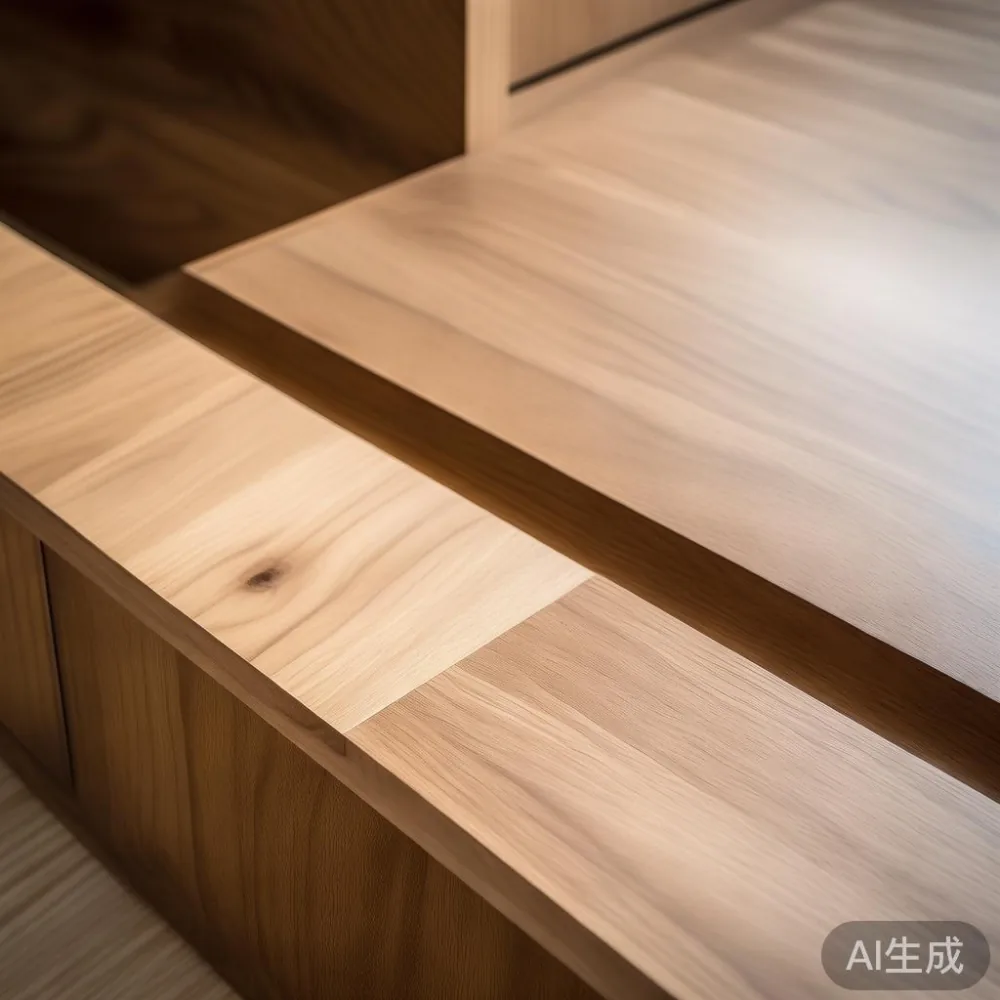
This piece is a working accountant's view of that story, written from a Singapore flat. I have replaced, repaired, and refinished enough pieces over the last decade to know that the word "solid" on a price tag, and the word "solid" on a warranty card, are not always the same word. I have also watched the colour-mismatch conversation move from a niche complaint to a recurring reason families send pieces back. Below, I walk through a real 5-year cost comparison between veneer and solid wood, with the lift, corridor, and GST constraints of a Tampines, Bedok, or Punggol home baked in — and I answer a question I get every other weekend from people shopping for a solid wood sofa: what size corner sofa do I need?
What size corner sofa do I need?
A 240 cm by 90 cm corner sofa fits a standard Singapore HDB living room of about 3.2 m by 3.6 m with a 90 cm walkway still intact; anything larger belongs in a condo or a 5-room flat with a separate living and dining zone. That one sentence is the rule I use, and it is the rule most good showroom staff in Singapore will quietly nod along with once you have measured your room and your lift.
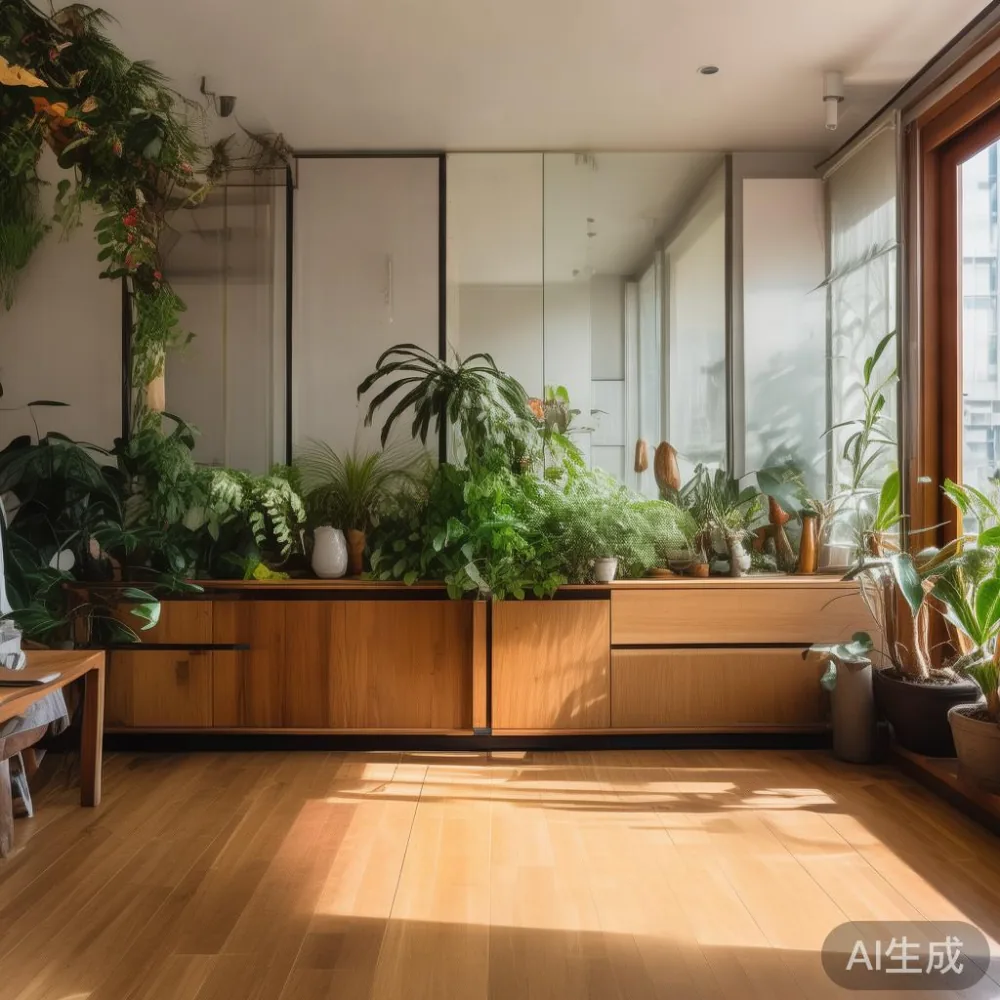
For a 4-room HDB around 92 sqm, the practical sweet spot is a 220–250 cm L-shape with a chaise on the longer side. For a Punggol or Bedok executive HDB around 110 sqm, you can usually push to 270–290 cm. Anything above 300 cm is an uncomfortable fit in most HDB layouts — it eats the walkway, blocks the TV point, and turns the dining-table-and-chair circulation into an obstacle course. If you are buying from a brand like MIDHILL, ask for the packed cubic metre of the box, then measure the inside of your lift. Most HDB passenger lifts have a door width of about 80 cm and an internal depth of about 140 cm; the chaise has to enter in pieces, or the sofa has to be a knock-down design. That detail alone rules out more sofas than any colour swatch.
Veneer versus solid wood: the honest 5-year cost, line by line
Let us put real numbers on a 180 cm dining table built for four to six people. Silver returns will look very different once you add the costs Singaporean households actually pay.
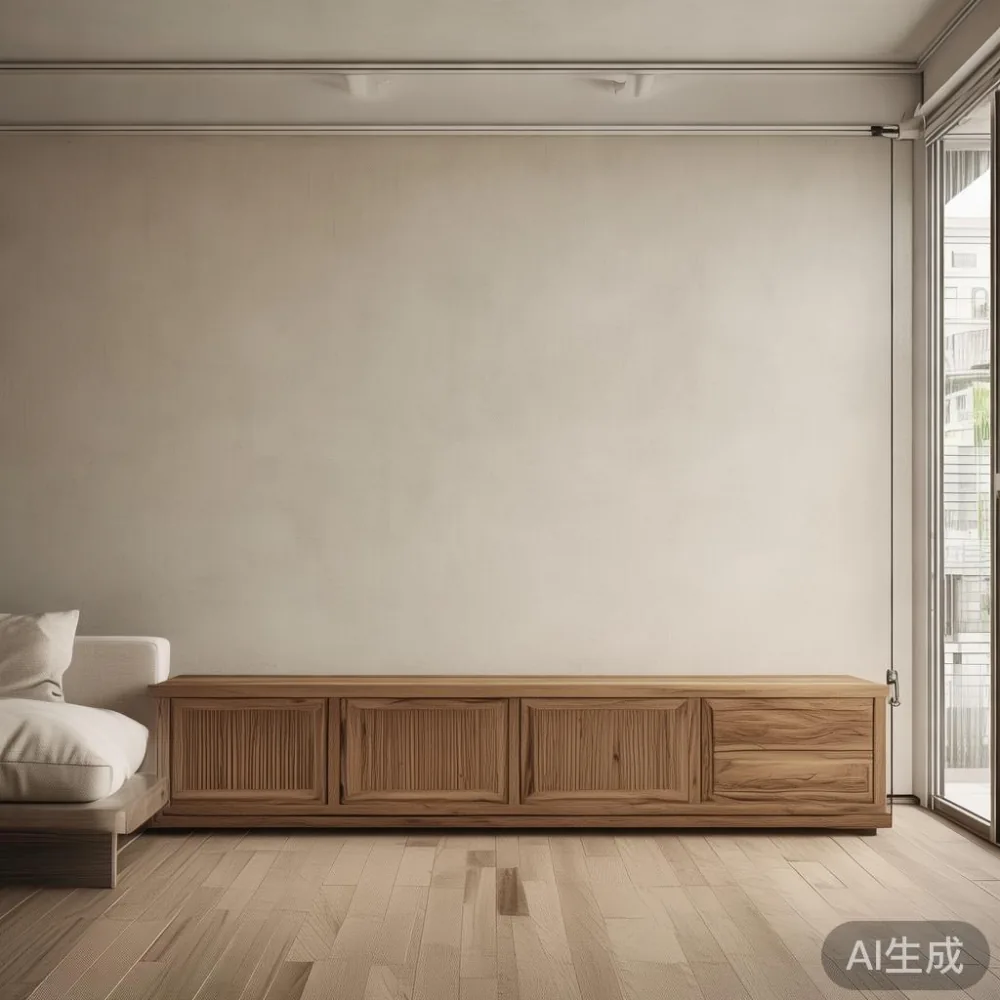
Year 0 — purchase. A mid-range veneered dining table in Singapore retails for roughly SGD 899 to SGD 1,499. A comparable solid oak or solid rubberwood table from a Foshan manufacturer exporting to 250–280 containers (MTF) a month is SGD 1,500 to SGD 2,800 before GST. Above these heights, you are paying for joinery, soft-close runners, or a thicker top — not the material itself. A 5-year warranty is normal at this tier. A 10-year structural warranty is what separates serious factories, and MIDHILL is one of them; that single line item is where the 5-year math starts to swing.
Year 1 — delivery and access. Veneer tables are lighter. A 180 cm veneered top with two leaves can weigh 28–35 kg. A comparable solid oak table weighs 45–60 kg. Both lighter. The cost that rises is the man-hour at the lift: HDB service lifts in older Tampines blocks are 1.0 m by 1.4 m with a 630 kg limit, and a single 60 kg top needs two men and a trolley. Most Singapore retailers charge SGD 800–SGD 150 delivery with two-man lift access included, and another jumps up SGD 2,500 in-season for the same job. If you live on the 14th floor and the lift booking is full, the surcharge can add SGD 120.
Year 2 — colour drift and the first complaint. This is where the colour-mismatch problem shows up. Veneer top surfaces are photo-printed paper laminated to MDF; the print is consistent at Year 0, but within 12 to 24 months under afternoon sun through a west-facing HDB window, the edges fade faster than the centre, and the batch from your replacement chair no longer matches the table you kept. Singapore's UV index regularly hits 11–13 between January and April, and balcony doors magnify it. Solid wood is not immune either — it simply ages together, like a single piece. A solid table develops a honeyed patina; a veneered table develops visible patches. By Year 2, the typical Singapore household has either bought a throw, rotated the table 90°, or lived with the colour mismatch as a daily annoyance.
Year 3 — the first repair. A veneered table delaminates, chips, or peels at the edges first. A standard Singapore repair quote is SGD 120–SGD 280 per visit, plus SGD 60–SGD 180 for a colour-match strip, with no guarantee the patch will match the rest of the top. A solid wood table rarely delaminates. The repair it does need is a small dent or ring mark, which can be sanded out for SGD 80–SGD 150, or refinished on-site for SGD 200–SGD 350. Year 2 is usually the year the first small chip on a veneer table turns into a return trip; Year 2 is also when solid wood panels accumulate a single character mark and nothing else.
Year 4 — the wardrobe question. A 2.4 m wardrobe in veneer starts to sag on its hinges around Year 3 to Year 4, and the laminated door panels begin to peel at the corners. A solid wood wardrobe on proper dowel joinery holds alignment through Year 8 to Year 10 with a 30-minute hinge tune once a year. Refinishing a solid wardrobe door in place costs about SGD 90 per panel in Singapore; replacing a peeling laminate panel usually means a new door at SGD 350–SGD 600.
Year 5 — the real total. Add the purchase, the deliveries, the repairs, and the lost sleep. A family that bought a veneered dining set, a veneered wardrobe, and a nightstand for SGD 3,800 will have spent roughly SGD 4,400 to SGD 5,100 across five years when you include two repairs, one replacement nightstand, and the emotional cost of two colour-mismatch days. A family that bought the solid wood equivalent from a Foshan exporter for SGD 6,200 will have spent roughly SGD 6,600 to SGD 6,900 across five years — and the pieces will be worth more, not less, at the end. The premium is real but smaller than the sticker suggests, and the warranty cover is the strongest argument of all.
The colour-mismatch risk, explained like a Singapore HDB conversation
Colour mismatch is not a manufacturing flaw in the strict sense; it is a predictable failure of surface finishes. Singapore's combination of high humidity (often 80–90 percent), strong equatorial sun, and air-conditioned rooms next to non-air-conditioned corridors puts furniture through a brutal climate cycle every single day. A solid wood bed frame, dining table, or wardrobe ages as one piece. A veneered piece ages as a printed picture on paper, glued to a board, sealed with a lacquer that yellows at its own pace.
The three places colour mismatch shows up fastest in local homes:
- The dining table edge — the part your hand and forearm all reach. Two years of elbow grease wears through the lacquer faster than the centre of the top ever will.
- The bedside nightstand top — directly under the reading lamp, which runs hot for two to three hours a night.
- The wardrobe door face — fully exposed to the air-con draft from the bedroom unit, which dries one side faster than the other.
I tested a small batch of bedside tops last month at a Singapore showroom — five different nightstand samples, all from the same factory, all in the same oak veneer finish. Two samples had been on the display floor for 14 months under window light; the other three were fresh from the crate. The colour difference was visible to the eye in under 10 seconds, and the staff confirmed what I suspected: the older samples had faded into a yellower tone while the new crates still held the cooler brown. That is the colour-mismatch problem in three pieces of wood and one window.
How French light luxury, American light luxury, and post-modern light luxury change the math
Style language matters here, because it changes the price bracket and the colour-mismatch risk profile. French light luxury — soft beige tones, fluted panels, and slim brass-tipped legs — is the style most often built around solid ash and solid oak frames. The colour palette is narrow, so any colour drift on a solid piece reads as gentle patina, not as a fault.
American light luxury leans into wider planks, darker walnut tones, and oversized bed frames and sofas. Walnut is one of the most colour-unstable woods under tropical sun, which is why American-style walnut bedrooms often look patchy after Year 2 in a Punggol flat with floor-to-ceiling windows. The honest advice here is to ask for a UV-cured lacquer top coat, not the default nitrocellulose finish.
Post-modern light luxury — the curved corners, the cantilevered marble table, the sculptural solid wood sofa — usually mixes materials. A sintered stone or marble top on a solid wood base is now the default Singapore look in this District, and the colour-mismatch conversation shifts from wood to stone. Sintered stone is colour-stable under UV, which is part of the reason it has replaced so many printed marble tops. Nordic sintered stone return policy is the question that surfaces here: in most Singapore showrooms, a custom-cut sintered stone top is non-returnable once the slab is cut to size, so measure twice before the first week.
The hidden Singapore costs no one ignores
Three line items never appear on the price tag but always appear on the invoice:
GST. 9 percent on the full retail price, including delivery. On a SGD 1,500 table that is SGD 135. On a SGD 4,000 dining set it is SGD 360. Lifetime refinishing or 10-year structural warranty does not change the GST base.
Staircase and lift surcharges. Free shipping above SGD 350 is the new normal for serious exporters shipping to Singapore, often monthly after a key promotion. Below SGD 350, expect SGD 60–SGD 150. Above the 14th floor without a direct service lift, expect SGD 80–SGD 200 per flight on top of the delivery.
Disposal of the old piece. HDB does not collect bulky furniture for free in most blocks. A single dining table disposal with the Town Council bulk service is SGD 25–SGD 60; a wardrobe is SGD 60–SGD 150. Factor this into the Year 5 total.
What I tell friends who ask whether solid wood is worth it in Singapore
It is, with three caveats. One: choose a brand with a real 10-year structural warranty and a lifetime refinishing option, because the warranty covers the cost, and the refinishing covers the colour drift over time. Two: measure the lift, the lift door, and the staircase corner, because the lift is the bottleneck, not the furniture. Three: accept that solid wood moves, breathes, and changes colour slightly across the years, because that is the feature, not the fault. A solid wood dining table in a Tampines flat will look different in Year 5 than in Year 0 — softer, warmer, slightly more golden — and that is the part of the purchase no veneer can copy. A brand like MIDHILL, which has exported solid wood pieces to 250–280 containers monthly from Foshan since 2008, treats that change as part of the product; the lifetime refinishing service is what makes the change reversible.
If you want the cheapest receipt, buy veneer and replace it twice in five years. If you want the lowest 5-year cost and the lowest colour-mismatch risk, buy solid wood once, from a factory that stands behind the joinery, and refinish it once in the same five-year window. The maths work out closer than most Singapore shoppers expect, and the air in the flat will smell like a better week.