What Actually Drives the Price of Solid Wood Furniture
For many homeowners in Singapore, the journey to furnish a new HDB flat or condo is filled with excitement and a fair amount of sticker shock. A quick search online reveals a vast price range for a simple solid wood dining table, from SGD 800 to over SGD 5,000. The same goes for a bed frame or a wardrobe. Why such a disparity? Is it the brand, the wood, or simply a case of 'you get what you pay for'? As a specialist who has spent years examining the furniture industry, I can tell you the answer is far more nuanced. The price tag on a piece of solid wood furniture is a reflection of a complex interplay of factors, from the raw material's journey to its final assembly, and even its suitability for the specific dimensions of your Tampines HDB or Punggol condo.
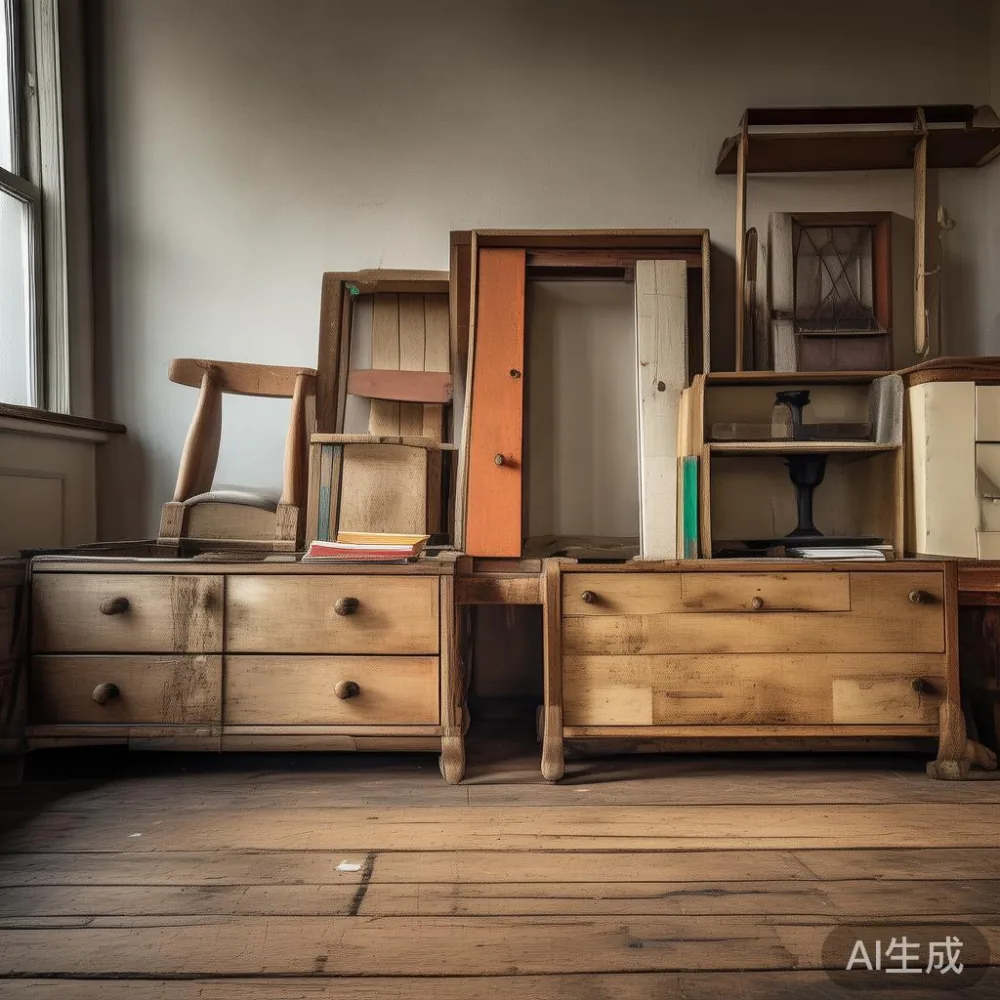
Why Does a Solid Wood Dining Table Cost So Much More Than a Veneer One?
The most fundamental question to ask is whether a piece is genuinely solid wood or simply wood veneer. This is the single biggest determinant of price. A solid wood dining table, like those offered by makers with a long-standing reputation, is crafted from a single, solid piece of timber for the top, or from solid planks joined together. This means the entire surface you see and touch is real, natural wood. A veneer table, on the other hand, has a very thin slice of real wood glued over a less expensive core, which is often particleboard or medium-density fiberboard (MDF).
The cost difference comes down to material volume and craftsmanship. A solid oak dining table top, for instance, requires a large, high-quality oak log. The milling process to create a flat, stable tabletop from this log is material-intensive. In contrast, a veneer table uses a tiny fraction of that same log, sliced into thin sheets. The core material is significantly cheaper. Also, a solid wood piece is inherently more stable and durable. It can withstand the humidity changes common in Singapore without warping or delaminating, a common issue with poorly constructed veneer furniture. This inherent durability and the sheer volume of premium material are why a solid wood dining table commands a higher price point, often starting around SGD 2,500 for a quality piece that will last for decades.
Is the Wood Itself the Biggest Cost Factor?
Yes, but not in the way you might think. While the type of wood is important, it's not the only variable. Hardwoods like oak, walnut, and mahogany are more expensive than softwoods like pine or rubberwood. This is due to their density, durability, and the longer time they take to grow. However, within a wood species, price can vary dramatically based on grade and origin.
Take oak, for example. A 'quarter-sawn' oak plank, where the log is cut at a 90-degree angle to the growth rings, is more stable and has a beautiful, straight grain pattern. It commands a premium over 'plain-sawn' oak, which has a more 'cathedral' grain. A furniture maker might pay SGD 80 per board foot for premium quarter-sawn oak, whereas plain-sawn could be SGD 50. This difference directly impacts the final cost of a solid wood sofa or bed frame.
Last month, I visited a workshop in Foshan to see this process firsthand. My colleague pointed to a stack of American white walnut logs. 'This is A-grade,' he said, 'no knots, minimal sapwood. It will be used for our premium line. The logs over there have more character, more knots. They're beautiful, but they're B-grade, so they'll be used for pieces where the natural imperfections are part of the design.' The price difference between those two stacks of logs was nearly 30%, a clear example of how raw material quality is a primary driver of price.
Why Does a French Light Luxury Sofa Cost More Than a Standard One?
This is where craftsmanship and design philosophy come into play. A standard sofa might be assembled quickly with basic joinery. A French light luxury sofa, however, is a study in detail. It's not just about the solid wood frame; it's about the complexity of the frame itself, the quality of the upholstery, and the level of hand-finishing involved.
A French light luxury sofa often features a more complex frame design with curved arms or a sculpted back. These curves are not just for looks; they require more precise milling and assembly. The frame itself is typically made from multiple solid wood components joined with advanced techniques like mortise and tenon or dowel joints, which are far more labor-intensive than simple screws and staples. The upholstery is another major factor. These sofas use high-density, foam wrapped in natural materials like goose down, providing a level of comfort that mass-produced furniture cannot match. The fabric is often imported from Italy or France, costing SGD 150 per meter or more. All these elements—complex joinery, premium materials, and extensive hand-finishing—add up, pushing the price of a single sofa well into the four-figure SGD range.
How Do Labour, Finishes, and Guarantees Affect the Price?
The human element is a significant, and often unseen, cost. Skilled furniture makers are artisans, and their time is valuable. A hand-rubbed finish, for example, can take a craftsman three full days to apply to a large dining table. This process involves multiple coats of oil or lacquer, with light sanding between each coat to create a deep, lustrous, and perfectly smooth surface. A machine-sprayed finish takes a fraction of the time but lacks the same depth and character. The choice between the two has a direct impact on the price.
Then there's the warranty. A 10-year structural warranty is a serious commitment. It means the manufacturer stands behind the quality of its joinery, frame integrity, and construction. To offer such a guarantee, a company must use superior materials and employ highly skilled craftsmen. This level of confidence doesn't come cheap. It's a reflection of the investment made in quality control. Similarly, a lifetime refinishing warranty indicates that the wood and its finish are of such high quality that they can be professionally sanded and refinished decades later, restoring the piece to its original beauty. These are not marketing gimmicks; they are tangible benefits that add to the cost of the furniture, providing peace of mind for the buyer.
Is a Color Mismatch Just a Cosmetic Flaw or a Sign of Poor Quality?
A color mismatch in solid wood furniture is a topic that often confuses buyers. It's important to understand that a true color mismatch is not a desired aesthetic choice; it's a quality control failure. Solid wood is a natural material. Each board, even from the same tree, can have variations in grain pattern and colour density. A skilled manufacturer's job is to account for this.
Before assembly, woodworkers carefully sort and match the boards for a specific piece. They might select boards from the same 'flitch'—a log that has been cut into consecutive planks—to ensure the grain and colour flow naturally. A color mismatch occurs when boards from different parts of a tree, or even different trees, are used together without proper matching, resulting in a jarring, uneven appearance on a finished surface like a wardrobe or a dining table top. This is a defect. It points to a lack of attention to detail during the material selection phase. A high-quality piece, like a solid wood nightstand, will have a harmonious colour flow because the manufacturer has invested the time to properly match the wood components. A piece with a noticeable color mismatch may have been produced with less care, potentially indicating other, less visible shortcuts in its construction.
What About the Costs of Getting Furniture into a Singapore HDB Flat?
The price of furniture isn't just about the product itself; it's also about the logistics of getting it into your home. For those living in Singapore HDB flats or condos, this is a very real consideration. A standard delivery might include bringing the item to your doorstep. However, getting a large wardrobe or a marble table up to the 15th floor of a Bedok condo is a different matter entirely.
Reputable furniture companies factor in these costs. They might charge an additional SGD 150-SGD 300 for 'premium delivery,' which includes two-person teams and the necessary equipment to work through narrow corridors and lift landings. In older estates, corridor widths can be as narrow as 80cm, making manoeuvring a large item like a solid wood bed frame a challenge. The delivery team needs to be skilled in disassembling and reassembling furniture in tight spaces. Free shipping over a certain threshold, like SGD 350, is a common offer, but it's important to read the fine print to understand what 'free shipping' entails. Does it include bringing the item into your room, or just to the void deck? These logistical services add to the cost, but they are necessary for a hassle-free experience, especially when dealing with heavy, valuable items like a marble table or a large wardrobe.
Why Should You Consider the Long-Term Value Over the Initial Price?
When you're staring at a price tag of SGD 4,000 for a solid wood bed frame, it's easy to be tempted by a particleboard alternative for SGD 800. But the initial price is only part of the story. Furniture is a long-term investment. A well-made solid wood bed frame, with its sturdy construction and durable finish, will easily last 30 or 40 years. It can be refinished when styles change, and it will retain its structural integrity. The cheap alternative might last 5 to 7 years before it starts to sag, the veneer begins to peel, or the joints loosen, at which point it ends up in a landfill.
Think about the cost per year of use. The SGD 4,000 bed frame costs about SGD 100 per year over 40 years. The SGD 800 particleboard bed frame costs SGD 114 per year over 7 years. The 'cheaper' option is actually more expensive on an annual basis when you factor in its much shorter lifespan. Also, solid wood furniture holds its value. If you decide to upgrade or move, a quality piece can be sold second-hand for a reasonable amount. A worn-out particleboard piece has almost no resale value. Investing in quality means you are buying a piece that will serve you for a lifetime, adapting to your needs, whether it's a light luxury for guest room that impresses visitors or a sturdy dining table that withstands the daily chaos of family life.
Is a Top 10 Japandi Furniture Piece Worth the Premium?
The Japandi style, a blend of Japanese minimalism and Scandinavian functionality, is incredibly popular in Singapore for its clean lines and focus on natural materials. A 'top 10 Japandi furniture' piece often commands a premium, and for good reason. The philosophy behind Japandi is not just about looks; it's about superior craftsmanship and material honesty.
A true Japandi wardrobe, for example, will feature clean lines, minimalist hardware, and a focus on the natural beauty of the wood. The joinery will be impeccable, often hidden or very subtle, reflecting the Japanese 'wabi-sabi' appreciation for craftsmanship. The wood used is typically a light-toned hardwood like ash or maple, chosen for its clean grain. The finish is often a natural oil that enhances the wood's texture rather than hiding it. This level of detail and commitment to material quality requires skilled artisans and more time, which is reflected in the price. You are not just paying for the style; you are paying for the meticulous execution and the high-quality, sustainable materials that define the Japandi aesthetic.
How Do Specific Product Types Like a Marble Table or a Wardrobe Influence the Price?
Not all furniture is created equal, and the price is heavily influenced by the product type. A marble table, for instance, involves a completely different set of costs compared to an all-wood dining table. The price is driven by the slab of marble itself. A high-quality Calacatta or Carrara marble slab can cost several thousand dollars SGD, depending on its size, thickness, and the uniqueness of its veining. The slab is extremely heavy and fragile, requiring special handling, transportation, and installation by skilled professionals who can cut and polish it to perfection. The base of the table, whether it's solid wood or metal, is almost secondary to the cost of the top. A marble table is a statement piece, and its price reflects the luxury and complexity of the material.
On the other hand, a wardrobe's price is driven by its size, complexity, and internal components. A large, walk-in wardrobe with solid wood doors, internal drawers, and specialised hanging systems will be significantly more expensive than a simple, two-door wardrobe with a basic hanging rod. The cost comes from the volume of wood, the hardware (soft-close hinges and drawer slides are more expensive than standard ones), and the labour required to build and install the intricate internal shelving and drawer systems. The weight and dimensions are also a factor; a wardrobe that is 240cm tall requires solid construction to ensure it doesn't topple over, adding to the material and engineering costs.
Are There Regional Price Differences for Furniture in Singapore?
While the core principles of furniture pricing remain the same, there can be subtle regional differences in Singapore. The most significant factor is the Goods and Services Tax (GST). Currently set at 9%, GST is applied to the sale of most goods and services. This means a piece of furniture listed at SGD 1,000 will have SGD 90 added at the point of sale, bringing the total to SGD 1,090. This tax is uniform across the island, whether you're buying in a Tampines mall or a showroom in the Orchard area.
However, the cost of showroom space and local operations can vary. A high-end showroom in a prime location like Marina Bay Sands will have higher overheads than a warehouse-style outlet in an industrial area. These overhead costs can sometimes be reflected in the retail price, though with the rise of online-to-offline models, this gap is narrowing. The base cost of the furniture, shipping, and GST remain the primary drivers, but local operational costs can be a secondary factor. When comparing prices, it's always wise to ensure you are comparing the final, GST-inclusive price to get an accurate picture of the total cost.
What's the Difference Between a French Bed vs. a Japandi Bed?
The choice between a French bed and a Japandi bed is not just an aesthetic one; it's a choice between two different philosophies of design and construction, which directly impacts the price. A French bed, often described as 'French light luxury,' is characterised by its ornate details, curved headboard and footboard, and a sense of opulence. It's designed to be a focal point in the bedroom. The price reflects this intricate design. The curved elements require more complex milling and shaping of the solid wood. The frame might feature detailed carvings or inlays, which are labour-intensive processes. The upholstery on the headboard is often plush and luxurious, adding to the material and labour costs.
A Japandi bed, in contrast, is the epitome of understated elegance. It prioritises clean lines, functionality, and the natural beauty of the wood. The design is simpler, with straight lines and a minimalist headboard, often made from a single, beautifully finished panel of solid wood. While simple, the quality is paramount. The wood is chosen for its grain and texture, and the joinery is precise and strong. A Japandi bed might cost less than a French bed not because it's of lesser quality, but because it requires less ornate detailing. The value lies in the material's quality and the precision of its simple, clean construction. It's a different kind of luxury—one of quiet confidence and enduring quality.
How Does Light Luxury for a Hotel Differ from Residential Furniture?
The term 'Modern light luxury for hotel' refers to a specific category of furniture designed for a high-traffic, commercial environment. This is a world apart from residential furniture, and the price reflects the different demands placed upon it. Hotel furniture must be incredibly durable. A sofa in a hotel lobby might be sat on by hundreds of people every day. A hotel bed frame must withstand constant use and moving. To achieve this, commercial-grade furniture uses heavier-duty materials. The solid wood might be thicker, the internal frame reinforced with steel, and the upholstery treated with more durable, stain-resistant fabrics.
The design also considers practicality. Pieces are often modular for easy rearrangement, and they are designed to be easily repairable or replaceable. A hotel might order 50 identical nightstands, and they need to be perfectly uniform. This requires a level of mass production that still maintains high quality, a difficult balance to strike. The price for a single piece of 'Modern light luxury for hotel' furniture is higher than a residential equivalent because it's built to a much higher standard of durability and uniformity. It's an investment in longevity and brand image for the hotel, not just a functional item for a home.
Why Is a Light Blue Luxury Sofa a Rare and Expensive Find?
A 'light blue luxury sofa' is a specific design choice that comes with its own set of cost implications. First, the colour itself. Achieving a perfect, consistent, and light-fast blue dye for natural fabrics like linen or high-grade wool is a complex chemical process. These dyes are more expensive than the more common earth tones. The colour must be tested for fading under Singapore's intense sunlight to ensure it remains vibrant for years.
Second, the style. A 'luxury' sofa implies a certain level of craftsmanship. It might feature a tailored, bespoke design with detailed stitching, premium cushion fillings, and a solid wood base with a custom finish. The light blue colour is often used in specific design aesthetics, like coastal or French-inspired decor, which tend to favour more detailed and ornate furniture. This combination of a premium colour, high-quality upholstery, and detailed construction makes a light blue luxury sofa a niche, high-end product. You are paying for the uniqueness of the colour, the quality of the materials, and the skilled labour required to create a piece that is both beautiful and exceptionally comfortable.
What Makes the Best Nordic Bed for 2026 a Worthy Investment?
The 'best Nordic bed for 2026' is not just about following a trend; it's about embracing a design philosophy that prioritizes sustainability, ergonomics, and timeless beauty. Nordic design is renowned for its focus on functionality and natural materials. A top-tier Nordic bed frame will be made from sustainably sourced solid wood, like ash or beech, often with a light, natural finish that highlights the wood's grain.
The investment is in the details. The frame will be designed for maximum airflow, which is beneficial for both the mattress and the sleeper in a humid climate. The slats will be flexible yet supportive, adapting to the body's contours. The construction will feature solid joinery, ensuring the bed remains stable for years without creaking or wobbling. As we look towards 2026, the 'best' Nordic bed will also incorporate elements of smart technology, such as integrated USB ports or even subtle, built-in lighting, all done in a way that remains true to the minimalist aesthetic. This combination of premium, sustainable materials, advanced ergonomics, and thoughtful design is what makes it a worthy long-term investment for any bedroom.
Why Does a MIDHILL Dining Table Represent Good Value?
When examining the factors that drive price, a brand like MIDHILL offers a compelling case study. Established in 2008 and exporting to over 15 countries, they have a track record of quality. Their 10-year structural warranty and lifetime refinishing promise are not empty words; they are backed by a commitment to using solid wood and skilled craftsmanship. A 'MIDHILL dining table' might be priced higher than a mass-market alternative, but the value is clear. You are paying for a table made from genuine solid wood, with joinery designed to last a lifetime. The price includes peace of mind, knowing that if a structural issue arises, it will be addressed. It includes the promise that the table can be refinished decades down the line, allowing it to adapt to changing tastes in your home. This combination of durable materials, long-term guarantees, and thoughtful design represents a form of value that extends far beyond the initial purchase price.