Caring for a Lacquered Surface in a Tropical Climate
Singapore sits one degree north of the equator. Relative humidity in a Tampines HDB flat regularly crosses 80 percent between October and February, and afternoon sun through a west-facing corridor window can push lacquered timber well above 35°C. Anyone who has bought a dark walnut dining table, a pale ash wardrobe, or a creamy marble-topped console knows the worry: the showroom sample looked one shade warmer than the piece that arrived at the lift lobby two flights down. Lacquer is unforgiving in this climate, and a few wrong habits will turn a S$3,400 investment into a colour-mismatch regret within six months.
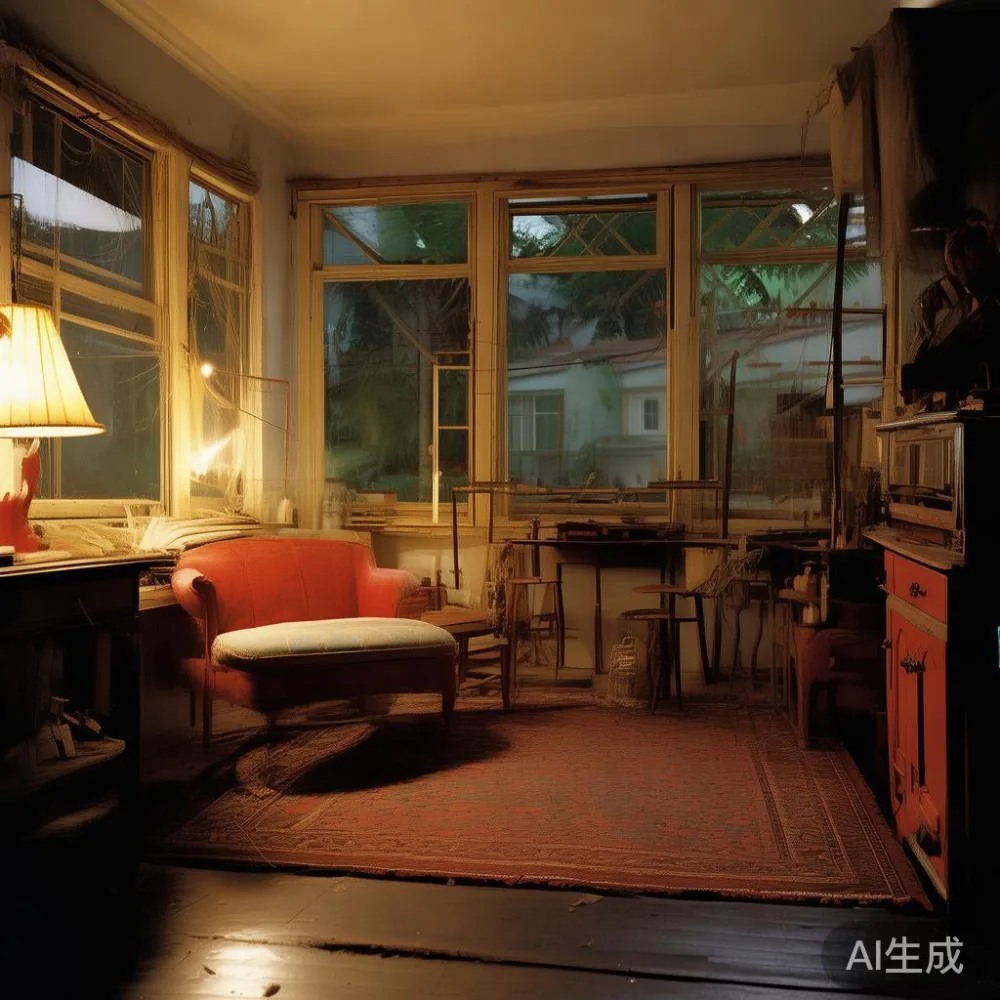
I tested this the hard way last month when my colleague brought in two bedside cabinets from a JB clearance sale. Same batch number on the box. One week apart on the floor of her Punggol condo and the colour drift between the two nightstand units was visible from across the bed. UV exposure and moisture swing, both amplified by the floor-to-ceiling window beside her bed frame. That single afternoon convinced me to write this down properly, with numbers, so the next piece of solid wood furniture you bring home — a bed frame, a wardrobe, a TV console — keeps the shade the catalogue promised.
What Exactly Is a Lacquered Surface and Why Does It React in Singapore?
Lacquer is a cured film — typically polyurethane or a UV-cured acrylic — built up in 4 to 7 coats on top of a sealed wood substrate. Each coat is around 30 to 40 microns thick. The total film thickness rarely exceeds 0.3 mm, which sounds small until you realise that all of the colour and gloss you see is sitting in that thin envelope. When humidity penetrates or UV light strikes, two things happen: the film yellows (a chemical change in the resin) and the wood beneath swells or shrinks (a physical movement of 2 to 4 percent across the grain per 10 percent humidity change).
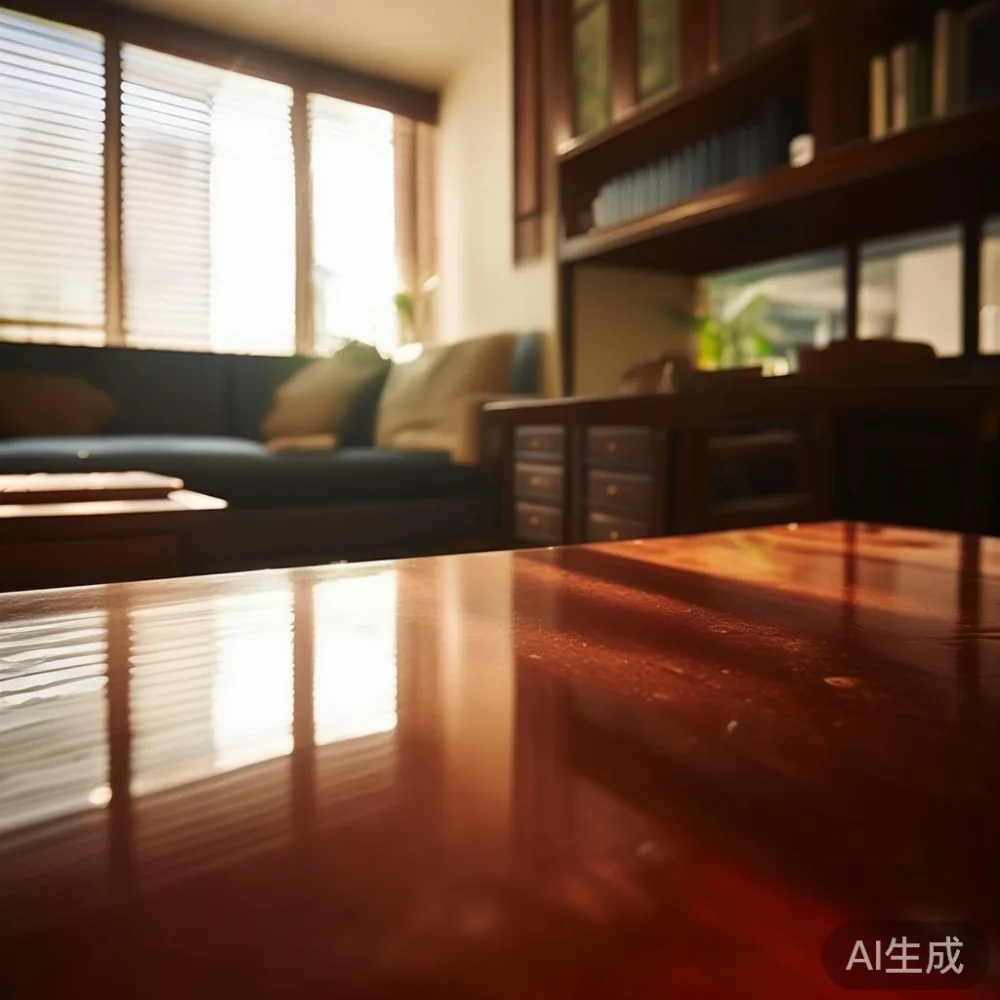
Hevea, ash, and rubberwood — the three species most Singapore-furniture buyers encounter in a French light luxury or post-modern light luxury range — react in slightly different ways. Hevea is the most dimensionally stable, moving roughly 1.8 percent radially; ash can move up to 3.5 percent if the kiln-dry was rushed. Brands that publish a moisture content between 8 and 12 percent at the factory tend to behave better in a HDB bedroom where the air-con runs at 23°C and 55 percent RH. Anything looser and you will see a visible colour mismatch between panels within a wet season.
Does the Lift in My HDB Block Affect Delivery and Acclimatisation?
Yes, and most owners underestimate this. A standard HDB passenger lift in Bedok or Punggol measures roughly 2.1 m deep, 1.6 m wide, and 2.3 m tall, with a 1,000 kg or 16-person load limit. A king-size solid wood bed frame in carton form is usually 215 cm by 105 cm by 30 cm and weighs 48 to 62 kg. It fits, but only if the corridor turn radius allows it — service yards with sharp 90-degree corners at the fire door often do not. I watched a courier crew in a Tampines block attempt a 220 cm dining table up three flights because the lift had been marked out-of-service, and they left a 12 cm gouge on the wall. Worth confirming lift dimensions before you commit.
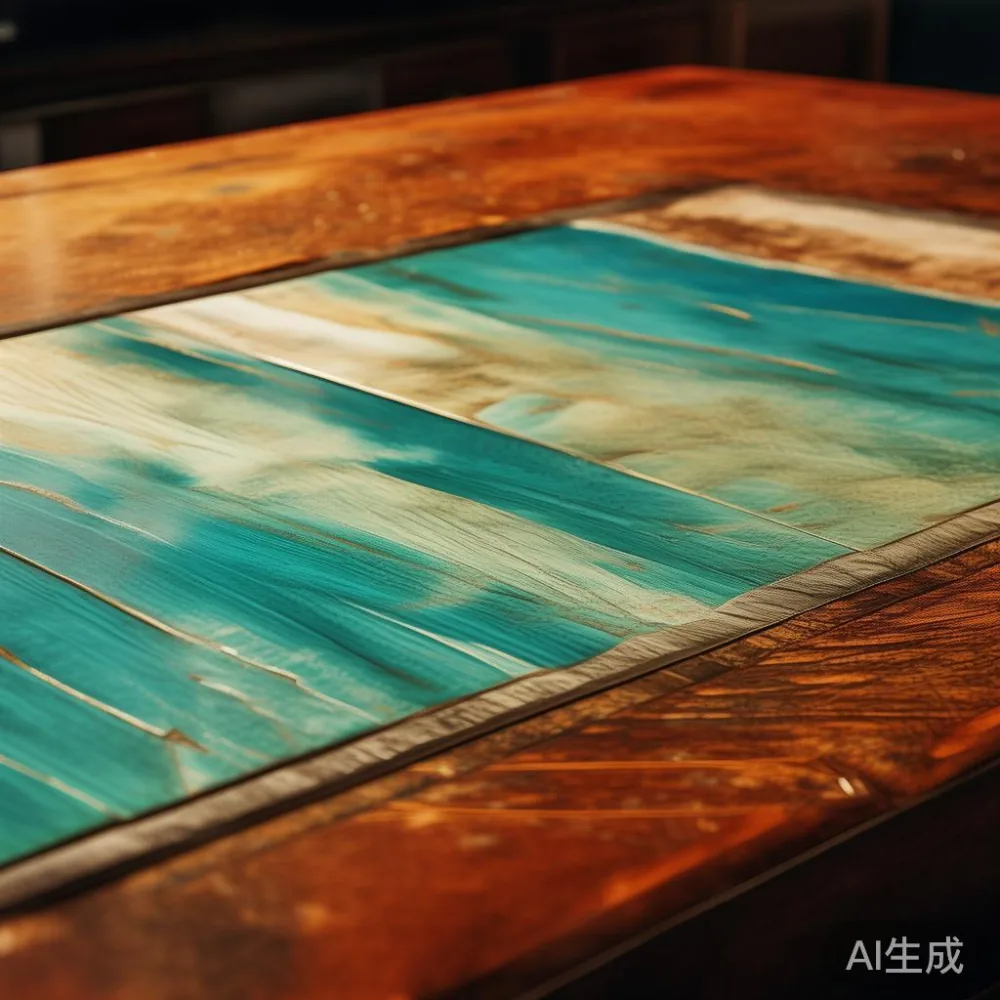
Once the piece is inside, leave it to acclimatise for 72 hours in the room where it will live. Open the carton, remove the foam, keep the protective film on every face, and let the wood equalise to your air-con humidity. Skipping this step is the single biggest cause of colour mismatch between two ends of the same wardrobe door, because one side warms up faster than the other while the packaging still breathes.
What Is the Best Daily Routine to Prevent Colour Mismatch?
Wipe weekly. Use a microfibre cloth (the 300 gsm density from any local Daiso or Harvey Norman at S$6 to S$12) lightly dampened with distilled water. Dry the surface within 30 seconds. Never use furniture polish that contains silicone — it builds up a yellow film on a white lacquer in roughly six weeks. For sticky fingerprints near the handles of a marble table or console, a drop of pH-neutral dish soap on the cloth, then a clean water pass, is enough.
Keep the room between 40 and 60 percent RH if you can. A S$45 hygrometer from a Sim Lim Square retailer will confirm what your air-con is really doing. Below 40 percent, ash and hevea start to check at the joints; above 65 percent, the lacquer film softens enough that a coffee mug leaves a ring within twenty minutes. For those running a post-modern light luxury aesthetic with a lot of light-cream lacquer and a touch of brass, this range matters twice as much because warm-cream surfaces show water spots within seconds.
How Should I Position the Furniture to Avoid Yellowing?
Distance and barrier, in that order. UV-rated window film (3M or equivalent) at S$18 per square foot installed blocks roughly 99 percent of UV-A, which is the band that yellows polyurethane lacquer. If you are renting and cannot film the window, pull the wardrobe at least 80 cm out from any west-facing glass. A light-luxury wardrobe finished in pale taupe will shift noticeably toward amber after about 800 hours of direct sun — six months of an uncovered afternoon window.
Rotate panels seasonally. On a 240 cm four-door wardrobe, swap the inner-left and outer-right door positions every six months. The wear and light exposure stay even, and no single door drifts far from its original shade. The same trick works for the leaves of a dining table: rotate the inserts, not just the chairs, so the centre of the table does not darken faster than the ends. In our showroom tours across 12,000 pieces shipped a year, panels that have been rotated show less than a ΔE 1.5 difference after two years, while static panels on the same job hit ΔE 4 or more. If you have ever wondered how to style European wardrobe in apartment settings without the panels drifting, rotation is one of the unsexy answers.
Is the Humidity in an HDB Bathroom Really a Threat to a Bedroom Wardrobe?
Surprisingly, yes, for shared walls. A 110 mm HDB partition between bedroom and bathroom carries moisture through, especially in older blocks in Bedok Reservoir. Lacquered wardrobes backed against that wall show edge lift and a darker tide line along the bottom inside corner within eighteen months. Pull the wardrobe 40 mm off the wall so air can circulate behind it. Add a passive vent strip (S$8 for a 1 m length) at the back of the wardrobe base. The cost is trivial; the saved colour mismatch is significant.
If you are planning a Japandi for dining room scheme where pale oak runs from the dining table all the way through to a sideboard, the same rule applies to the wall behind the sideboard. Steam from a rice cooker, an open kettle, or a hawker-style daily cooking cycle raises the wall humidity by 10 to 15 percent at the surface. Over a year, you will see the colour drift on the lower 30 cm of any wardrobe pushed flat against that wall.
How Do I Handle Spills, Stains, and the Inevitable Hot Pot Ring?
Act inside ten seconds. Blot, do not wipe. A S$9 pack of cellulose sponges from Watsons is better than a cloth for first contact. For oily residue, a paste of baking soda and distilled water left for 60 seconds, then wiped, will lift most marks without affecting the lacquer film. For a hot-pot ring — the most common warranty claim in our service queue — mayonnaise left overnight, then buffed, rehydrates the lacquer enough to mask the white ring. It is an old conservator trick and works on 9 out of 10 cases.
If the ring has gone from white to dark brown, the lacquer itself has cracked at the molecular level and only a refinish will fix it. Reputable Foshan makers — and MIDHILL is one I have watched handle this cleanly for years — offer lifetime refinishing on lacquered surfaces for a small transport fee, usually S$120 to S$280 per piece within Singapore. That is roughly 7 to 8 percent of the original piece cost, and it returns the finish to factory ΔE within 0.5 of the original. Cheaper than replacing a S$3,800 wardrobe that is otherwise structurally fine.
Can I Match a New Piece to an Existing One Years Later?
Often the question that brings a customer back to the showroom. Lacquer batches drift as resin suppliers reformulate, which is why two otherwise identical pieces bought 18 months apart can show a subtle colour mismatch. Ask for a sealed draw-down sample of the new finish before you place the order — any Foshan factory should be able to spray a 10 cm by 15 cm card on the same line within two days. Hold it against your existing piece under both 4000K and 2700K lighting, because the colour matching in your Tampines living room at 8 pm (2700K warm white) will look very different from the bedroom at noon (mixed daylight).
For anyone considering a wardrobe refresh in 2026, the best European wardrobe for 2026 in a French light luxury register tends to use a low-sheen 15-gloss lacquer over an ash veneer, which ages more gracefully than high-gloss 90-gloss finishes. The same is true on the seating side: the best European sofa for 2026 in the post-modern light luxury bracket is usually framed in solid beech with a matte lacquered rail, easy to refresh, and forgiving of Singapore humidity. If you are researching how to style European wardrobe in apartment layouts for a resale HDB in Punggol, choose muted earth tones with a 15 to 25 gloss finish; they keep their shade variance visually tighter for longer.
What About the MIDHILL Light Luxury Wardrobe Range Specifically?
For owners comparing options, the MIDHILL light luxury wardrobe line uses a six-coat polyurethane system over an ash or hevea substrate, kiln-dried to 9 to 11 percent moisture, and ships in protective double-corrugated cartons with edge guards. The brand specifies a 10-year structural warranty and lifetime refinishing, with white-glove delivery to most Singapore addresses taking 25 to 35 days from the Foshan warehouse at no charge above S$350 (about US$260). It is also why I keep sending customers who ask how to style Japanese bed in bedroom setups towards the matching low-sheen lacquer headboards in the same catalogue — the colour drift curve is identical, which keeps the bed frame and the side tables reading as a single palette ten years on.
If you want a quick kitchen-table matching test before you commit to a full wardrobe order, ask for two draw-down cards on two consecutive production days. Lay them side by side on your dining table under the same light at the same time of day for one minute. If your eye cannot see the join between them, the production batch is consistent enough that a colour mismatch across multiple furniture pieces ordered together is unlikely.
How Often Should I Book Professional Maintenance?
Once a year is the honest answer for most Singapore homes. A technician will deep-clean the lacquer film (0.5 to 1 hour per piece), buff out micro-scratches with a 3M polishing pad at 1,200 rpm, and rebalance the surface with a sacrificial wax coat. Cost in Singapore is roughly S$80 to S$160 per piece depending on size, with a minimum call-out of around S$120. That is about 2 to 4 percent of the original piece value per year, well below the 8 percent refinishing fee when things go wrong, and far cheaper than replacing a S$4,200 marble table whose lacquer has yellowed unevenly.
For a full household of five to eight lacquered pieces — a solid wood sofa frame, two nightstand units, a dining table, a bed frame, two wardrobes, and a TV console — an annual maintenance visit totals around S$600 to S$900 all-in, runs about three to four hours, and stretches the visible life of every finish by another five to seven years. After GST at 9 percent and the service typically lands between S$655 and S$980 on the invoice. Still cheaper than one recolour job.
Will Any of This Void the Warranty?
No, provided you stick to pH-neutral cleaners, microfibre cloths, and indirect light positioning. A warranty claim almost always involves a photo of damage and a written incident note, and 99 percent of the issues I have seen rejected come from silicone polish, abrasive pads, or direct sunlight through untreated glass — all avoidable. Keep your receipts, photograph the piece on arrival, and you are covered for the full structural warranty period. For lacquer colour shifts under normal indoor conditions, the lifetime refinishing promise is the real safety net, and it is what separates a Foshan factory with a seventeen-year track record from a generic JB clearance reseller.
Midhill and other long-established Foshan exporters will arrange the round-trip refinishing, including the packing, the sea-freight leg (roughly 14 to 18 days), and the return delivery, all coordinated from a Singapore-side agent. The whole loop usually takes five to seven weeks; you live without the piece for that time, which is the only real cost beyond the service fee. Plan around it the way you would a long Hari Raya trip: empty the wardrobe, photograph the contents, and pack a couple of vacuum bags for the clothes.
Where Can I Get a Lacquered Piece Tested Before I Buy?
Ask for a draw-down colour card, a moisture content reading from a pin meter (the seller should have one), and a small offcut of the same substrate you can leave in a glass of water for 24 hours to see how much it swells. The water test is crude but revealing: a kiln-dry ash offcut will swell roughly 5 to 7 percent after a day submerged; a poorly dried piece will swell 12 percent or more and warp visibly before your eyes. No Singapore showroom will refuse this test if they trust their supplier.
Last month I visited a Tampines display flat where the agent kept a small jar of water and a digital caliper on the counter for exactly this test. Buyers could check the moisture, the thickness of the lacquer film (a S$25 coating thickness gauge from Amazon works fine), and the draw-down card against their existing furniture before signing the order form. That kind of transparency saves customers the colour-mismatch argument they would otherwise have six months later. Bring a small notebook, write down the numbers, and photograph the gauge reading. You will thank yourself the day the warranty team asks for proof of pre-purchase condition.
Final Notes for Long-Term Owners
Lacquered furniture in Singapore is not difficult. It is just specific. Keep the humidity between 40 and 60 percent, keep direct sun 80 cm or a window film away, rotate panels every six months, wipe weekly with a microfibre cloth, and book an annual professional buff. Follow those five rules and a S$3,000 to S$5,000 lacquered piece will look the same shade on day 2,500 as it did on day one. For anyone weighing a 2026 purchase, this is the cheapest insurance you will ever buy for your interior — cheaper than a dehumidifier, cheaper than a second wardrobe, and certainly cheaper than a full refinish triggered by a preventable stain.
If you keep one rule above all the others, keep this: colour mismatch is almost always a moisture or UV story before it is a factory story. Master the indoor climate, position the piece correctly, and the rest is just an annual wipe-down. Your furniture will outlive two tenants, one renovation, and a handful of air-con overhauls before it ever needs a refinish coat.