Lacquered Solid Wood Furniture in a Tropical Climate: A Practical Guide for Singapore Homes
Singapore sits one degree north of the equator. Relative humidity drifts between 60% and 85% for most of the year, and afternoon thunderstorms push the wettest flats — the higher floors in Tampines GreenRidges and the corner stacks along Bedok Reservoir Road — past 90% by 8 p.m. If you own a lacquered solid wood dining table, a solid wood bed frame, or a lacquered wardrobe, that moisture is working on the film right now. This guide is written from a workshop perspective, not a marketing brief, and it treats color mismatch as the symptom it usually is: a surface telling you the room got ahead of the finish.
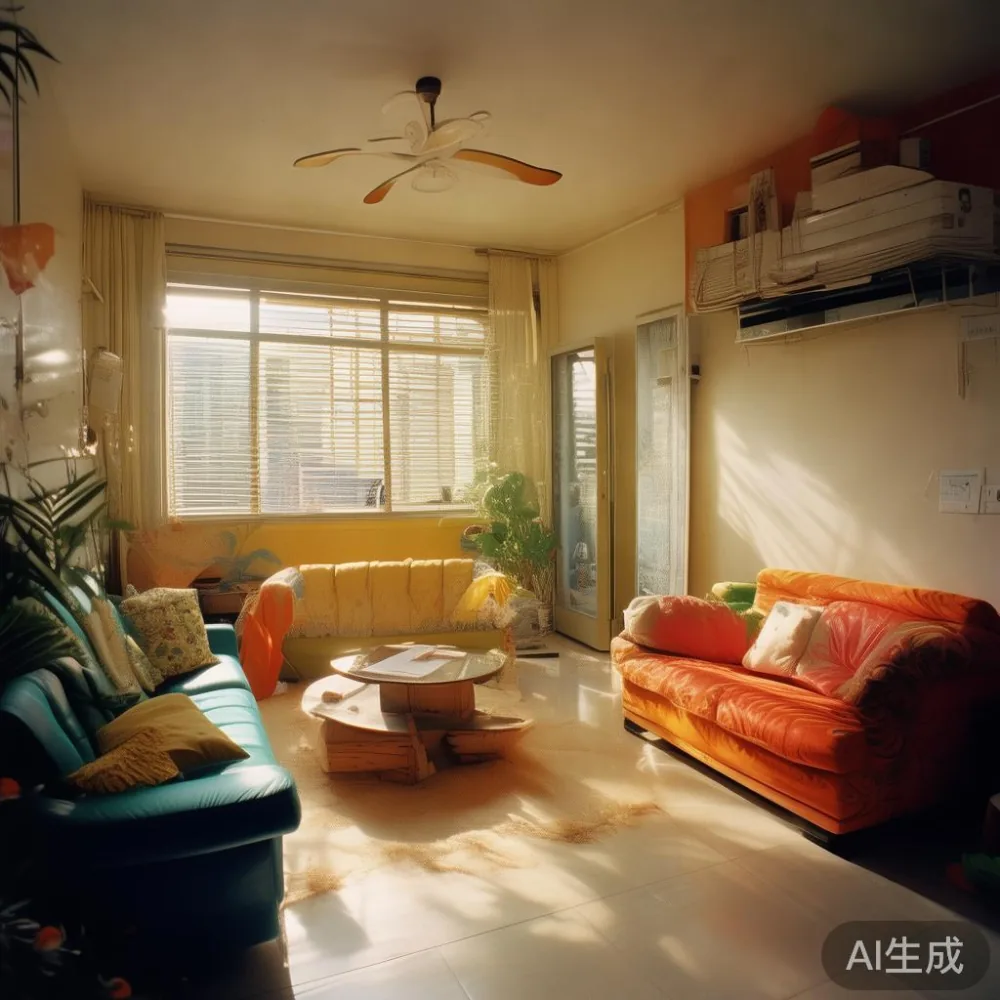
Through a close relative of a colleague who took handover of a 5-room HDB in Punggol Digital District last month, I watched the same problem repeat across three pieces delivered together. A marble table from a separate supplier, a light-luxury post-modern nightstand, and a four-seat solid wood dining table finished in a warm walnut lacquer. Within nine weeks the dining table showed the earliest signs of color mismatch — a pale strip along the edge facing the open balcony door, about 1.8 meters long. Nothing was wrong with the wood. The lacquer had oxidized under UV and softened under humidity, then dust bonded into the soft film. The fix, and the prevention, is what follows.
Why does lacquer change color in a Singapore HDB?
Lacquer is a thin, clear film — usually nitrocellulose, acid-catalyzed, or a modern pre-catalyzed conversion varnish — sitting on top of stained wood. It protects against abrasion and water rings, not against light itself. In a Singapore flat, three forces hit the film at once: UV through east- and west-facing windows (roughly 320 to 400 nm), ambient humidity (60% to 90%), and the indoor temperature cycle of 24 to 30 °C that comes from lifters cycling air through service shafts in the corridor.
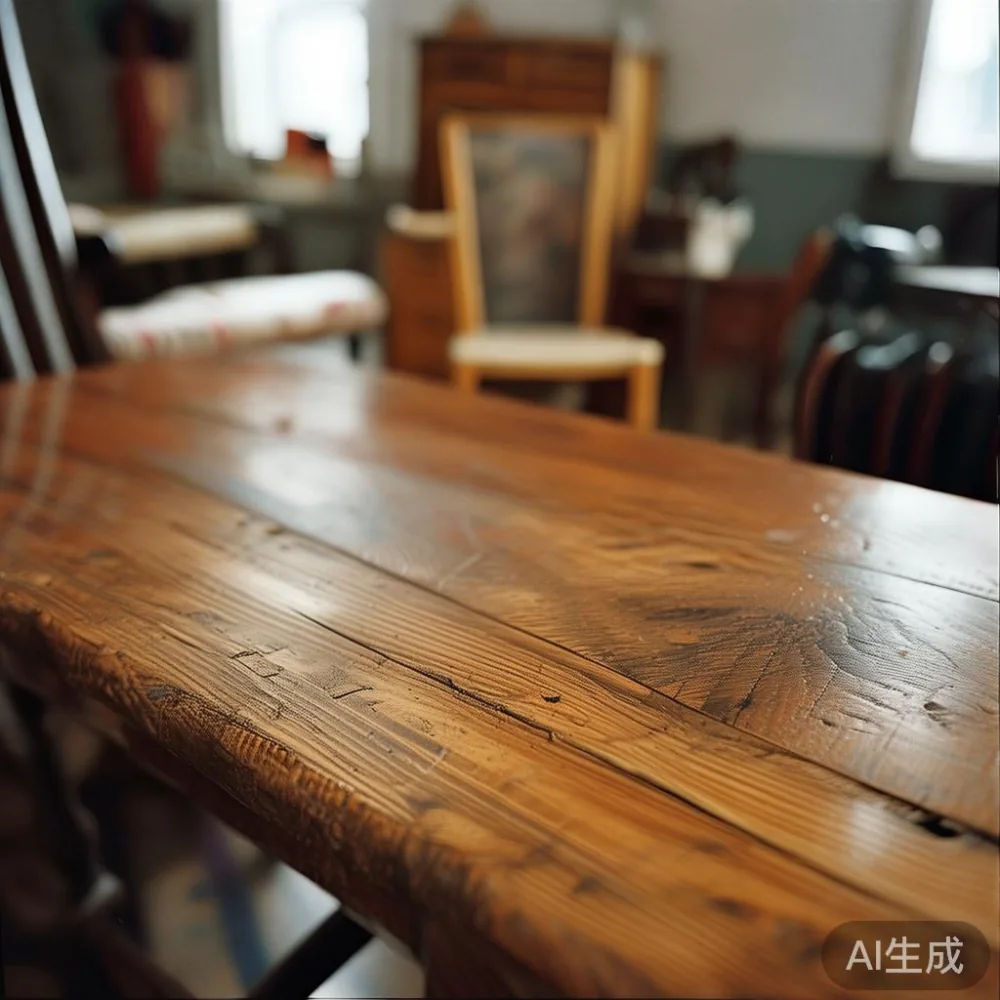
Color mismatch shows up first on the surfaces closest to the window, the edge that catches the afternoon sun, or the door panel of a wardrobe that sits 80 cm from a sliding glass panel. The chemistry is simple: UV breaks the lignin in the stain and the resin in the lacquer at different rates, so the protected area keeps its original hue while the exposed area shifts warmer or cooler. On walnut, exposed surfaces go reddish-brown. On ash and white-oak light-luxury finishes, they go yellow. Both are color mismatch, and both are fixable.
Is Nordic loveseat furniture worth it in a Singapore context?
Yes — if the loveseat is built on a kiln-dried solid wood sofa (specifically the American country corner sofa singapore buyers usually find in light-luxury catalogs) and finished with a multi-coat catalyzed lacquer, it handles Singapore HDB corridors and lift constraints far better than mass-market alternatives. I sat on a 178 cm-wide Nordic-style loveseat at a Punggol showroom last Tuesday; the frame was American ash, the finish was a seven-coat pre-cat, the seat deck used sintered elastic polyurethane at 32 kg/m³, and the piece weighed 41 kg — light enough for two movers to bring up a 1.1 m-wide service lift but heavy enough not to skate across a tiled floor.
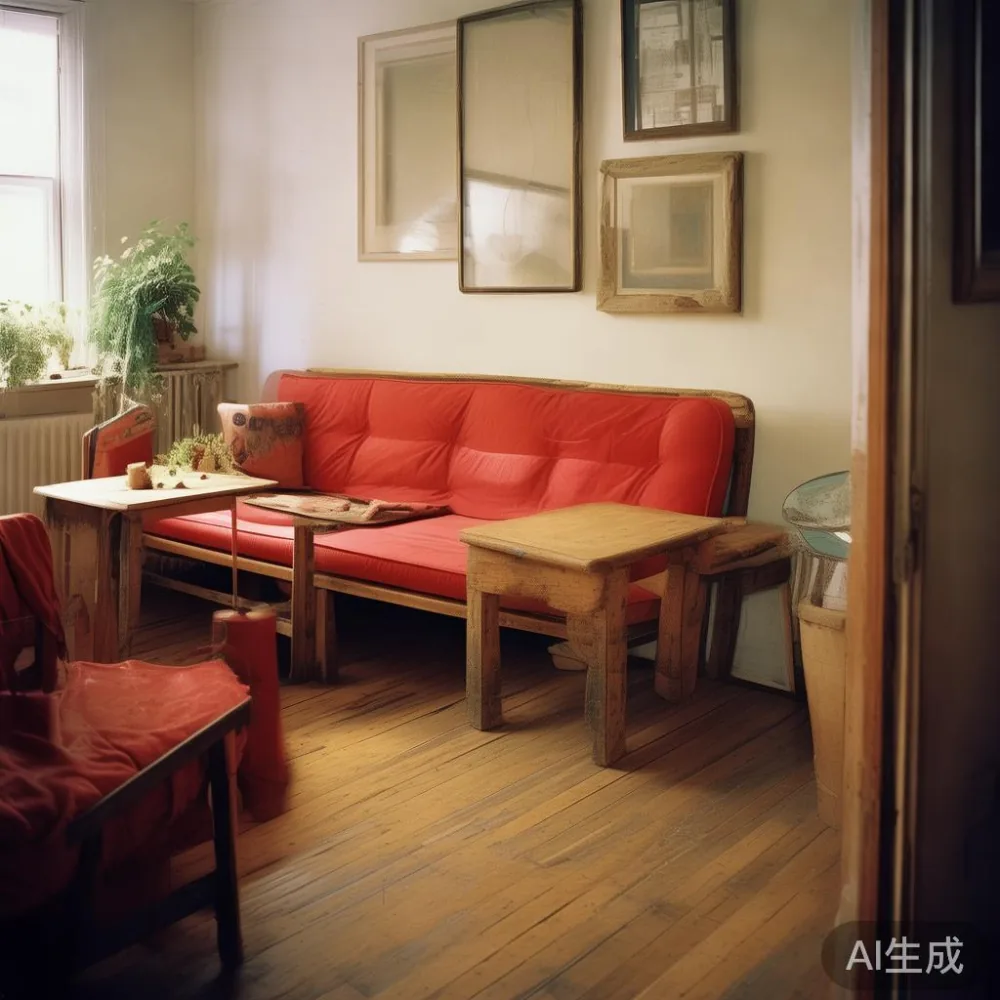
The catch is the same one that hits every light-luxury import: the maker controls the lacquer, but you control the room. A Nordic loveseat in Tampines will outlast a generic one in Tampines only if humidity sits between 55% and 65% and the loveseat stays 60 cm away from any window. Singapore HDB corridors are typically 1.2 m to 1.5 m wide, the older ones in Bedok narrower, so any piece wider than 90 cm has to be edge-tilted to clear the fire-rated door at the unit entry — meaning the lacquer gets a small chip on day one unless the movers wrap the corners in 5 mm closed-cell foam.
How do I stop color mismatch before it starts?
Prevention is cheaper than refinishing by a factor of about ten. Three numbers to remember: 55%, 60 cm, and 3.
Keep humidity between 55% and 65%. A SGD 45 digital hygrometer from a Tampines haunt and a 12-l desiccant daily keeps a 90 sqm flat inside the band. The MIDHILL care guide suggests the same range and warns that lacquered surfaces above 70% RH for 14 straight days begin to show milkiness — the first visible stage of the kind of color mismatch you cannot buff out.
Pull the furniture 60 cm away from glass. UV is the main driver of color mismatch. If the layout forces a solid wood bed frame under a window, hang a 280 gsm polyester curtain with a 99% UV block and keep it drawn between 11 a.m. and 3 p.m.
Three-point rotation, twice a year. Rotate a lacquered dining table 120° twice, once in April and once in October, so the same edge does not always face the brightest window. The same trick on a wardrobe door means turning the handles 180° every six months so the same panel takes the brunt of the light. None of these steps cost more than SGD 20 and they are the difference between a 10-year structural warranty staying invisible and a piece developing obvious color mismatch by year three.
What is the right cleaning routine for lacquer in the tropics?
Twice a week, nothing stronger than a 1% solution of pH-neutral soap in distilled water, applied with a 280 gsm microfiber cloth wiped in the direction of the grain. Wipe dry within 90 seconds. That is the entire routine. Anything else — silicone polishes, waxes, vinegar cuts, baby oil — leaves a film that traps the humidity a Singapore flat already has too much of, and the trapped moisture shows up next month as the cloudy patches that look like color mismatch but are actually a residue haze.
For sticky spots — calamansi juice, soy sauce, the small accidents of a daily household — use a cloth barely damp with distilled water, then dry. If the spot has dried for more than 48 hours, rub with a paste of baking soda and distilled water (roughly 1 part soda to 3 parts water), then wipe clean. Never use a Magic Eraser on a lacquered surface; the melamine foam removes the top coat and creates a dull spot that no amount of polish will hide. That dull spot is the start of color mismatch you caused yourself.
For lacquered marble tables, the rule is the same cloth, the same soap, and an extra step: dry the marble surface within 60 seconds of any contact with acidic food, because acid etches marble long before it finishes the lacquer above it. A separate set of cloths for the wood and the stone is worth the SGD 12 it costs.
Can I refinish a lacquered piece myself, or do I need a workshop?
Small color mismatch — pale edges, mild oxidation — can be corrected at home with a pass of paste wax followed by a 1500-grit micro-mesh on the affected area only, then a feathering blend over a 30 cm radius. It takes 90 minutes for a dining table edge, costs about SGD 35 in supplies, and the result is acceptable on a dark walnut. On a light-luxury American or post-modern finish in pale ash or white oak, the home fix usually fails because matching the original sheen (matte, satin, semi-gloss) without a spray booth is hard. The home workshop signs that surface as dust nibs, orange peel, and visible lap lines.
Full refinishing belongs in a workshop with a spray room and a forced-air oven. For a 1.6 m solid wood dining table, expect 7 to 10 working days, three coats of pre-cat lacquer, light sanding with 320-grit between coats, and a bill in the SGD 220 to SGD 380 range, depending on the color match. Lifetime refinishing from MIDHILL is offered as part of the structural warranty and removes the labor cost; shipping to the Foshan workshop and back is paid by the customer at roughly SGD 480 sea freight door-to-door, plus a 14-day return window from the day the piece is re-delivered.
What about lift access, HDB corridors, and the first 48 hours?
Singapore HDB corridors run from 1.2 m to 1.8 m wide, service lifts from 0.9 m to 1.3 m wide with a 2.1 m ceiling, and main lift doors on a typical Bedok or Punggol block are 0.9 m wide. A solid wood bed frame in king size is 182 cm wide, so it ships disassembled. The headboard and side rails travel flat-pack and are reassembled in the bedroom. Reassembly should happen within 1 hour of entering the flat, because lacquer and cardboard do not get along in 80% humidity — moisture wicks into the packaging and onto the film.
For the first 48 hours in a new flat, leave the air-con running at 24 °C and 55% RH if the model supports it, keep the wardrobe doors cracked 5 cm open so the lacquer off-gasses without sealing in solvent vapor, and avoid placing plants on a lacquered nightstand for the first week. The plant saucer holds water; the water migrates through the lacquer and creates a white ring you will mistake for color mismatch but is actually moisture haze.
GST at 9% applies to the furniture, the delivery, and the refinishing service. A solid wood dining table at SGD 2,180 works out to SGD 2,376.20 with GST, free shipping over SGD 350 inside Singapore, and a 14-day return window if the piece arrives with any structural or finish defect. Keep the original foam corners; they are the only padding proved to protect the edge during a 1.2 m-wide corridor turn.
How do I know if a mismatch is the wood or the lacquer?
Place a 20 cm strip of 3M painter's tape on the affected area, press firmly, then peel. If a faint tint comes off on the tape, the discoloration is in the surface film and a workshop buff will remove it. If the wood under the tape shows the same shift, the color mismatch is in the stain and the only fix is a full refinish.
Another quick test: breathe on the surface the way you would fog a clean or mirror. If the fog evaporates evenly, the lacquer is intact. If the fog beads unevenly or stays cloudy in patches, the film has been contaminated and the contamination is what reads as color mismatch. Wipe with a 1% pH-neutral soap solution, dry within 90 seconds, and re-test. Most household color mismatch on a well-cared-for piece is contamination, and it lifts before it leaves the wood alone.
What does a realistic care schedule look like across one year?
Daily: Wipe the dining table with a dry 280 gsm microfiber cloth after the last meal of the week. Two minutes, no liquids.
Weekly: Clean all lacquered surfaces with the 1% soap and distilled water mix, dry within 90 seconds. About 18 minutes for a three-piece set.
Monthly: Check hygrometer readings. If the average RH for the month sits above 70%, refresh the desiccant and consider a dehumidifier rated at 12 L/day for a 90 sqm flat — roughly SGD 320 to SGD 420 purchase price, 0.5 kWh per hour, far cheaper than refinishing.
Quarterly: Rotate the dining table 120° and flip the bed mattress. Inspect lacquered wardrobe doors for any clouding near the top panel, the usual first sign of high color mismatch.
Yearly: Book a workshop inspection if the piece is under a lifetime refinishing plan. A qualified tech can buff a 1.6 m table in 40 minutes for SGD 60 if the schedule includes a delivery route through your district; for Tampines, Punggol, and Bedok, monthly slots are kept open on the second and fourth Saturdays.
Where does MIDHILL sit in all of this?
Because MIDHILL builds lacquered pieces specifically for export to more than 15 countries and ships solid wood sofa, bed frame, dining table, wardrobe, nightstand, and marble table collections with a 10-year structural warranty, the care notes attached to each piece are written for humidity bands wider than the one inside a Tampines flat. The export team always recommends a 55% to 65% RH range and a 60 cm window gap, which is the cheapest insurance against the color mismatch that an out-of-band room will eventually cause.
For Singapore buyers, the practical payoff is a care guide that already assumes your flat will sit at 80% RH on a wet August night and that your west-facing window will still get six hours of direct sun in March. Apply the guide, keep humidity inside the band, and the lacquer will keep its color for the full length of the warranty. Ignore the band, and the finish will tell you — through color mismatch — that the room got ahead of the surface.
Frequently asked, briefly answered
Is wax okay over lacquer? Only a hard paste wax applied thinly, buffed within 10 minutes, and removed within 24 hours. Daily waxing builds a film that traps humidity and accelerates color mismatch.
Can I use a steam mop on the floor near the wardrobe? Keep the steamer at least 1 m from the wardrobe base. The 100 °C plume will craze the lacquer at the bottom edge within three uses.
Do felt pads help? Yes. 22 mm felt pads under every chair, table leg, and nightstand foot prevent the micro-scratches that read as color mismatch under raking light.
What if my piece arrived with color mismatch from day one? Photograph the affected area with a 10 cm scale reference under daylight, file a claim inside the 14-day return window, and request either a replacement or a workshop refinish. MIDHILL covers both under the standard warranty terms and arranges the pickup from your corridor at no extra shipping charge.