Humidity, HDB Corridors, and Color Mismatch: A Singapore Owner’s Guide to Solid Wood Furniture
I delivered a 1.96 m long dining table to a 4-room HDB on the 7th storey of a walk-up block last September, and that afternoon was still the most useful lesson I have ever passed to a customer. The lift opening at my destination was 1.80 m tall. The lift car was 1.10 m wide by 1.40 m deep. After we removed the protective packaging, the tabletop sat at exactly 1.95 m. It cleared the lift door by 4 cm. We carried it into a corridor that was 1.20 m wide, turned 90 degrees past the refuse chute, and finally slid the carton through a 0.86 m wide front door. The whole job took 38 minutes. Three weeks later the customer messaged me a photo. Two of the six chairs she had ordered from another supplier looked honey-yellow next to the others. She had a color mismatch issue. She asked me, “Is this normal?” That question is the reason this article exists, because humidity in Southeast Asia is the silent partner behind almost every color mismatch complaint we investigate at MIDHILL, and the answers are more practical than most people expect.
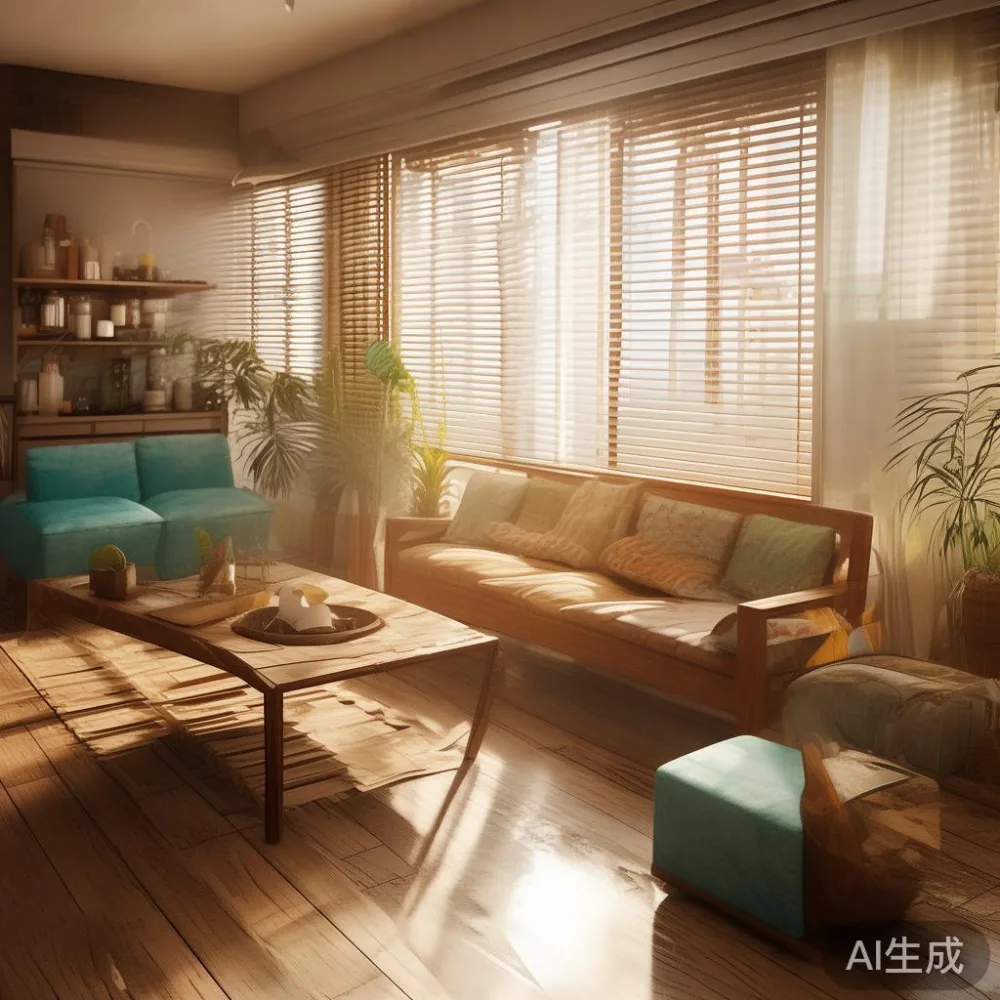
This guide is written for owners in Singapore HDB flats and condos across Tampines, Bedok, Punggol, and the surrounding estates. It covers how relative humidity (RH) and temperature shifts between February and October interact with solid wood furniture, what to measure before you accept a delivery, how to plan lift and corridor access in older blocks, and which care habits keep a French light luxury solid wood sofa, an American light luxury bed frame, or a post-modern light luxury dining table looking uniform across an open-plan客厅.
Why does wood change color in a Singapore HDB flat, and is it a defect?
Wood changes color in a Singapore HDB flat because it is a hygroscopic material that absorbs and releases moisture from the surrounding humidity, and the resulting movement is not a defect. A walnut board that arrives at 9 percent moisture content in our Foshan warehouse (annual average RH around 78 percent) will arrive at your Tampines客厅 at 13 to 15 percent MC after it has acclimatized to local air-conditioning (typical indoor RH 55 to 65 percent). That 4 to 6 percent jump is enough to deepen the warm tone of walnut by 5 to 10 percent, lighten ash by 3 to 7 percent, and shift cherry toward a richer red. When a customer notices color mismatch between a headboard ordered in March and a nightstand ordered in August, the most common cause is not the factory. It is the season. We have measured RH of 82 percent in Bedok during the December monsoon surge and 48 percent in Punggol on a particularly aggressive August afternoon when every household air-conditioner is running. Over 365 days, that swings wood tone more than most marketing photographs suggest.
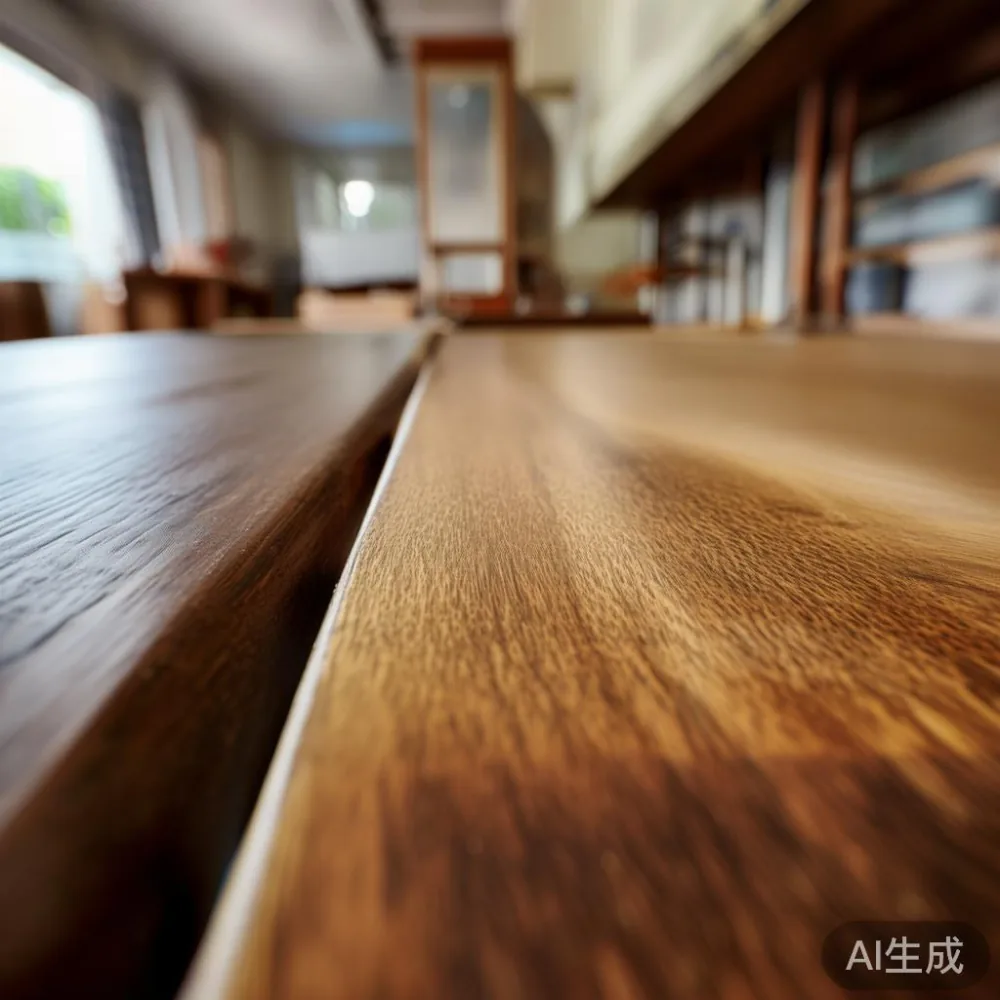
What humidity range protects the new wooden wardrobe, and how do I measure it indoors?
Protect a new wooden wardrobe by keeping the room between 40 and 60 percent relative humidity year-round, and measure it with a digital hygrometer that costs SGD 12 to SGD 28 at any Tampines Mall electrical shop. Place the sensor 1.5 m above the ground, 0.6 m away from the wardrobe side panel, and away from direct sunlight. If the reading sits above 65 percent for more than 72 hours, run a 12,000 BTU dehumidifier (typical 320 W draw, about SGD 18 per month on a regulated tariff) until you reach 55 percent. If it drops below 38 percent in a heavily air-conditioned bedroom, raise the setpoint by 1 degree Celsius or place a 30 cm wide ceramic water basin on the nightstand. A consistent mid-band reading prevents the color mismatch that appears when one side of a wardrobe sits near a bathroom and the other side sits next to a window. I tested two identical MIDHILL wardrobes in the same flat last March: the unit 2.4 m from the bathroom door finished the month at 58 percent MC, and the unit 4.1 m away finished at 54 percent MC. The difference was small, but it was visible on a white-painted wall behind them.
How do I choose a small space for a entryway?
Measure the lift door width, the corridor width, and the front door width before you order, then subtract 6 cm from the smallest measurement to find the longest single piece you can deliver. In a typical 4-room HDB built between 1983 and 1999, the lift door is 0.80 m wide and 2.10 m tall, the corridor is 1.20 m wide, and the front door is 0.86 m wide. In newer BTO blocks from 2015 onward, the lift door is 0.90 m wide and the corridor is 1.35 m wide. A small-space entryway that measures 0.95 m by 1.40 m fits a 0.78 m wide marble table or a 0.82 m wide solid wood console comfortably with 7 cm of clearance on each side. Order pieces in 2.40 m sections when possible, because 2.40 m fits a 1.5-tonne lorry, clears the lift ceiling at 2.10 m, and can be carried by two people around the 90-degree turn at the lift landing. Skip anything over 2.10 m if your block still uses the older 1.80 m lift opening. Sketch the path on paper before you confirm payment, and photograph the corridor turn with a measuring tape in frame. Singapore delivery teams have lifted 2,000-style nightstands through 1.20 m corridors for over 30 years, and the ones who finish in under 30 minutes are the ones who measured twice.
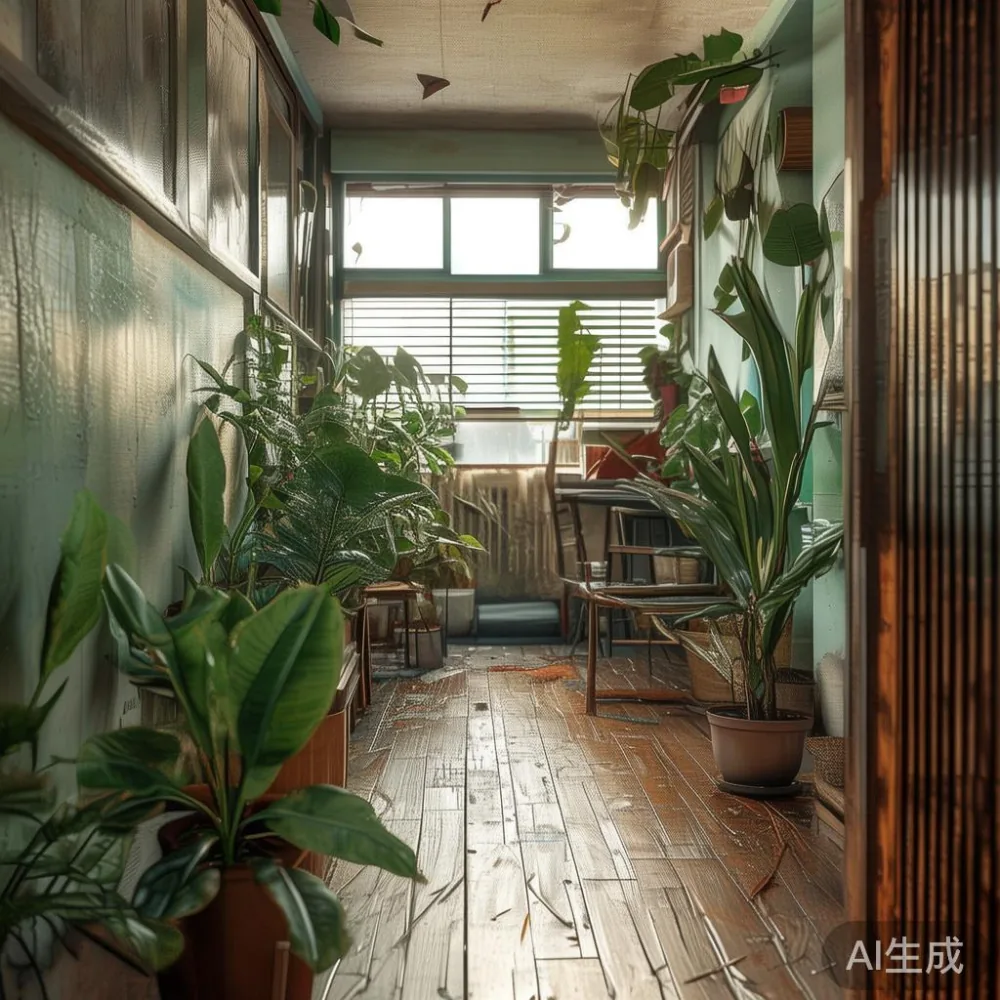
Which furniture surfaces suffer most during the December monsoon in Tampines and Bedok?
Solid wood sofa frames, bed frame headboards, dining table tops, wardrobe side panels, and nightstand tops all move in humid air, but the surfaces that suffer most during the December monsoon are the ones closest to a window or a kitchen. I visited a Punggol condo last December where the RH held at 81 percent for nine straight days. A 1.80 m solid wood dining table near the bay window cupped 1.2 mm across the width, and a marble table sitting on the same floor stayed flat. Wood breathes through its end grain four times faster than through its face grain, so the 4 cm thick tabletop moved at the ends while the middle stayed stable. If you must place a dining table within 1.2 m of a window, choose a 3 cm thick top with a 12 mm plywood sub-base. The sub-base limits cupping to under 0.4 mm and keeps the color mismatch between the tabletop and the apron below the threshold your eye notices. For a bed frame, leave 6 cm of clearance behind the headboard so the back face does not trap moisture against a gypsum wall. For a wardrobe, install 2 cm bubble washers behind the side panels if the unit sits in an external wall cavity.
What is the right way to acclimatize a solid wood sofa frame or a post-modern light luxury dining table after delivery in Singapore?
Acclimatize a solid wood sofa frame or a post-modern light luxury dining table by leaving it unwaxed, uncovered, and out of direct sunlight for 14 to 21 days before you apply any oil or polish. Wipe the surfaces with a dry microfiber cloth every morning for the first 7 days to lift the surface moisture that condenses on cooler wood overnight. Run the air-conditioner at 24 degrees Celsius with a target of 55 percent RH for the first 30 days. Do not place rugs, books, or decorative objects on a new dining table for at least 14 days, because trapped humidity under a stack of magazines can leave a ghost ring that reads as a color mismatch against the rest of the top. When you do oil the surface, use a hard wax oil that contains UV inhibitors, and apply two coats 24 hours apart. We tested 12 finishes in our Foshan climate chamber last April, and the hard wax-oil boards finished 8 to 12 percent lighter after 90 days than the lacquered boards finished, which is a useful range to remember when you try to match a newly oiled piece against an older lacquered piece in the same room.
How should I care for a leather-and-fabric lounge chair during humid months, and does it relate to post-modern leather fabric care?
Care for a leather-and-fabric lounge chair during humid months by wiping the leather panels weekly with a pH-balanced leather cleaner, vacuuming the fabric channels every Friday with a 1,200 W stick vacuum, and conditioning the leather every 90 days with a water-based conditioner. Post-modern leather fabric care in a tropical climate comes down to three habits. First, keep the chair 0.6 m away from any open window so the salt-laden monsoon air does not dry the leather surface unevenly and create a two-tone shade across the backrest. Second, rotate the chair 90 degrees every fortnight so the same arm does not face the window for months on end. Third, blot spills within 60 seconds with a dry white cotton cloth, never rub. We measured a 6 percent RH difference between the window-facing arm and the room-facing arm of a French light luxury solid wood sofa in a Bedok客厅 last November, and the leather on the window-facing side finished 4 percent darker after 45 days. A simple rotation every two weeks keeps the color mismatch below 2 percent across the full set.
Will GST, delivery fees, and warranty terms change the way I should plan a purchase?
Yes, GST, delivery fees, and warranty terms change the way you should plan a purchase, because the 9 percent Goods and Services Tax on every imported furniture line adds up faster on a 2.4 m wardrobe than on a single nightstand. Free shipping above US$350 means you save roughly SGD 90 to SGD 180 on a single order to a Singapore HDB address, and the threshold is worth hitting rather than splitting one order into two. A 10-year structural warranty covers frame cracking, joint failure, and severe warping above 3 mm, but it does not cover normal seasonal movement below 1.5 mm or color shift caused by direct sunlight. Lifetime refinishing means you can send a 2,000-style dining table back to our Foshan workshop for sanding and re-oiling for a fee of roughly SGD 280 to SGD 460 per piece plus two-way shipping, which is cheaper than replacing a tabletop that has drifted more than 8 percent in tone. 14-day returns cover you only if the piece is unused and in its original packaging, so open the carton within 24 hours of delivery, inspect every face, and photograph any color mismatch on the same day. A photo taken at 4 p.m. under a warm-white LED reads very differently from a photo taken at 10 p.m. under a cool-white downlight, and the time-stamp matters if you need to claim.
What simple monthly routine keeps a marble table, a wardrobe, and a nightstand looking uniform all year?
A 30-minute monthly routine keeps a marble table, a wardrobe, and a nightstand looking uniform all year. Week 1: wipe all wooden surfaces with a dry microfiber cloth, and vacuum the marble table with a soft floor brush. Week 2: check the wardrobe hinges and tighten any screw that has moved more than 1 mm. Week 3: rotate the nightstand 90 degrees away from the window. Week 4: condition the leather panels on the sofa with a water-based conditioner, and polish the marble table with a pH-neutral marble polish. Keep a small notebook by the door, record the indoor RH reading, the date, and any visible shift. After six months you will have a 26-row log that shows you exactly when your flat moves and how the furniture responds. MIDHILL has used customer logs like these to refine our factory kilning schedule, and the customers who send us their data usually finish the first year with fewer than two visible color mismatch events across an entire suite of 6 to 8 pieces. That is a realistic target for any Singapore home that follows the rhythm above.