Humidity in Singapore and Solid Wood Furniture: Why Color Mismatch Happens and How to Prevent It
I grew up in a Tampines HDB flat where my grandparents owned a rosewood sideboard that had been with the family for two decades. Every March and every October, the cabinet doors would swell just enough to stick against the frame, and the stain on the right panel would look a shade darker than the left. My grandfather would sand the high spots with a piece of 600-grit paper, rub in a little tung oil, and tell me that wood was still "moving." He was right, and what he was seeing was humidity at work — the same invisible force that creates color mismatch on a brand-new solid wood dining table six months after delivery.
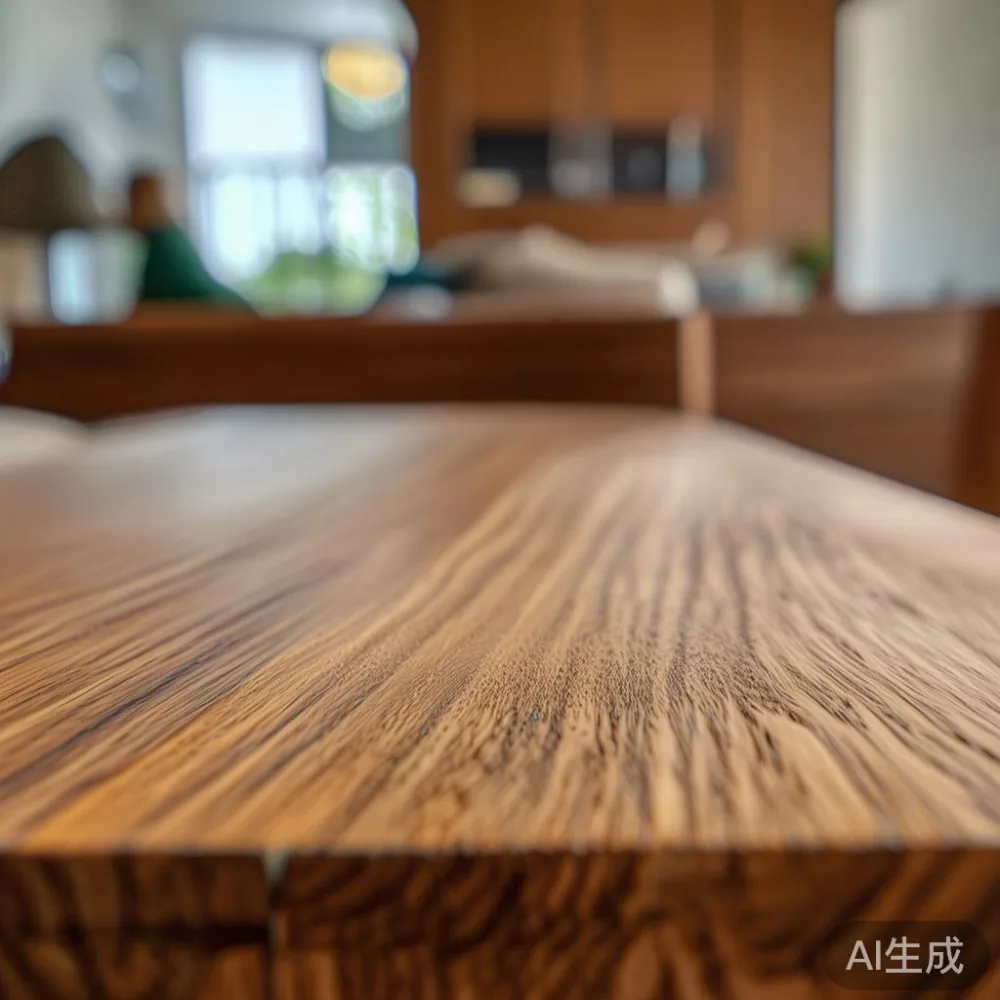
Singapore sits in a tropical climate zone where the average relative humidity hovers around 80% year-round. Mornings start near 90% in Bedok and Punggol, afternoons drop to 65% when the rain holds off, and a sudden thunderstorm can swing the reading 15 points in under an hour. Solid wood furniture — whether it is a 1.8-metre bed frame, a six-seater dining table, a three-door wardrobe, a pair of bedside nightstands, or a marble-top coffee table with solid wood legs — absorbs and releases that moisture constantly. The visible result is rarely warping on day one; it is a slow color mismatch that creeps in over weeks and seasons.
Why does humidity cause color mismatch on solid wood furniture?
Wood is hygroscopic. Each board expands when humidity rises and contracts when humidity falls. On a flat-panel wardrobe door, that movement is small — often under 2 mm across a 60 cm width — but the stain and oil on the surface do not always age at the same rate as the surrounding panels. The end-grain of a solid wood nightstand absorbs finish faster than the face-grain, so the cut ends of a bed frame rail can look noticeably lighter or darker than the long side after one monsoon cycle. That visible difference between two pieces, or two panels of the same piece, is the color mismatch most Singapore owners first notice.
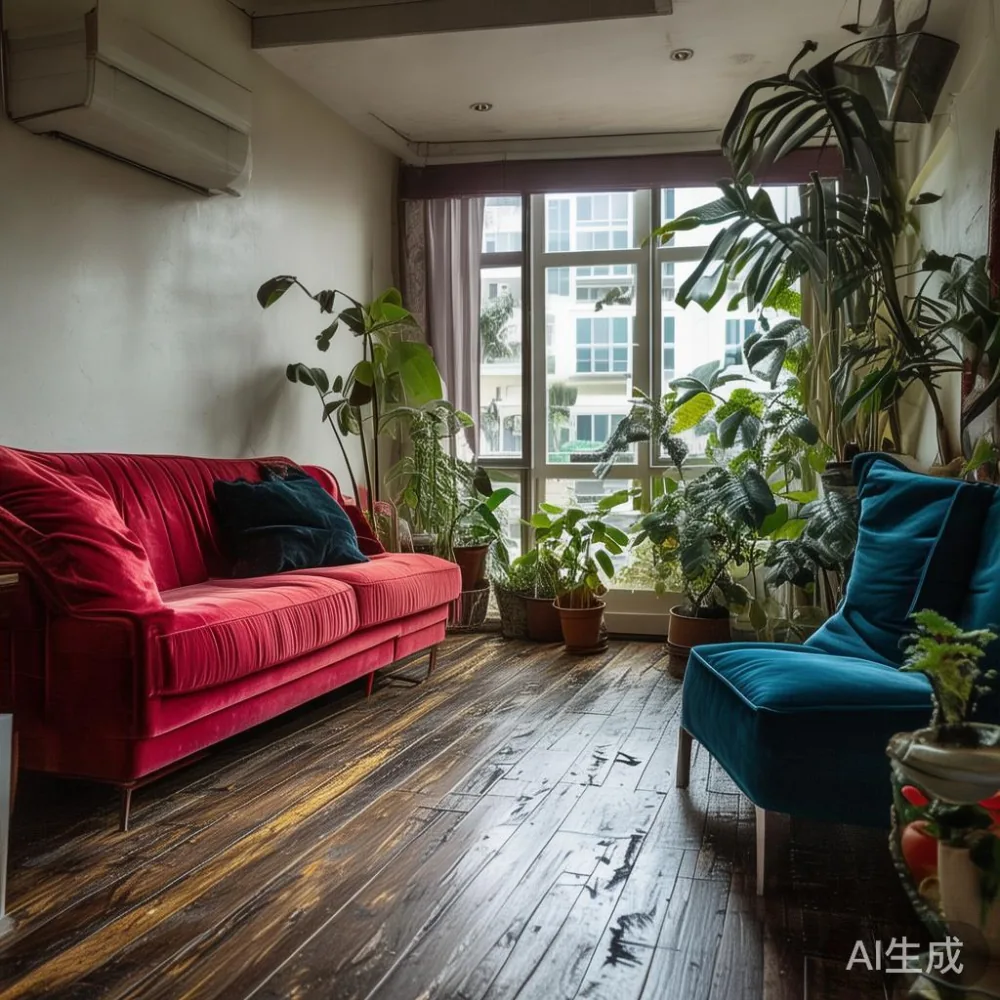
Sunlight compounds the issue. A west-facing living room in a Punggol condo can receive four hours of direct afternoon light through floor-to-ceiling glazing. UV rays oxidise the lignin in oak, ash, and walnut, darkening the exposed surfaces. The shaded back of the same sideboard stays closer to the factory tone. After twelve months the gap between the front and the back reads as a clear color mismatch, even though both panels were identical on delivery day. A solid wood dining table placed under a recessed ceiling spotlight will show the same ring of darker wood where the lamp sits every evening.
How do I care for a solid wood dining table in a Singapore HDB flat?
Wipe the surface with a dry microfiber cloth every evening, run a 25-litre dehumidifier set to 55% in the adjoining space, and rotate the table 90 degrees under any ceiling spotlight once a month so the patina darkens evenly. That single sentence is the practical answer to the question "How do I care for a dining table in humid weather?" — keep the surface dry, keep the room between 50% and 60% RH, and keep the light exposure symmetrical.
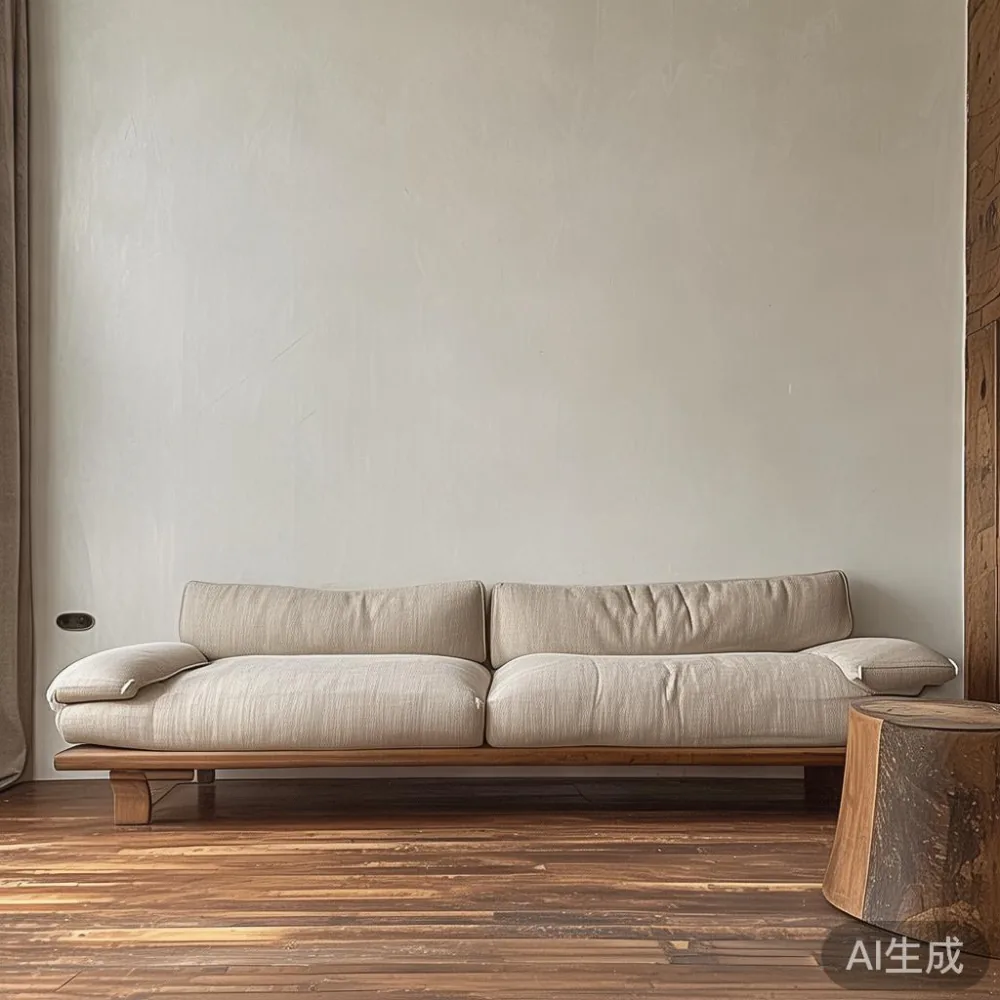
Beyond that, three habits protect a 1.8 m × 0.9 m table made of ash, oak, or walnut: lift rather than drag when rearranging the room, because dragging across vinyl tile flooring scratches the legs and opens grain that drinks in moisture; use felt-backed coasters under cold mugs, since the condensation ring left overnight raises the grain locally and leaves a dull halo; and re-oil the top every nine to twelve months with a hardwax oil such as Osmo Polyx 3062, applied with a lint-free cloth in two coats twelve hours apart. A 250 ml tin costs around SGD 28 at hardware shops along Geylangooj, and one tin covers a six-seater table twice.
If you live on a high floor in a Punggol Waterway Residence block, the corridor lift on most floors measures 1.2 m wide by 2.3 m deep, which fits a disassembled bed frame, two nightstands, and a dismantled dining table in a single trip. Ask the supplier to flat-pack the piece before delivery, and the movers will not have to angle a fully assembled table through a 90-degree turn at the lift lobby.
Is the color mismatch I see on day 30 a defect or normal behaviour?
It is normal behaviour if the difference is uniform across similarly oriented panels, and it is a defect if one panel is two or more shades darker on arrival. Solid wood furniture from any maker — whether the style is French light luxury with cabriole legs and brushed brass tips, or American light luxury with shaker lines and oiled walnut — will always have minor tone variation between boards because each plank comes from a different part of the tree. Heartwood darkens faster than sapwood, and a board cut near the crown of an oak will oxidise more quickly than one cut near the base. Acceptable variation on a six-panel wardrobe is roughly one tone on a standard 1-to-10 wood-stain card; anything beyond that should be raised with the seller within the first 14 days.
Last month I visited a colleague's new four-room HDB in Bedok Reservoir where she had placed a 2-metre solid wood wardrobe against the service yard wall. Within five weeks the panels closest to the kitchen exhaust fan had darkened by one full shade compared to the panels nearest the bedroom door. The piece was not faulty; the asymmetric airflow had simply aged the wood unevenly. She moved a tall indoor plant in front of the darkest panel to slow the airflow, and within three months the gap had closed to a level that read as intentional patina rather than a mismatch.
What humidity range keeps a solid wood bed frame stable?
Keep the bedroom between 50% and 60% relative humidity and the bed frame will gain or lose less than 0.5% in width across the year, which is invisible to the eye. Below 45% the slats dry out, and the joints on a mortise-and-tenon bed frame can loosen by 1 mm to 2 mm at the shoulder; above 70% the slats swell, the centre rail cups, and a queen-size mattress can begin to feel uneven in the middle. A 12-litre dehumidifier rated at 180 W is enough for a standard HDB bedroom of 12 sqm to 14 sqm, and running it from midnight to 7 am adds about SGD 6.50 a month to the electricity bill at the current 9.6 cent per unit regulated tariff.
If you are buying a solid wood bed frame with a headboard taller than 110 cm, measure the lift in your block before ordering. Most Punggol and Tampines blocks have lift cabins 1.5 m deep with a 2.4 m ceiling, so a flat-pack headboard arrives standing upright. Older blocks in Bedok and Toa Payoh sometimes have 1.3 m deep lifts, and the same headboard has to be tilted at 30 degrees, which means the courier needs an inner corridor clearance of at least 0.9 m. A standard HDB corridor is 1.2 m wide, so the angle is workable, but a marble-top nightstand with a 55 cm wide top cannot be tilted and must travel flat. Plan the delivery route with the supplier before the truck rolls.
How does MIDHILL handle color mismatch on long shipments to Singapore?
Before a piece is pushed, MIDHILL photos, weights, and labels every crate — and the condition is logged. The Foshan factory kiln-dries ash, oak, and walnut to a 8% to 10% moisture reading on a pin meter, then wraps each component in a 0.08 mm PE film plus a 5 mm EPE corner pad before the outer corrugated carton goes on. Two desiccant sachets are tucked into each carton so the inner humidity during the 14-day sea voyage from Yantian to Singapore stays below 55%. On arrival the cartons are held for 48 hours in a Tuas warehouse before delivery, which lets the wood equalise to local shop conditions. That 48-hour buffer is the difference between a piece that arrives stable and one that begins to move on day three in your flat.
Because every panel is photographed at packing, the factory can match replacement doors or shelves against the original batch tone if a customer reports a real color mismatch within the 14-day return period. Returns are free within 14 days on orders over SGD 350, and a replacement part is shipped by air freight at no charge if the issue is confirmed as a factory tone gap rather than site-level aging. For pieces that age unevenly after year one, MIDHILL offers lifetime refinishing: the workshop in Foshan will collect the part, re-sand to 180-grit, re-stain to the original sample, and return it within 30 working days, with the customer paying only the SGD 95 one-way courier fee within Singapore.
What does a 10-year structural warranty actually cover on a solid wood piece?
A 10-year structural warranty covers joint failure, rail cracking, and load-bearing component breakage under normal residential use — which means a 110 kg wardrobe rail should not snap under the weight of hanging shirts, and a six-leg dining table should not develop a wobble at the apron. It does not cover color mismatch caused by uneven UV exposure, surface scratches from vacuum cleaner heads, water rings from condensation, or finish wear from commercial cleaning products. The warranty is registered against the original buyer name and the order number, and claims are processed through the Singapore service agent who visits the home, photographs the issue, and files the report within five working days.
Two examples show the boundary clearly. A solid wood dining table whose central stretcher cracks across the grain at the tenon shoulder after fourteen months is a structural failure, and the stretcher is replaced free of charge. The same table whose top develops a 4 cm water ring under a cold glass after a dinner party is a surface issue, and the ring is sanded out and re-oiled for a SGD 60 service call fee. Knowing which category your issue falls into saves a wasted claim and a longer wait for the right fix.
How do American, post-modern, and French light luxury finishes age differently in tropical humidity?
American light luxury favours oiled walnut with low-sheen matte topcoats that age into a warm honey patina within the first year. The patina is forgiving: minor color mismatch between panels blends into the warmth after eight to ten months, especially on a bed frame or a tallboy that catches morning light from the service yard window. Post-modern light luxury uses open-pore lacquer on oak or beech, which holds the factory tone longer but shows fingerprints, water rings, and uneven patina more clearly. A post-modern dining table under a 30 cm pendant lamp will develop a darker halo around the base of the lamp within four months if the table is not rotated. French light luxury leans on limed oak, brushed brass, and marble accents — the marble is unaffected by humidity, but the brass hardware will tarnish in six to nine months near a kitchen exhaust, and the oak frame around the marble top will age at a different rate from the stone, producing a deliberately layered look that many owners read as patina rather than color mismatch.
Across all three styles, the same rule applies: the darker the factory stain, the more visible the color mismatch when one panel ages faster than its neighbour. A natural oak piece with a 5% pigment load hides variation; an ebony-stained walnut piece with a 25% pigment load shows every half-tone change. Pick the finish tone with that visibility in mind, and the same humidity exposure that worries new owners becomes part of the living finish that defines solid wood furniture over a twenty-year ownership cycle.
Practical buying checklist for a Singapore flat
Measure the lift depth and the corridor turn before ordering. Confirm the factory kiln-dry percentage and ask for the pin meter reading at packing. Keep two desiccant tubs per wardrobe in the first month. Place a 3 mm felt pad under every solid wood leg to stop moisture wicking through the vinyl tile. Rotate the dining table 90 degrees every month under the pendant lamp. Run a dehumidifier in the bedroom for eight hours a night from November to February, when HDB corridor air tends to run damp and cool. Ask the supplier whether replacement panels are batch-matched or drawn from current stock, because batch-matched panels keep their color within one tone for the first decade. Free shipping kicks in above SGD 350, and a 1.8 m solid wood bed frame plus two nightstands typically lands at SGD 1,480 before the 9% GST, well above the threshold. Plan delivery for a weekday morning when the service lift is free, and have a helper on standby because a flat-pack six-seater dining table weighs 58 kg in two cartons and a full 2 m wardrobe arrives in four cartons totalling 92 kg. Modern nursery furniture saudi arabia buyers ask similar humidity questions, and the same kiln-dry protocol answers them — the climate is different, but the science of stable wood is the same.
Frequently asked questions about solid wood and Singapore humidity
Will my new solid wood dining table change colour in the first six months? Yes. Expect a half-tone to one full tone of darkening on the top surface within the first two months, then a slower shift over the next four. The shift is even if light and airflow are even, and uneven if they are not. Rotate the table under the pendant lamp once a month to keep the darkening symmetric across the top.
Is a dehumidifier worth running every night in a HDB bedroom? For a 12 sqm to 14 sqm bedroom, a 12-litre dehumidifier costs about SGD 6.50 a month on the regulated rate, and it keeps a solid wood bed frame, two nightstands, and a six-door wardrobe stable for the year. The cost is roughly the same as two cups of kopi a week, and it pays back in fewer hairline cracks at the joints.
How long does delivery take from a Foshan factory to a Tampines flat? Standard sea freight from Yantian to Singapore takes 14 days, plus 48 hours of warehouse equalisation in Tuas, plus one to two days for the final lorry leg and the HDB lift booking. Plan for 17 to 19 calendar days from order to room-side delivery, with the 14-day return window ticking from the day the cartons are signed in at your unit door.
What should I do if a panel arrives two shades darker than the rest of the wardrobe? Photograph the panel in daylight next to the others, note the order number, and file the report with the Singapore service agent within seven days. A real factory color mismatch is replaced under the 14-day return policy, with the air-freight replacement part shipped at no charge. A normal tone variation is logged, and the panel is left to settle and re-checked at the six-month mark.
Final thoughts on living with solid wood in the tropics
Solid wood furniture rewards owners who accept movement as part of the material. A 1.8 m bed frame, a six-seater dining table, a three-door wardrobe, and a pair of nightstands will each register the seasons in their own way. A marble table will not move at all, which is why it is often paired with solid wood legs that take on the humidity cues instead. Keep the indoor humidity between 50% and 60%, keep the light exposure symmetric, and keep the finish fed with hardwax oil every nine to twelve months. The color mismatch that worries new owners on day 30 becomes the patina that defines the piece by year 10, and the structural warranty and lifetime refinishing that come with a Foshan maker that ships responsibly are the safety net that lets an owner enjoy the patina without anxiety.