The Art of Space: Styling Compact Singapore Homes Without the Squeeze
Living in a Singapore apartment, whether a 3-room HDB flat in Tampines or a compact condo unit in Punggol, is a study in spatial efficiency. With typical lift widths of 110cm and corridor dimensions that can feel narrow, every square centimeter counts. The challenge isn't just fitting furniture into a space; it's doing so in a way that feels open, intentional, and free from the visual noise of a color mismatch. The goal is to create an environment that breathes, even when the floor plan is modest.
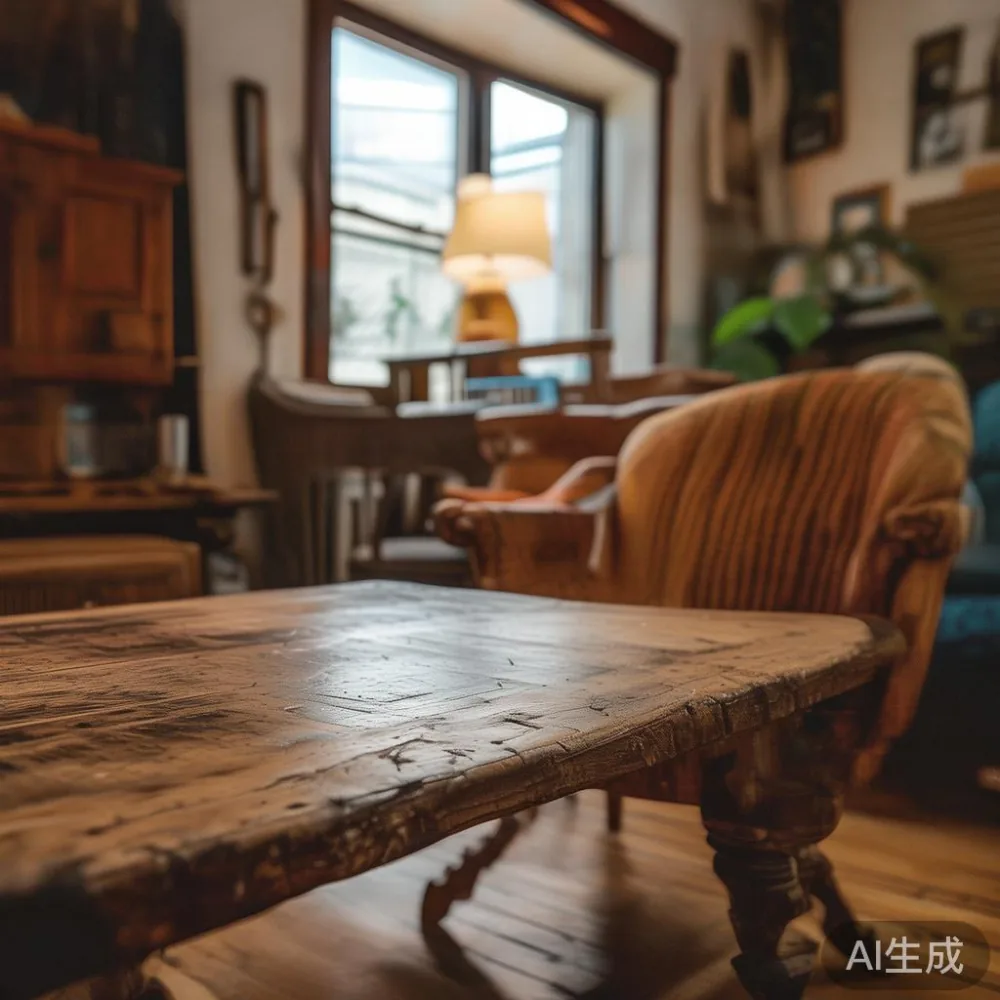
Last month, I visited my colleague, Sarah, in her new 45-square-meter Bedok condo. She had just moved in and was overwhelmed. Her living room, a mere 4 meters by 3.5 meters, was crammed with a bulky dark wood sofa, a heavy coffee table, and a large television stand. The result was a room that felt smaller than its dimensions, a victim of poor scale and a significant color mismatch between the furniture and the light, airy walls. Her experience is common, but it's also completely solvable with a strategic approach to furniture selection and placement.
Understanding the Singapore Context: Size and Style
Singapore's urban landscape dictates the rules of small-space living. HDB corridors are often just 1.2 meters wide, and the standard lift in older estates can be a tight 110cm by 110cm. This means that any piece of furniture you bring home must be able to work through these spaces. A wardrobe deeper than 60cm will be a nightmare to move up the stairs. A dining table wider than 140cm might not fit through your front door. The practical constraints are real and must be the starting point for any design decision.
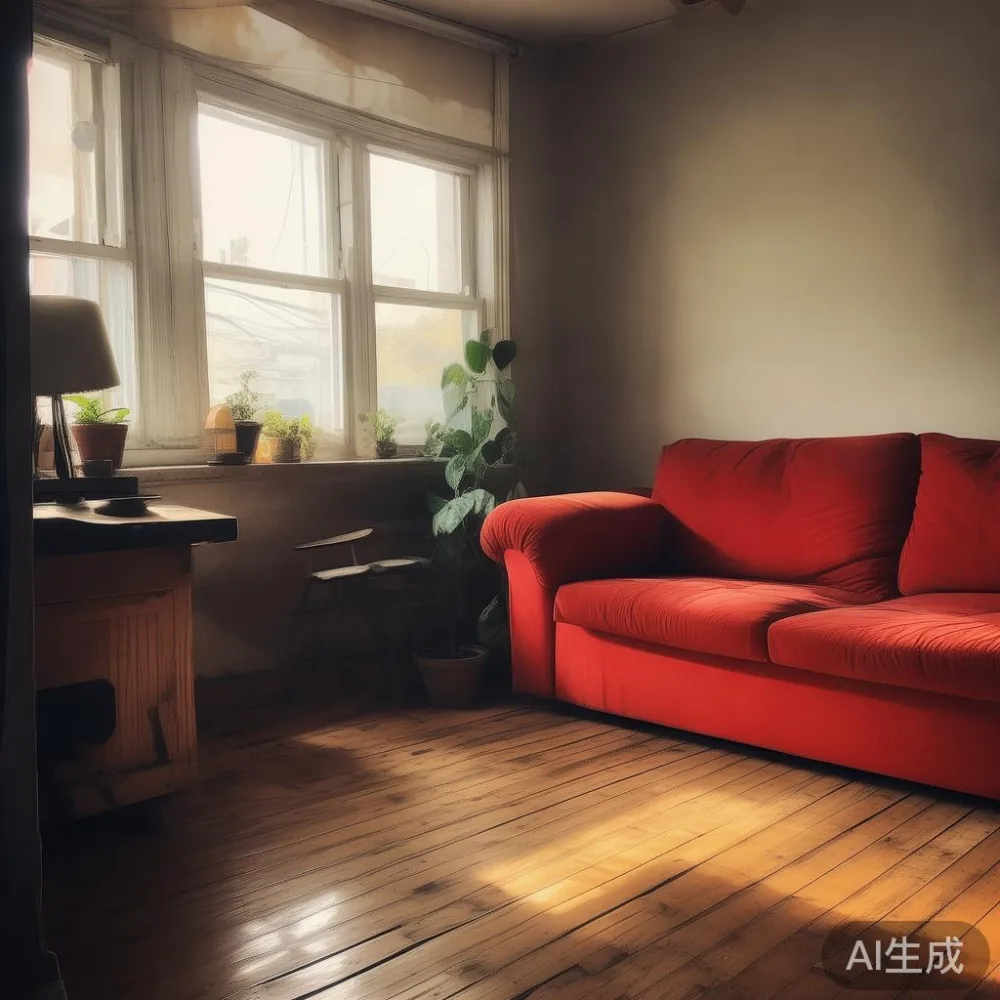
This practicality, however, doesn't mean you have to sacrifice style. The concept of 'light luxury'—be it the clean lines of French light luxury, the understated elegance of American light luxury, or the bold forms of post-modern light luxury—is perfectly suited for smaller homes. These styles emphasize quality materials, refined aesthetics, and a sense of calm, which can make a compact space feel more luxurious and less cramped. The key is to choose pieces that are well-proportioned and use materials that enhance the sense of space rather than overwhelm it.
How Can a Solid Wood Sofa Be a Space-Saving Solution?
The traditional image of a sofa is a large, imposing object. However, a well-chosen solid wood sofa can be one of the most space-efficient and visually light choices for a small living area. The secret lies in its legs. A sofa raised on slender wooden legs creates a visual 'void' underneath, which tricks the eye into seeing more floor space. This is a fundamental principle of making a room feel larger. The legs create a sense of airiness, preventing the sofa from looking like a solid block that anchors the room to the floor.
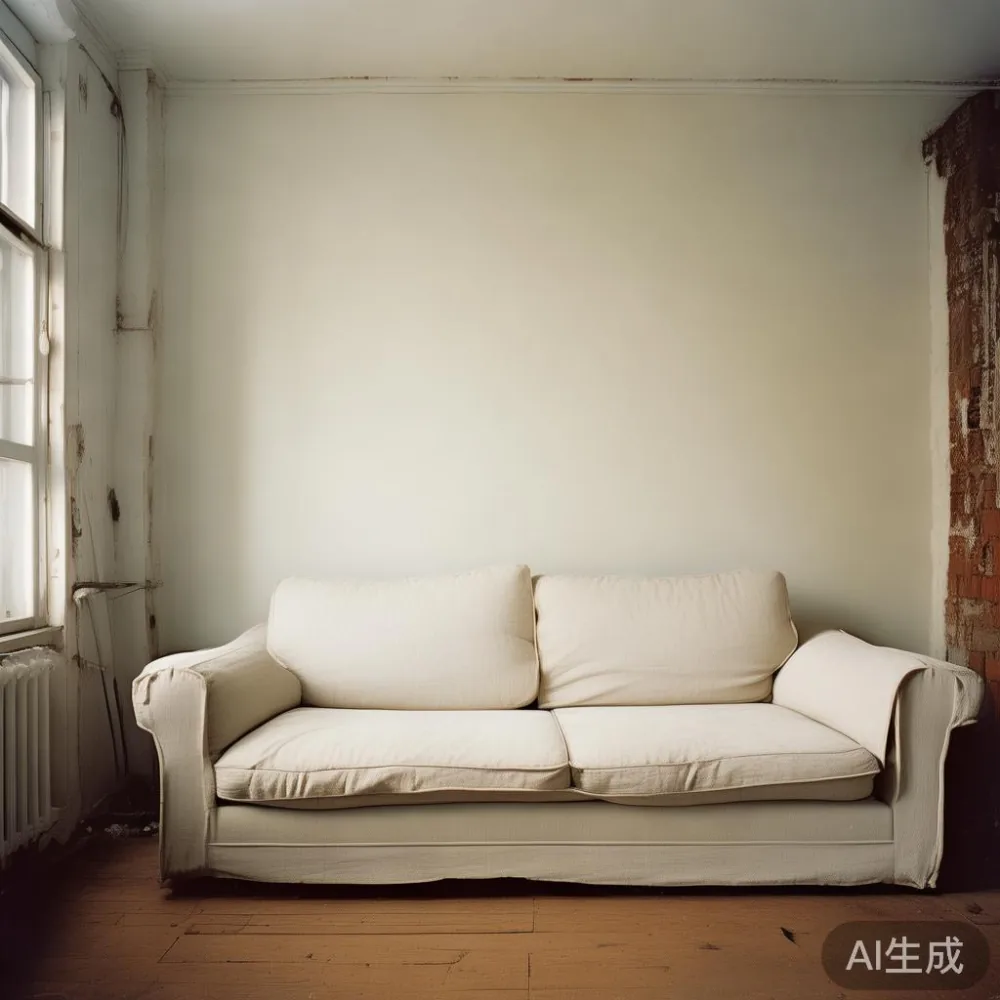
When selecting a solid wood sofa for a Singapore apartment, consider the dimensions carefully. A sofa around 180cm to 210cm long is often a good fit for a standard living room. Look for designs with low backs to maintain sightlines across the room. The choice of wood is also important. A light oak or a washed white finish will reflect more light and make the room feel brighter and more open compared to a dark walnut or mahogany. This approach directly combats the problem of a color mismatch by ensuring the sofa complements the room's lighter palette.
The Dining Dilemma: Choosing a Light Luxury Dining Table
The dining area in a small apartment is often a multi-functional space—it's where you eat, work, and entertain. Choosing the right table is critical. A large, heavy table can dominate the room, making it feel cluttered and unusable. The solution is to opt for a lighter, more delicate design. A light luxury dining table, for instance, often features a slim tabletop and minimalist base, which takes up less visual weight.
Consider extendable tables. A compact table that can expand from 120cm to 180cm offers the best of both worlds. For daily use, it takes up minimal space, and when guests arrive, it can be extended to accommodate everyone. Materials play a huge role here. A marble table top, for example, adds a touch of sophistication without the bulk of a solid wood alternative. The reflective surface of marble also helps to bounce light around the room, enhancing the sense of space. This is a far better choice than a dark, heavy table that contributes to a color mismatch and a feeling of crowding.
Bedroom Necessities: The Best Industrial Bed for 2026 and Beyond
The bedroom should be a sanctuary, not a storage unit. The bed is the centerpiece, and its choice is paramount. For a small bedroom, you need a frame that maximizes floor space. A low-profile platform bed is an excellent option, as it eliminates the bulky look of a traditional bed with a box spring and frame. The industrial style, with its use of metal and raw wood, is particularly effective. The best Industrial bed for 2026 will likely feature a slim metal frame in a matte black or brushed brass finish, paired with a simple slatted wood base. This combination is visually light, durable, and takes up very little physical space.
Storage is another critical consideration. Instead of a bulky wardrobe that eats into the room, consider a tall, narrow wardrobe that fits neatly into a corner. A wardrobe with sliding doors is also a smart choice, as it eliminates the need for clearance space in front of the unit. For a guest room, the focus should be on a minimalist for guest room approach. A simple platform bed, a slim nightstand, and perhaps a small chest of drawers are all that's needed. This keeps the room feeling uncluttered and welcoming for visitors.
Wardrobe and Storage: Integrating Furniture Without Clutter
Wardrobes are often the biggest culprits of making a bedroom feel crowded. A freestanding wardrobe can look like a large, immovable block. The best French wardrobe for 2026 might offer a solution through its design. French-inspired furniture often features elegant proportions, slender legs, and glass-panel doors. A wardrobe with mirrored doors is a classic trick for making a room feel larger, as it reflects light and creates the illusion of depth.
Built-in wardrobes are another fantastic option for Singapore apartments. They can be custom-fitted to the exact dimensions of your wall, creating a smooth, integrated look that feels like part of the architecture itself. This eliminates wasted space and provides maximum storage. For those who prefer freestanding pieces, choosing a wardrobe with a light color finish, like a soft grey or cream, will help it blend in with the walls rather than stand out. This careful selection prevents a color mismatch and ensures the storage furniture enhances, rather than detracts from, the room's design.
Finishing Touches and Material Harmony
The final step in styling a small apartment is to consider the finishing touches and ensure all materials work in harmony. This is where the risk of a color mismatch is highest. A vintage for dining room look can be charming, but it requires careful curation. If you choose a vintage-style dining table, pair it with modern, streamlined chairs to prevent the look from feeling too heavy or fussy.
Consistency in materials is key. If you have a solid wood sofa, consider incorporating other wood elements in a similar tone, such as a nightstand or a side table. This creates a cohesive look. The use of textiles is also important. Light-colored curtains, rugs, and cushions can add warmth and texture without adding visual weight. My colleague Sarah's living room transformation was complete when she swapped her dark, heavy curtains for a pair of light, linen ones and added a small, soft rug. The difference was immediate—the room felt brighter, taller, and infinitely more spacious.
The source of your furniture also matters. A brand like Foshan Lingzhan, with its focus on solid wood craftsmanship, offers pieces that are built to last. This longevity means you won't have to replace your furniture in a few years, saving you money and the hassle of another major purchase. Investing in quality, well-designed pieces from the start is the most effective way to avoid the pitfalls of a crowded, mismatched home.
Styling a small Singapore apartment is a balancing act. It requires an understanding of spatial constraints, a keen eye for proportion, and a commitment to a cohesive design. By choosing furniture that is light in scale, mindful of materials, and free from a color mismatch, you can transform even the most compact space into a home that feels open, elegant, and perfectly suited to your life.