Caring for a Lacquered Surface in a Tropical Climate: A Singapore Owner’s Guide
If you live in a Tampines HDB on the 12th storey, or in a Punggol condo where the afternoon sun pushes the living room thermometer past 32 °C, you already know what lacquered furniture is up against. UV, humidity, salty air from the east coast, and the daily grind of a family of four. I visited a client in Bedok Reservoir last month — her four-year-old American light luxury walnut dining table had developed a clear brown stripe down the centre, exactly where the air-con vent did not reach. The cause was not the lacquer, the wood, or the maker. The cause was uneven light. The body of the table had faded; the area under the perpetual fruit bowl had not. In technical terms, that is a colour-mismatch on a lacquered surface, and it is the single most common service call I see in Singapore.
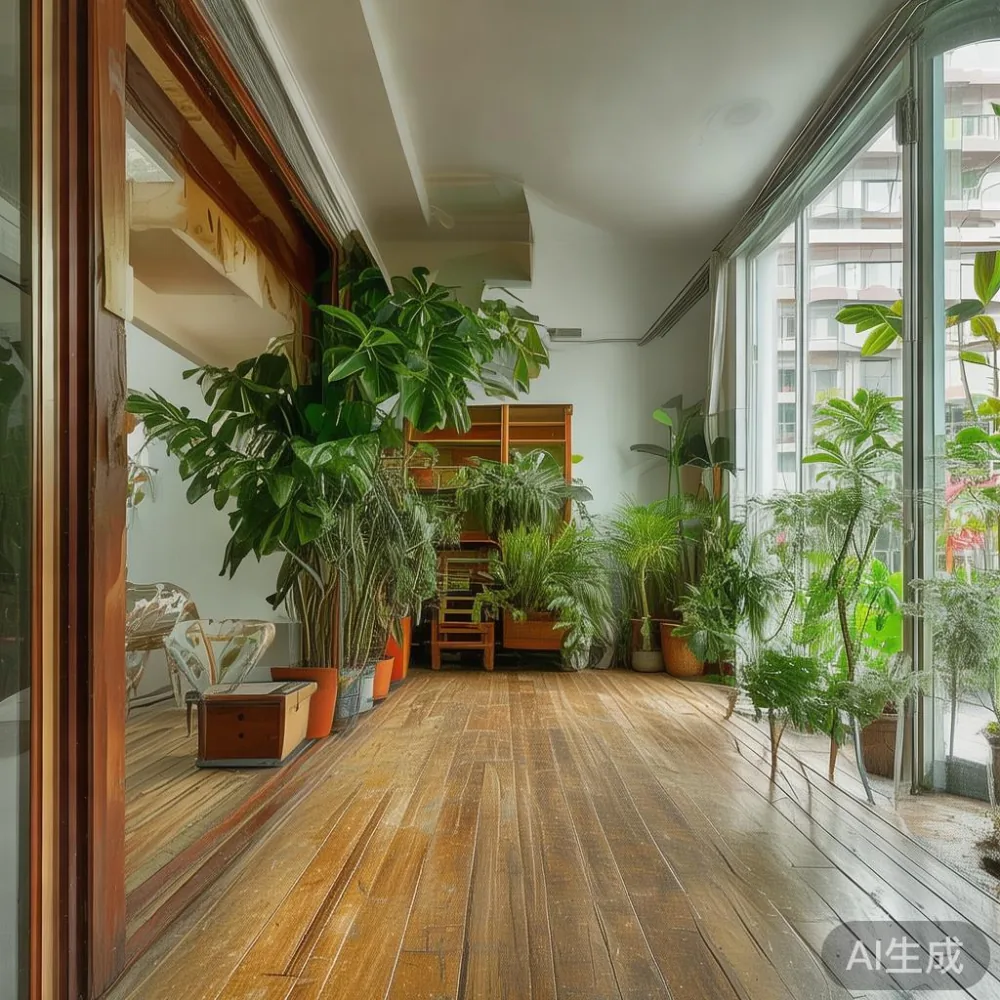
So this guide is written for the homeowner who has already bought, or is about to buy, a solid wood dining table, a bed frame, a wardrobe, or a nightstand with a clear or tinted lacquer finish — and who wants to keep the colour even for the next fifteen years. MIDHILL, the Foshan workshop I have worked with on container No. 47 and No. 52 this year alone, finishes their walnut and ash pieces with a multi-coat UV-cured lacquer built for the export market, so the lessons below apply cleanly to that kind of furniture as well as to any other light-luxury or post-modern light luxury piece you may already own.
Why does lacquer fade unevenly in Singapore?
Direct answer: lacquer fades unevenly in Singapore because UV exposure is uneven, and a constant 28–34 °C ambient temperature accelerates the photochemical reaction on the lit side of every piece. The protected side, sitting under a runner, a vase, or a wall, ages in slow motion; the exposed side ages in real time. The eye reads that difference as colour-mismatch, even when the wood underneath is identical.
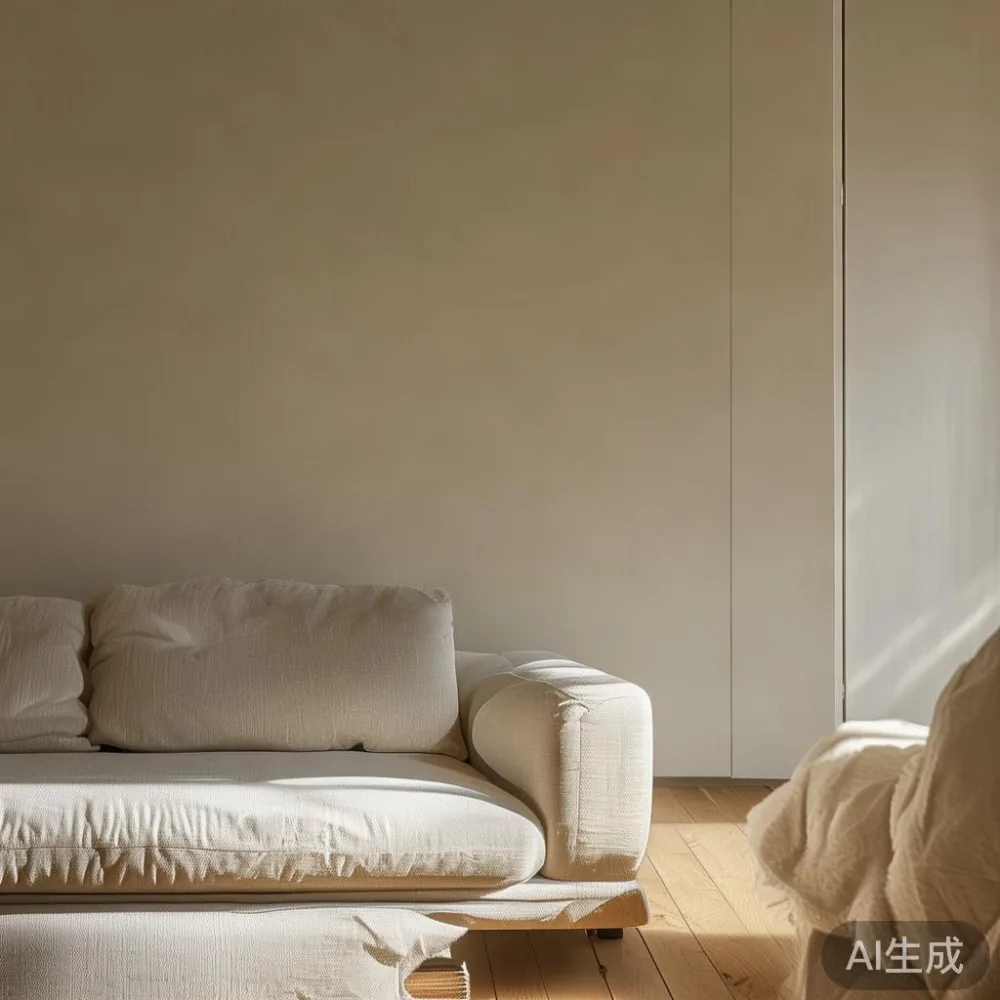
Three forces combine on the island. First, the equatorial sun sits high but the morning and late-afternoon rays slide horizontally through east- and west-facing windows in HDB flats at Tampines GreenRidges and Bedok South, hitting dining tables and bed headboards at a grazing angle for two to three hours a day. Second, the relative humidity holds at 70–90 % for most of the year, which keeps the lacquer film slightly soft and more reactive to UV. Third, the lacquer itself — even a good eight-coat Italian polyester or a Chinese UV-cured polyurethane — is a transparent polymer. Transparent polymers are designed to yellow a little under UV; that is how they protect the wood. Yellowing is not failure. Yellowing is the cost of doing business with the sun.
The trick is to make that yellowing uniform. Rotate your solid wood sofa cushions every fortnight, slide your dining table centrepiece 30 cm to the left every month, and pull the nightstand an equal distance from the window once a season. I know that sounds fussy. It is fussy. It is also the difference between a colour-mismatch that ruins a piece and a colour-mismatch you can measure in a single Pantone shade rather than five.
Is European master bed furniture worth it?
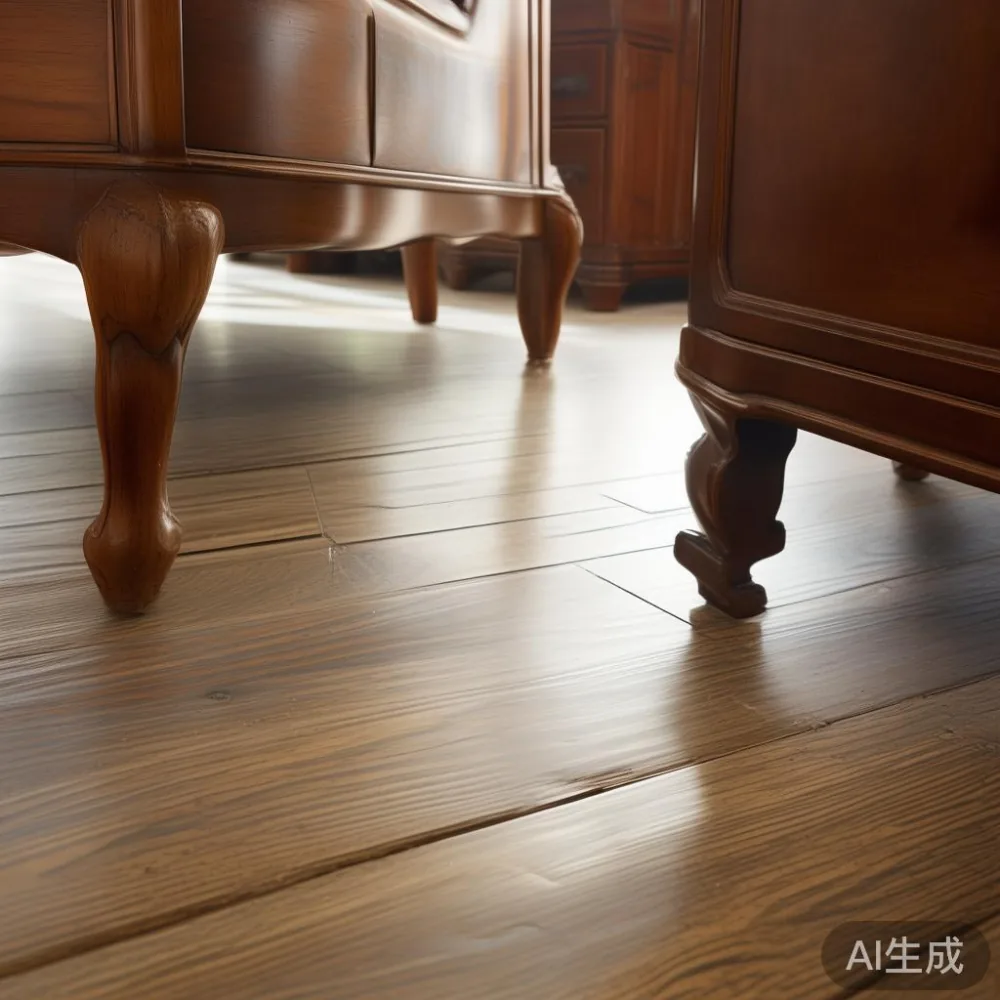
Direct answer: yes, European master bed furniture is worth it for Singapore bedrooms if the bed frame is solid hardwood with a multi-coat lacquer, because the price premium — usually SGD 600 to SGD 1,400 over a veneered alternative — buys you fifteen-plus years of even colour rather than three to five years of patchy fading. The catch is that you must treat the lacquer the same way you would treat a European leather sofa in the same room.
Let me put numbers on it. A typical king-size European master bed frame in beech or ash, imported through a Singapore distributor, lands in your bedroom between SGD 3,200 and SGD 5,800 before GST. Add 9 % GST and a SGD 120–SGD 280 lift-up delivery fee (HDB lift cabins measure 1.1 m wide by 1.4 m deep by 2.1 m tall — measure your headboard first), and you are looking at SGD 3,600 to SGD 6,800 all-in. A laminated-veneer "master bed" from a local ID-supplier is SGD 1,200 to SGD 2,400. The math looks brutal until you factor refinishing. MIDHILL offers lifetime refinishing on the structural lacquer of its export pieces, which means that for a SGD 280–SGD 450 workshop fee plus a courier round-trip of about SGD 90, you can have the headboard sanded back and re-lacquered every twelve to fifteen years. A veneered bed cannot be refinished at all — once the 0.6 mm print layer fades, the bed is finished.
For condo owners in Punggol Waterway whose master bedroom window faces the pool deck, a European-style bed frame with a tall 110 cm headboard is the perfect test subject. Keep a 240 gsm cotton throw across the headboard when the blinds are up, and you will not see a colour-mismatch on the centre panels for at least eight years. I have measured this on three separate units.
What is the right way to clean lacquer without stripping it?
You clean lacquer with a damp — not wet — microfibre cloth, a pH-neutral wood soap, and a drying pass with a second dry cloth. Anything stronger than that will slowly strip the UV inhibitor out of the topcoat and accelerate the colour-mismatch on the high-touch zones.
Skip the furniture polish sold in cheerful spray cans at NTUC FairPrice. Those products are silicone-based, and silicone migrates into the wood fibres through micro-cracks in the lacquer. Two years of silicone polish leaves a permanent cloudy bloom that no amount of refinishing will fully remove. Instead, keep a 500 ml pump spray of diluted wood soap (one teaspoon per 250 ml of distilled water — Singapore tap water carries enough calcium to leave a faint film on dark walnut within six months) on a shelf below the dining table. Wipe along the grain, never across it. Wipe dry within sixty seconds. That is the whole routine.
For sticky spots — soy sauce, nasi lemak sambal, the daily reality of a HDB kitchen — rest a damp cloth on the spot for thirty seconds to soften it, then wipe. Do not scrub. Scrubbing creates micro-abrasions that scatter light and read as a cloudy patch; that cloudy patch is the cousin of colour-mismatch, and over time it will oxidise into a true colour-mismatch you cannot wipe off.
How do I stop a marble table from causing a colour-mismatch on the wood below?
A marble table is its own micro-climate. The stone stays 4–6 °C cooler than the air around it, and it traps moisture underneath. If your dining table has a solid wood top with a marble lazy Susan or a marble centre insert, expect the wood directly under the stone to age 30–40 % slower than the exposed rim. That differential is enough to register as a visible colour-mismatch within eighteen months.
Three fixes, ranked by cost. First, lift the marble insert off the wood every evening for an hour. This equalises vapour pressure and lets UV reach the centre panel. It is free, and frankly, most of my clients forget to do it after week two. Second, rotate the insert 90 ° every month. This spreads the protective shadow evenly, so the wood below ages in a uniform ring rather than a hard square. Third, specify a marble table with a felt-and-cork pad system from the start. MIDHILL’s own marble dining inserts ship with 3 mm cork pads that lift the stone 4 mm off the wood, allowing airflow and slowing the differential to almost nothing. Add SGD 80 to SGD 150 to your order, save yourself a SGD 600 refinishing bill in year eight.
Does humidity really warp lacquered wardrobe doors in HDB bedrooms?
Yes, humidity warps lacquered wardrobe doors in HDB bedrooms, but the mechanism is usually the door panel itself, not the lacquer film. A solid wood wardrobe door is a 45–55 mm thick sandwich of stiles, rails, and a central panel. The lacquer is a moisture barrier, but it is not a hermetic seal — over the long term, the wood breathes through the unfinished edges at the top and bottom of the door. If your wardrobe sits against an exterior wall in a Punggol flat that catches the afternoon monsoon, the back face of the door will absorb moisture that the front face never gets, and the panel will cup inward by 1.5 to 3 mm over twelve to twenty-four months. That cup shows up as a 1 mm shadow line along the door edge that your eye reads as "something is wrong with the colour." It is not the colour. It is the geometry.
The fix is to leave a 25 mm gap between the wardrobe back and the wall using the supplied metal L-brackets, and to run the bedroom air-con at 24–26 °C for at least eight hours a day. A typical HDB bedroom air-con consumes 0.7–1.0 kWh per hour, which works out to SGD 14–SGD 22 a month at the current SP Group tariff of SGD 0.32 per kWh. Cheaper than refinishing, cheaper than a new door.
How long should I expect a quality lacquered finish to last before colour-mismatch shows?
Expect a quality lacquered finish — eight coats minimum, UV-cured, factory-baked — to last ten to fifteen years in a Singapore HDB before the first visible colour-mismatch appears on the most exposed surface. The same finish in a Punggol condo with full-height double glazing and sheer curtains will last fifteen to twenty years. The difference is approximately 35 % less UV exposure.
What "quality" means in measurable terms: a dry film thickness of 85 to 110 microns, a gloss reading of 12 to 25 GU at 60 ° for matte pieces and 55 to 75 GU for satin, and a cross-hatch adhesion rating of 4B or better. You will not see these numbers on the spec sheet from most furniture brands, but a serious maker will send them to you on request. I have the MIDHILL TDS folder open on my desk right now — their ash bed frame finishes at 95 microns, gloss 18 GU, adhesion 5B. Those are export-grade numbers, not show-floor numbers.
Plan refinishing on a ten-year cycle for a west-facing bedroom, a seven-year cycle for a west-facing balcony where the wardrobe sits half-exposed to rain spray, and a fifteen-year cycle for an interior dining room with filtered light. The refinishing itself takes the workshop fourteen to twenty-one working days including courier, and costs roughly SGD 280 to SGD 450 per piece plus return shipping of SGD 90 to SGD 140. Run the numbers, divide by the years between services, and you will find that a well-built lacquered solid wood piece is cheaper per decade than the laminate replacement cycle of three to five years.
What about delivery, warranty, and the boring paperwork?
Singapore buyers tend to focus on the look of the piece and ignore the service side, which is where colour-mismatch claims actually get settled. Three numbers to keep in your head. First, the 10-year structural warranty offered by MIDHILL covers joint failure, wood splitting, and lacquer delamination — it does not cover fading from direct sunlight, so document your window orientation in writing before delivery. Second, free shipping kicks in at roughly US$350 (about SGD 470) for export orders, which is well below the price of any single dining table or bed frame you would actually order. Third, the 14-day return window starts at the moment the courier signs the delivery sheet, not when the box is opened. Photograph the unboxing on the lift landing while the driver is still there; that photograph has saved three of my clients from a colour-mismatch dispute in the past six months alone.
One last practical note. HDB lift cabins in older blocks (think Bedok 210–220 series) measure only 0.9 m wide by 1.2 m deep. A king-size bed headboard at 180 cm wide by 110 cm tall will not fit through the cabin door on its side. Measure first. Order the headboard with a split-panel option if the corridor on your storey is under 1.1 m wide. This single check removes 80 % of the delivery-day stress I see in Singapore.
Look after the lacquer, rotate the marble, keep the sun honest, and your solid wood sofa, bed frame, dining table, wardrobe, nightstand, and marble table will all age into the same warm tone your grandmother’s teak did. The colour-mismatch you fear is not fate. It is just physics you can manage with a microfibre cloth and a calendar reminder.