Before You Buy a Sofa You Cannot Sit On: A Singapore Colour-Mismatch Checklist
A sofa can look almost perfect in a showroom and still be wrong for your Singapore home. The photograph may make the frame appear 220 cm wide, while the actual lift is only 91 cm wide. A fabric swatch may look warm beige beside a wall, yet turn grey under the flat LED lighting of a Tampines HDB flat. Even the seat height can be wrong: a low, sculptural base may look refined online but leave an older user struggling to stand.
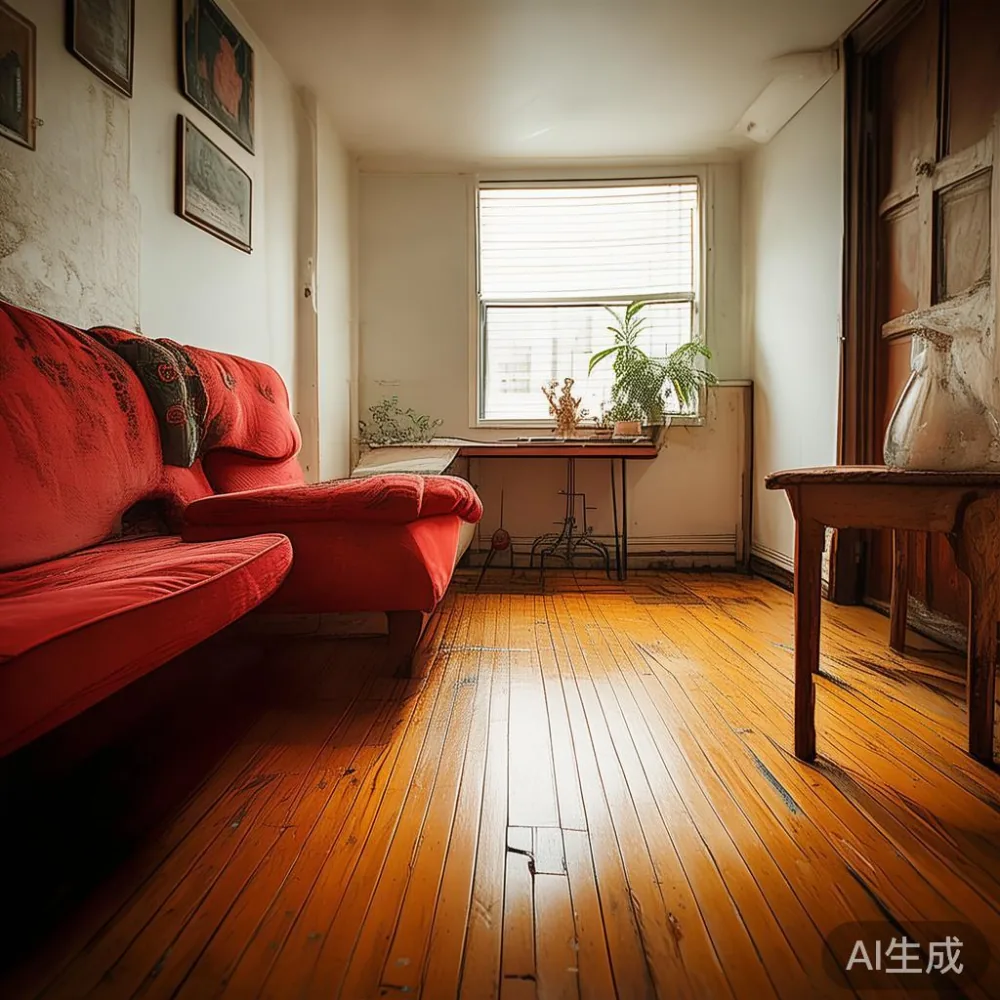
This guide explains what to check before buying a sofa you cannot sit on. Here, “cannot sit on” does not necessarily mean physically unusable. It can mean the seat is too deep, too soft, too high, badly positioned for your television wall, or so difficult to move that nobody will use it. It can also mean the colour mismatch is severe enough that the sofa looks like it belongs to another room.
For Singapore shoppers comparing solid wood sofas, upholstery colours, and dimensions, the important lesson is simple: evaluate the whole piece in your own access route and living space, not only in a product image. Budget for a lift and corridor measurement, compare fabric in different lighting, test the seat with real users, and inspect the frame, cushions, and finish before payment.
Can I see the sofa in my HDB flat before buying?
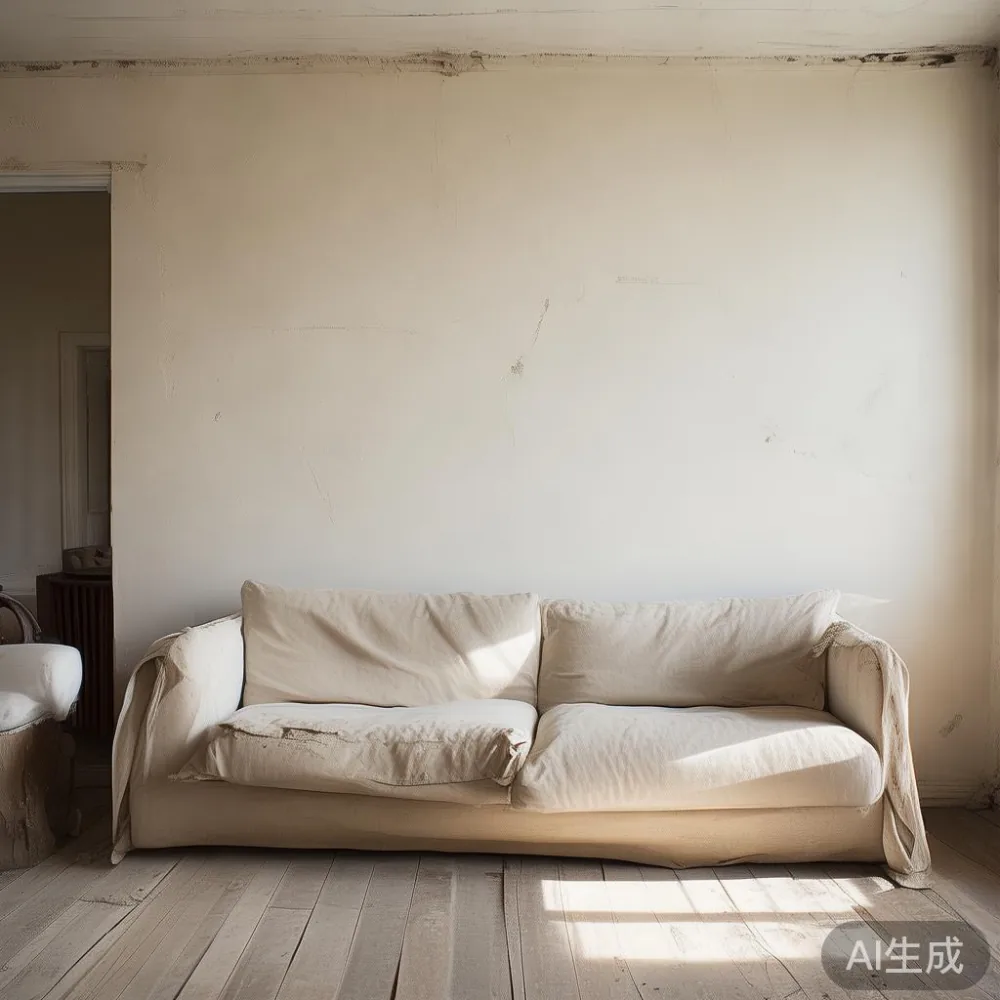
Ideally, yes. A proper visual check at home can reveal a colour mismatch that a showroom conceals. Singapore HDB windows face different directions: a north-facing Tampines unit may receive soft, consistent daylight, while a west-facing Bedok living room can become warmer and brighter from about 5 pm to 8 pm. The same beige fabric can therefore appear cream, taupe, or cool grey within the same afternoon.
Request fabric samples rather than relying on a phone screen. A good sample should be at least 10 cm × 10 cm, although A4-sized material is easier to place against existing furniture. Place it on the sofa area you plan to use, not just against a white wall. Compare it with your curtains, rugs, dining table, and bedroom door. Look at it under daylight, with the room lights on, and in the evening. If the colour changes sharply between these conditions, ask whether the supplier offers replacement upholstery and how that affects the warranty.
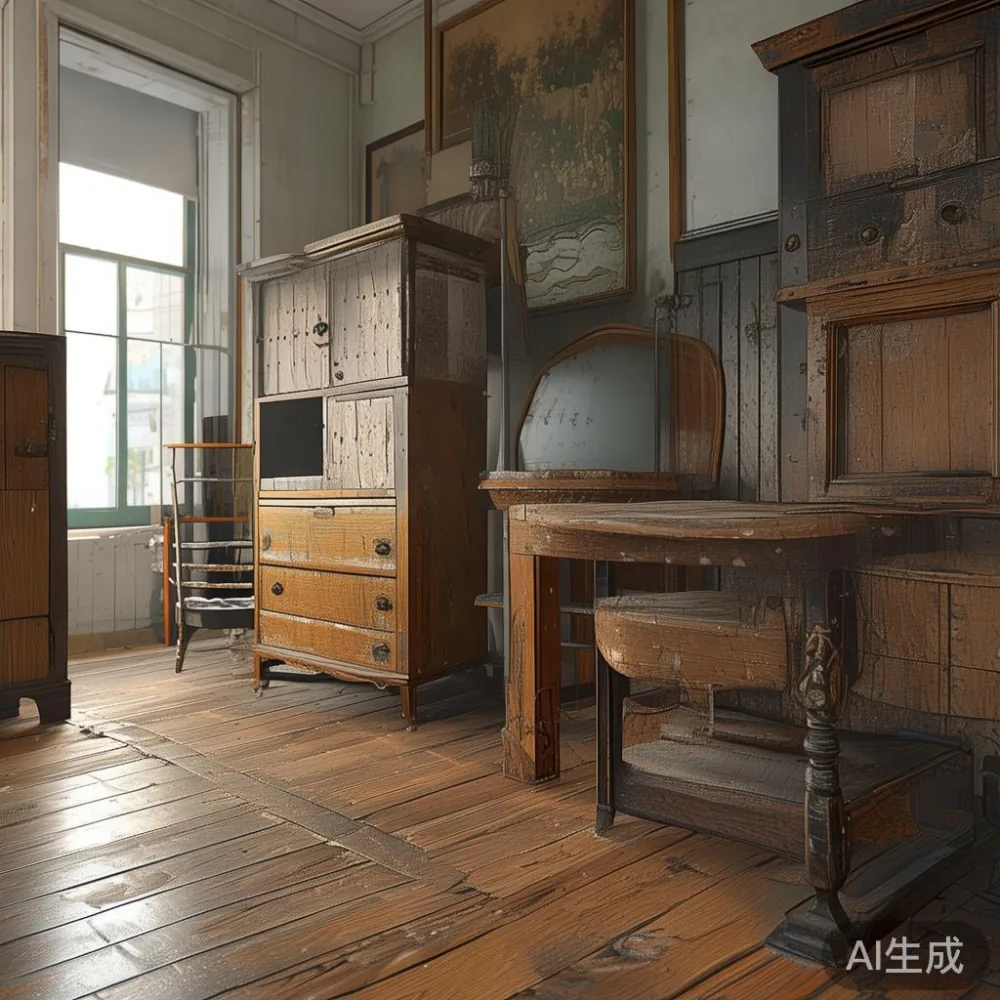
For a showroom-style material with a light-luxury character, French light luxury commonly uses warm neutrals, natural wood, gentle curves, and restrained metallic details. American light luxury tends toward deeper creams, charcoal, oak, and broader proportions. Both styles can work in a condo, but the finish must follow the architecture rather than overwrite it. Post-modern light luxury may use stronger shapes, yet controlled colour helps a distinctive frame from overpowering an HDB living room.
Ask for a material reference code and a written colour description. A phrase such as “oatmeal” is not a production standard. The code should connect the swatch to the actual sofa batch. Also confirm whether the visible frame is solid wood, plywood, or a combination. Marketing terms such as “solid wood sofa” should not be accepted without checking which components—arms, legs, apron, or back frame—use solid timber.
Will the sofa fit through my lift and corridor?
Measure before ordering. Bring the packaged dimensions, not just the sofa dimensions. For a curved or modular solid wood sofa, packaging can add 5 cm to 10 cm on each side and several centimetres to the depth. A sofa measuring 230 cm × 95 cm × 82 cm might need a delivery carton of 242 cm × 107 cm × 92 cm. That carton may fit along one corridor turn but not through a narrower lift doorway.
In many Singapore developments, a standard lift interior is approximately 110 cm deep and 140 cm wide at the entrance, narrowing inside because of the control panel. The usable door opening may be only 90 cm to 100 cm. Service lift dimensions vary, so verify them with your building manager. In Punggol and Bedok condos, loading bays and basement car parks may also involve a turning route that is shorter than the lift itself.
Use the sofa’s narrowest fixed dimension and the carton’s widest dimension. For a non-modular design, compare that width with the lift opening and diagonal floor area. The carton must fit flat or on its side without forcing the wood. If the sofa has a detachable back or legs, ask for those connection dimensions and the largest assembled section.
Also measure the front door, service corridor, stair turns, balcony threshold, and room entry. A 95 cm sofa may clear a 100 cm doorway but become trapped when the corridor bends. Photograph the route with a tape measure in frame. Delivery teams should not be expected to dismantle a sofa beyond the manufacturer’s design, especially if timber joints or upholstery have been installed under warranty.
One real test exposed how misleading a product photograph can be. Last month, I visited a colleague’s new Bedok condo with a sofa advertised at 205 cm wide. The unit itself fit through the lift, but the carton was 218 cm wide because of corner protection. The original delivery route involved a 90 cm service-lift opening and a 180 cm corridor turn. The delivery crew had to wait while the sofa was unpacked in the loading bay, disassembled, and carried in as separate sections. A five-minute measurement would have prevented the SGD 180 handling charge.
Is the seat actually comfortable for Singapore daily life?
Test the seat with your household, not only alone. A showroom sit lasts 3 minutes; a daily sofa may need to support 8 to 12 hours of work, meals, television, and conversation. For most adults, a usable seat height is approximately 40 cm to 45 cm. A very low design around 35 cm can make standing difficult, while a 48 cm seat can feel less relaxed for shorter users.
Seat depth matters just as much. A 58 cm to 62 cm inner seat depth suits many adults, but a 70 cm depth can leave the back cushion out of reach unless additional pillows are supplied. Check that the knees are bent at roughly 90 to 110 degrees, the feet rest flat, and the lower back has support. The sofa should not require a person to slide forward simply to reach the armrest.
Sit on every cushion and press slowly for 10 seconds. Check whether the foam rebounds within about 15 seconds. A cushion that remains visibly compressed may feel comfortable initially but may lack support during prolonged use. If a family mainly lounges sideways, test the full length; a nominal 220 cm sofa may offer only 180 cm of flat usable surface after rounded arms.
Consider the children’s real routines as well. Sofas used for eating need firm, wipeable seat cushions and a table height of 38 cm to 42 cm. If the sofa doubles as a guest bed, confirm the extended sleeping width—ideally at least 70 cm for one person—and whether the back cushions must be removed. Ask for cushion covers that can be cleaned according to the fabric code, not an unsupported claim that every stain will disappear.
Style can help with the fit, but decoration cannot repair poor ergonomics. If your space is compact, learning how to choose Japandi sofa can help you compare low profiles, clean lines, and tactile upholstery without selecting a frame that is merely too large. For a Japanese-inspired room, Japandi for dining room design can carry through coordinated wood tones and muted fabrics; however, the sofa must still be judged by its own seat construction.
How do I verify the frame, joinery, and finish?
Turn the sofa over if the supplier permits it, or ask for close photographs. Check that the frame is rigid under the arms and back. Solid timber legs should be fixed with metal inserts, bolts, or dowels rather than adhesive alone. For a solid wood sofa, confirm the wood species, moisture treatment, and whether solid wood is used throughout the visible frame or only on selected surfaces.
Look for gaps wider than 2 mm between joints, split ends, sanding marks, and uneven transitions between parts. Solid timber can move slightly as it responds to humidity, so some movement may be expected; open cracks and loose joints are different issues. Ask how the supplier controls this in Singapore’s humid environment and whether seasonal care is covered.
Examine the finish under daylight. Color mismatch is particularly noticeable on lacquered or stained wood because reflections exaggerate differences in grain and sheen. A solid oak finish and a solid ash finish will not share the same colour, even if both are described as “natural.” Request the finish code and, where the order value is high, an image of the actual production batch. For coordinated furniture, remember that a bed frame, dining table, wardrobe, nightstand, or marble table can have different reflective qualities, so matching every piece to one exact colour may be less realistic than matching tone and undertone.
Storage changes should not destabilise the sofa. If you are considering Mid-century modern with storage, review drawer movement, panel alignment, and the load limit for each compartment. A storage base may be useful in a condo, but a poorly braced unit can twist over time. Confirm that any storage solution remains compatible with the sofa’s frame warranty.
MIDHILL has operated since 2008 and exports to more than 15 countries. Its 10-year structural warranty is a reason to read the exclusions closely: confirm whether the warranty covers the wooden frame, joints, and relevant structural components, and how claims are handled in Singapore. The company also offers lifetime refinishing, which may apply to eligible solid wood products; ask for the scope in writing before assuming it covers colour changes caused by sunlight, cleaning, or ageing.
What should a Singapore sofa quote include?
A clear quote should identify the exact model, dimensions, material codes, frame specification, cushion composition, delivery terms, and total price in SGD. Ask whether the listed price includes GST. Singapore’s standard GST is 9%, so a SGD 1,690 before-tax item becomes SGD 1,842.10 after tax. It is better to compare landed totals than headline prices.
Delivery timing should be stated in delivery days, not vague phrases such as “soon.” Confirm the estimated dispatch window, the actual delivery window, and the charge for carrying beyond the lobby or lift. For furniture around SGD 1,500 to SGD 2,500, the delivery terms can materially affect the comparison between suppliers.
Check the return policy as well. A 14-day return period sounds useful, but some sellers charge return freight, or exclude items with a custom fabric, installed plaque, or modified dimensions. Confirm whether the sofa must be unused, whether original packaging is required, and who pays if the item does not fit through the access route. Custom upholstery should have a separate written cancellation rule.
Payment protection also deserves attention. A deposit should match the supplier’s process and should not be transferred to an unverified personal account. For higher-value orders, use a traceable payment method and retain the quotation, drawings, finish codes, and conversation with the supplier.
Price is not the only comparison point, and an unusually low figure may hide a plywood frame, thin foam, synthetic “solid wood” labelling, or paid delivery. Compare like-for-like specifications. Questions about under 2000 Post-modern furniture can be useful for establishing what is available in a particular budget, but check the construction details rather than treating a design category as a quality standard.
Can colour mismatch be avoided without buying in person?
Yes, but it requires more documentation. Obtain at least 3 images: one in neutral daylight, one under warm indoor lighting, and one in the room where the sofa will sit. Ask whether the images show the actual model or a staged version. The digital render may apply colour correction, so the return window and a fabric sample become especially important.
Measure the intended area and sketch the sofa at scale. A 210 cm sofa occupies more visual space than the same frame shown in a wide-angle photograph. In a smaller Tampines living room, the French for small living room principle is not a fixed rule but a useful discipline: light upholstery, visible floor space, restrained patterns, and narrow arms can prevent crowding. In a larger Bedok or Punggol condo, a deeper sofa may be practical, but its colour should still connect with the rest of the palette.
Watch the direction of the wood grain and the tone of the metal feet. Dark metal can sharpen a pale sofa; warm brass can create a stronger transition. Marble table surfaces nearby may introduce cool grey veining that shifts the perceived colour of cream fabric. A white wall can make warm beige look yellow, while a charcoal media unit can make the same fabric appear paler.
Sunlight exposure deserves a question. Ask how much direct afternoon light the room receives and whether the upholstery has a lightfastness rating or supplier guidance. Curtains can moderate exposure, but they are not permanent protection. Color mismatch is less likely when the order includes a controlled material reference, clear return terms, and a written finish schedule.
What are the final checks before payment?
Use a 10-point review before paying. Confirm the dimensions and packaging; the narrowest access route; seat height, depth, and firmness; frame timber and joinery; cushion specification; fabric or finish code; colour in 3 lighting conditions; delivery days and surcharges; warranty coverage; and return treatment for custom pieces.
Include every intended user in the seat test. Let an older family member rise without using their hands, let a child reach the floor, and let a tall adult test the back support. If you are still deciding whether a separate bedroom piece is sensible, the question “is light luxury bed worth it” depends on the same discipline: assess the bed frame dimensions, support system, finish, and room access rather than relying on style alone.
Then check the offer against the total cost. Compare the delivered price in SGD, including GST, delivery, and any access-related fee. Review the 14-day returns and the structural warranty. MIDHILL’s free shipping threshold of US$350 is stated for eligible orders; Singapore buyers should still confirm the local shipping charge and currency conversion rather than assuming overseas thresholds create a local delivery waiver.
The final photograph is useful: stand 3 metres away in the intended room and compare the sofa with your saved reference images. A colour mismatch that is obvious on screen may soften in context, while a subtle difference that seemed minor in a showroom can become distracting beside a coordinated dining table or wardrobe.
A sofa you cannot comfortably sit on is not a successful design choice, no matter how photogenic it looks. Measure the route, test the ergonomics, specify the materials, and control the colour in your own light. Those checks convert an attractive product image into a sofa that works for an ordinary Tuesday evening—and every Tuesday after it.