How to Avoid Color Mismatch When Buying Furniture in Singapore
A Singapore buyer's guide to preventing furniture color clashes. Learn about lighting, materials, and space planning for HDBs and condos.
- Why Does My New Sofa Look Different From the Chair I Bought Last Month?
- How Can I Test Furniture Colors Before Buying in Singapore?
- Does Material Choice Affect How Colors Appear in Singapore's Humidity?
- What's the Real Cost of a Color Mismatch in Singapore?
- How Can I Create a Cohesive Look With Different Furniture Pieces?
- What Should I Consider When Mixing Furniture Styles and Colors?
Why Does My New Sofa Look Different From the Chair I Bought Last Month?
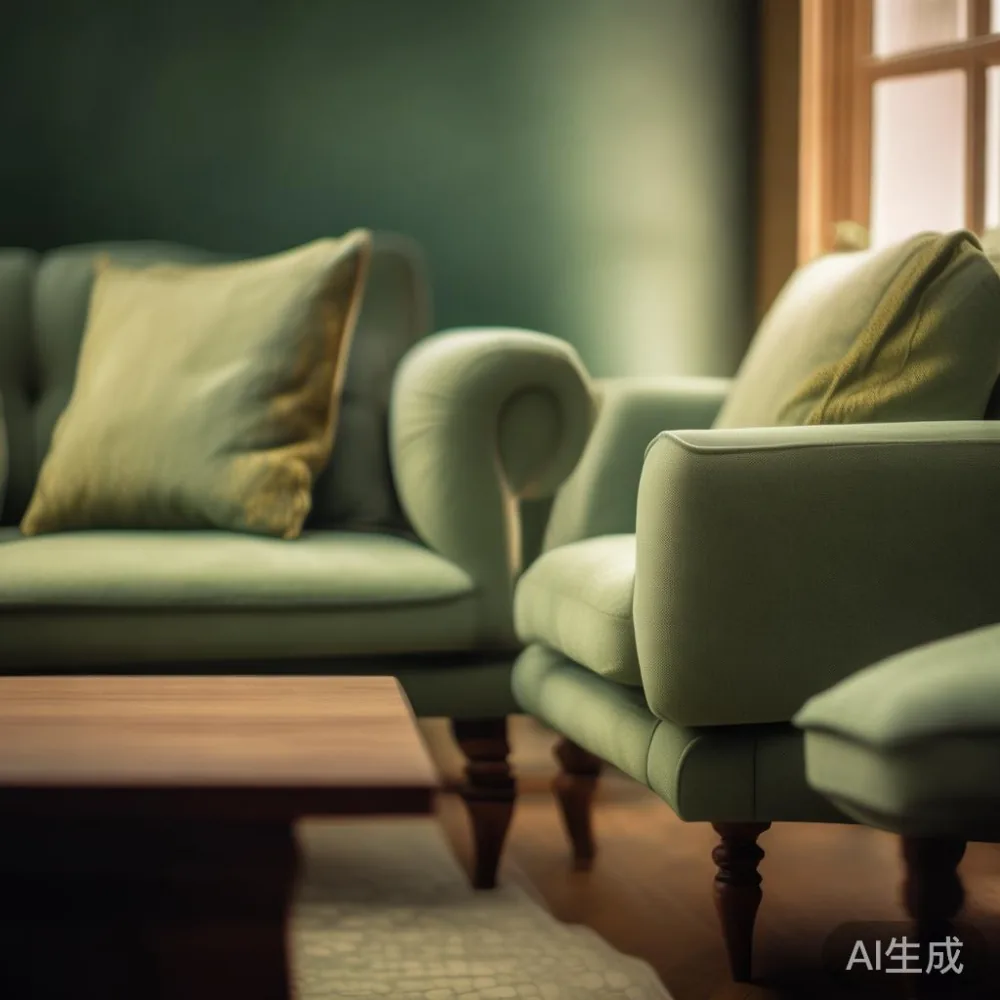
The Science of Color Perception
Lighting Makes or Breaks the Match
The Problem with Online Swatches
Ever brought home a beautiful leather sofa only to find it looks completely different from the armchair you bought six months ago? You're not alone. Color mismatch is one of the most common frustrations for Singapore furniture buyers. The issue rarely comes from the manufacturer being careless. Instead, it's a complex mix of lighting, material science, and human perception that can turn your dream living room into a color puzzle. When you're investing in quality pieces like a solid wood furniture set or a premium leather sofa, getting the color right matters for a cohesive look.
The core of the problem lies in how we see color. What you perceive as 'warm grey' in a showroom might read as 'cool taupe' under the harsh fluorescent lights of your HDB corridor. This is because color isn't an inherent property of an object; it's how light reflects off its surface and hits our eyes. Singapore's unique environment, with its mix of natural sunlight and artificial lighting, creates a perfect storm for color mishaps. A sofa that looks stunning under showroom spotlights can appear drab and washed out under the warm LED bulbs common in Singaporean homes.
Online shopping compounds this issue. Digital images are captured under specific lighting conditions and then edited for web display. A photo of a small space furniture piece might look vibrant on your phone screen but appear muted in your actual room. The difference between a 'sage green' and an 'olive green' can be lost in translation between your device and reality. This is why many Singaporeans who buy furniture online find themselves playing a guessing game with color, hoping the piece will match their existing decor.
How Can I Test Furniture Colors Before Buying in Singapore?
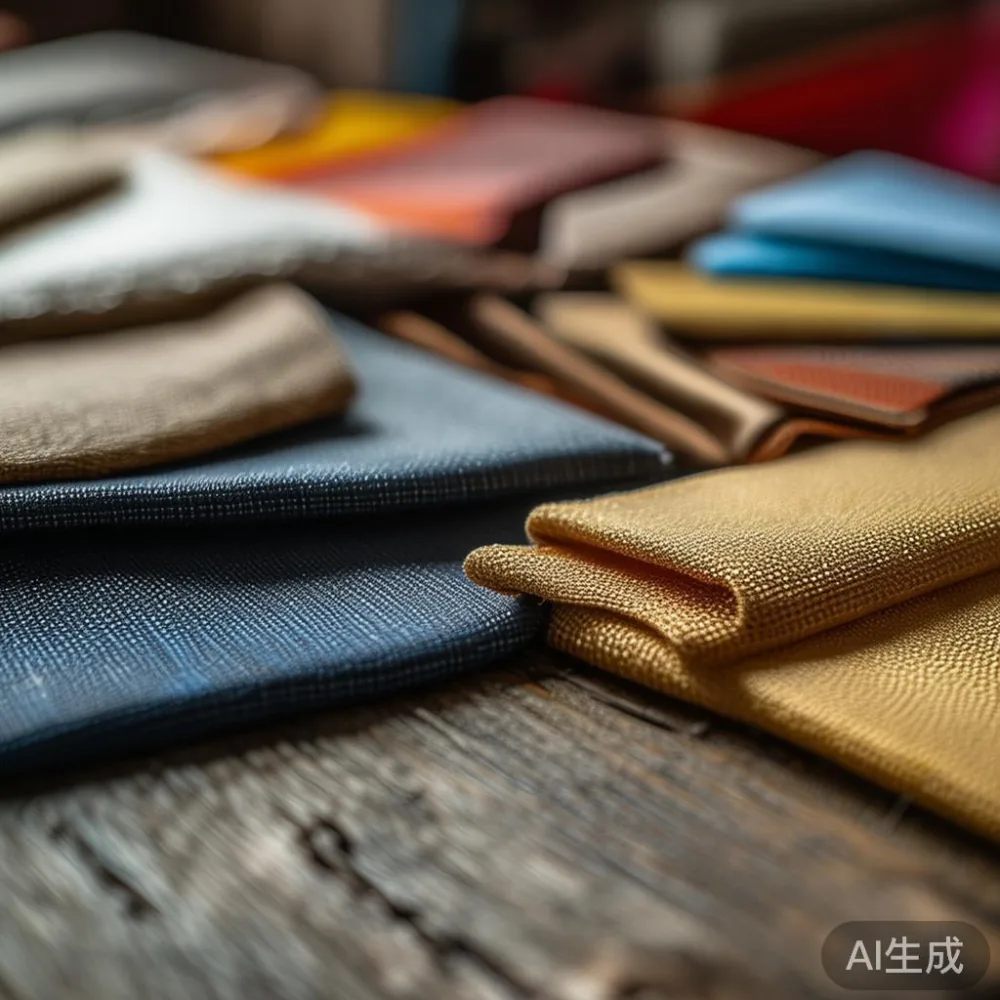
The Fabric Swatch Method
Showroom Lighting Simulation
The 'Same Room' Test
The best way to avoid color mismatch is to test colors in your own space before making a purchase. For fabric or leather furniture, always ask for physical swatches. Don't rely on the small samples provided in catalogs; request larger swatches that better represent the actual material. Take these swatches home and place them in the exact spot where your new furniture will live. Observe them at different times of day—morning sunlight, afternoon glare, and evening artificial light—to see how the color shifts. This simple step can save you from the disappointment of bringing home a leather sofa that clashes with your walls.
When visiting showrooms in Singapore's furniture districts like Jalan Besar or Woodlands, pay close attention to the lighting. Many high-end showrooms use professional lighting that enhances color vibrancy. If possible, ask the sales associate if you can see the piece under different lighting conditions or even take it outside for a moment to see how it looks in natural light. Some stores, including established makers like MIDHILL, a Foshan solid-wood furniture maker with a 10-year structural warranty, understand this issue and may offer more flexible viewing options for their durable furniture pieces.
Another effective strategy is the 'same room' test. If you're buying multiple items, try to see them all together in the showroom. Ask if they have a display that combines similar pieces. This gives you a better sense of how colors interact with each other. For those buying small space furniture for HDB apartments, this is particularly important, as the proximity of pieces makes color harmony more noticeable. Remember that color is relational—what looks good next to one color might look bad next to another.
Does Material Choice Affect How Colors Appear in Singapore's Humidity?
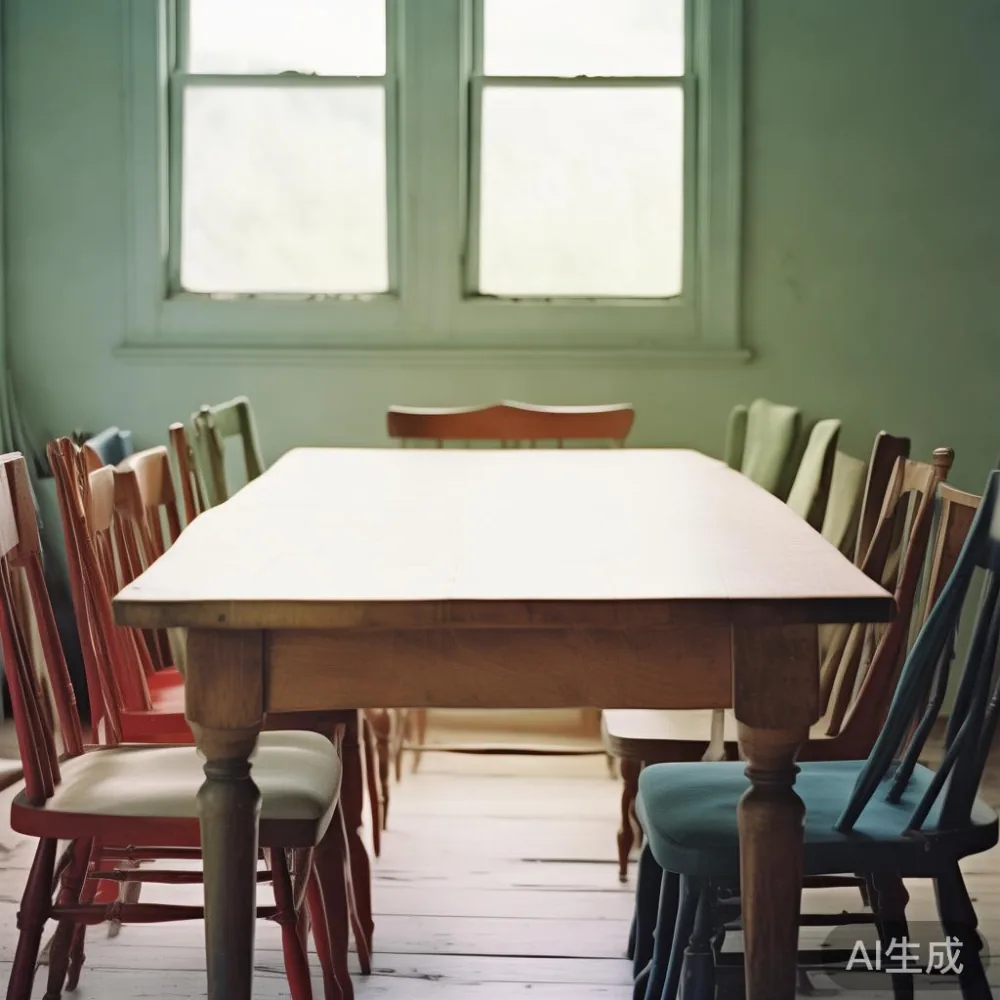
Wood and Color Stability
Leather and Humidity
Fabric Considerations
Singapore's high humidity doesn't just affect wood furniture—it can also influence how colors appear and change over time. Solid wood furniture, while prized for its durability, can undergo subtle color shifts as it absorbs and releases moisture. A dark wood dining table might lighten slightly in our humid climate, which could affect how it coordinates with other colored elements in your space. This is why reputable manufacturers like MIDHILL carefully select and treat their wood to minimize such changes, ensuring their solid wood furniture maintains its intended color profile despite Singapore's climate.
Leather is another material where humidity plays a role. A leather sofa might appear darker and richer in drier conditions but slightly lighter and more matte in humid weather. This natural variation can cause a mismatch if you're trying to match it with non-leather elements that don't change with humidity. Full-grain leather, while more expensive, tends to be more stable in color than corrected grain or bonded leather. For Singapore homes where humidity fluctuates between air-conditioned interiors and natural conditions, choosing high-quality leather can help maintain color consistency.
Fabric furniture presents its own challenges. Natural fabrics like cotton and linen can absorb moisture and appear slightly different in color when humid. Synthetic fabrics are generally more stable but might have their own issues with fading under Singapore's intense sunlight. If you're buying a fabric sofa or chair, consider how it will look both in your showroom and in your actual home environment. For those in HDBs with limited natural light, the color might appear different than in a condo with large windows. Always ask about the fabric's colorfastness and how it performs in humid conditions.
What's the Real Cost of a Color Mismatch in Singapore?
Direct Replacement Costs
Modification Expenses
Time and Hassle Factors
The cost of a color mismatch goes far beyond the initial purchase price. In Singapore, where quality furniture represents a significant investment, replacing a mismatched piece can be financially painful. A leather sofa might cost anywhere from $2,000 to $8,000 SGD, and a solid wood dining set could easily exceed $5,000. When you factor in the cost of delivery, assembly, and potential disposal of the old piece, the financial impact of a mistake can be substantial. This is why taking the time to ensure color harmony before purchase is not just aesthetic—it's financially prudent.
Modification is another option, but it comes with its own costs and limitations. Reupholstering a leather sofa to match other pieces can cost 40-60% of the original price, and results can be unpredictable. For solid wood furniture, staining or painting to match is possible but may void warranties and affect the piece's value. The table below compares the costs of different scenarios for a typical Singapore living room setup:
| Scenario | Cost (SGD) | Timeframe | Quality Impact |
|---|---|---|---|
| Replacing mismatched sofa | $2,000 - $8,000 | 2-8 weeks | High |
| Reupholstering existing sofa | $800 - $2,500 | 4-6 weeks | Medium |
| Adding accent pieces to bridge colors | $300 - $1,200 | 1-2 weeks | Low |
| Living with the mismatch | $0 | Ongoing | High (visual) |
Beyond direct costs, there's the significant time and hassle factor. Coordinating returns, waiting for replacements, and rearranging your living space multiple times can be incredibly stressful. In Singapore's fast-paced lifestyle, this time is a valuable commodity. For those who work long hours, the inconvenience of having furniture delivery and assembly happening during precious weekend time adds another layer of cost to a color mismatch.
How Can I Create a Cohesive Look With Different Furniture Pieces?
Using Neutral as a Foundation
The Power of Texture Over Color
Creating Color Stories
Not all your furniture needs to match exactly—creating a cohesive look is more about harmony than uniformity. One effective strategy is to use neutral colors as a foundation. A beige or grey sofa can serve as a backdrop that allows more colorful accent chairs or a bold coffee table to stand out. This approach is particularly useful for Singaporeans who mix and match pieces over time. When your base is neutral, you have more flexibility to add colorful small space furniture or accessories without creating a jarring effect.
Texture can be just as important as color in creating visual harmony. A leather sofa might not match a fabric armchair in color, but if they share similar textures or sheens, they can still work together. Consider mixing matte and finishes, or combining smooth leather with nubby fabrics. This textural approach adds depth to your space while accommodating different materials. For those who love the warmth of solid wood furniture but also want the comfort of a leather sofa, finding pieces with complementary wood tones and leather shades can create a sophisticated, harmonious look.
Another approach is to create 'color stories' throughout your space. Instead of trying to match everything exactly, pick 2-3 colors and use them in different proportions in each room. For example, your living room might have a blue sofa with yellow accents, while your bedroom features yellow walls with blue bedding. This creates flow between spaces while allowing for individual expression. This method works particularly well in Singapore's open-concept HDB and condo layouts, where spaces flow into one another. The key is to maintain consistent saturation levels—either all bright and vibrant or all muted and subdued—to keep the story coherent.
What Should I Consider When Mixing Furniture Styles and Colors?
Balancing Modern and Traditional
The Role of Accent Colors
Creating Visual Flow
Many Singaporean homes feature a mix of furniture styles—from traditional Chinese cabinets to modern Scandinavian-inspired pieces. The key to making these different styles work together is color coordination. Even if your furniture pieces come from different eras or cultures, using a consistent color palette can tie them together. For example, a dark wood traditional cabinet can complement a modern leather sofa if both share similar undertones in their wood or leather finishes.
Accent colors play a important role in bridging different furniture styles. A brightly colored throw pillow, rug, or piece of art can create a visual bridge between disparate elements. These accents don't need to match exactly—they just need to relate. If you have a blue sofa and a green armchair, pillows that incorporate both colors can help them coexist peacefully. This approach is especially useful for those who inherit family solid wood furniture or find unique pieces secondhand but want them to fit with more contemporary purchases.
Visual flow matters in Singapore's compact living spaces. When moving from one room to another, the transition should feel natural, not jarring. This means considering how colors from one space will be visible from another. For example, the color of your dining chairs might be visible from the living room, so they should coordinate with your sofa. Creating a consistent color story across visible spaces helps unify your home, even when you're mixing different furniture styles and pieces. This is particularly important in HDB units where living, dining, and kitchen areas often flow into one another.
Frequently asked questions
How long does furniture delivery typically take in Singapore?
Delivery times vary by brand and availability. Local stock usually arrives within 1-2 weeks, while custom pieces or imported items may take 4-8 weeks. Always confirm exact delivery timelines when ordering, especially for HDB deliveries which have specific time slot restrictions.
Can I return furniture if the color doesn't match my expectations?
Return policies differ by retailer. Some offer 7-14 day return periods for color mismatches, while others may only accept returns for defects. Always check the return policy before purchase and take photos during delivery to document the item's actual color versus your expectations.
What's the best way to clean leather furniture in Singapore's humid climate?
Regular dusting with a soft cloth matters. For deeper cleaning, use a leather-specific cleaner every 3-6 months. In high humidity, consider using a dehumidifier near the leather sofa and applying a leather conditioner every 6-12 months to prevent drying and cracking.
Questions about sizing, fabric or delivery?
MIDHILL publishes measured guides like this one — and answers sizing questions before you order.
See the collection