Veneer or Solid Wood? The 5-Year Cost Reality for Singapore Homes
Choosing furniture for an HDB flat or condo in Tampines, Bedok, or Punggol involves more than checking whether an item fits through the lift. A 180 cm dining table, a 160 cm bed frame, or a 90 cm wardrobe must also fit the lift car, turning corners, and pass through the corridor. The material decision affects purchase price, colour consistency, maintenance, and resale value over 5 years. This comparison uses realistic Singapore figures in SGD, including 9% GST where household furniture is generally taxed.
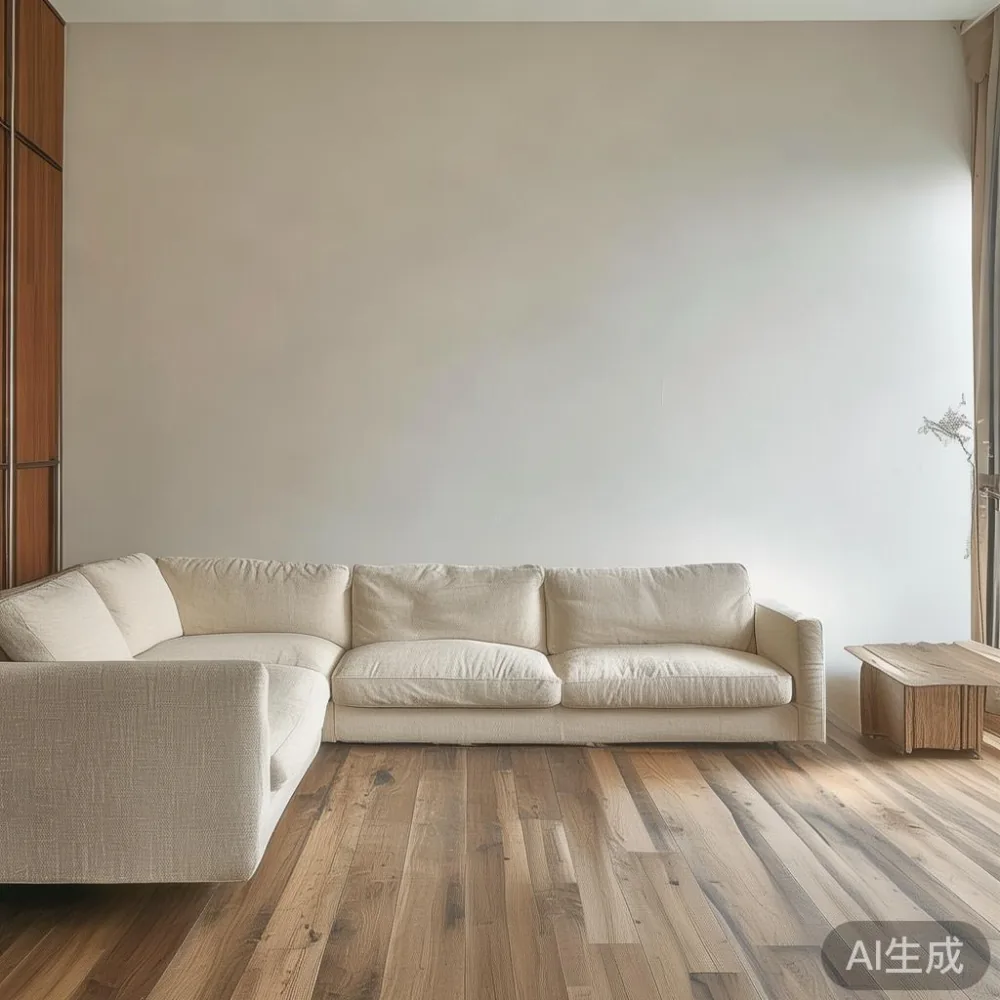
At MIDHILL, the conversation usually starts with the room, the expected use, and the degree of colour variation a customer can accept. Solid wood and veneer can both suit light-luxury interiors, but they behave differently in humid conditions and across changing daylight. Below is a practical 5-year cost model rather than a material argument based on appearances alone.
What is the real difference between veneer and solid wood furniture?
Veneer furniture uses a thin layer of timber, commonly 0.6 mm, bonded to a plywood or engineered-wood core. A dining table may combine 18–25 mm veneered tops with solid-wood legs. Solid wood furniture uses timber throughout the visible and structural sections. A 200 cm solid wood dining table can weigh 75–95 kg, while a comparable veneer table may weigh 45–65 kg. That difference matters in a lift with a 450–600 kg rated capacity and in a corridor only 120–160 cm wide.
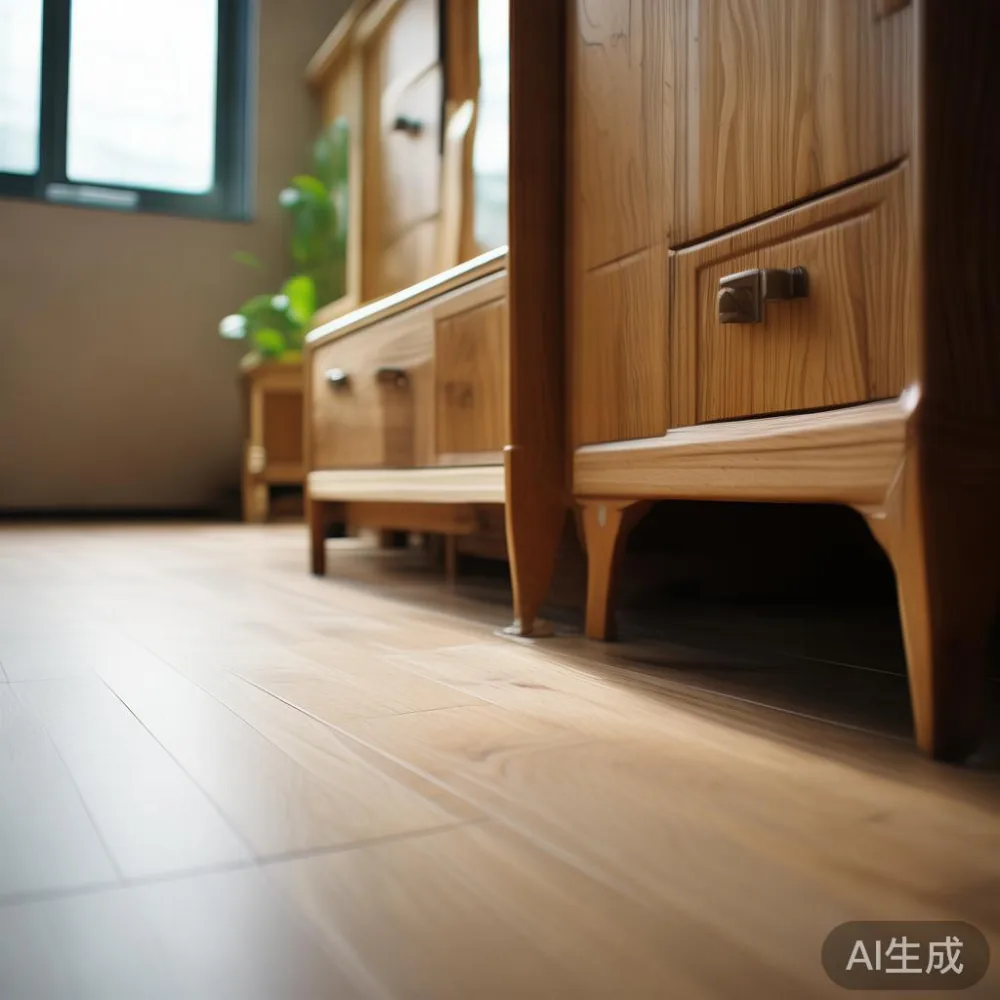
Neither material is automatically more suitable for every home. Solid wood can tolerate sanding and refinishing when the timber is appropriate. Veneer can offer more dimensional stability and a broad selection of book-matched grain. The key is to ask what happens after a scratch, a water ring, or 5 years of filtered sunlight—not simply which label sounds more premium.
The figures below compare a representative dining set, bed frame, wardrobe, and solid wood sofa. They use a 5-year ownership period, Singapore delivery charges, ordinary household maintenance, and furniture that remains in the same home. The model excludes extraordinary flooding damage, deliberate abuse, and commercial use.
How much do veneer and solid wood cost over 5 years?
A mid-range veneered dining set may cost SGD 1,280 before GST and SGD 1,396.20 after GST. A comparable solid-wood dining set may cost SGD 2,480 before GST and SGD 2,703.20 after GST. Over 5 years, divide the purchase price by 60 months. The veneer set therefore starts at about SGD 23.27 per month, while solid wood starts at SGD 45.05. That gap does not include future colour corrections or repairs.
Veneer refinishing typically costs SGD 35–70 per hour, with a small dining table repair or colour correction requiring 2–4 hours. Budgeting SGD 140–280 over 5 years is reasonable if one event occurs. Solid wood sanding and refinishing may cost SGD 90–160 per hour, and a 4–8 hour dining-table treatment can total SGD 360–1,280. Here, colour mismatch is easier to correct across the full surface of solid wood than across a book-matched veneer leaf, although a professional colour match is still needed.
A veneered bed frame might cost SGD 880 before GST, or SGD 959.20 after GST. A solid oak or ash bed frame might cost SGD 1,680 before GST, or SGD 1,831.20 after GST. For a queen bed, allow 3–7 hours of refinishing work in a worst-case repair year. Budget SGD 240–420 for veneer and SGD 600–1,050 for solid wood, assuming local craftspeople remain within these rates.
The average totals are clearer than isolated prices. For the four-piece dining, bed, wardrobe, and sofa package used here:
- Veneer purchase total: SGD 5,760 before GST, or SGD 6,278.40 with 9% GST.
- Solid wood purchase total: SGD 9,760 before GST, or SGD 10,638.40 with 9% GST.
- Maintenance reserve over 5 years: SGD 420–760 for veneer and SGD 700–1,650 for solid wood.
- Delivery and lift-in: SGD 80–260 for either package, depending on distance and access.
- Five-year cost range: approximately SGD 6,778–7,298 for veneer and SGD 11,418–12,548 for solid wood.
The comparison produces an initial veneer advantage of about SGD 4,360 before maintenance. If the solid wood pieces retain their appearance and veneer develops several colour defects, the gap can narrow, but it is unlikely to disappear in this example. People searching for under 2000 Japanese furniture may find solid wood pricing especially important because imported hardwoods can carry freight, handling, and treatment costs.
Which material is easier to live with in HDB flats and Singapore condos?
Singapore humidity makes movement control part of the purchase decision. Engineered veneer cores generally resist cupping because the plywood layers are cross-bonded. Solid oak, ash, walnut, and other timbers can move as moisture changes, even when the wood has been kiln-dried. A 200 cm dining table may expand or contract by several millimetres across its width over seasonal changes. Small gaps, drawer movement, and a visible colour mismatch can become more noticeable in a compact dining area than in a large open-plan home.
Lift access changes the practical cost. In some Tampines blocks, the lift opening is 90 cm and the internal diagonal is about 220 cm. A 180 cm headboard that fits the lift's diagonal may still be difficult to turn into the corridor. Bed frames should be separated where possible; a queen mattress is commonly 152 cm by 191 cm. Wardrobes are better transported flat or as knock-down panels because a 220 cm tall unit may not stand upright inside the lift.
Before delivery, measure the lift door, lift car, corridor turns, and bedroom doorway. Allow at least 10 cm of maneuvering clearance. For a 95 kg solid wood table, use at least 4 people and confirm the lift capacity with the building manager. Veneer may reduce weight, but a dense hardwood core can still exceed 65 kg. The material does not replace proper planning.
Light-luxury styling also affects perceived wear. French provincial interiors often show movement through pale, restrained finishes, while American light luxury frequently combines cream upholstery with warm timber. Post-modern light luxury may use cleaner lines, darker contrasts, and carefully controlled grain. In each case, colour mismatch is more noticeable when one panel appears orange under warm LEDs and another appears grey beside a window. Request samples and view them under both 2700 K and 4000 K lighting.
Does solid wood cost less after 5 years of refinishing?
Not in the basic ownership scenario. Solid wood can be repaired without replacing the entire panel, which is a meaningful advantage over many veneer surfaces. A 2 mm scratch in a solid oak nightstand might be filled and sanded; a veneer surface may need careful repair if the 0.6 mm leaf is breached. However, this repair value matters only if the furniture is actually used and maintained. A protected dining table may need no major work for 5 years, while a frequently handled wardrobe or nightstand may need touch-ups.
The following model assumes one 3-hour refinishing event, one SGD 45 service visit, and SGD 100 in consumables such as polish, brushes, or colour-matched filler. Veneer labour is SGD 105–210, while solid wood labour is SGD 270–480. Including delivery, the 5-year totals become:
- Veneer package: SGD 6,778–7,298, including SGD 80–260 delivery and SGD 320–570 maintenance.
- Solid wood package: SGD 11,418–12,548, including SGD 80–260 delivery and SGD 790–1,650 maintenance.
These figures are not universal quotations. A Singapore-based workshop may charge more for a full French provincial wardrobe restoration, and a cheaper service may not blend colour correctly. The number that matters is the final appearance after treatment, not simply the hours worked. Ask for a written estimate showing the timber species, finish type, repair method, and expected colour-match process.
MIDHILL offers a 10-year structural warranty and lifetime refinishing, which changes how some customers calculate risk. A warranty does not mean every scratch disappears, so define cosmetic surface work separately. A 5-year reserve remains sensible for colour mismatch, water rings, moving damage, and routine hardware replacement. Confirm whether the refinishing service covers labour, collection, delivery, and materials.
What should you buy for a light-luxury Singapore home?
Choose based on the room's pressure points. For a dining table used 4 times a week, a quality veneered top with a solid-wood base can be a practical option if the finish is resistant to heat and water. Use trivets, wipe spills within 10 minutes, and avoid placing a hot marble or ceramic object directly on the surface. For a bed frame, solid wood is attractive where the headboard and side rails are handled often, while a stable engineered core can be sensible for a condo bedroom with limited storage space.
Wardrobes demand a different calculation. A 180–220 cm French provincial wardrobe may contain adjustable shelves and multiple door panels, so small differences in colour across doors can create a visible colour mismatch. Ask whether the finish is sprayed in one batch, how the doors are matched, and whether the supplier can supply replacement veneer leaves. If you are working on how to style French provincial wardrobe in bedroom schemes, coordinate the handles, mirror frame, and door colour before ordering.
For a solid wood sofa, the frame should be kiln-dried hardwood, with joints and suspension checked separately from the upholstery. A marble table is a related accessory choice, but it requires its own discussion of weight, support, and installation; protect the floor and confirm that a 180 cm marble top weighs 140–220 kg. Do not assume a timber dining table can support a marble top without reinforcement.
Search terms such as for sale Coastal furniture and for sale Post-modern furniture describe design directions, not material quality. For sale Post-modern furniture may be finished in veneer or solid wood; inspect the construction sheet rather than the photograph. A Post-modern for guest room can be selected in a compact 3.8 m by 4.2 m HDB room, where a 120 cm sofa, 60 cm side table, and 100 cm console may leave only 60 cm for circulation.
When comparing a best Post-modern wardrobe for 2026 shortlist, check drawer travel, hinge rating, wall fixing points, and whether the doors open through 90 degrees. A lower-cost wardrobe with poor hinges can cost more after 5 years than a slightly pricier unit with replaceable hardware.
What questions should I ask before paying for solid wood?
Ask whether “solid wood” applies to every visible part, or only the legs and front panels. Specify the species, thickness, moisture treatment, finish, and expected movement. For a dining table, request dimensions after finishing rather than only nominal dimensions. For a wardrobe, ask the door thickness, core material, back-panel construction, and installation method. For a nightstand, confirm drawer box material and runner load rating, especially if it will hold 8–12 kg of books.
Ask to see a finish sample under daylight and artificial light. A colour mismatch may be caused by sunlight, paint batches, or different wood species, so a controlled sample helps diagnose the cause. Photograph the finished piece before delivery, with the date, model, and finish recorded. Inspect the underside, edges, joints, and any veneer seams. A 5-minute inspection can prevent a return involving a 220 cm wardrobe that cannot easily leave a lift.
Confirm delivery timing in days, not just “within 2 weeks.” A local Singapore order may take 7–21 days, while a made-to-order piece may take 30–60 days. Check the building's renovation rules, delivery windows, and elevator reservation charges. For furniture over US$350, MIDHILL's free-shipping offer may reduce some international logistics costs, but Singapore GST, local delivery, and lift-in services still need to be stated clearly.
Ask for the 5-year cost estimate in writing. A supplier should be able to show purchase price, GST, delivery, installation, expected refinishing hours, and what is excluded. If a sales answer relies on the word “premium” without measurements or service terms, it has not yet provided enough information.
What does a realistic 5-year ownership decision look like?
For a compact HDB flat, the balanced choice is often a carefully specified veneer package when the buyer values initial savings and stable dimensions. The saving in this model is approximately SGD 4,360 before maintenance. If the same package costs 4,360 more in solid wood, the buyer can compare that amount with the visible room use, repairability, and preferred appearance over 60 months.
Solid wood becomes easier to justify when a customer places it in a high-touch location, values sanding and spot repairs, or plans to maintain one dining table, bed frame, wardrobe, and nightstand for at least 10 years. It is less compelling when the furniture is temporary, stored in a rarely visited guest room, or purchased mainly to match a short-lived colour trend.
For a condo with controlled lighting and generous space, solid wood may suit a formal dining area or master bedroom, while veneer can cover a less demanding guest room. The decision is not a victory for one material. It is a choice between cash-flow timing, tolerance for colour variation, lifting weight, maintenance, and future appearance.
Use this rule: if the total solid-wood premium is SGD 1,500, compare it with SGD 25 per month across 60 months. If the premium is SGD 4,360, ask what specifically improves and whether you will use that improvement often. Ask for samples, measure the route, include GST, and keep a maintenance reserve. Those 3 steps prevent both overspending and choosing furniture that looks good on delivery day but shows a colour mismatch within the first wet season.