Humidity, Wood and Colour Mismatch in Singapore Homes
Humidity can make solid wood furniture look as though it came from two different workshops. One side of a dining table may appear warm honey brown, while another looks pale beige. Doors on a wardrobe may not match their adjacent panels. A solid wood sofa frame can develop small gaps as timber expands and contracts. These are not random defects: they are usually the result of moisture movement, inconsistent finishing and storage conditions.
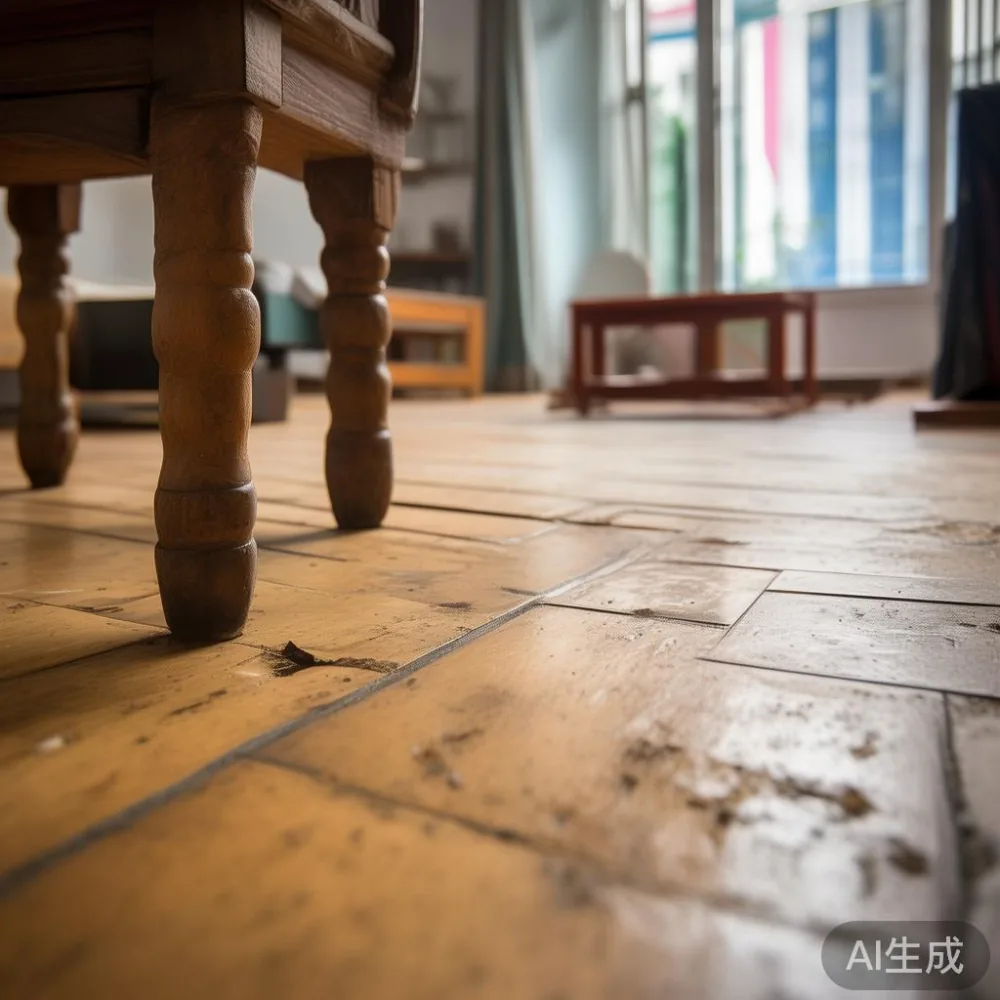
In Singapore’s humid equatorial climate, air often carries considerable moisture throughout the year. That matters inside high-rise homes too, especially where units face west-facing windows, ventilation is restricted or furniture is delivered into cool corridors before acclimating in a warmer living room.
MIDHILL designs furniture for export to more than 15 countries, with production standards shaped by varying climates. Its 10-year structural warranty reflects confidence in the joinery; lifetime refinishing addresses the less predictable surface changes that occur as a real home responds to humidity. The practical question is how buyers can understand, manage and reduce colour mismatch while choosing a solid wood sofa, bed frame, dining table, wardrobe, nightstand or marble table.
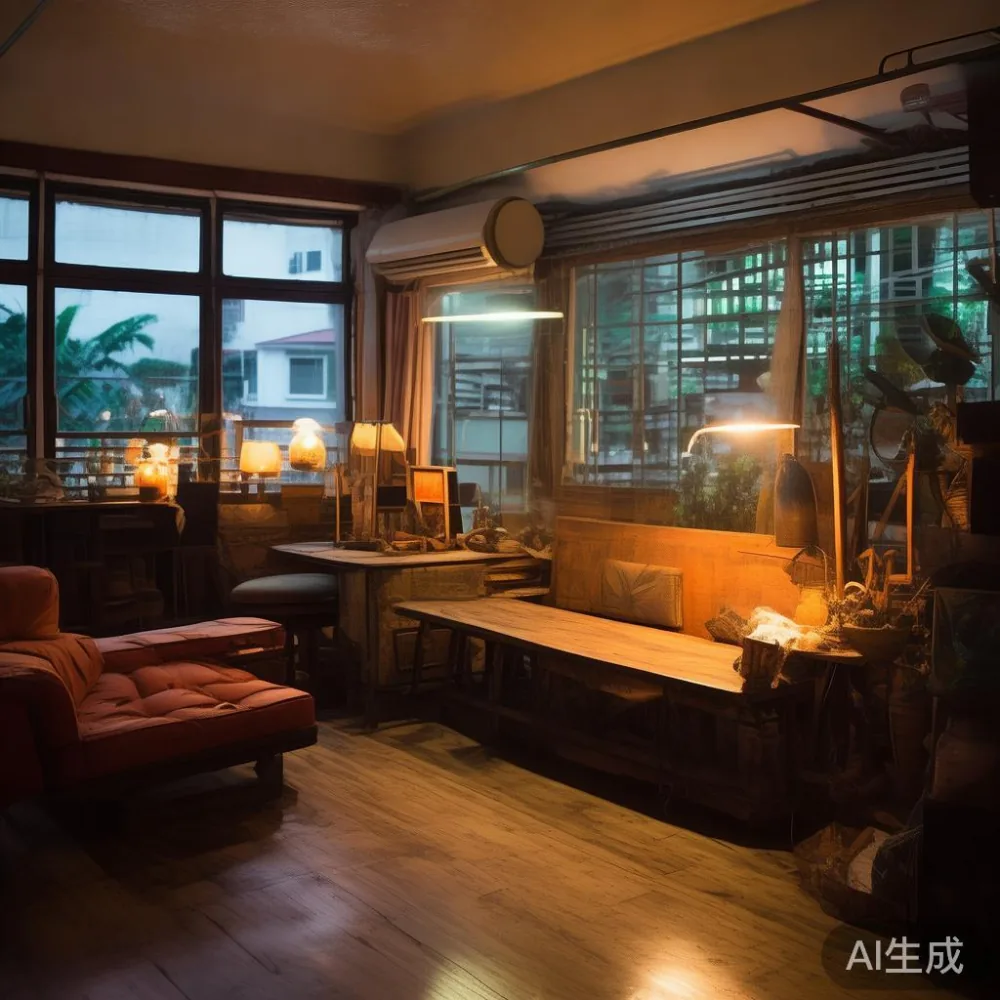
Why does humidity cause colour mismatch in solid wood?
Wood is hygroscopic. It absorbs atmospheric moisture when the surrounding air is humid and releases it when the air becomes drier. Most movement occurs across the grain, while changes along the grain are smaller. The visible consequences depend on the species, cut, panel width, joinery and finish.
Seasonal hardwood used for furniture can move by roughly 1–3% as its moisture content changes. A solid timber panel measuring 60 cm across its width might consequently expand by about 6–18 mm. The exact figure varies, but the principle helps explain why a wide dining table top, a large wardrobe door and a solid wood sofa rail can behave differently under the same room conditions.
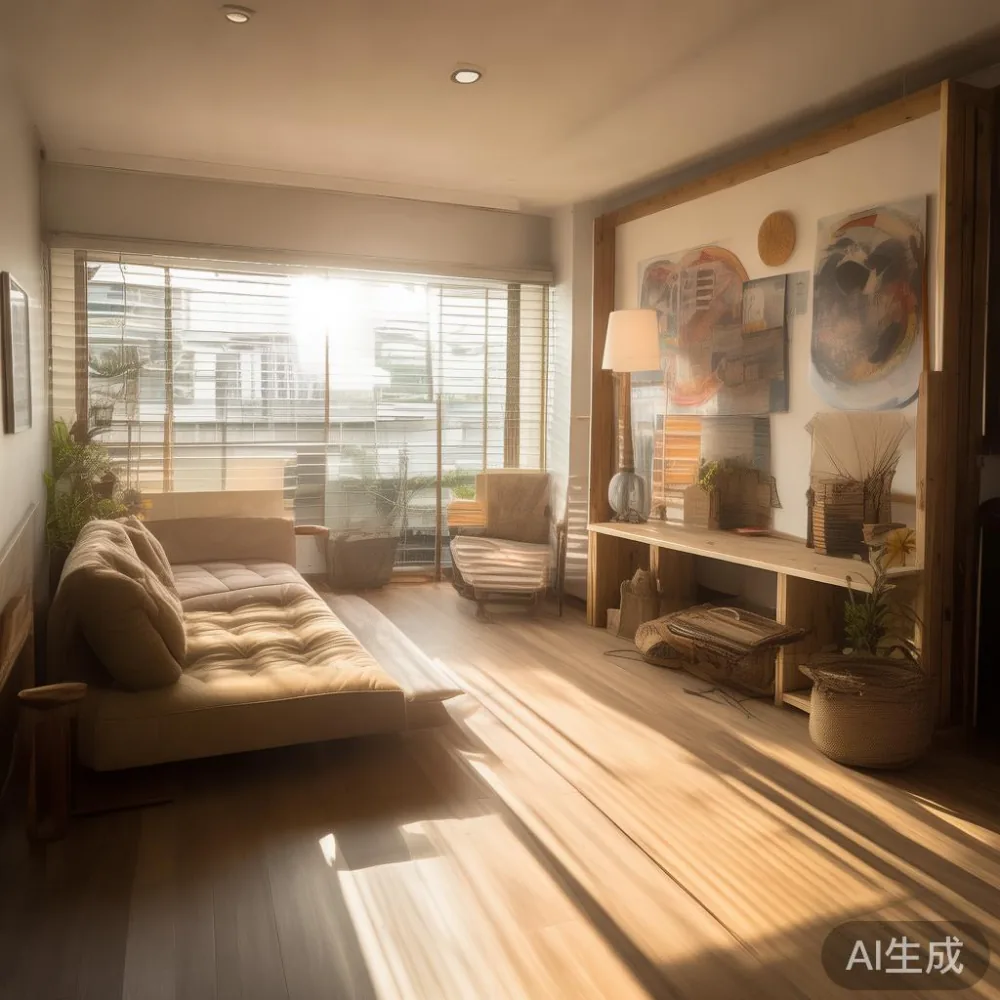
Colour mismatch can also be apparent rather than structural. Different batches of wood may show variations in grain, mineral lines, sapwood and heartwood. If a dining table is assembled from boards selected outside one production lot, the finished top can display distinct tones. This natural variation is often acceptable in solid timber; a finish applied unevenly or under changing humidity can exaggerate it.
Oak, ash, walnut and other commonly used furniture timbers have different densities and moisture responses. A sealed surface slows moisture exchange, but it does not make timber inert. Lacquer, oil and wax also have different optical effects. An oiled walnut may look richer under bright artificial lighting, while a matte-lacquered panel can appear cooler near an HDB corridor’s cooler LED lights.
Singapore’s relative humidity commonly ranges from about 65% to 90%, with coastal areas and unventilated interiors sometimes experiencing higher readings. A useful indoor target for many solid wood pieces is around 45–65% relative humidity. Air-conditioning may bring a bedroom down to 23–26°C, yet rapid transitions between a 22°C corridor and a 29°C living room can still create repeated dimensional movement.
Can Singapore HDB flats and condos prevent colour mismatch?
Good environmental control reduces movement, but perfection is neither realistic nor necessary. The main aim is to keep moisture change gradual and to keep components exposed to reasonably similar conditions.
For an HDB flat in Tampines, Bedok or Punggol, position a solid wood bed frame away from a bathroom wall if possible and leave circulation space around a wardrobe. Leave approximately 10–15 cm between tall furniture and curtains where practical. For a dining table near a balcony, avoid placing it directly against a cold glass wall; 20–30 cm of separation gives room for a curtain and protects the surface from condensation.
In a condo, west-facing windows deserve particular attention. Solar heat can raise a timber surface by 10–15°C in the afternoon. Use blinds rather than relying only on air-conditioning, and maintain at least 60 cm between tall furniture and the window where the layout allows. Furniture should not be pressed tightly into an exterior corner.
Measure relative humidity with a small digital hygrometer. Check the bedroom and living area at roughly 9 a.m. and 9 p.m. over 7 days. A difference of more than 10–15 percentage points between two locations can justify rearranging furniture. A reading within 45–65% is a useful target, although stable local conditions are generally more forgiving than sudden changes.
Do not wipe a suspicious area and assume the wrong finish has faded. Place a clear glass cup on the surface for 24 hours. If condensation forms beneath it, the panel is receiving humid room air. If the patch remains pale after cleaning with a lightly damp cloth and drying, the issue may be finish inconsistency, sun exposure or natural timber variation.
What should you check before a Singapore furniture delivery?
Humidity-related colour mismatch is easier to manage when the furniture arrives with consistent components and sensible acclimation guidance. Review photographs of the complete set rather than isolated samples. Ask the supplier whether wardrobe doors, drawer fronts and table leaves are finished in the same batch and production run.
For a bed frame, inspect all visible rails and headboard panels under the same neutral light. For a dining table, compare the tabletop, apron and legs where visible. Wardrobe doors should be opened and closed several times, while drawer boxes need to run freely. A nightstand should be checked from several angles because side lighting can reveal a mismatch that is invisible in overhead light.
Singapore access requires attention before a large order enters the building. Confirm whether a lift can take the packaged wardrobe flat or on its side, and compare the package with the lift door, cabin depth and corridor turning space. Common corridor widths are around 1.2–1.8 m, while residential lift openings may measure about 0.9–1.1 m. A package 2.10 m long and 65 cm wide may fit the lift but be difficult to rotate around a landing.
Ask for packed dimensions, not only product dimensions. A solid wood bed frame may arrive in cartons weighing 35–80 kg, while a dining table package can weigh 60–120 kg. A wardrobe may be split into modules weighing 40–75 kg each. Check whether the supplier can use a trolley and whether the delivery team needs a 2-person carry.
MIDHILL offers delivery across Singapore, with free shipping on qualifying orders over US$350 and a 14-day return window. Currency conversion will vary, so compare the final SGD amount carefully: a quoted US$350 threshold is approximately SGD$470, depending on the exchange rate and card charges. Confirm the GST-inclusive total, delivery days and access conditions in writing.
Allow about 3–7 delivery days after the order is confirmed. A large wardrobe or table made to order can require 4–8 weeks, although manufacturing and stock positions differ. For Singapore homes, schedule the heaviest delivery on a weekday when the lift is not reserved for move-outs or building maintenance.
How should new solid wood furniture acclimate in an HDB or condo?
Acclimation means giving timber time to reach a stable moisture level without exposing it to rapid extremes. Solid wood furniture should not be wrapped tightly in plastic for weeks inside the home. After delivery, remove the outer carton and protective packaging, retain the felt pads, and let the pieces rest in their intended room for 48–72 hours.
For a solid wood bed frame, assemble it loosely at first if the instructions permit, and allow the frame to adjust before tightening every fixing. Do not force a drawer, sliding door or table leaf against its stop. For a wardrobe, leave access around the sides and distribute interior loads evenly; placing 40–60 kg in one zone can pull a base panel out of alignment.
Dining tables should sit on level pads, not rugs that trap moisture. Keep a minimum of 5–10 cm between the table edge and curtains. A marble table needs a slightly different approach because stone does not expand like timber, yet its sealant, adhesive and supporting frame can respond to humid conditions. Inspect silicone joints every 6–12 months and keep the surface away from persistent water.
Acclimation is not a substitute for quality control. If a wardrobe has one conspicuously red panel beside four brown panels before installation, request photographs and a remedy while the pieces are still in the room. Minor tonal variation within a species may be natural; a clear finish difference is worth documenting.
I tested this process last month in a Bedok HDB flat with a newly delivered oak dining table. I recorded 82% relative humidity beside the balcony and 66% in the inner living area at the same hour. After moving the table 35 cm away from the sliding glass door and using the existing blinds, the direct-area reading fell to 74% within 3 hours and settled near 65% by the following evening. The table top also showed much less condensation on an overnight glass test.
Which finishes help protect furniture from Singapore humidity?
No finish blocks moisture indefinitely, but the correct system slows the exchange. A factory-applied hardwax oil or low-sheen lacquer can suit a solid wood sofa frame or dining table, while a closed pore and stable coating offer additional protection in frequently handled areas. Ask whether the coat has been applied to all faces and edges, including undersides and drawer interiors.
For a light-luxury interior, a matte oil can reveal tactile grain but may darken as the timber ages. A clear lacquer provides a more uniform appearance and easier cleaning. Neither should be chosen solely for its water resistance. The number of coats, drying time between coats and conditions during application matter more than a long finish name.
French light luxury often pairs pale upholstery with fine lines, natural veneer and reflective surfaces. Post-modern light luxury may combine curved forms with cleaner geometry. In either case, a dining table with a stone top or a marble table can balance the visual warmth of a solid wood sofa or bed frame.
One search phrase buyers often use is European for dining room, but geographic style labels do not specify a climate-ready finish. Request the technical details instead: wood species, panel dimensions, finish type, expected moisture range and care instructions.
For wardrobes, colour consistency between doors and drawer fronts deserves extra attention. A search for the best American wardrobe for 2026 may return many design articles, yet the practical specification remains more useful than the label. Ask for close-up images under daylight and neutral LED light, and compare the same panels over 3 delivery days.
How do you clean solid wood without making the colour mismatch worse?
Use a soft, slightly damp cloth and dry the surface immediately. Avoid steam cleaners, soaking cloths and household ammonia on unfinished or oiled timber. Keep liquids away from joins, veneer edges and marble seams. A small spill should be attended to within 5–10 minutes rather than left overnight.
Test an inconspicuous area for 24 hours if using a commercial wood cleaner. Some silicone-based products create temporary dark patches that look like uneven colour but disappear after drying. Others can leave a film that collects dust, making a genuine finish mismatch more obvious.
For a nightstand beside a bed, remove coasters and use a separate tray for a glass of water. For a dining table, use placemats rather than wet decorative runners. A wardrobe should be dusted with a dry microfibre cloth and inspected at the base for dampness or insect activity. A solid wood sofa should be vacuumed every 1–2 weeks, with cushions turned monthly, so that frame movement and finish variation can be noticed early.
Do not sand or repaint the whole room to “correct” one panel. Photograph the mismatch in daylight, measure the moisture readings at the panel and opposite wall, and contact the supplier. A 10-year structural warranty covers structural failures, while lifetime refinishing provides a path for restoring surface wear. Cosmetic issues may require a different assessment, so documentation at delivery is important.
What lighting and room layout reveal a real colour mismatch?
Warm-white LEDs around 2700–3000K can make walnut and oak appear more golden. Cool-white lights at 4000–5000K can reveal blue, grey or pale patches. Corridor lamps may also differ from a living room fixture. Before delivery, record the wardrobe, dining table and nightstand under the room’s actual lighting rather than judging only in a warehouse.
Open curtains for 20 minutes and compare the furniture in indirect daylight. Then switch on the room lamps at 3000K. A natural board variation should remain recognisable under both conditions. A finish mismatch often changes more sharply because one surface scatters light differently.
Watch ventilation paths. In an HDB flat, the bedroom door may create a cool pocket near a wardrobe. In a condo, a fresh-air grille can create another local environment. Avoid placing furniture in a dead corner behind a heavy curtain. If a sensor shows more than a 10–15% humidity difference across the room, moving one piece can sometimes be more effective than changing the whole air-conditioning setting.
For a bed frame and nightstand pair, inspect them together. A dark walnut frame with a much lighter bedside cabinet may be an intentional design contrast rather than a defect. For a dining table, compare both long sides and the centre seam. A marble table may naturally carry grey veining that should continue across adjoining sections; a change in vein direction can indicate a layout or batch difference.
Style references can help buyers organise a room, but they should not replace specifications. A request for the best light luxury wardrobe for 2026 may lead toward an American light luxury design with deep grain and restrained metal details. Another buyer searching for the best Minimalist sofa for 2026 may prioritise low profiles and pale timber. Across these categories, consistent panels, stable construction and clear finish information remain the useful measures.
How do you compare colours before ordering a furniture set?
Ask for a physical finish sample whenever possible, then take it home for 24 hours. Hold it beside the intended flooring, curtains and wall paint. Compare it in morning daylight, under the existing room lamp and at night. Repeat the test near a window because late-afternoon light can reveal differences that a showroom conceals.
For online orders, request high-resolution photographs in neutral light and inspect the actual pieces on arrival. Make a short handover video with the supplier present. Open every wardrobe door, extend every table leaf and place the nightstand in position. Use the same 4–5 steps for each item so the colour mismatch can be assessed consistently.
Choose products whose scale suits the home. A 220 cm dining table may be practical in a Punggol dining room but awkward in a narrow Bedok flat with a 110 cm corridor turn. A 180 cm table is easier to manoeuvre. A queen bed frame measuring 155 × 215 cm may require an elevator cabin at least 160 cm deep on the diagonal. A modular wardrobe with panels below 120 cm often passes tighter access routes more easily than a single oversized door.
The phrase MIDHILL furniture appears in many buying discussions, yet brand familiarity alone cannot resolve timber variation. The better questions are whether components were matched before finishing, whether hardware permits movement, and whether the supplier supports claims with clear evidence. For a search for the MIDHILL light luxury bed, compare the headboard timber with the rails and confirm the finish system before payment.
What should a Singapore buyer do when furniture colours do not match?
Do not return the entire set for a difference visible only under one warm lamp. Establish whether the mismatch appears across multiple lighting conditions, document it, and check whether it concerns adjacent components. A slightly varied set of solid wood pieces can complement modern light luxury furniture when the grain and undertone are coherent; an obviously different door finish may require adjustment.
Measure humidity at the affected panel and 2–3 m away. If the nearest reading is above 70% and the other is below 60%, environmental conditioning should come before refinishing. Keep the room between 23–27°C where feasible, avoid direct afternoon sun and leave the piece in stable air for 7–14 days. Do not use a heat gun or dehumidifier directly on the timber.
If the difference persists, send MIDHILL clear photographs, the order details, delivery report and hygrometer readings. For Singapore orders, confirm whether GST is included and how returns are handled within the 14-day policy. Keep packaging where possible because transport protection and inspection are often easier with the original cartons, felt pads and hardware organised.
Humidity will keep changing wood in Singapore; furniture does not need to remain frozen in one colour. It does need suitable joinery, balanced moisture exposure and controlled finishes. Those measures limit abrupt movement, reduce colour mismatch and help a solid wood sofa, bed frame, dining table, wardrobe, nightstand or marble table remain visually coherent for years.