Humidity, Wood and Color Mismatch: A Southeast Asia Furniture Guide
Humidity is part of daily life in Singapore. In many HDB flats and private condos around Tampines, Bedok and Punggol, doors may stay open to the common corridor, air-conditioning may cycle on and off, and a room can shift from 27°C to 33°C within a single afternoon. Lift shafts, recessed corridors and compact layouts also limit how furniture can be transported and acclimatised. For solid wood furniture, those conditions can contribute to a visible color mismatch between panels, planks, doors and veneer accents. Understanding why it happens is the practical starting point for choosing furniture that will age with more consistency.
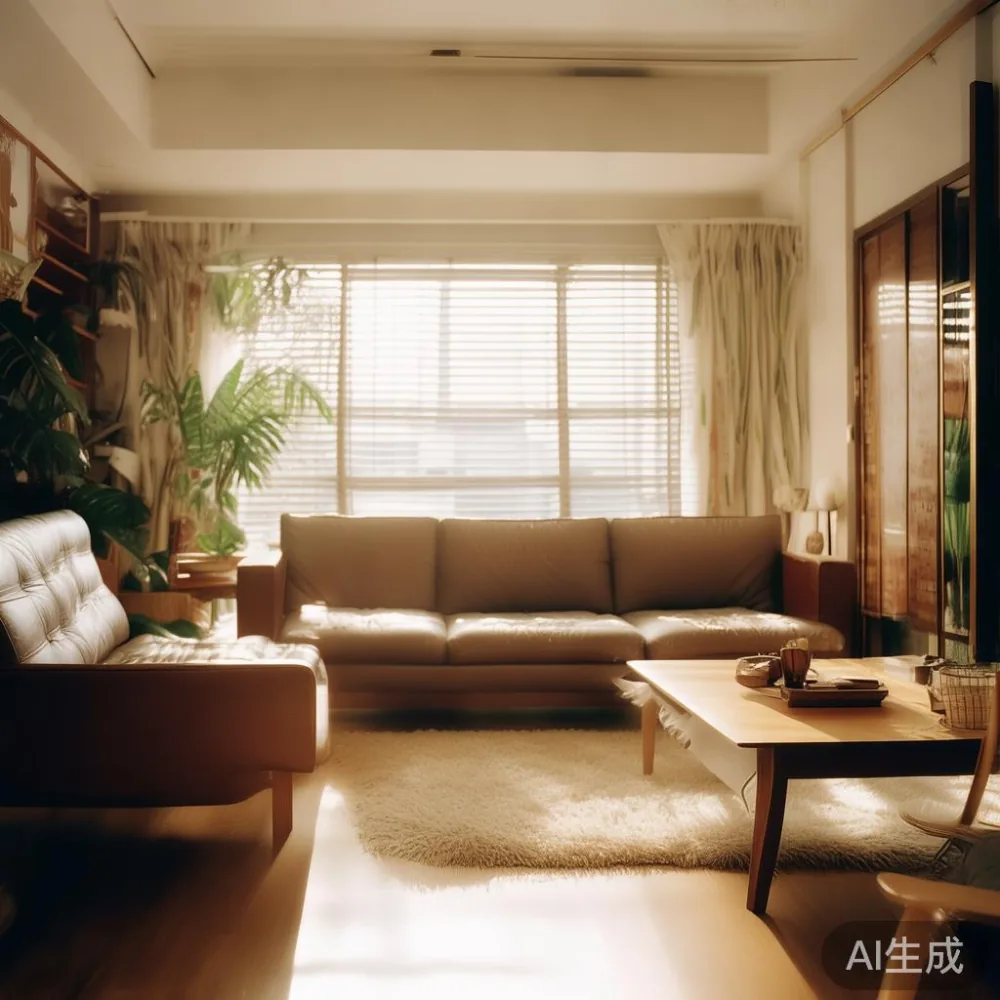
MIDHILL makes solid wood furniture for homes and export markets, supported by a 10-year structural warranty and lifetime refinishing service. Its catalogue includes solid wood sofas, bed frames, dining tables, wardrobes and nightstands, along with selected marble table designs. The point is not that humidity should be ignored. It is that moisture control, careful finishing and realistic expectations matter more than a generic promise that every timber will behave identically.
Why does humidity cause a color mismatch in solid wood?
Wood is hygroscopic: it absorbs atmospheric moisture and releases it as the surrounding air changes. A dining table near an open balcony or a wardrobe beside a frequently used corridor can take in moisture during humid periods. When that moisture leaves, the surface can lighten, dull or appear unevenly shaded. A color mismatch is especially noticeable when one door is more exposed than another, or when solid timber is combined with a different wood, stain or finish.
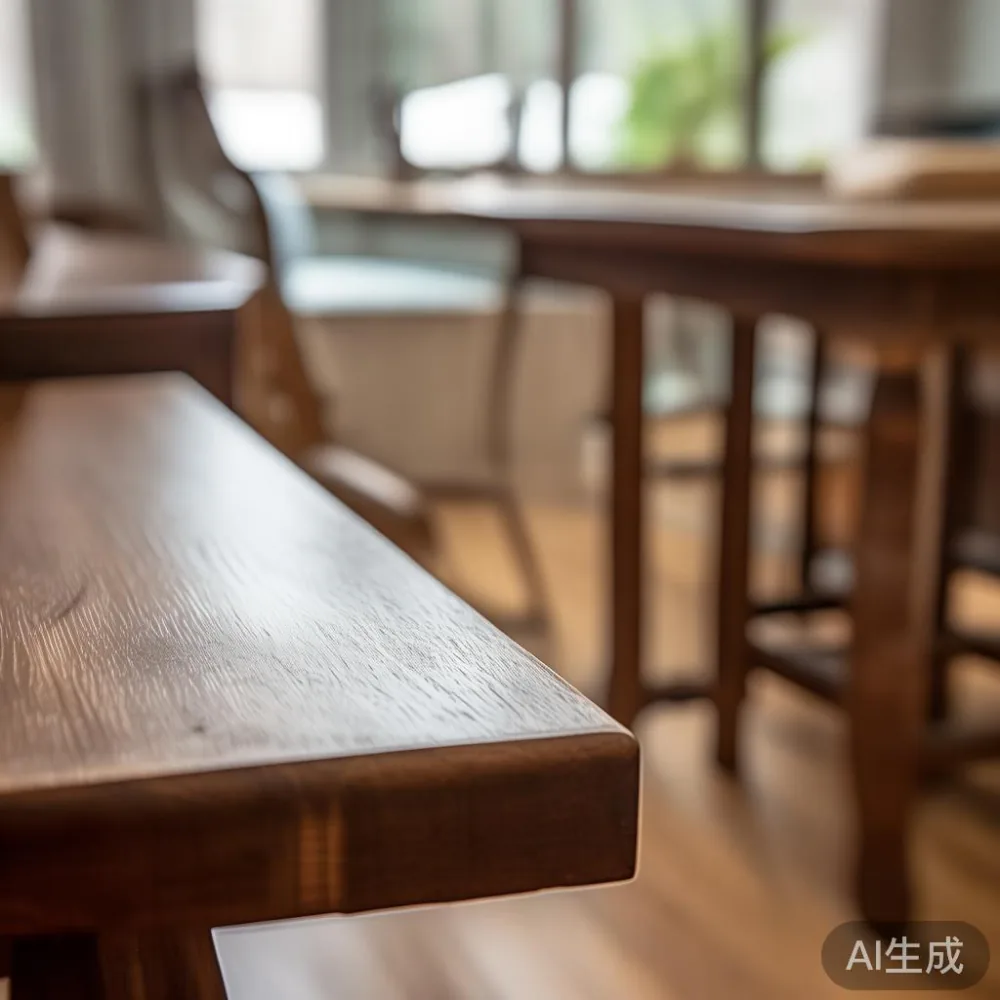
The effect is not always a dramatic split. It may appear as a warm orange patch on one side of a bed frame, a darker band around a wardrobe edge, or a visible tonal difference between two nightstands purchased as a pair. Grain direction also changes how a finish catches light, so two boards with the same nominal color can still look different. In a room with strong afternoon light, even a small variation of roughly 8 to 15% in perceived color becomes obvious to the eye.
Singapore's relative humidity commonly ranges from about 60% to 85%, particularly during monsoon periods and at night. Coastal winds, enclosed lift lobbies and air-conditioner dehumidification can make the immediate conditions less predictable than outdoor weather readings suggest. An air-conditioned bedroom may settle near 50% relative humidity, while its corridor remains at 75%. That microclimate difference is enough to expose differences in how wood components respond.
It helps to distinguish movement from a manufacturing defect. Seasonal expansion of around 1 to 3 mm across a wide solid wood panel can be normal, while persistent clouding, flaking or a crack that does not follow the grain needs investigation. Wood should not be treated like metal or glass. Its dimensional movement is part of how a properly made solid wood piece behaves.
How much space should you leave for furniture and airflow?
Compact Singapore homes make airflow easy to overlook. A wardrobe pushed tightly against a wall can trap humidity behind it, especially along an exterior wall in Bedok or an HDB common corridor side. As a working rule, leave at least 5 cm behind freestanding furniture where the manufacturer permits it, 3 to 5 cm below suspended wall units, and 8 to 10 cm above a solid wood dining table for routine cleaning. These gaps allow surfaces to dry and make colour differences easier to inspect.
Floor coverage matters too. A 180 cm dining table with six chairs may need about 330 to 360 cm of clear floor area in a compact dining zone. For a 150 cm model, allow roughly 280 to 300 cm. These figures are planning guides, not apartment approval measurements. Check the actual chair pull-out distance, drawer extension and cleaning access before ordering.
Delivery logistics deserve equal attention. A 220 cm solid wood dining table cannot always be tilted upright in a residential lift. Measure the lift door, lift car, turning space and corridor. A common lift door may be about 90 cm wide and 210 cm high, but building-specific dimensions vary. If the longest rigid component exceeds the available diagonal path, the table may need to arrive in sections. MIDHILL can coordinate the delivery approach, yet the buyer should provide clear access dimensions and keep lift-booking conditions in mind.
Should Singapore homeowners use solid wood furniture in humid rooms?
Yes, provided the timber, finish and placement are suited to the room. Solid wood furniture can remain stable in a climate-controlled flat when moisture changes are gradual. The main caution is placing a new piece in a damp position immediately after delivery. A practical acclimatisation period is 7 to 14 days, with longer time allowed for thick dining tables and wardrobes. During that period, keep the piece away from direct air-conditioning outlets, open windows, kitchen steam and wet laundry areas.
Air-conditioning is useful, but running it only shortly before guests arrive is less effective than maintaining reasonable consistency. A hygrometer costing about SGD 20 to SGD 35 gives owners a simple indication of local conditions. For valuable furniture, aim to keep relative humidity around 45% to 60% where feasible and avoid rapid swings larger than roughly 10% over 24 hours. This range is a comfort guideline, not a guarantee against natural wood movement.
For a bedroom in Punggol or a study inside a Tampines condo, a solid wood bed frame generally performs well if it is not pressed against a condensation-prone exterior surface. Place washing machines and drying racks in a ventilated utility area where possible. Avoid wiping a nightstand with a dripping cloth; use a soft, slightly damp cloth and dry the surface immediately. Cleaning products should be pH-neutral, used sparingly and tested on an inconspicuous area first.
Finish choice also influences the visual outcome. Hardwax oil tends to leave the grain tactile and can be maintained locally, while lacquer creates a more sealed surface with different repair options. Neither finish makes wood moisture-proof. It mainly controls the rate at which the surface exchanges moisture and how easily marks can be treated.
How can I prevent a color mismatch between different pieces?
Start by comparing furniture under the same light and against the same background. Buy sample blocks before ordering a coordinated solid wood sofa, dining table or bed frame, especially if pieces will stand side by side. Check the finish under warm LED lighting and daylight. A difference that looks mild in a showroom may become obvious beside a pale HDB wall or a marble table with a cool grey veining pattern.
Ask for clear information about timber species, stain, sheen and finishing batches. “Walnut colour,” for example, can describe different results depending on the species and whether the surface has been filled, stained or oiled. Natural variation in grain can remain visible; a controlled stain should make neighbouring components more consistent, though it cannot erase every board difference. A responsible supplier should explain what is natural variation and what may indicate an inconsistent finish.
MIDHILL's 14-day return policy gives buyers time to inspect a new solid wood dining table or wardrobe in their own room. That is valuable in Singapore, because corridor conditions and air-conditioning patterns differ from a warehouse or showroom. Keep the piece in normal use, protect it from rain and direct sunlight, and document any tonal concern with clear photographs before the return window closes.
Do not attempt to correct a color mismatch by applying random stain or wax. Additional coatings can make the repair darker, patchier or incompatible with the factory finish. For a light-luxury interior, restraint is more coherent than high-contrast patching. A furniture specialist can advise whether spot treatment, refinishing or replacing a mismatched component is more appropriate.
What should I know about French light luxury and American light luxury furniture?
Humidity affects finishes, but proportion and visual restraint are equally important in a compact home. French light luxury often uses pale oak, cream upholstery, slim profiles and gentle curves. A French-inspired solid wood sofa with raised legs can improve visual circulation below the frame, while a light-toned bed frame can keep a bedroom open. The aim is to avoid a heavy silhouette that makes a 10 sqm room feel narrower.
American light luxury leans towards generous proportions, warm timber tones and comfortable upholstery. Those qualities can work in a larger condo, yet an oversized solid wood dining table may dominate a compact kitchen. Check at least 90 cm of walking space behind each dining chair where circulation is practical. In lift corridors, confirm that a wide armchair or sofa will turn through the required angle before delivery.
Post-modern light luxury offers another route: clean geometry, mixed materials and controlled contrast. A marble table can provide a cool surface against solid wood, provided the veining is not overly busy. Italian light luxury with storage is particularly relevant to bedrooms because a low-profile solid wood bed frame with a shallow drawer or coordinated bedside unit can reduce visible clutter. Storage should supplement, not replace, sensible room planning.
These styles do not eliminate humidity-related colour variation. Pale finishes reveal dust and water marks more readily, while darker finishes can make uneven drying conspicuous. Choose samples for the actual light direction, even when the design language is European, American or post-modern.
How do you choose furniture for a compact Singapore apartment?
Measure the room before choosing the largest object. For a solid wood sofa, leave 35 to 45 cm from a balcony door when possible. For a bed frame, allow at least 60 cm on one side for access in a bedroom shared by two people, and around 90 cm in a master bedroom where both sides are used. A wardrobe may need 5 to 10 cm beyond its door swing, depending on hinges and drawers. These dimensions reduce the chance that a piece will be squeezed into a wall or corridor to save space.
Search terms such as European for small living room can help identify proportion-conscious designs, but a low sofa with a 75 cm depth is often easier to manage than one with a 98 cm depth. For a secondary bedroom, Japandi for guest room suggests light timber, calm spacing and straightforward storage; Boho for guest room may introduce woven or upholstered elements that require more careful moisture control. Rattan and fibre accents should not be sprayed directly with water.
Wardrobe planning also depends on the building's electrical and ventilation layout. Keep electrical panels, pipes and damp service ducts clear, and do not block the condensation drain of a nearby air-conditioning unit. For questions about how to style American wardrobe in apartment layouts, begin with the usable opening width rather than the carcass width. A 150 cm wardrobe with sliding doors may suit a narrow bedroom better than a 120 cm hinged model with doors extending into the aisle.
If comparing a best Post-modern wardrobe for 2026 direction, note that no finish remains permanently untouched. A reversible layout, adjustable shelves and manageable door projection are more practical than a decorative feature that interferes with daily use.
Budget in SGD with delivery and access included. A practical dining table may range from about SGD 1,200 to SGD 3,500, while a solid wood bed frame may range from SGD 900 to SGD 2,800. A two-door wardrobe may fall around SGD 1,500 to SGD 3,200, and a marble table around SGD 1,800 to SGD 4,500. Prices vary with timber, dimensions, finish and construction, so request a written quotation with delivery terms, taxes and access conditions.
What happens when a solid wood piece arrives in Singapore?
Inspect the furniture before accepting delivery. Check the six main surfaces of a dining table, the fronts and edges of wardrobe doors, the headboard and rails of a bed frame, and both sides of a nightstand. Look for consistent sheen, clean joints, secure drawers and any transport marks. Photograph the pieces before the delivery team leaves. For a large order, allow 20 to 30 minutes for a proper check rather than rushing through the process.
Remove protective film only when recommended. Some films are designed to remain in place during initial acclimatisation because they slow surface exchange. Follow the care instructions for the specific finish. Do not place a new wardrobe directly against a fresh-painted wall that is still releasing moisture; wait approximately 2 to 4 weeks after painting when ventilation is active.
Move furniture carefully within the home. A 45 kg six-drawer dresser on castors may be easier to reposition than one lifted by its top panel, but castors still need a level, clean route. Protect stair edges with padding rated for the load, use two people for panels over 25 kg, and never drag a solid wood dining table by its legs.
As a practical example, my colleague delivered a 200 cm solid wood dining table to a Bedok condo last month. The unit lift and corridor were too narrow for the tabletop to be carried upright, so the delivery team separated the legs and secured the components separately. The client left the table in the living room for 10 days before installing the final assembly. When the chairs and rug were added, the tabletop's warmer natural grain still looked calm rather than disconnected. The experience reinforced that access planning and gradual acclimatisation are just as important as the furniture specification.
How do I maintain wood furniture through Singapore's wet seasons?
Use a consistent routine. Remove dust weekly with a dry microfibre cloth, wipe spills promptly, and inspect exposed edges every 3 to 6 months. During especially humid months, check the area behind a wardrobe or under a bed frame every 4 weeks for dampness, insects or trapped debris. Keep at least 5 cm of ventilation space and avoid placing a solid wood sofa against a wall that repeatedly collects condensation.
For lacquered surfaces, use a lightly damp cloth and dry immediately. For oiled surfaces, follow the supplier's maintenance interval, which may be every 12 to 24 months depending on use and exposure. Do not use silicone furniture sprays, household vinegar at full strength or alcohol on an unknown finish; each can alter colour or sheen and worsen a visible color mismatch.
Sunlight creates a separate form of change. UV exposure can lighten the surface unevenly, especially around a window-facing solid wood bed frame or dining table. Sheer curtains with a UV-filtering layer can moderate exposure while retaining daylight. Rotate decorative objects and rugs occasionally so the room does not develop sharply defined fading zones.
Minor finish wear is not the same as structural failure. Chips, scuffs and uneven sheen can sometimes be treated through refinishing, provided the wood is sound and the original finish system is compatible. MIDHILL offers lifetime refinishing, which gives owners a route for maintaining pieces over years rather than replacing them after a small surface incident. The 10-year structural warranty addresses a different area, covering structural integrity rather than every cosmetic change caused by moisture, sunlight or everyday handling.
Can humidity damage a solid wood sofa, bed frame, dining table or wardrobe?
Humidity can affect the surface, while prolonged moisture exposure may contribute to swelling, joint movement or mould if a piece is placed in a persistently damp location. A solid wood sofa with upholstered cushions needs ventilation around its base and should be vacuumed without soaking the timber. A solid wood bed frame should be positioned away from laundry vapour and open windows during heavy rain. A dining table should have coasters, placemats and a barrier between warm dishes and the surface.
A wardrobe needs the most attention around edges, backs and base panels because it is often enclosed and close to walls. Check that it is not trapping laundry moisture or sharing a cavity with a humid service area. A nightstand should not be treated as a shelf for wet towels, especially in a Bedok or Tampines flat near a bathroom.
Marble table tops require a different caution. Marble is less responsive to humidity than solid wood, but its porous surface can stain if liquids are left in place. Use a pH-neutral stone cleaner, wipe acidic liquids quickly and avoid acidic drinks such as citrus juice, wine and cola. A marble table can also make a nearby wood finish appear cooler or more contrastive, so assess the whole combination under evening light.
For shoppers who want a direct comparison or delivery assessment, MIDHILL's product information is available through midhill.co. Request dimensioned drawings, finish samples, care requirements and the complete SGD quotation. Confirm the delivery method, expected dispatch or delivery period, lift charges and return terms in writing. A transparent specification gives a better basis for decisions than broad claims about climate resistance.
The practical answer to humidity in Southeast Asia is controlled exposure, thoughtful placement and regular care. Solid wood furniture can fit well into Singapore homes, including HDB flats and condos, when buyers account for air movement, finish differences and seasonal movement. Colour variation should be understood rather than concealed, and a genuine mismatch should be addressed promptly while the return or warranty process remains available.