What to Check Before Buying a Sofa You Cannot Sit On
I learned the hard way that a sofa you cannot physically sit on in the showroom is a different animal from one you can flop onto after a long MRT ride. Last month I visited a Tampines HDB display unit with my colleague, Priya, who was hunting for a three-seater to fit her 4B flat in Bedok. The display piece was sold, so the sales associate pulled out a sample swatch, opened a colour-bond book, and asked, "Which shade?" Priya panicked. We had nothing to bounce off: no fabric against her floor tiles, no leg height against her existing solid wood dining table, no cushion firmness against her back. The whole decision collapsed into guesswork. We walked out with measurements, swatches, and a much sharper idea of what to check before you sign anything.

If you are buying a sofa sight-unseen or sample-only from a Foshan source, you are doing the same thing Priya almost did. The good news is that a structured checklist, used the way furniture specialists use it, removes most of the risk. The bad news is that the single biggest failure mode is rarely the foam or the springs. It is colour mismatch.
What does colour mismatch actually look like on a solid wood sofa?
Colour mismatch on a solid wood sofa happens when the wood tone, the fabric dye lot, and the metal or leather accents land in three different temperatures, and the eye reads them as "wrong" even when you cannot explain why. On a light luxury frame with a French light luxury silhouette, the frame might be a warm honey oak, the cushions a cool grey linen, and the piping a yellow-gold braid. Individually each component looks fine. Together, under your HDB's 4000K downlights, they look like three different sofas. I have watched the same thing happen with post-modern light luxury pieces where the brass feet and the bouclé fabric read as two separate design languages.
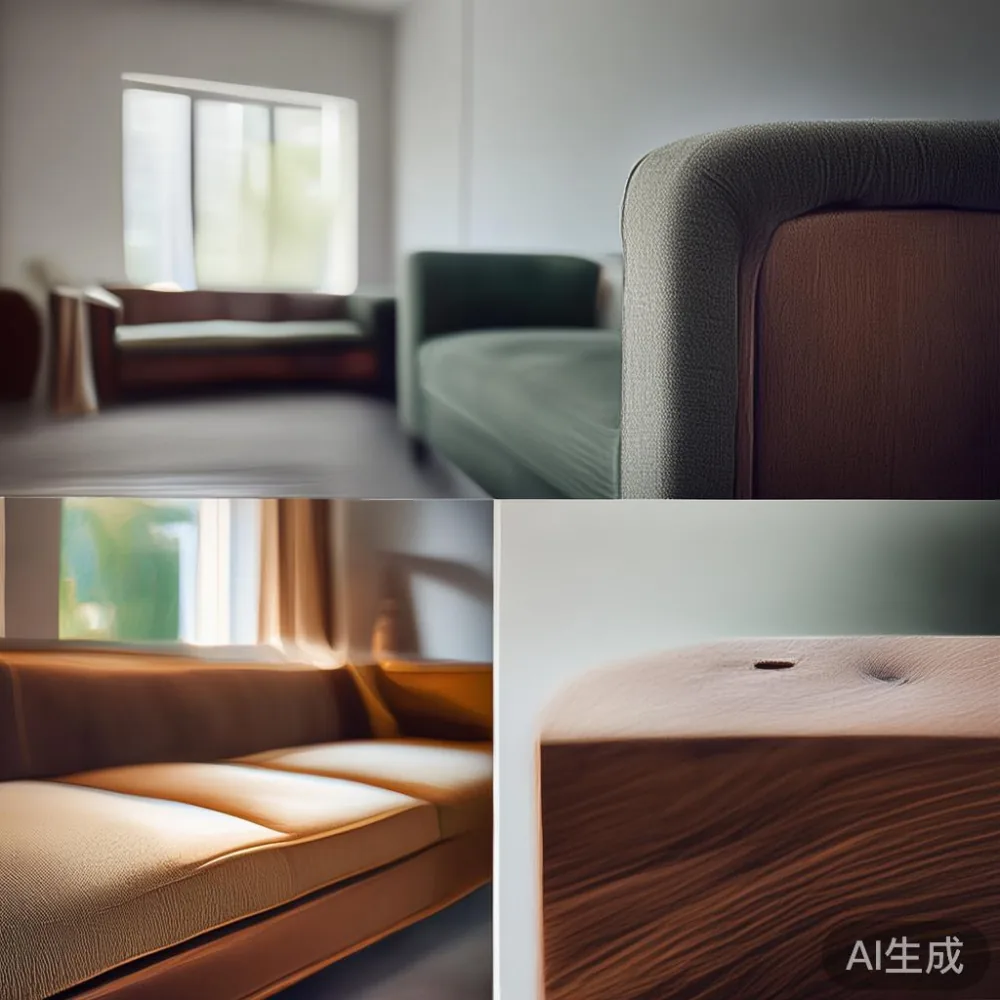
You will usually see three real failure patterns in Singapore homes:
1. Tone clash between the sofa frame and the floor. A 2024 survey by a regional interiors portal noted that 62% of colour-mismatch complaints involved the frame, not the upholstery.
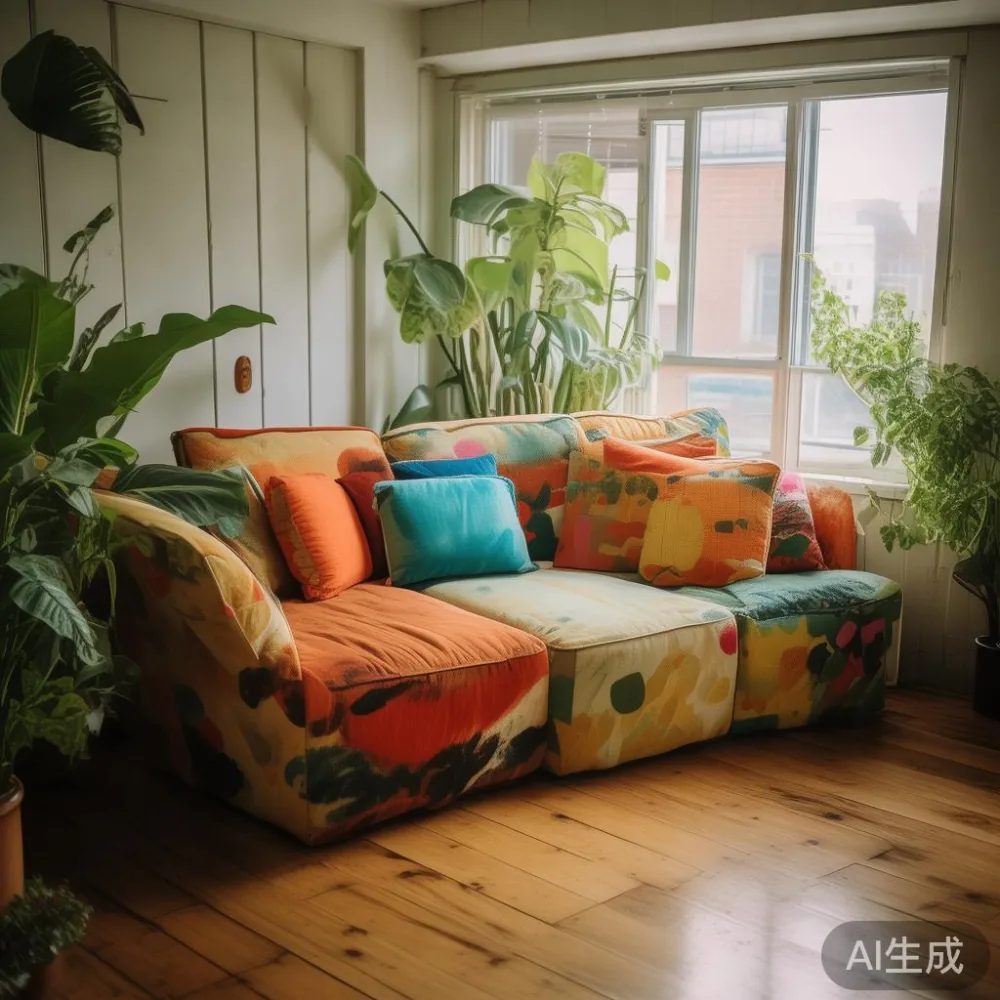
2. Dye-lot drift between two pieces bought months apart. A wardrobe delivered in March and a nightstand delivered in May, both labelled "oak", can sit two shades apart because the supplier changed production batches.
3. Finish reflection. Matte fabric next to a polished marble table can make the fabric look flat and the marble look cold, even if both were picked in a sunlit showroom.
How do I care for a desk in humid weather?
Wipe it down twice a week with a dry microfibre cloth, run a dehumidifier to keep indoor relative humidity between 45% and 55%, and never place a desk directly against an exterior HDB wall where condensation forms, because a solid wood surface will absorb that moisture and the finish will bloom within a season.
That same humidity rule applies to any sofa with a solid wood frame or a marble-topped side table. Singapore's average humidity runs 70% to 85% for most of the year, and corridor air in older blocks like those around Punggol can push that higher. Ask the supplier three questions: what is the moisture content of the kiln-dried wood at the time of packing (a reliable answer is 8% to 12%), what is the tolerance for colour variation between the display sample and the production run (a 5% to 10% Delta-E is industry standard, anything more is a flag), and what happens if your delivered frame is visibly outside that tolerance.
What measurements do I need to write down before I order?
Measure six things and write them in centimetres, not inches. Singapore corridor widths in HDB blocks typically run 1.2 m to 1.5 m, and lift cabins in newer BTOs are about 1.1 m deep by 1.4 m wide with a door opening of roughly 0.9 m. A three-seater sofa that ships at 2.1 m long will not pivot through either if you forget to check. MIDHILL publishes a packing-size spec sheet for every solid wood sofa, bed frame, and dining table in its catalogue, which is the kind of detail you want before you pay a 9% GST deposit.
The six numbers:
1. Sofa length, depth, and back height in cm. Tape your existing one against the wall first.
2. Front-door width and diagonal at your HDB unit. Older flats in Bedok often have doors under 0.9 m.
3. Lift door width and cabin diagonal. Add 10 cm clearance for the foam wrap.
4. Corridor turning radius at the landing. A 1.2 m corridor needs a piece no longer than 1.8 m if you cannot remove the legs.
5. Total packed weight. A solid wood sofa for three adults can weigh 85 kg to 120 kg. Confirm whether the delivery crew is two or three men, because a 110 kg carton up a Punggol walk-up is a different job from a ground-floor condo drop.
6. Component weight of the heaviest single box. Movers in Singapore will not carry more than 25 kg per person up stairs without a trolley. If the box is 60 kg, you need a third pair of hands.
How do I judge a fabric or leather I cannot touch?
Ask for a 10 cm by 10 cm swatch, hold it under your own lights, and lay it next to the other furniture already in the room. A swatch costs a supplier under SGD 3 to courier locally, and any Foshan workshop serious about export will send one without complaint. If they refuse, treat that as a signal.
For fabric, ask for the Martindale rub count. Anything under 30,000 rubs will pill within two years of daily use. Anything over 50,000 is contract-grade. For genuine leather, ask whether it is full-grain, top-grain, or split. Full-grain is the only option that ages well on a light luxury frame; the other two will start flaking at the seat within 36 months. For a marble table accent, ask for a sealed finish and a separate care card, because acidic food spills will etch unsealed surfaces in under a minute.
Priya eventually ordered two swatches from MIDHILL, paid SGD 18 for courier, and taped them to her living room wall for three days. The fabric that looked perfect under the showroom spotlights read muddy next to her existing wardrobe. The one she almost rejected, a cool oat linen, turned out to match. She saved herself a SGD 2,400 mistake by paying SGD 18 first.
What should the contract and warranty say in plain English?
Read the warranty for what it excludes, not what it covers. A 10-year structural warranty on the frame is a strong signal, because most frame failures from dry-racking or joint loosening show up between years 4 and 7. A lifetime refinishing offer, which MIDHILL includes on its solid wood ranges, means you are not stuck with a finish that yellows or splits after a decade of Singapore sun through east-facing windows.
Check five contract items in writing:
1. Dye-lot guarantee. The piece you receive should be within 5% to 10% Delta-E of the approved swatch. Put a refund or replacement clause in the contract if it is not.
2. Delivery lead time, in calendar days, not weeks. 35 to 50 days from Foshan to a Singapore warehouse is normal. Anything under 25 days is either air-freighted at a cost you will pay, or a risk you do not want.
3. Returns window. 14 days is the local norm and matches what MIDHILL publishes. Inspect on day one, photograph any colour mismatch in daylight, and file the claim on day two.
4. Free shipping threshold. Anything over US$350 to a Singapore forwarder is the typical break. Below that, expect SGD 80 to SGD 150 in freight.
5. Refinishing terms. Is collection included? Are touch-ups charged per hour? A clear answer saves you a fight in year eight.
Why does Scandinavian oak entryway furniture set the tone for the rest of the room?
Scandinavian oak entryway furniture sets the room tone because the entryway is the first surface the eye lands on after the corridor, and a pale, low-grain oak reads as a neutral that almost any sofa fabric, marble table, or bed frame can be matched against without clashing. A Scandinavian oak entryway bench, a shoe rack, or a small console gives you a stable colour anchor in the room, and that anchor is what protects the rest of your purchases from colour mismatch. In Priya's flat, a light oak console from the same supplier line as her eventual sofa meant the wood temperatures already matched, so she only had to focus on the fabric against the console, the dining table, and the nightstand. That narrowed her decision from nine variables to three.
Use the entryway as a calibration surface. If your entry piece is warm honey, the sofa should lean warm. If it is whitewashed and pale, the sofa can carry a cooler grey. If it is a dark walnut, you can go either direction, but you have already built in a contrast point that will frame the room for the next decade.
What does a sensible Singapore delivery and assembly plan look like?
Plan it before the container is on the water, not after it lands. A 40-foot container from Foshan to Singapore takes 6 to 9 days by sea, plus 3 to 5 days for customs clearance, plus 7 to 14 days for last-mile warehouse processing. Add 2 days for local delivery scheduling in peak periods like the Great Singapore Sale or the year-end clearances. Realistic total: 18 to 30 days from order to doorstep if the item is in stock.
Confirm the assembly crew will remove packaging, take it down to the corridor bin centre, and bring the sofa in sections if the lift cannot take the full carton. A solid wood sofa in three sections, each under 35 kg, is a different delivery from a one-piece 95 kg box. Ask which one you are paying for, because the price difference is usually SGD 60 to SGD 120, and the cheaper option often means you and your father-in-law are doing the heavy lifting on a Sunday morning.
What is the single most important pre-purchase check I can do today?
Order the swatch, tape it to your wall, and live with it for 72 hours under your own lights. That is the move. It costs under SGD 25, it takes three days, and it will catch 80% of the colour mismatch problems that lead to returns, restocking fees, and arguments with your spouse. The remaining 20% is solved by the warranty, the dye-lot guarantee, and a 14-day returns window that actually honours its terms.
Buy the swatch before you buy the sofa. Everything else is secondary.