Humidity and Wood Furniture in Singapore: Preventing Color Mismatch
Singapore’s air can change quickly. A Tampines HDB flat may feel comfortably sheltered, yet the corridor outside the block lift remains warm and damp. A Bedok condo can have a dry, air-conditioned bedroom and a humid balcony only 8 metres away. Punggol families often notice the seasonal pattern too: relative humidity rises during the monsoon periods, while apartments with powerful air-conditioning can become unusually dry at night.
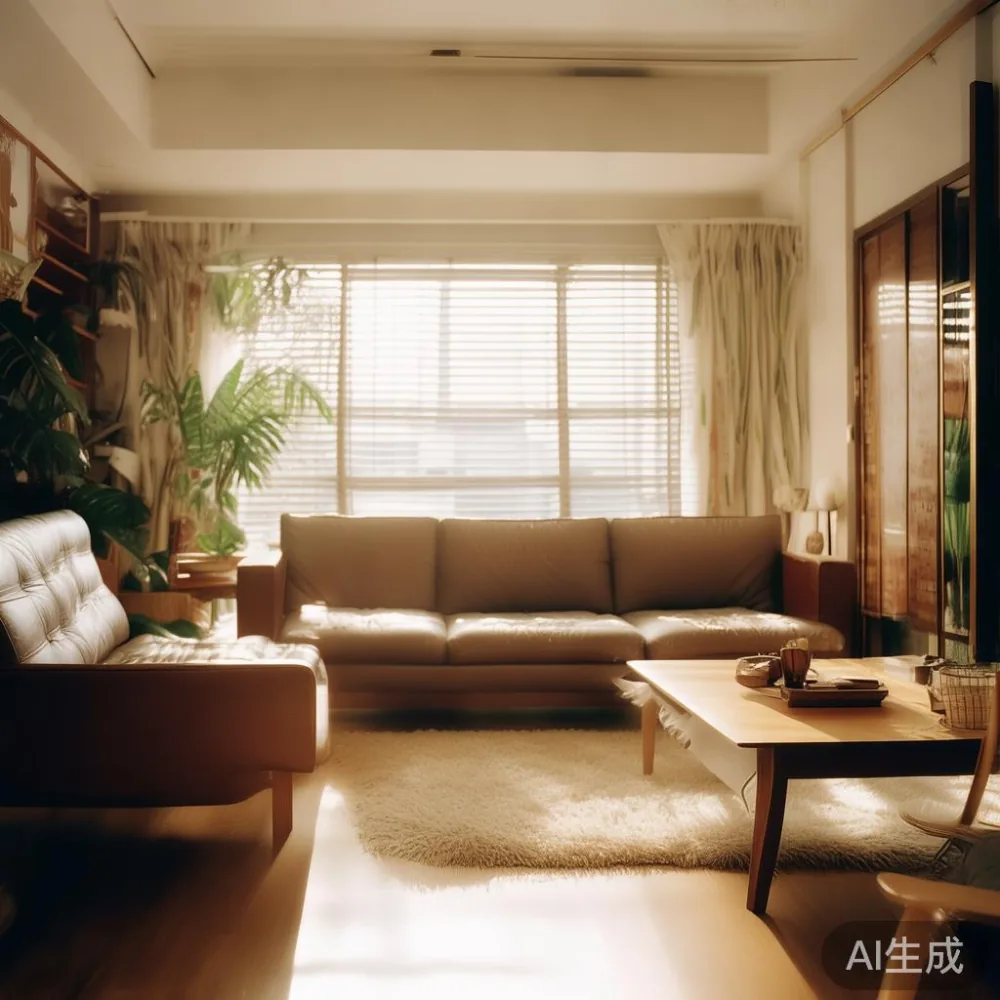
For solid wood furniture, humidity is not a cosmetic inconvenience. Moisture enters and leaves timber fibres, causing expansion, contraction, joint movement and surface changes. One early sign is a visible color mismatch between panels, boards or components that should have been finished together. Another is a faint bow in a long dining table door. These changes can develop even when the furniture was correctly made.
MIDHILL builds solid wood furniture in Foshan, where humid conditions are part of normal production rather than a rare exception. Its 10-year structural warranty reflects an emphasis on construction, while the lifetime refinishing service gives long-term owners a path for restoring the surface. The practical question, however, remains: how do you choose, receive and care for wood furniture in Singapore so that humidity does not spoil its appearance?
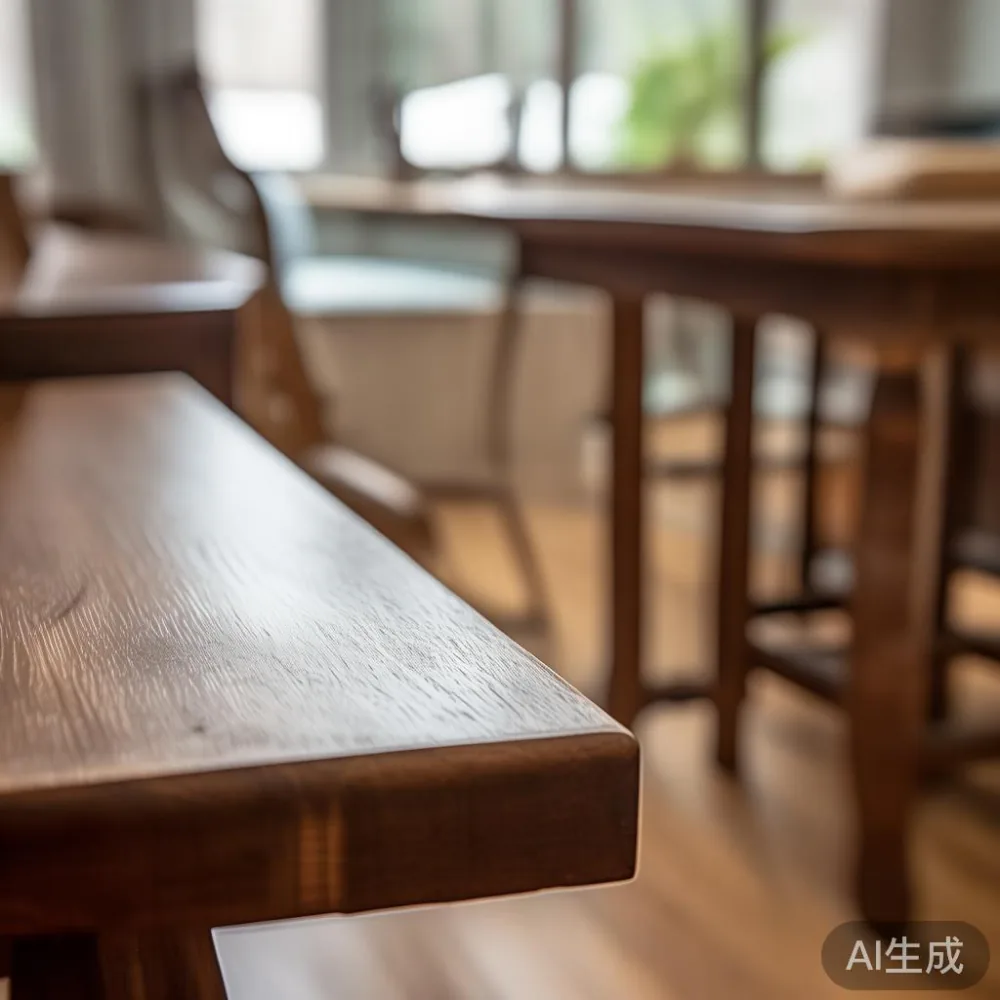
Why does humidity cause a color mismatch in solid wood?
Wood is hygroscopic, meaning it naturally exchanges moisture with the surrounding air. A solid oak dining table may expand by roughly 3–6 mm across its width as relative humidity moves from 40% to 80%. Oak, ash and other commonly used timbers differ in response, but the movement can open tiny gaps around doors, make drawer fronts sit unevenly and expose fresh timber beneath a finished edge.
A color mismatch can also occur before a piece reaches your home. Timber is often selected for grain, figure and color. Boards that look closely related in one room may become more distinguishable under warm LED lighting. If lacquer or oil is applied during inconsistent humidity conditions, the finish can absorb at different rates. The result may be a faint tonal variation between one tabletop section and another.
At home, the same process continues. Direct afternoon sun can heat one side of a cabinet to 36°C while the opposite side remains near 25°C. A kitchen or balcony cabinet may sit in 70% humidity, whereas a bedroom beside an air-conditioning vent may fall below 40%. That 30-percentage-point contrast is enough to make finishes respond differently over time.
Color mismatch is therefore not always a production fault. It may be the visible effect of wood movement, unequal finish absorption, lighting, aging or a change in moisture content. That distinction matters. A structural defect should be addressed under warranty; natural tonal variation may require adjustment to placement, routine care or refinishing.
What relative humidity level is comfortable for solid wood furniture?
For most residential solid wood furniture, an indoor relative humidity range of about 40–60% is a sensible target. Southeast Asian humidity often exceeds 60% for long periods, so controlled indoor conditions are more practical than expecting timber to remain untouched.
Use a calibrated hygrometer rather than guessing. Place one near a bed frame or wardrobe, not directly against an exterior wall or beside a bathroom. Check it at about 9 a.m. and 9 p.m. over 7 days. If readings move between 45% and 58%, the room is reasonably stable. If they climb above 65% regularly, consider a dehumidifier or improve ventilation. If they fall below 35%, review the air-conditioner setting and avoid directing cold air straight at the furniture.
Keep a sensible distance from heat and moisture sources. Leave at least 30 cm behind a wardrobe where possible, and 60 cm from a kitchen sink or washing area. A nightstand should sit at least 1 metre from a bathroom doorway if layout permits. For balcony use, choose furniture rated for outdoor conditions rather than treating an indoor solid wood wardrobe as weatherproof.
Small adjustments can protect a larger investment. Wipe a dining table with a damp cloth and dry it within 5 minutes. Use coasters that measure at least 8 cm across beneath cups, bowls and hot pans. Maintain 5–8 cm between a floor lamp and a cabinet side if the lamp produces substantial heat. These habits reduce repeated moisture and temperature cycles.
Can Singapore HDB flats and condos keep wood furniture stable?
Yes, with deliberate environmental control and realistic use of space. HDB layouts often place bedrooms, living rooms and kitchens near service areas, while newer condos may have larger windows, balcony doors and stronger air-conditioning. Neither environment is inherently unsuitable for solid wood. The difference is whether the timber is protected from prolonged exposure and whether the finish can be maintained.
In an HDB flat, watch the transition between a corridor and an air-conditioned living room. Lift lobbies and access decks can remain humid even when the home is dry. Do not leave a new solid wood sofa in a corridor or store it beside a bin recess while awaiting delivery. A Bedok resident may have only 5–10 cm between a sideboard and the wall, reducing airflow. Pull the piece forward by 10 cm and leave a 5 cm gap when dust-cleaning.
Condo owners should consider sun exposure. A west-facing balcony in Singapore can exceed 32°C and receive strong ultraviolet light. A dining table moved beside that balcony may finish one side faster than the other, creating a color mismatch over 2–3 years. UV-filtering blinds with an opacity rating above 70% can moderate exposure while retaining daylight.
Airflow also matters during delivery. A new bed frame may arrive wrapped in plastic and protective foam. Keep it wrapped for the shortest practical period, usually no more than 24 hours after it enters the home. Remove the outer plastic only after the furniture has acclimatised to room temperature for about 12 hours. This reduces condensation on the surface.
Will different finish types react differently to Singapore humidity?
Yes. Lacquer, hardwax oil, matte paint and conversion finishes each have different moisture tolerances and repair methods. A clear lacquer is visually clean and smooth, but scratches can expose a lighter layer if the topcoat is breached. A hardwax oil supports a tactile, post-modern light luxury appearance, although more frequent care may be needed in humid conditions.
Ask the supplier for the exact finish system rather than a vague description such as “wood finish.” The answer should identify the coating, sheen level and maintenance interval. A production detail worth confirming is whether sample boards were conditioned at a controlled moisture content before finishing. For many interior applications, manufacturers work around 8–12% timber moisture content, adjusted to the destination climate.
Marble table tops need a different moisture discussion. Marble is less prone to wood-style expansion, but it can react to acids and may show etching near citrus juice, wine or a wet ring left from a glass. Use a neutral pH stone cleaner and wipe spills within 10 minutes. A marble table can also be paired with a solid wood base, so protect the joinery from floor moisture with felt pads beneath every leg.
Delivery handling can create an apparent color mismatch before the finish ever reaches your home. A corner protector should cover all exposed edges, and a dining table should travel upright when the maker’s instructions allow. A 180–200 cm table usually requires careful lift coordination. Check that the lift door and cabin are at least 82 cm wide and 210 cm high, and that the internal corner measurement can accommodate the tabletop. For a larger marble table, professional stair or crane delivery may be more appropriate.
How do I prevent color mismatch after a solid wood furniture delivery?
Begin by inspecting the piece before accepting it. Check panel tone under normal daylight and under the room’s warm or cool LED bulbs. Look for a continuous difference of more than a few shades between adjacent boards, not merely natural grain. Examine drawer gaps, door alignment, joint lines and any finish bubbles. Photograph each side with your phone so you have a dated record.
Let the furniture acclimatise before judging the final appearance. For most pieces, allow 3–7 days in the intended room with stable air-conditioning. Do not repeatedly wipe a suspected color mismatch; aggressive solvents can make the mismatch more visible. Record the room’s humidity at the same time.
Rotate small items such as a nightstand by 180° every 2 weeks if one side receives stronger light. Use the same cleaning method across all sides. Avoid homemade mixtures containing vinegar, lemon, ammonia or undiluted alcohol. A clean microfibre cloth, warm water and a small amount of pH-neutral wood soap are usually sufficient for routine cleaning.
For a solid wood sofa, keep the frame away from direct air-conditioning airflow and inspect the legs for floor contact. For a bed frame, leave space around the headboard and do not press damp bedding against untreated timber. For a wardrobe, maintain 3–5 cm clearance from a wet wall and check the bottom edge every 6 months. For a dining table, use a stable central placement rather than alternating between the balcony and air-conditioned dining area.
Make seasonal checks part of the ownership routine: inspect surfaces in March, June, September and December, with 4 readings per week. If the indoor range stays near 45–60%, maintenance will be easier. If a color mismatch develops but the joints remain sound, refinishing may be the appropriate corrective measure.
Is a light-luxury solid wood sofa suitable for a humid Singapore apartment?
Light-luxury furniture suits Singapore homes when its construction is suitable and its visual weight is controlled. French light luxury often uses pale upholstery, elegant profiles and subtle timber details. American light luxury tends toward generous proportions and a relaxed finish. Post-modern light luxury can combine clean lines with warmer, tactile surfaces.
In a compact Tampines flat, visual bulk matters more than humidity alone. A solid wood sofa with a width of 210–230 cm can fill a living room quickly, while a 180–200 cm model may preserve a 75–90 cm passage. Before ordering, measure the lift and corridor. A common corridor turning point may allow only a 100 cm wide handcart, so a sofa with a rigid 95 cm arm could still be difficult to manoeuvre.
Many owners researching for sale Modern furniture also compare low-profile designs with deeper seats. Check the frame, seat density and cushion recovery rather than relying on a style label. Upholstery should be breathable where possible, and removable covers can make humid-season care more practical. A sofa with solid timber legs and durable joinery gives better long-term confidence than a decorative frame that cannot be serviced.
For bedroom layouts, the question of European light luxury bed vs Modern bed often comes down to clearance and maintenance. A French-style bed frame may need 60–70 cm from a side wall for bedside access. A Modern bed can suit a narrower room, but its full-length side rails should not be placed against a humid exterior wall. If you are learning how to style Japanese sofa in apartment, begin with scale: a low sofa in a 3.5 m-wide living room can preserve a balanced Japanese-influenced composition without crowding the dining zone.
How should I plan delivery and assembly without damaging the finish?
Singapore delivery can take 5–14 business days for in-stock configurations, while custom pieces may require 6–10 weeks. Confirm the final access measurements before dispatch. In a condo, check the basement car park turning radius, passenger lift dimensions and the distance from the lift to the front door. For an HDB flat, include the walkway between the block entrance and lift, plus any tight 90-degree turns.
Protect floors with cardboard or felt pads. Do not place a newly delivered solid wood bed frame directly on a wet-cleaned floor while the surface is still damp. Assemble panels on a clean blanket rather than directly on tile. If the maker offers white-glove assembly, ask whether the crew removes packaging and checks alignment under the final room lighting.
For shoppers seeking Nordic for dining room ideas, a pale timber table can suit HDB and condo interiors, but Nordic design does not remove the need for climate control. Specify a finish suited to daily use and request a physical sample if the selection will be large. Kitchen tables should be protected from hot rice pots, sauces and standing water. Singapore’s 8% GST is included in the displayed retail price, so compare final SGD amounts rather than pre-GST figures.
MIDHILL provides free shipping above US$350, which is useful for international purchases, while local delivery arrangements and GST treatment should be confirmed for Singapore orders. The company’s 14-day return policy also gives buyers time to assess scale and visual tone in their own space. Furniture must remain unused and in its original packaging for a return to proceed.
What should I do if I already notice a color mismatch?
Do not assume the whole piece is defective or immediately apply a coloured oil. First measure the room’s humidity for 7 days, then inspect whether the tonal difference corresponds to direct sun, airflow, a damp wall or an adjacent heat source. If the difference appears on opposite faces and the readings vary sharply, relocation may reduce further variation.
Next, identify the finish. Contact the maker with photographs, the purchase date, room humidity readings and the furniture dimensions. For a genuine finish inconsistency, ask whether a spot treatment or full refinishing option is available. For natural grain and aging, a consistent refinishing plan across the entire surface will produce a more harmonious result than touching only one panel.
On a French provincial wardrobe or a French-style bed frame, color mismatch can be particularly noticeable because the design draws attention to carved edges and framed panels. Specialist advice is worth obtaining before coating the complete piece. On a solid wood sofa, inspect whether the visible difference comes from timber beneath removable cushions rather than from the main frame.
MIDHILL’s lifetime refinishing service is relevant for long-term wood ownership, although the exact service terms, finish compatibility and regional handling should be confirmed. A 10-year structural warranty addresses construction-related concerns; surface appearance should be handled through the relevant refinishing or after-sales process. The practical goal is not to eliminate natural wood variation, but to prevent avoidable movement and keep the finish visually coherent.
How do I keep solid wood furniture beautiful for 10 years or more?
Stable conditions, restrained cleaning and timely repairs are more dependable than a complicated maintenance routine. Keep the home between roughly 40% and 60% relative humidity where feasible. Clean surfaces every 1–2 weeks, inspect moving parts every 6 months and check for damp contact after heavy rain. Use coasters, placemats and felt pads, and move tall furniture away from exterior walls.
For a dining table, treat the top gently and avoid abrasive pads. For a bed frame, tighten or check joints at the 6-month mark and keep textiles from trapping moisture. For a wardrobe, allow ventilation behind the carcass and adjust the base if floor conditions shift. For a nightstand, keep drinks in stable holders and dry any ring promptly. A marble table needs pH-neutral cleaning and prompt spill removal.
Humidity will continue to shape solid wood furniture in Southeast Asia. The goal is to reduce abrupt changes, not pretend that timber never moves. When humidity is controlled, doors close cleanly, joints remain firm and a color mismatch is less likely to become distracting. Choose the scale for your Singapore home, confirm access dimensions, understand the finish and inspect the piece in its final lighting. That combination of careful selection and regular care protects both appearance and structure for many years.