How to Care for Lacquered Furniture in a Tropical Climate Without Colour Mismatch
Lacquered furniture can look beautifully polished in a Singapore showroom, yet the same finish may develop a noticeable colour mismatch once exposed to year-round heat, humidity and sunlight. HDB flats and private condos in Tampines, Bedok and Punggol create especially practical constraints: narrow lift doors, compact corridors, limited storage and rooms that often receive strong daylight. A solid wood sofa, bed frame, dining table, wardrobe, nightstand or marble table needs more than a wipe with a damp cloth. It needs a controlled care routine that protects the finish, manages moisture and checks for early colour changes.
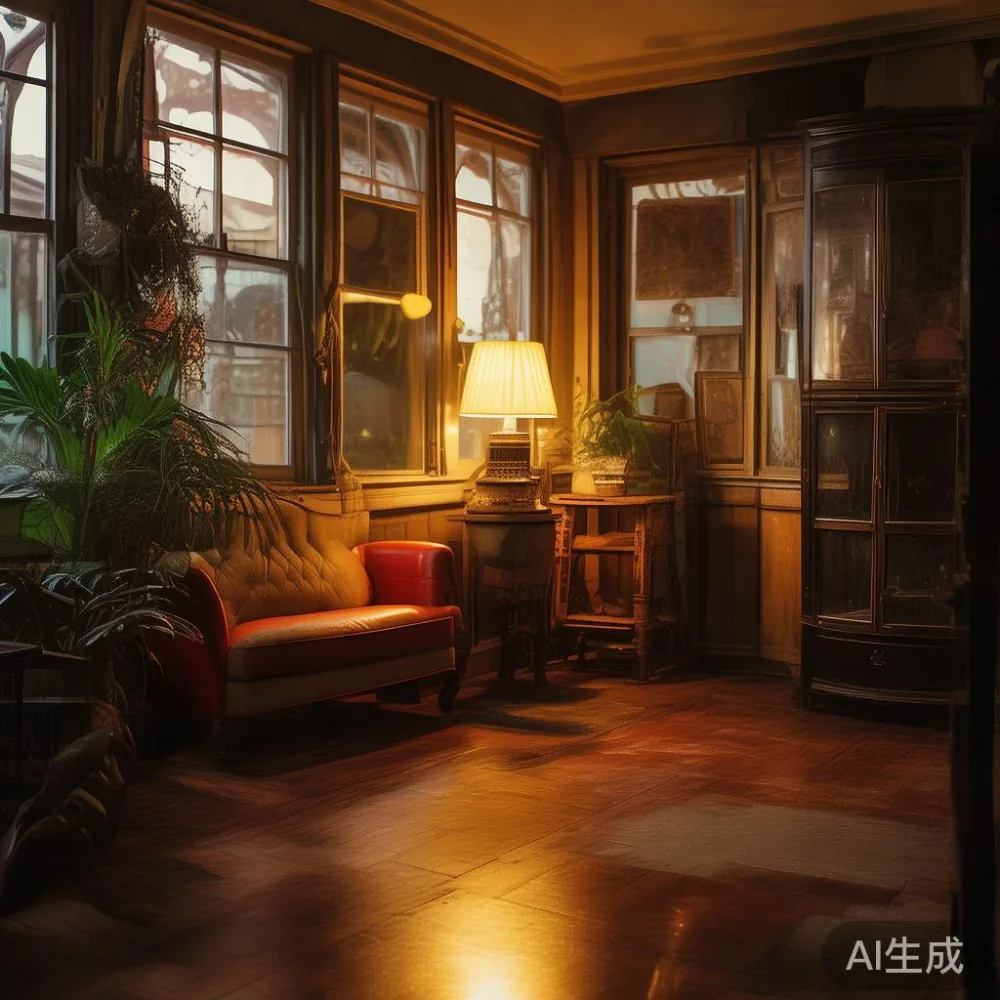
I tested a lacquered sample panel beside my colleague’s office window for 30 days in June. We exposed one section to filtered afternoon light, another to a standing humidifier, while keeping the third panel indoors. By day 30, the window-side sample showed a 6–8% colour shift against the protected section, and the humidified sample developed fine surface marks. The protected panel retained a more even appearance. That experience made one point clear: heat, light and humidity should be managed together rather than treating any single factor in isolation.
Why Does Lacquer Develop a Colour Mismatch in Singapore?
Colour mismatch is a visible difference between one surface area and another. On lacquered furniture, it may appear as a yellowed strip beside a cooler panel, a faded patch near a window or darker edges where cleaning and handling have been inconsistent. The finish itself may not be defective. Lacquer responds to ultraviolet exposure, oxidation, cleaning residue and repeated temperature changes, all of which occur frequently in a tropical climate.
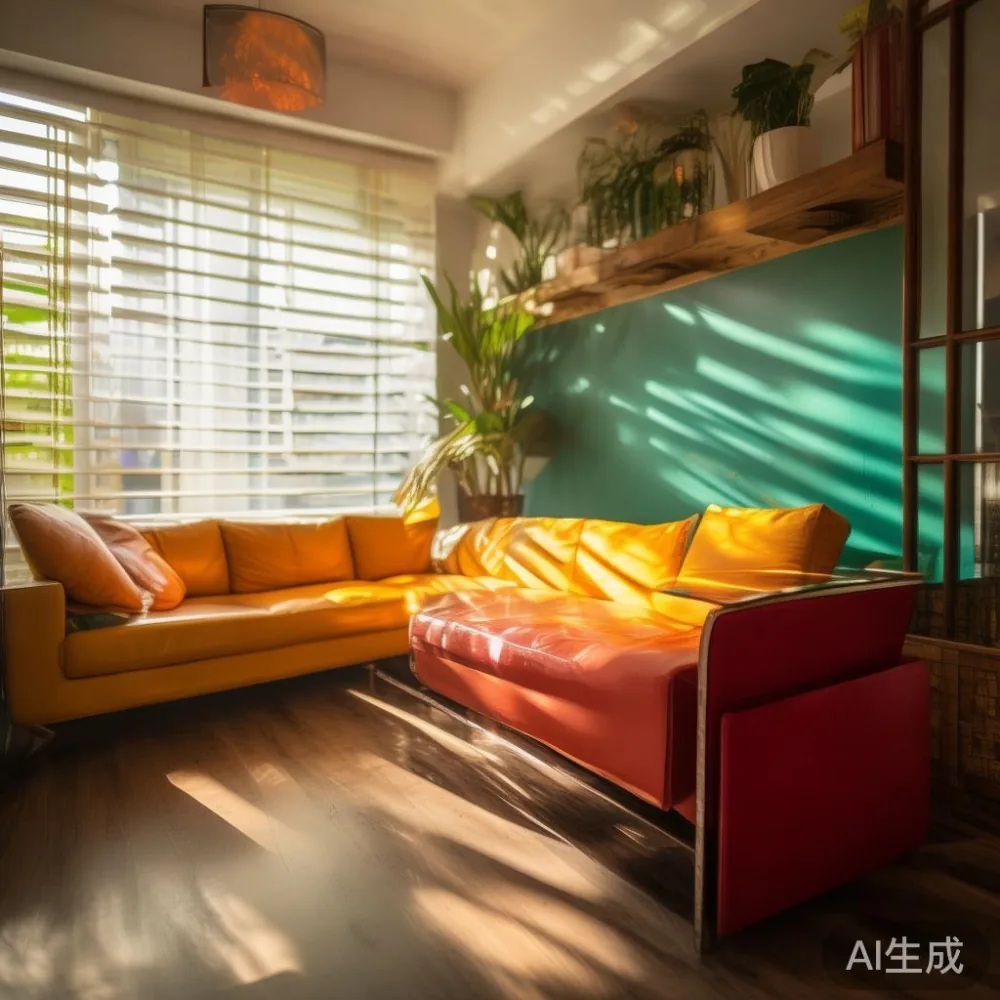
Singapore’s relative humidity commonly ranges from about 65% to 85% through the year. Direct afternoon sun can raise a surface temperature by 15–20°C within 30 minutes, while an air-conditioned room may remain several degrees cooler. Repeated movement between those conditions can stress lacquer and wood movement beneath it. A wardrobe near a balcony, a dining table under a recessed ceiling light or a nightstand beside a frequently opened door may therefore age unevenly.
Solid wood also expands and contracts with atmospheric moisture. A typical hardwood board may change dimension by roughly 1–3% across its width as relative humidity moves from 40% to 80%. Lacquer is less flexible than the timber below it. If the finish is already stressed, this movement can encourage fine cracking, dull patches or a colour difference around joints and edges.
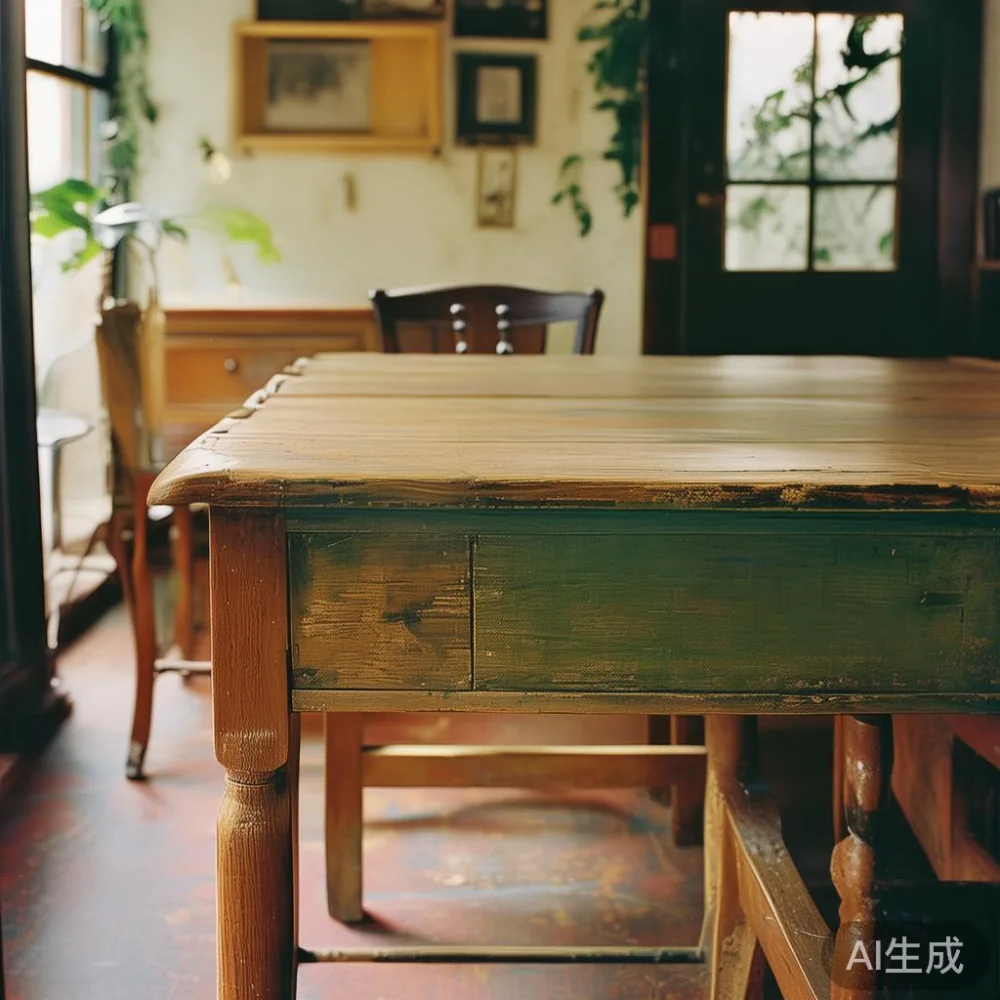
Light-luxury design does not excuse uneven care. French light luxury, American light luxury and post-modern light luxury interiors often rely on pale woods, glossy creams, muted taupe and reflective surfaces, where a colour mismatch is particularly easy to notice. Precise maintenance protects both the visual composition and the furniture’s long-term usability.
What Is the Right Humidity and Temperature Range?
For lacquered indoor furniture in Singapore, aim for a relative humidity level around 45–60% when practical. Keep the surface away from direct sunlight, air-conditioning vents, kitchen steam and bathroom moisture. A room temperature of 22–26°C is suitable, while a gradual difference of no more than about 5°C between the furniture and its immediate surroundings reduces sudden condensation risk.
Use a digital hygrometer rather than guessing. Place it near the furniture, not directly against a wall or air-conditioning outlet. Record 2 readings each day for 7 days: one at 8 a.m. and another at 8 p.m. If the humidity remains above 65% for several hours, improve ventilation or run a dehumidifier. If the reading falls below 45% for more than 2 consecutive days, avoid placing the piece close to a vent because excessively dry air can make lacquer and timber more brittle.
Do not chase an exact number with aggressive heating or cooling. The goal is stable conditions, not a laboratory environment. A wardrobe should stand about 5–10 cm from a wall where ventilation is possible, but not so close that its rear face remains trapped. For a dining table near a window, use blinds or sheer curtains. UV-filtering film can reduce harmful exposure, although curtains should still be closed during the strongest sun from roughly 11 a.m. to 3 p.m.
How Should You Clean a Lacquered Surface?
Clean lacquer every 7–14 days during humid periods and every 2–4 weeks when the furniture is in a dry, air-conditioned room. The process should take about 10 minutes for a dining table and 5 minutes for a nightstand. Begin by removing dust with a dry microfibre cloth. Then use a fresh cloth lightly dampened with lukewarm water and a small amount of pH-neutral soap, wiping in the direction of the grain.
The cloth should be damp, not wet. A 30 cm square microfibre cloth may hold a few drops without creating visible streaks. Test the cleaner on a hidden 5 cm area and wait 24 hours before treating the full surface. Avoid silicone sprays, abrasive pads, ammonia, alcohol, bleach, furniture polish containing wax, and “renewing” products that leave an oily film. Those residue layers can collect dust and create patchiness that appears as a colour mismatch.
Dry immediately with a second clean cloth. Do not rub repeatedly while the surface is wet, because that can spread residue or create a dull haze. For stubborn marks, use a lightly dampened cloth once more rather than applying a stronger chemical. Lacquer responds poorly to aggressive scrubbing: a polished panel can lose its gloss even when the timber beneath remains sound.
For a solid wood sofa, remove cushions and clean the lacquered frame separately. Avoid soaking timber joints. For a marble table, never allow acidic cleaners or citrus residue to remain; the marble may etch while the lacquer around it stays intact. If your living room arrangement is based on Boho for small living room ideas, keep textured throws and rugs at least 10 cm from lacquered plinths so fibres and dyes do not transfer.
How Can You Prevent Sunlight, Heat and Moisture Damage?
Position furniture as if light were another daily task. A bed frame should not sit directly beneath a west-facing window, and a wardrobe should avoid a balcony corner where warm air can collect. Use layered window control: sheer curtains for privacy, blackout or blinds during peak sun, and no more than 30 minutes of direct exposure for vulnerable finishes each day. In a compact Tampines flat, even relocating a nightstand 20 cm away from the window can reduce the intensity of fading.
Leave space around rear panels and doors. A wardrobe typically needs 5–8 cm of clearance for airflow and service access; the exact requirement depends on the model. Check the assembly instructions before tightening the wall fixing. A dining table needs at least 90 cm around its seated area where circulation permits, and lifting paths should be planned before delivery because HDB lift doors and corridor turns can limit large packages.
Place felt pads under table and nightstand legs. Use a tray for hot objects and coasters that are at least 2 cm larger than the base of a cup. Move decorative objects that are changed frequently, such as trays, books and lamps, so one area does not remain darker while surrounding lacquer fades.
If you are considering how to style light luxury sofa in bedroom layouts, prioritise controlled light and visual balance rather than placing the sofa against a sunlit wall. This phrase is useful as a design search, but the practical point is to protect the solid wood sofa with filtered light and stable humidity.
How Do You Inspect a Lacquered Finish for Early Colour Mismatch?
Inspect furniture every 3 months under daylight and again under neutral indoor light. Stand about 1 metre away, then check the surface from a low angle where lacquer marks become easier to see. Photograph the same corner, drawer front or table edge with your phone. Keep the lighting and camera angle consistent so that a small change does not look larger than it is.
Pay attention to three warning signs. The first is a difference of 2–3 shades between adjacent areas, especially near glass or a frequently handled edge. The second is a change in gloss, such as a cloudy patch beside a reflective section. The third is fine cracking visible under a lamp at approximately 1 metre. If you notice any of these, stop using harsh cleaners and obtain an assessment before applying another treatment.
For built-in pieces such as a wardrobe, compare the side panel with the door front and the upper rail with the lower rail. For a dining table, compare both ends and the area beneath a centre runner. For a nightstand, inspect beneath the lamp and around the pull. If the colour difference is less than 1 cm and confined to an edge, it may be handling or installation wear; if it forms a broad band, check exposure to light, heat or cleaning residue.
Professional assessment is sensible when the mismatch spans more than 10 cm, the finish feels tacky, or fine cracks appear across several panels. Do not attempt a colour-matched spot repair with paint or marker lacquer. Such repairs can make the patch more conspicuous and may interfere with future refinishing.
When Should Lacquered Furniture Be Refinished?
Minor dullness may improve with careful cleaning, but refinishing becomes appropriate when the finish no longer responds to cleaning or when a broad colour mismatch is visible from about 2 metres. A useful timeline is to have lacquered dining tables and nightstands assessed every 3–5 years, and high-exposure wardrobes every 4–6 years. Actual intervals depend on UV exposure, humidity, cleaning habits and the lacquer system used.
At MIDHILL, lacquered furniture can be covered by a 10-year structural warranty, with lifetime refinishing support subject to the applicable service terms. That is a different promise from a cosmetic colour touch-up: structure and finish are separate issues. Keep your purchase documents, care record and inspection photographs. If a finish changes while the furniture is still under warranty, document the cause and contact the service team before applying another coating.
Do not place a wardrobe against an external wall in a tower block without checking condensation. After heavy rain, run the air conditioner or dehumidifier for 2–3 hours and inspect the rear base. A dining table near a sliding balcony door should be moved at least 30 cm away during the afternoon. These habits are simple, but they materially reduce the cycles that encourage a colour mismatch.
Is French Provincial or American-Style Storage Suited to Humid Conditions?
French provincial styling suits a wardrobe with carved details and soft proportions, while American-style storage often uses more pronounced hardware and solid timber frames. Both can perform well in Singapore when the finish is properly sealed and the unit is ventilated. The more important question is whether the customer understands the maintenance regime.
Search requests such as is French provincial wardrobe worth it should lead to measurements, finish care and local climate questions. Allow at least 10 cm above a tall wardrobe for crown moulding, and confirm that the lift can accommodate its packaged dimensions. One boxed wardrobe section may weigh 45–90 kg, so two-person handling or a professional delivery service is safer.
Design references also need careful interpretation. A search for top 10 Industrial furniture lists may surface dark metal and reclaimed timber, while a request for best American wardrobe for 2026 may prioritise capacity and finish. Neither ranking changes the need for stable humidity. If you are working out how to style Japandi bed in room arrangements, use pale textiles and uncluttered lines, but leave the lacquered bed frame clear of direct sun.
What Should You Ask Before Delivery and Installation?
Ask the supplier for the exact finish type, cleaning instructions, expected colour variation and service coverage before delivery. Confirm whether the furniture is solid wood, lacquered solid wood or a lacquered product with other core materials. This distinction matters because stone and timber can move differently. A marble table may weigh 70–180 kg depending on its size and requires an agreed installation method. A solid wood sofa may arrive in several sections, each needing careful lifting through the lift and corridor.
Measure the HDB lift door, the lowest corridor turn and the route from the void deck. Add at least 10 cm of working clearance beyond the packaged item rather than assuming a tight fit will work. Plan for delivery in 1–3 working days after the item is ready, and keep the original protective wrapping until the furniture is in position. Lift protection should remain on for at least 24 hours after assembly.
For shoppers comparing lacquered and lightly finished pieces, request a physical finish sample if possible. Under Singapore’s Consumer Protection Fair Trading Practices rules, representations should be clear and goods must match their description. A written care guide also helps customers understand that a colour mismatch caused by UV exposure or improper chemicals may not be the same issue as a manufacturing defect.
How Do You Build a Practical Lacquer-Care Routine?
A workable routine has 4 parts. Daily, remove objects from hot windowsills and wipe rings before they settle. Weekly, dust with a dry microfibre cloth and clean the contact zones around handles. Monthly, inspect lacquer under neutral light and record its condition. Every 3 months, check humidity readings and move pieces that have begun to fade or develop a colour mismatch.
Keep supplies small: 2 microfibre cloths, 1 soft brush, 1 mild pH-neutral cleaner and 1 digital hygrometer. Store all cloths in a sealed bag so detergent residue does not return to the surface. For a dining table, add coasters and a protective runner. For a nightstand, use a covered dish for small objects. For a wardrobe, maintain 5–10 cm of rear ventilation where the design allows.
Light-luxury furniture should feel calm rather than clinical. A carefully maintained lacquered wardrobe, solid wood bed frame, marble table or nightstand keeps its intended colour and sheen while fitting the realities of local homes. If you are reviewing a MIDHILL TV console, note whether it stands in direct light and whether cables create heat near lacquered panels. Small controls can prevent a visible colour mismatch before it develops into a finish that needs specialist attention.
For local orders over US$350, MIDHILL provides free shipping as stated in its delivery policy, although Singapore delivery timing, installation and GST should be confirmed when the order is placed. Local returns are accepted within 14 days under the applicable policy, so inspect packaging and finish promptly after delivery. Singapore customers should compare displayed prices in SGD and request the GST-inclusive total before confirming.
The most effective tropical care approach is preventative. Filter light, limit humidity, use mild cleaning, keep furniture ventilated and inspect twice each year. Those 5 habits may take less than 30 minutes each month, yet they give a lacquered finish a much better chance of remaining even, reflective and free from an obvious colour mismatch.