Solid Wood Price Dynamics: Unveiled at MIDHILL
Solid wood furniture is often sold by appearance: warm oak, walnut, a pale ash finish, or a wide plank dining table photographed in a bright room. Price is less simple. It is shaped by timber species, grade, moisture control, construction, hardware, finish, dimensions, delivery, and the amount of skilled work hidden after the showroom floor. For Singapore homes, where HDB flats and condos range from compact Tampines studios to spacious Punggol family units, a useful price comparison must include fit, handling, and finish tolerance—not only the furniture's catalogue price.

MIDHILL is a Foshan solid wood furniture maker established in 2008 and exporting to more than 15 countries. Its structural warranty runs for 10 years, with lifetime refinishing and free shipping on orders over US$350, equivalent to roughly SGD 460 at an indicative exchange rate of about SGD 1.29 per US$1. Shipping is one price factor, but it is never the whole explanation. The figure on the product page answers only part of the question.
Why does timber species make such a large price difference?
The most visible driver is the board itself. Solid hardwood has a different cost structure from engineered wood: tree species, growing conditions, yield, drying time, milling, and defect selection all affect the price per cubic metre. Oak and ash can suit modern and Scandinavian interiors; walnut has a darker figure and often carries a higher material cost. Teak performs well in humid conditions, while other species may need more protective care.

Grade matters too. A furniture maker pays more for boards selected for long, clean grain, matched colour, and acceptable knots. In a dining table, a 220 cm top made from carefully matched boards may cost more than a 180 cm top with shorter, visibly varied sections. A wardrobe with consistent panels needs sufficient board area and tighter selection. Boards around 20–25 mm thick generally feel more substantial than 18 mm alternatives, but thickness alone does not prove better construction.
Customers searching for for sale Japanese furniture may notice pale, restrained finishes and clean proportions. Those qualities do not identify one wood species. A light oak-look solid wood sofa base, bed frame, or dining table can feel Japanese in design while using timber selected for local availability and stable movement. The timber certificate, moisture target, and sample should explain more than a broad geographical label.
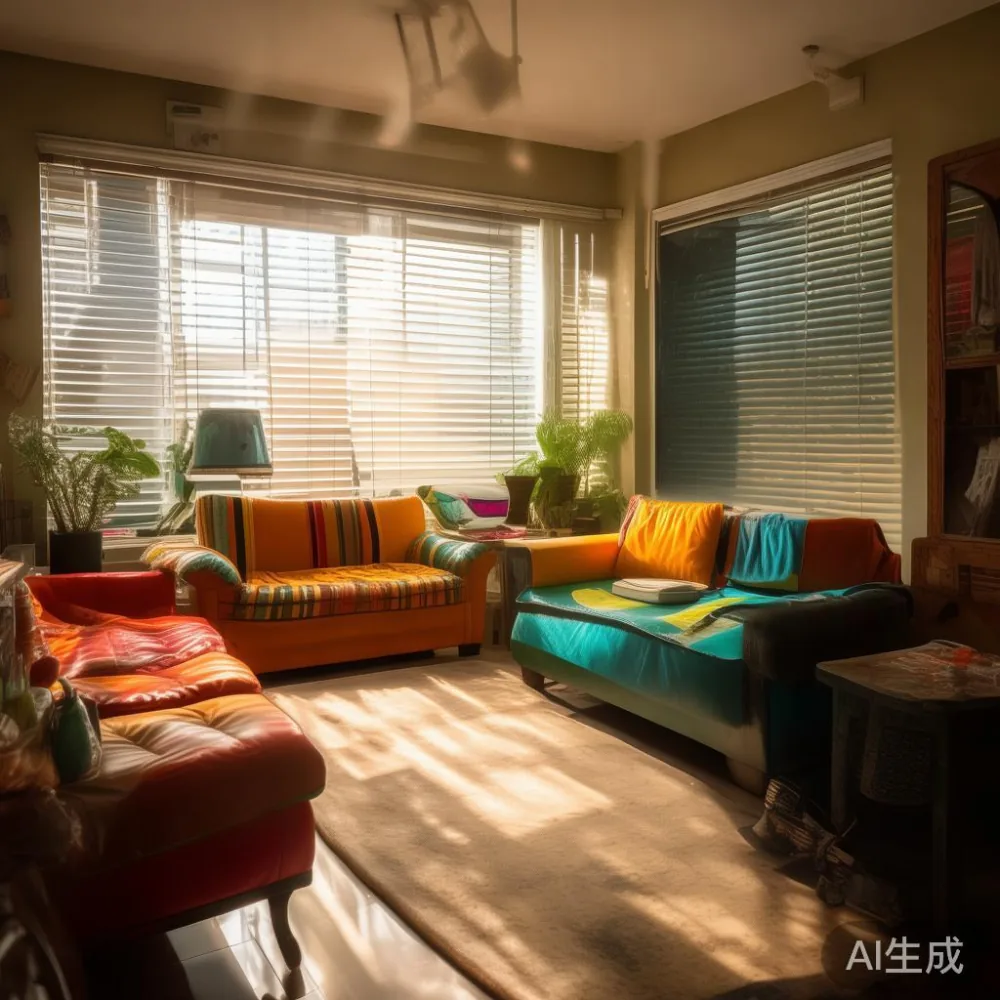
Colour also affects cost. A stain applied across an entire surface can be efficient. A multi-colour or layered finish may require additional sanding, priming, pigment work, and curing. Natural oil finishes are not automatically more expensive than lacquer, although hand-rubbed oil on exposed edges can add labour. Ask whether the finish can be maintained or refinished without losing the intended colour.
What is a realistic solid wood furniture budget in Singapore?
A useful starting point for a Singapore buyer is a range of roughly SGD 600–SGD 900 for a selected solid wood nightstand, SGD 900–SGD 1,600 for a basic solid wood bed frame, SGD 1,200–SGD 2,800 for a solid wood dining table, and SGD 1,800–SGD 4,500 for a solid wood wardrobe. Premium material, dimensions, and detailing can move these figures further.
These are planning bands, not fixed market rates. A compact 40 cm nightstand may use less timber than a 55 cm bedside cabinet, while a 200 cm dining table uses more board than a 140 cm table. A 180 cm bed frame for a Singapore queen mattress is a different product from a 200 cm king frame with thicker rails. Marble tops create another price equation because the stone, template, edge profile, and reinforcement each carry cost.
For a marble table, a genuine marble or marble-look surface should be specified separately from a solid wood base. A 120 cm dining table with a 20 mm stone top may weigh about 70–100 kg before packing, depending on the material and dimensions. A matching solid wood base must be designed around that load rather than selected afterwards. The same care applies to a solid wood dining table: the top, legs, rails, and support system should be engineered as one unit.
The GST-inclusive total should be compared with the GST-exclusive figure. At 9%, an apparent SGD 2,000 item becomes approximately SGD 2,180. Over several rooms, that difference can affect the final budget. Delivery, assembly, and removal of packaging should also be recorded. A table quoted at SGD 1,850 may become SGD 2,280 after GST, a lift booking charge, and in-home assembly.
Does furniture construction explain the gap between two similar-looking pieces?
Yes. Two dining tables can share the same wood colour and profile while using different joinery, timber thickness, and support methods. Look at the underside, not only the hero photograph. A sound bed frame typically uses stable rails, secure corner joints, centre support, and fixings appropriate to the load. A wardrobe should have rigid sides, adjustable shelf supports, aligned doors, and hardware that can withstand repeated daily movement.
Joinery is not a status symbol by itself. Mortise-and-tenon, dowelled, screwed, and well-fitted engineered joints can each be appropriate when engineered correctly. What matters is whether the joint holds the intended load, allows acceptable wood movement, and can be serviced. MIDHILL offers a 10-year structural warranty, which gives buyers a more concrete benchmark than vague statements about solid wood being durable.
Hardware is another price driver. A solid wood sofa may be catalogued from SGD 1,600, while another from SGD 2,400 because the frame, suspension, cushion filling, textile, and back construction differ. Here, “solid wood” may describe only the visible frame or the principal structural timber. Both uses appear in the market, so the specification should state exactly which components are solid wood and which are plywood, metal, fabric, foam, or stone.
For a bed frame, the usable comparison is not just the price. Check the clear space around a Singapore queen mattress measuring about 152.4 cm by 191 cm, and ensure the frame is not too wide for the intended room. For European light luxury for guest room projects, a slim 190–200 cm frame, pale timber, and restrained lines may create visual space, but the headboard fixings and delivery route still need to fit the actual condo bedroom.
How much should delivery to a Singapore flat cost?
Delivery is often the least transparent part of furniture pricing. A furniture warehouse in Foshan may quote a low product price because it excludes ocean freight, local handling, lift reservation, corridor turns, assembly, and GST. MIDHILL's stated free-shipping threshold of US$350 is helpful, yet a buyer should still confirm whether the service covers Singapore doorstep delivery or only export packing and freight to a local forwarder.
Singapore access is a practical variable. Many HDB blocks have lift cars measuring around 90 cm wide and 140 cm deep, but building specifications differ. A 90 cm lift can accept a flat-packed 100 cm sofa panel diagonally, while a rigid 120 cm wardrobe side may not fit. Older walk-up units in parts of Bedok may have narrow stairs. Corridors of 100–120 cm can constrain turning, even when a unit's front door is 85–90 cm wide.
Before ordering, record the lift car dimensions, the corridor width, door width, stair turns, and the route from the lift to the room. A large marble table should almost never be forced into a lift without checking its carton dimensions and weight. Punggol family flats may have more room than compact Tampines studios, but the route to the unit can still create restrictions.
Allow roughly 7–14 delivery days for an export order after production, with the final lead time depending on stock, finish selection, peak shipping periods, and clearance. Custom sizing may take 30–60 days. These ranges should be confirmed in writing. A nominal 14-day estimate is less useful than a dated schedule that identifies the production milestone, dispatch window, and expected arrival window.
Why does colour mismatch cause returns—and how can it be avoided?
Colour mismatch is a frequent source of dissatisfaction because wood is a natural material. Sunlight, artificial lighting, adjacent floors, and a change between stain batches can make the same finish look different. A board with a stronger grain may read darker than a narrow, pale board even when both came from the same batch. The result may look deliberate to the eye of a craftsman and jarring to a buyer expecting a uniformly repeated pattern.
Colour mismatch is not always a manufacturing defect. The more useful question is whether the product matched its approved sample or agreed finish specification. Retailers should provide a physical finish sample, describe the variation policy, and photograph the actual piece before dispatch where possible. If the mismatch falls outside the agreed range, responsibility should be clear. If variation falls within the natural character of solid timber, the buyer should have seen that allowance beforehand.
Lighting also needs a role. A sample viewed under a warm 2700K bulb may look more yellow than the same finish under 4000K neutral light. Ask for the sample to be viewed near the intended flooring and wall colours. Oak with a cool grey wash, warm walnut, and pale ash can all shift under different conditions. Written terms such as “within approved natural variation” should be explained, not buried in a long policy.
One way to manage colour mismatch is to order all visible pieces from one production run and keep the finish code. However, a 220 cm dining table and a 140 cm side table may still show grain and tone differences if they are set against one another. Some buyers welcome this variation as evidence of solid timber; others prefer more uniformity. That preference should be settled before payment.
What makes light-luxury furniture cost more than standard furniture?
Light luxury is not one fixed style or material list. French light luxury often uses pale woods, cream upholstery, curved profiles, and decorative moulding. American light luxury tends toward generous comfort, substantial frames, layered upholstery, and a more relaxed scale. Post-modern light luxury may combine clean architectural lines with subtle curves, mixed materials, and controlled contrast.
These styles can require additional work. Curved cabinet doors need precise templates and slower finishing. A softly upholstered solid wood sofa with a layered back and tailored seams takes more pattern-making and padding time than a straight, tightly simplified design. Post-modern details may require non-standard connectors or careful transitions between wood, metal, and stone.
The phrase best Modern light luxury bed for 2026 is naturally associated with current design trends, but a 2026 label does not guarantee value. Inspect the frame, joinery, centre rail, slat spacing, finish, and warranty. A French provincial sofa may have a familiar silhouette, yet the internal frame and suspension should be checked separately from the nostalgic profile.
Similarly, best French provincial sofa for 2026 is a design search rather than a technical specification. Compare seat density, frame timber, cover composition, cushion return, and removable parts. A listing that does not disclose fabric content and foam density has not provided enough information for a fair price comparison.
Some buyers exploring under 2000 Vintage furniture assume that vintage automatically means collectible and valuable. Condition, maker, age, provenance, restoration work, and resale demand all matter. For a solid wood dining table or wardrobe, old solid timber can be appealing, but imported restoration costs may outweigh the original price. Set aside about 10–20% of a vintage item's purchase value for uncertain repairs, or obtain a detailed condition report before committing.
For compact homes, Japandi for small living room is a useful visual direction: simple forms, pale timber, restrained storage, and visually quiet pieces. A 35–40 cm solid wood nightstand saves floor space; a 140–160 cm dining table can seat 4–6 people more comfortably than a larger model in a narrow HDB dining zone. The correct measurement is the room after circulation space, not the furniture catalogue.
How can you compare two quotations without being misled?
Compare identical specifications in a spreadsheet. Record the product's external dimensions, solid wood species, board thickness, finish, joinery, hardware, guarantee, lead time, packed size, assembled weight, delivery charge, assembly charge, and GST. For a wardrobe, include hanging rail length, shelf positions, and whether the carcass is solid wood or panel construction. For a dining table, include top thickness, extension mechanism, and support system.
Weight can reveal construction differences. A 200 cm solid wood dining table might weigh 55–85 kg depending on timber density and design, while a marble-topped table of similar length may exceed 100 kg. A queen solid wood bed frame may weigh 45–70 kg. These figures are not quality scores; they are handling and logistics indicators. Confirm whether the quoted weight is per item or per carton.
Last month I visited a supplier's sample area and handled unfinished oak boards beside darker stained panels under both 3000K and 4000K lighting. The lighter board looked distinctly warmer near a cream wall, yet its stain code matched the approved chip. That observation reinforced why a physical sample and written colour range matter more than a screen photograph.
Buyers should also ask about after-sales work. MIDHILL states that it provides lifetime refinishing and a 14-day return window, alongside its 10-year structural warranty. These policies reduce risk because they assign responsibility for defects and future surface care. Confirm how claims are handled for Singapore orders, including replacement parts, refinishing scope, evidence requirements, and return freight. A warranty is only as practical as its process.
The fairest conclusion is that solid wood furniture price is a bundle of measurable inputs: material, grade, dimensions, engineering, finish, hardware, logistics, and service. A lower number may reflect a different specification rather than poor value. A higher number may pay for better selection, construction, and delivery access. By comparing the full specification and the actual route into your home, you can see what the price is actually buying.