Wood Veneer vs. Solid Wood: Singapore's 5-Year Cost Breakdown
Choosing furniture for a Singapore home is rarely a simple comparison between two material labels. A veneer dining table may fit a compact HDB dining corner at a lower initial price, while a solid wood bed frame may last longer in a family that expects to refinish and reuse pieces. Over five years, however, purchase price is only one line in a larger calculation involving colour variation, repairs, replacement cycles, maintenance and resale value.
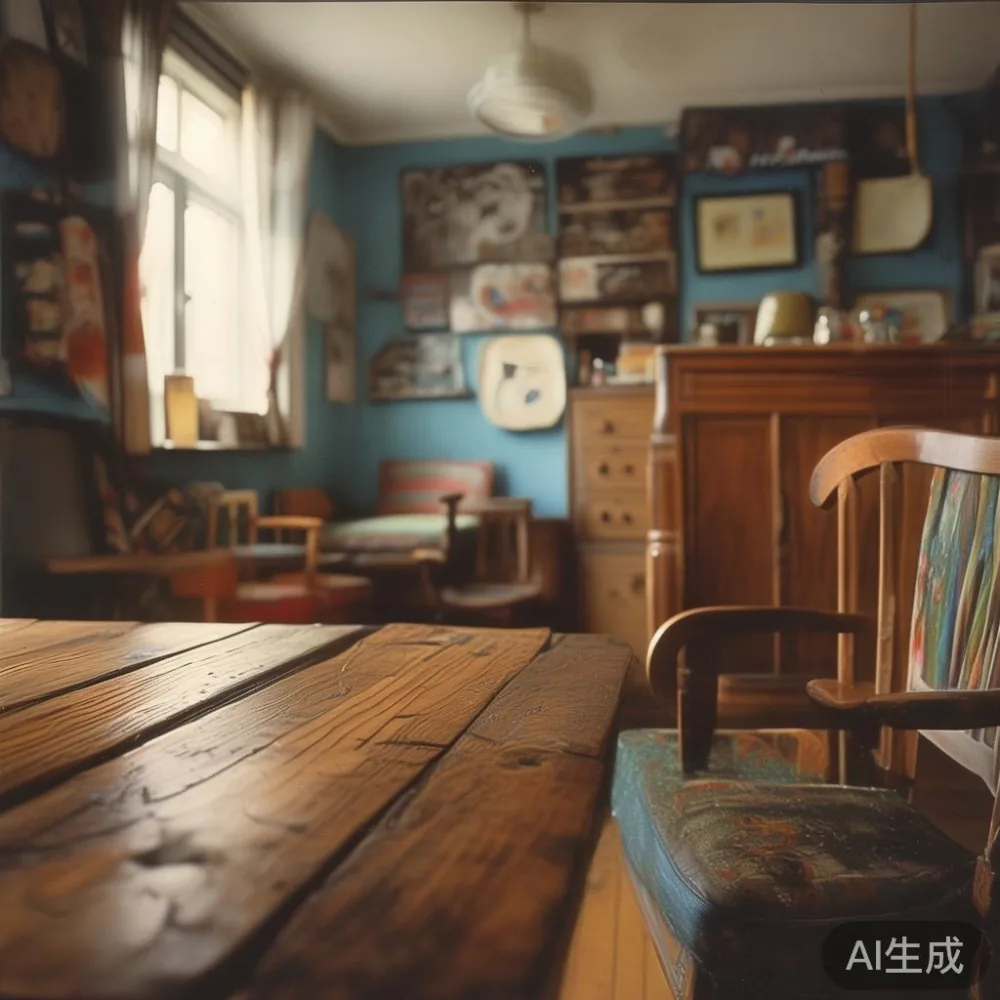
This guide compares veneer and solid wood furniture through the lens of local homes in Tampines, Bedok and Punggol. It includes lift and corridor dimensions, GST, delivery timing and realistic care routines. The examples cover a solid wood sofa, bed frame, dining table, wardrobe, nightstand and marble table without drifting into unrelated product categories.
What exactly is the “colour mismatch” problem?
Colour mismatch occurs when a piece no longer looks visually aligned with the rest of a room, or when panels within one product show noticeable differences in tone. With veneer, the repeating figure of wood slices can create a pattern that does not resemble solid timber. The issue is especially visible across wide doors of a wardrobe, across drawer fronts of a nightstand, or along the long apron of a dining table.
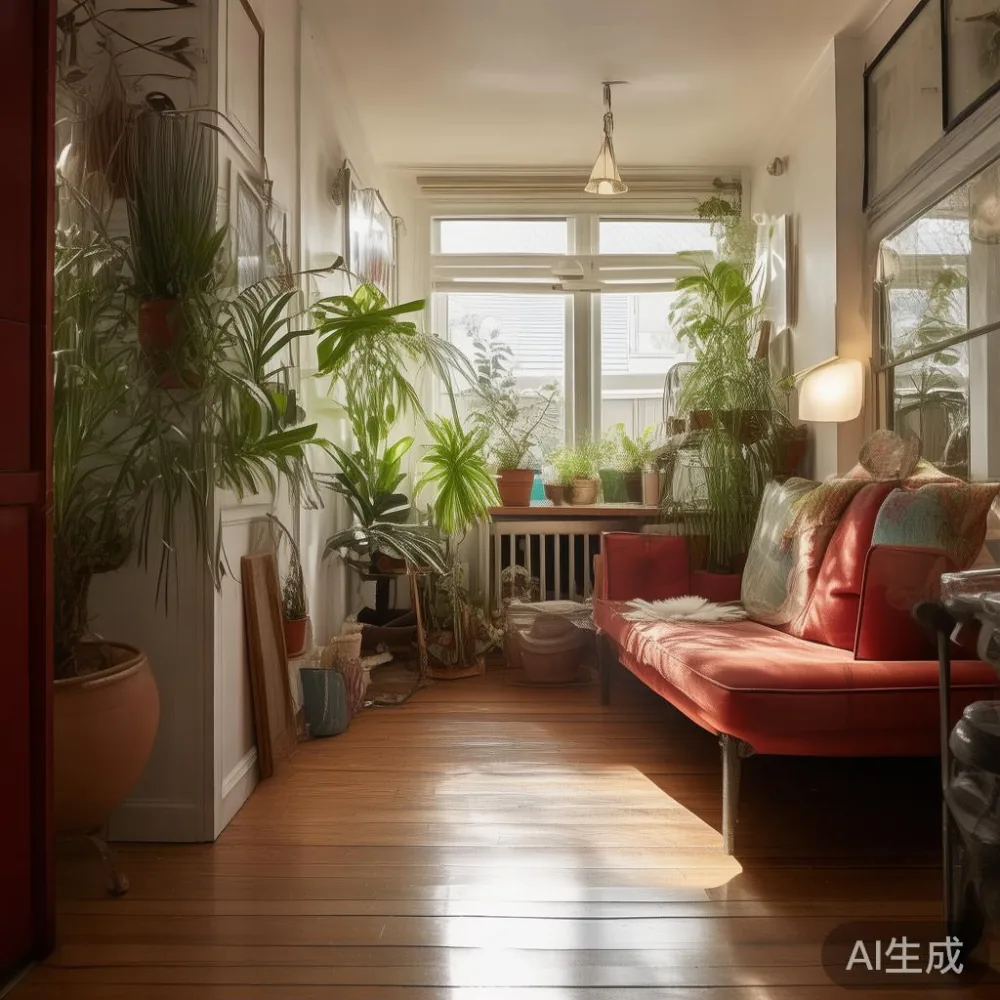
Light can amplify the problem. An east-facing Tampines flat may receive strong morning light, while a Bedok condo with broad glazing may expose furniture to both direct sun and reflected light. Open-plan kitchens also reveal transitions between a marble table and timber seating. Even modest colour mismatch can make carefully chosen French light luxury or American light luxury proportions appear less coordinated.
Solid wood is not automatically free from colour variation. Natural timber may contain knots, rays and changes in grain, and different batches can vary slightly. The practical question is whether the variation looks intentional and remains consistent across panels. Veneer can be bookmatched for balance, while solid wood is often selected and graded to keep related parts harmonious.
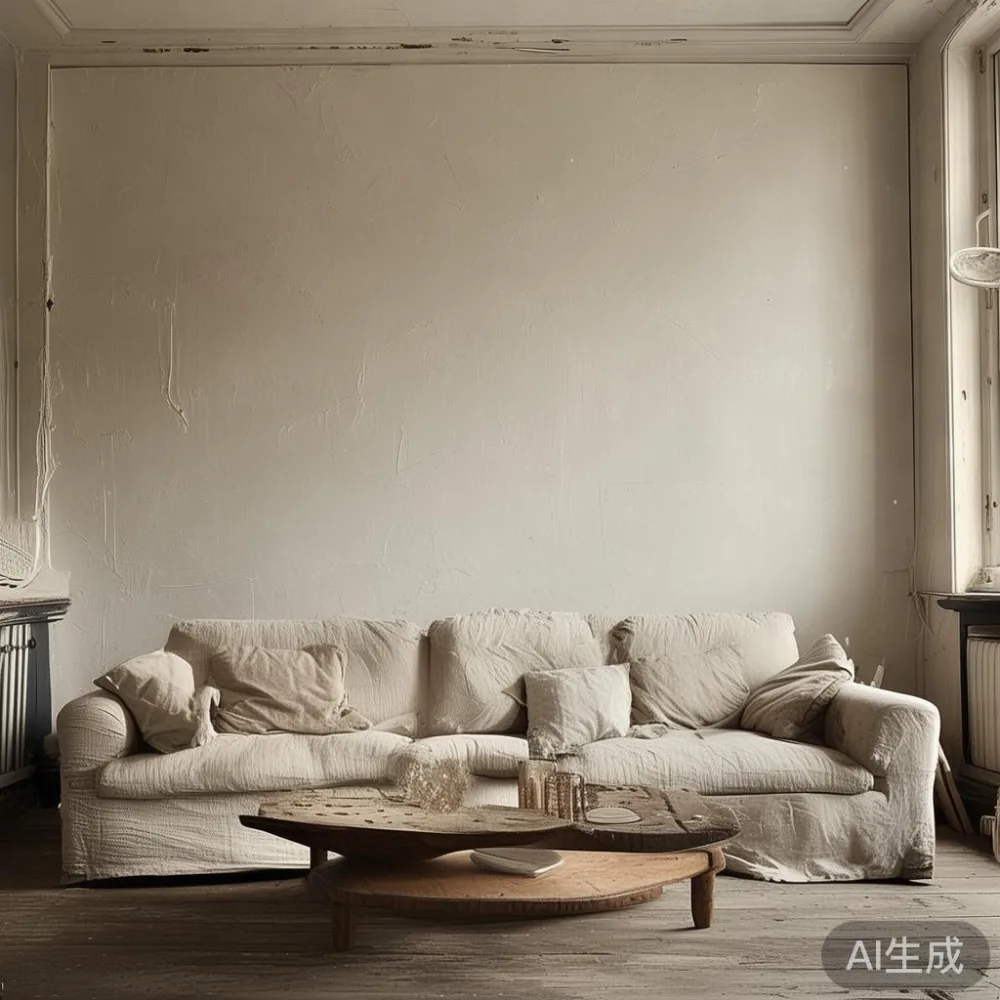
That makes “colour mismatch” a cost issue over time. A wardrobe whose doors gradually look dated may be replaced or covered; a dining table with inconsistent panels may be discounted when resold; or a sofa may need new cushions simply because its visual language no longer suits the room.
What do veneer and solid wood cost over 5 years?
The following Singapore example compares purchase and ownership costs for five principal furniture pieces. Figures use indicative SGD pricing before GST, with 9% GST added for consumer purchases. Delivery is included to a standard HDB address where stated. Exact prices change with dimensions, timber species, finish, hardware and design complexity.
For a three-seat solid wood sofa in a 210 cm wide configuration, expect roughly SGD 3,800 before GST and SGD 4,142 after GST. A comparable veneer sofa may be SGD 2,400 before GST and SGD 2,616 after GST. The initial solid wood premium is therefore SGD 1,526. If refinishing the solid frame once in year four costs SGD 350, the five-year gap falls to SGD 1,176.
For a 180 cm by 200 cm solid wood bed frame, an indicative price is SGD 2,200 before GST and SGD 2,398 after GST. A veneer bed frame may cost SGD 1,450 before GST and SGD 1,581 after GST. Here, the solid wood premium is SGD 817. A mattress is excluded because both options need one, and the figure should not be mistaken for a complete bedroom package.
A 200 cm by 100 cm solid wood dining table may cost SGD 3,200 before GST and SGD 3,488 after GST. A veneer table may be SGD 2,300 before GST and SGD 2,507 after GST, leaving a five-year difference of SGD 981 before any care is deducted. A separate marble table is treated as an accent table: 110 cm by 55 cm, around SGD 1,900 before GST and SGD 2,071 after GST, with neither construction option replacing the timber dining table.
For a 180 cm wide wardrobe, assume SGD 4,500 before GST and SGD 4,905 after GST in solid wood. Veneer may cost SGD 3,300 before GST and SGD 3,597 after GST. The difference is SGD 1,308 over five years before refinishing. A 45 cm by 40 cm solid wood nightstand may be SGD 580 before GST and SGD 632 after GST, compared with SGD 390 before GST and SGD 425 after GST for veneer, a gap of SGD 207.
Across one representative set of these five timber pieces, veneer is approximately SGD 4,245 after GST in year zero, while solid wood is approximately SGD 12,445 after GST. That is an initial difference of SGD 8,200. If the solid wood set is refinished once at SGD 1,400 in year four and the veneer set needs no comparable structural refinishing, the five-year difference becomes SGD 6,800. This example excludes mattresses, decorative objects, moving costs and catastrophic damage.
Is a solid wood sofa worth the higher five-year cost?
For many Singapore households, the answer depends on how long the sofa is expected to remain in one home. A solid wood sofa can be repaired more meaningfully when its frame, arms or joints need attention. Veneer may still be serviceable, but edge repair and panel replacement depend heavily on the substrate and the availability of matching material.
A useful test is to think about the route from the flat to the lift. A 210 cm sofa with a 95 cm depth can be turned on its side, but corners, stairwell turns and lift doors may restrict the angle. Many HDB lift openings are around 90 cm, while internal lift cars are commonly around 110 cm by 140 cm. A corridor narrower than 100 cm can require the sofa to be carried upright, so its packed weight becomes relevant.
Solid wood frames may weigh 65 to 85 kg, compared with 38 to 55 kg for a comparable veneer frame. That extra weight is not merely a delivery detail. It can affect the number of movers required, the risk of frame stress during an awkward turn and the feasibility of moving the piece after a renovation. A local seller that confirms door, lift and corridor measurements before dispatch reduces one common source of damage.
Design is also important. If you are comparing the best Post-modern sofa for 2026 with a French-style option, look beyond the label and examine the frame, suspension, finish and return terms. Post-modern light luxury often favours clean geometry and visual restraint, which can suit a compact Punggol condo. French light luxury may use softer curves and richer materials, but neither style determines durability.
Over five years, divide the initial difference by the expected years of use. If the veneer sofa costs SGD 1,526 less and is replaced in year five, the saving is clear. If the solid wood sofa remains for 10 years, the same comparison spreads across a longer period. The relevant calculation is total cost of ownership, not whether one material carries a superior label.
How should you compare a bed frame for an HDB or condo?
Start with dimensions. A 180 cm by 200 cm bed frame looks moderate in a showroom, yet its 185 cm by 205 cm outer measurement can be awkward in a narrow bedroom. Check the headboard against the nearest wall and leave at least 60 cm on one side where possible. For queen-sized models, a 160 cm by 200 cm mattress may create a tighter clearance in a compact HDB room.
People searching for how to choose European bed often focus on slat spacing, centre support and headboard clearance. European styling may include a low platform profile, padded textile panels or a European light luxury shape. A low frame also helps with visual space, but platform construction still needs adequate support beneath the mattress.
For solid wood, inspect whether the slats are hardwood or engineered components, how they are fixed, and whether joints can be tightened. A veneer bed may use a stable engineered core with timber facing. That can perform correctly when its edges are protected from moisture. The five-year cost should include realistic repair needs, such as a loose screw, centre rail or squeaking slat.
Weight affects installation. A 45 to 60 kg solid wood queen bed may require two movers and 10 to 15 minutes on site, while a veneer version may take 7 to 10 minutes. If a move to another HDB flat occurs in year four, removable components and lighter construction may save around SGD 180 to SGD 320 in mover costs.
Buyers interested in the best Japanese bed for 2026 may value low profiles and restrained joinery, but size and support remain local priorities. For a 180 cm bed, inspect the frame while sitting on it, then lie down across the centre and near one edge. Movement should be limited, and the mattress should not visibly bow. Installation should be scheduled after confirming a delivery window of 7 to 14 days, rather than promising a specific day that warehouse and truck routing may not support.
How do dining tables and wardrobes change the calculation?
A dining table sits in the most demanding part of many Singapore homes because it handles heat, spills and daily movement. A solid wood dining table can usually be sanded and refinished, although deep cuts may not disappear entirely. Veneer can be excellent for appearance and stability, but a lifted edge or damaged paper face may expose the core. Colour mismatch can also become more obvious when a replacement panel has a different grain direction or tone.
Measure the route before ordering. A 200 cm table can pass through a 90 cm door diagonally, but the base or chairs may not. Ask whether the top separates from the legs and whether assembly takes place in the room. A sensible service includes an installation appointment, protective floor covering and a check of stability after assembly.
Wardrobes present a different risk. A 180 cm wide unit has a large uninterrupted surface, so matching veneer leaves is important. Door alignment also affects daily use. Over five years, sagging hinges or rubbing doors may cost SGD 80 to SGD 250 in adjustments, regardless of material. A solid wood wardrobe may offer more repair options but still needs stable hinges and moisture control.
If you are planning how to style European light luxury wardrobe in bedroom, consider the surrounding wall colour, handles, lighting and floor tone before selecting timber. Warm oak can balance cool marble surfaces; walnut can create stronger contrast against cream walls. “Colour mismatch” should be assessed under the room’s daytime and evening lighting, not only under showroom LEDs.
For a dining table paired with a 110 cm marble table, use a small physical sample wherever possible. Marble has cool grey or warm veining, and its apparent colour changes beneath warm downlights. Put the timber sample beside the marble for at least 10 minutes before deciding. If you are also assembling a list of top 10 European furniture pieces, keep scale and clearances on that list; a beautiful wardrobe that consumes the bed space is not a practical selection.
What maintenance costs should you budget for?
Set aside an annual care allowance for each timber piece. For solid wood, use around 1% of its initial price per year, then adjust for exposure. For a SGD 3,200 dining table, that is about SGD 32 annually. Cleaning should use a soft cloth, mild soap and a product recommended for the finish. Avoid soaking edges, standing water and abrasive pads.
For veneer, allow around 1.5% to 2% annually for edge checks, cleaning and possible minor service. A SGD 2,300 veneer dining table would therefore have a yearly allowance of roughly SGD 35 to SGD 46. These are planning amounts rather than guaranteed repair bills.
Humidity deserves attention in Singapore. A basic hygrometer should read below roughly 70% for most furniture. In Bedok, where several flats sit near the coast, seasonal humidity can affect timber movement and veneer adhesion. Keep pieces away from air-conditioning outlets, standing moisture and direct afternoon sun. Use coasters and trivets, and wipe spills within 5 minutes.
Refinishing can change both cost and appearance. If a solid wood table is refinished, the colour may become lighter or warmer than its original finish. That is a deliberate change, not automatically a defect, but it can create colour mismatch with a nightstand or older flooring. Test the finish on an underside area first, and keep a record of the coating used.
For marble tables, use a pH-neutral cleaner and avoid acidic liquids such as lemon juice or vinegar. Use a stable support rather than dragging the 70 to 95 kg table across tiles. A marble table may also need professional levelling if floor movement affects its base.
What delivery, warranty and return terms affect the 5-year cost?
Delivery in Singapore can erase part of a material saving. A small nightstand may be delivered for SGD 35 to SGD 60 within a standard zone, while a wardrobe may cost SGD 120 to SGD 220 because of carrying, unpacking and assembly. A sofa or bed may add SGD 100 to SGD 180 if the building has a long corridor or a tight lift.
Confirm whether delivery is curbside or room-of-choice, whether assembly is included, and how long the team needs if the lift is booked out. A realistic window is often 7 to 14 working days for in-stock Singapore orders, while made-to-order pieces may take 30 to 60 days. These ranges should be disclosed rather than hidden behind an unrealistic promise.
MIDHILL furniture can be evaluated with the same checklist applied to any Singapore seller. A 10-year structural warranty should be read separately from finish coverage, and “lifetime refinishing” should be confirmed in writing with any labour, transport or coating charges. Free shipping over US$350 is useful for certain export orders, but it does not replace local delivery assessment because the threshold is denominated in US dollars and the destination remains a separate question.
Returns are relevant when colour cannot be judged correctly online. A 14-day return policy can allow in-home inspection, provided packaging and use are handled as required. For a 180 cm wardrobe, check the return logistics in advance; if it has been assembled, the original condition may be difficult to restore. Ask for sample photographs, finish details and the exact shade reference before approving a large order.
My real-world inspection in Bedok
Last month I visited a family in Bedok who were replacing a dining set before Chinese New Year. Their 200 cm table had to travel from the dining room through a 82 cm corridor, turn beside a 90 cm stairwell and enter a lift with an 86 cm door opening. The existing table had been assembled as one piece and needed to be cut down before removal, which cost SGD 420.
The replacement was delivered in two sections. The solid wood top was 28 kg, the base was 19 kg, and the marble table they already owned was checked separately for edge chips. Colour mismatch appeared most clearly after the new warm oak table was placed near the existing cool-grey marble table under a 3000K downlight. The veneer sample looked harmonious in the showroom but more yellow at home.
That visit changed the family’s cost model. The new solid wood dining table cost SGD 1,214 more than the veneer option after GST. They planned to keep it for at least 8 years and to refinish it in year six for an estimated SGD 280. Their calculation also included dismantling, installation and a clearer colour-matching process using daytime photographs. The experience showed that material cost matters, but access, lighting and care schedule can be just as decisive over five years.
Which option should you choose for your Singapore home?
Choose veneer when the priorities are a lower first purchase, a lighter moving weight, a specific rare veneer figure and a short expected life. Choose solid wood when the furniture will stay for 8 to 15 years, the household values repairability, and the timber tone can be matched confidently to the room.
Run the comparison with a calculator rather than instinct. Use the actual item price, add 9% GST, delivery, installation and an annual care allowance, then subtract realistic resale value at year five. A practical rule is to place the two product samples beside the intended wall, flooring and marble table under both daylight and evening light. Check them after 10 minutes, because the eye often adapts and colour mismatch becomes less obvious over time.
For a compact Punggol condo, a slim solid wood nightstand or a carefully proportioned solid wood sofa can preserve visual space without making the room heavy. In a larger Tampines flat, a full solid wood dining table and wardrobe may offer better long-term value. Either route works when dimensions, material and care are treated as one decision rather than three separate showroom choices.