The Art of Warm Minimalism: Avoiding Color Mismatch in Singapore Interiors
For residents of Singapore's HDB flats and condominiums, from the spacious layouts of Punggol to the established charm of Tampines and Bedok, creating a home that feels both serene and inviting is a common pursuit. The warm minimalism aesthetic strikes this balance perfectly, offering clean lines and uncluttered spaces softened by natural textures and a gentle, earthy palette. However, achieving this look without a color mismatch can be a delicate process. The wrong shade of wood, an overly cool accent, or a piece that feels out of place can disrupt the entire harmony. This guide will walk you through the principles of matching furniture to a warm minimalist interior, ensuring your home reflects a cohesive and sophisticated style.
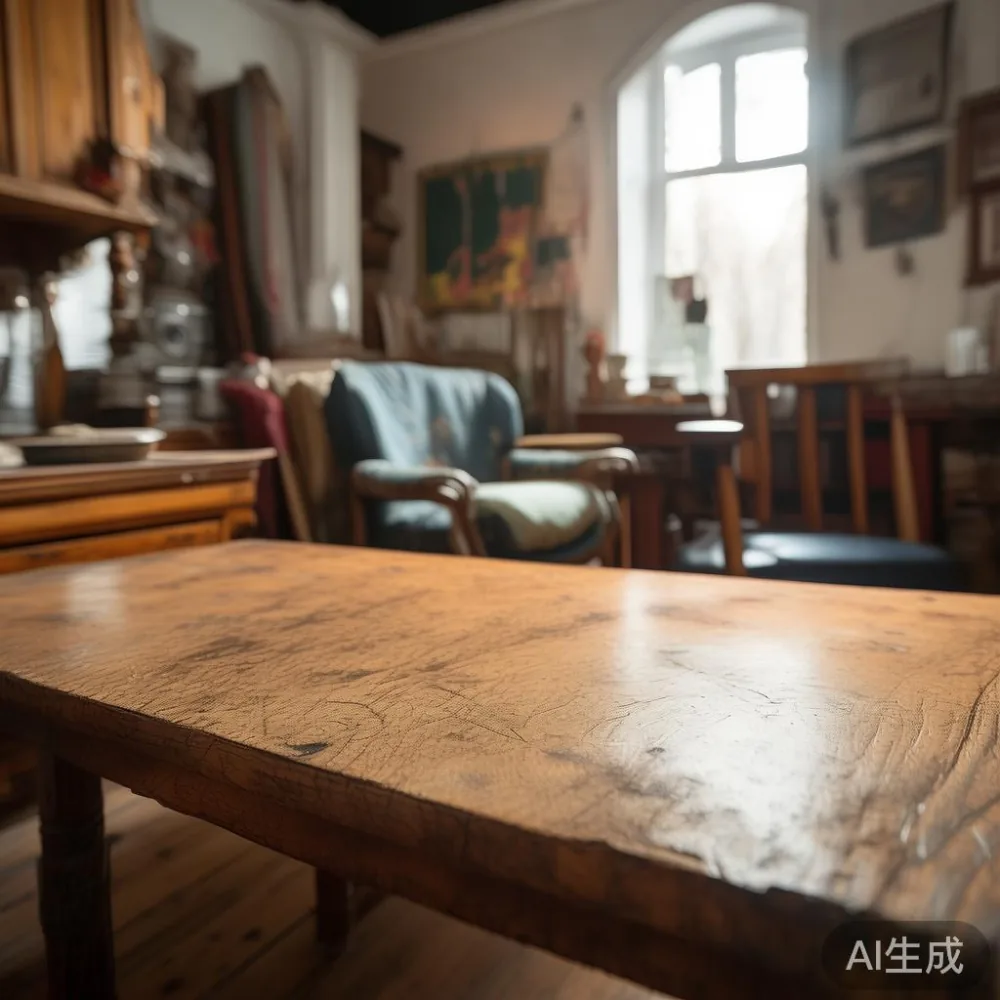
What Exactly is Warm Minimalism?
Warm minimalism is not an oxymoron. It is a thoughtful approach to interior design that borrows the core principles of minimalism—simplicity, functionality, and a focus on form—while infusing the space with a sense of comfort and softness. Think of it as a minimalist foundation built with natural, tactile materials. The color palette is key, favouring warm neutrals like soft beiges, warm greiges, creamy whites, and gentle greys. These are often paired with natural wood tones in light oak, walnut, or teak, and accents of black or brass for definition. The effect is one of calm and understated elegance, a space that feels both modern and deeply livable. In a Singapore context, where living spaces can be compact, this style helps rooms feel larger and more open without feeling stark or cold.
How Do You Choose the Right Wood Tone Without a Color Mismatch?
The selection of wood is perhaps the most critical decision in a warm minimalist home, as it forms the primary textural and color element. A color mismatch can occur when the undertones of your wood furniture clash with the wall colors or other furnishings. For instance, a cool-toned grey wall paired with a very orangey-red mahogany sofa will create visual dissonance. The goal is harmony.
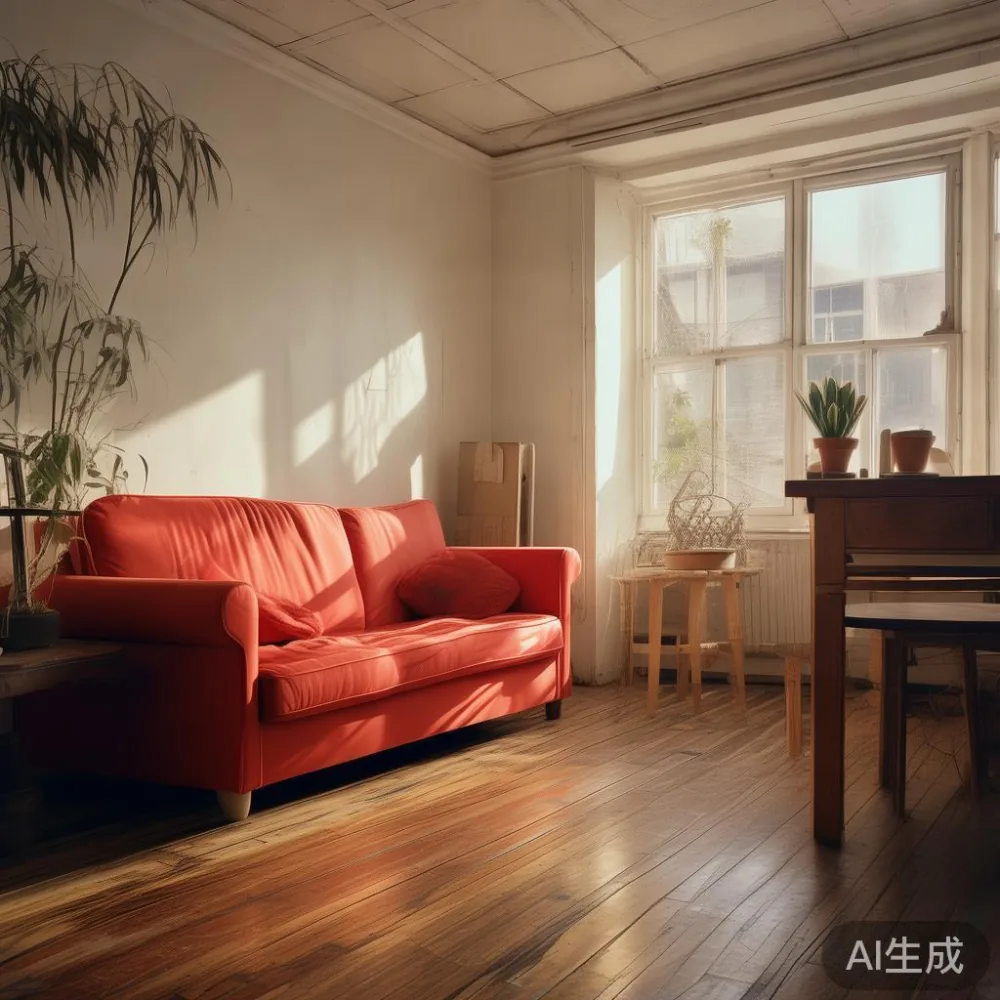
Begin by assessing the undertones of your existing elements. Are your walls leaning towards warm (beige, taupe) or cool (greige, light grey)? Your wood furniture should echo this. Light oak with its yellow undertones works beautifully with warm whites and creams. A darker walnut with its rich, chocolatey-brown notes provides a stunning contrast against greige walls. For a touch of light luxury, consider a marble table with soft grey veining; its cool tones can be balanced by warm wood legs, creating a sophisticated blend. My colleague, who recently renovated her Bedok resale flat, found that a solid wood dining table in a medium walnut tone was the perfect anchor for her open-plan living and dining area, tying the space together without overwhelming it.
What's the Best Way to Mix Textures in a Minimalist Space?
Minimalism is often mistaken for being devoid of texture. In reality, a successful minimalist space is rich in subtle textures that add depth and interest. The risk of a color mismatch extends to texture; a shiny plastic chair can look jarringly out of place next to a linen-upholstered sofa. The solution is a curated mix of natural, tactile materials.
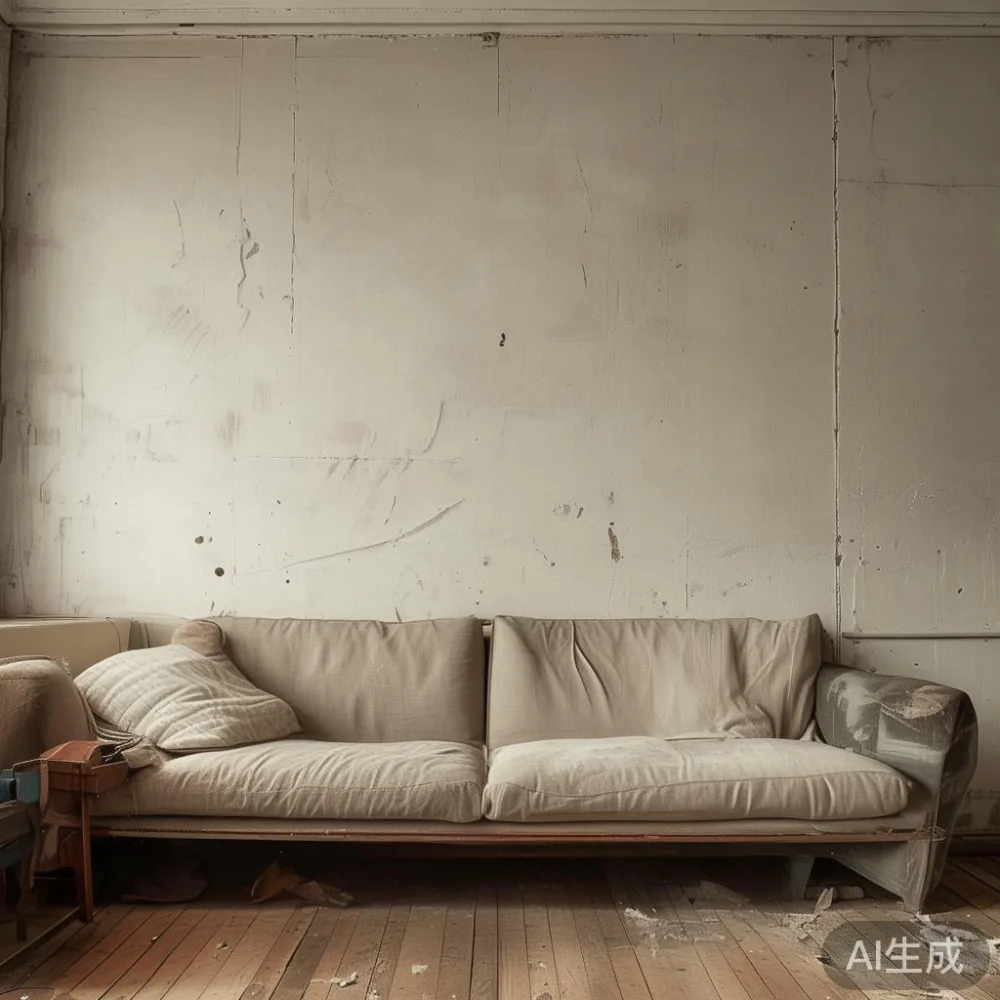
Combine the grain of a solid wood sofa with the soft weave of a wool or linen rug. Pair a sleek metal lamp base with a ceramic or fabric shade. A leather armchair can introduce a different texture and a darker, richer hue that complements lighter wood tones. Consider a nightstand made from a mix of solid wood and a small marble top; the cool, smooth marble against the warm, grainy wood is a classic combination that adds visual richness. The key is to ensure the textures complement each other rather than compete. A well-chosen wardrobe with a subtle wood grain finish can be a textural focal point in a bedroom, while a simple, textured throw blanket can add warmth to a bed.
Can You Incorporate Color Accents Without Breaking Minimalism?
Absolutely. In fact, a few well-chosen color accents are what prevent a minimalist space from feeling sterile or monastic. The principle is restraint. Instead of using multiple bright colors, pick one or two and use them sparingly. This prevents the accent from becoming a distraction and avoids a potential color mismatch with the main furniture palette.
Navy blue, forest green, or terracotta are excellent choices for adding a pop of color. Use these colors in smaller, intentional items: a single armchair, a set of cushions, a vase, or a piece of wall art. For a more integrated look, consider a light luxury wardrobe with a matte navy or deep green finish. This creates a statement piece that feels intentional and high-end. The rule of thumb is the 60-30-10 rule: 60% for your dominant color (walls, large furniture), 30% for your secondary color (upholstery, rugs), and 10% for your accent color (cushions, art, decorative objects). This structure ensures your color choices feel deliberate and balanced.
How to Choose Furniture That Suits Singapore's Living Spaces?
Singapore's living conditions, from HDB corridors to condo lift lobbies, demand practicality. Furniture that is too large or awkwardly shaped can be a nightmare to move and place. When choosing a bed frame, sofa, or dining table, consider the physical dimensions. A standard HDB corridor is about 1.2 metres wide, so any piece of furniture that needs to be manoeuvred through it must be under that width at its narrowest point. The lift in most older HDB blocks has internal dimensions of approximately 110cm x 210cm, so a large item like a wardrobe or sofa must fit within these constraints.
For smaller living rooms, opt for furniture with exposed legs. This creates a sense of openness and makes the floor space feel larger. A sofa with slender, tapered legs is a far better choice for a compact space than one with a heavy, skirted base. When selecting a Modern for small living room solution, a low-profile sofa or a loveseat might be more appropriate than a full three-seater. A solid wood dining table with extendable leaves offers flexibility, allowing you to shrink it down for daily use and expand it for gatherings. The weight of the furniture is also a factor; a solid wood bed frame might weigh around 60-80kg, so ensure you have help for delivery and assembly.
What About Lighting and Its Impact on Color?
Lighting is an invisible decorator that can dramatically affect how colors and tones are perceived. A color mismatch can be exacerbated by poor lighting. A warm white light (2700K-3000K) will enhance the warm tones in your wood and walls, creating a cozy, inviting atmosphere. A cool white light (4000K) will make colors appear sharper and can sometimes make warm woods look dull or yellowish.
In a Singapore apartment, where natural light can be abundant but also harsh, layering your lighting is key. Use a combination of ambient, task, and accent lighting. A central pendant light provides ambient illumination, while a floor lamp next to a reading chair or wall sconces in a hallway offer task and accent lighting. Dimmer switches are a worthwhile investment, allowing you to control the intensity and mood of the light. For a light luxury feel, consider a statement chandelier or a series of elegant pendants over a dining table. The interplay of light and shadow will add depth and warmth to your minimalist space, ensuring the colors of your furniture and walls are shown in their best light.
Is Investing in Quality Furniture Worth It for a Minimalist Look?
A minimalist aesthetic is inherently about quality over quantity. Every item in the space is meant to be seen and appreciated. Therefore, investing in well-made furniture is not just a matter of durability, but also of aesthetics. A poorly constructed piece with visible flaws or cheap materials will detract from the clean, serene look you're trying to achieve.
When choosing a bed frame or wardrobe, look for solid wood construction over veneered particleboard. Solid wood ages gracefully, developing a beautiful patina over time. A MIDHILL light luxury wardrobe, for instance, is crafted from solid oak and features soft-close hinges and handle-less push-to-open mechanisms, embodying the quiet sophistication of the style. The joinery should be tight and precise. A good quality sofa will have a solid wood frame and high-density foam cushions that retain their shape. While the initial cost might be higher, a well-made piece of furniture is a long-term investment. It avoids the cycle of replacing cheap items and ensures your home maintains its elegant, cohesive look for years to come.
How Do You Balance Different Furniture Styles?
While warm minimalism has a defined core, it can accommodate elements from other styles to create a more personalized space. The key is to anchor the room with minimalist pieces and then introduce contrasting styles in moderation. A color mismatch can arise when styles clash too violently, so the trick is in the blend.
For example, you might have a minimalist, low-profile sofa and then pair it with a single, sculptural armchair in a mid-century modern style. The clean lines of the sofa provide a backdrop that allows the unique form of the armchair to stand out. You could introduce a European light luxury sofa vs French provincial sofa debate into your own home by choosing a sofa with clean, tailored lines (European) and then adding a few decorative pieces with ornate details (French provincial), like a gilded mirror or a porcelain vase. This creates a curated, eclectic feel rather than a chaotic one. The same principle applies to beds; a light luxury bed vs Modern bed comparison might see you choosing a minimalist platform bed frame but pairing it with luxurious, high-thread-count linens and a plush headboard for a soft, luxurious feel.
What Are the Best Furniture Pieces for a Warm Minimalist Bedroom?
The bedroom should be a sanctuary of calm, making it the perfect room to embrace warm minimalism. The foundation is the bed. A platform bed with a simple, low headboard in a light oak or walnut finish is a quintessential minimalist choice. It keeps the lines clean and makes the room feel more spacious. For a touch of luxury, consider a bed frame with integrated lighting or a soft, fabric-covered headboard.
Complement the bed with a matching nightstand. A simple, rectangular design with one or two drawers provides storage without cluttering the space. A nightstand made from a light wood with a marble top adds a touch of texture and sophistication. For storage, a wardrobe is important. A handle-less design with a smooth, matte finish in a wood tone or a soft grey is ideal. It offers a clean, unbroken surface that aligns with minimalist principles. When choosing a best Japanese bed for 2026, you might look for one that emphasizes natural materials and low profiles, or for a best American bed for 2026, one that focuses on plush comfort with a minimalist frame. The choice depends on whether you prioritize the Zen-like simplicity or the luxurious comfort, but both can be integrated into a warm minimalist scheme.
Where Can You Find Furniture That Embodies This Aesthetic in Singapore?
Finding the right pieces to create a cohesive warm minimalist home requires a bit of searching. Local furniture stores in Singapore offer a range of options, from mass-market to bespoke. For those seeking a specific style, it's worth looking beyond the immediate high street. Many brands, including some established names like Midhill, have a strong focus on craftsmanship and design that aligns with this aesthetic.
When researching, consider factors like material quality, design philosophy, and after-sales service. A company that offers a 10-year structural warranty and lifetime refinishing, for instance, demonstrates confidence in the durability of its products, which is a key consideration for solid wood furniture. Free shipping over a certain value, typically around SGD 350, can also make a significant difference to the cost. The delivery process is another practical consideration; a reliable company will provide clear timelines, with standard delivery taking about 7-14 days to Singapore. A 14-day return policy offers peace of mind, allowing you to check a piece in your home before committing. It's always a good idea to visit a showroom if possible. Seeing the furniture in person, feeling the texture of the wood, and understanding the scale can prevent a potential mismatch between expectation and reality.
How Do You Maintain a Warm Minimalist Look Over Time?
The beauty of warm minimalism is its timelessness. Unlike trends that come and go, this aesthetic is built on enduring principles of simplicity and natural beauty. Maintaining the look is less about constant change and more about thoughtful care. Regular dusting and polishing of your solid wood furniture will keep it looking its best and protect the finish. Be mindful of placing furniture in direct sunlight, as prolonged exposure can cause the wood to fade or change colour over time.
As your life evolves, you may need to adapt your space. Instead of buying new furniture, consider reusing and re-purposing. A dining table could become a desk in a home office. A nightstand could be repainted or re-stained to match a new colour scheme. When you do need to add a new piece, ensure it adheres to the core principles of the room. A new accent chair should fit within the established colour and texture palette. By focusing on quality and longevity, your warm minimalist home will continue to feel fresh and relevant for years to come, proving that a thoughtful approach to design is the best way to avoid a color mismatch and create a truly personal sanctuary.