How to Care for Lacquered Solid Wood Furniture in a Tropical Climate
Singapore’s climate can be hard on lacquered furniture. Humidity often remains above 70%, UV exposure is strong, and warm air can enter an HDB flat or condo through windows and corridors. Over 12 months, a poorly protected cabinet, dining table, or bed frame may develop a cloudy patch, dull sheen, fine cracking, or a visible color mismatch beside an identical piece.
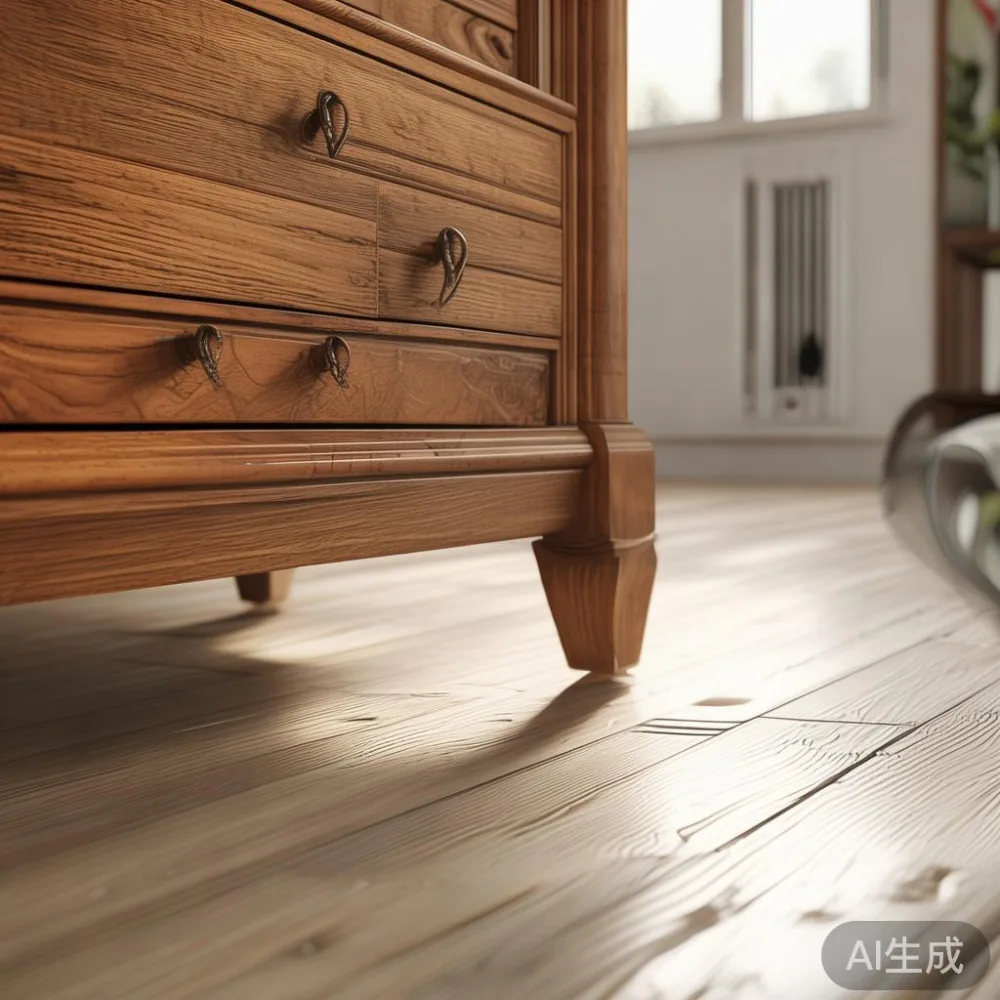
Lacquer can still suit tropical interiors when its finish is identified correctly and maintained consistently. The difference between cabinet lacquer, piano lacquer, sprayed lacquer, and a clear-coated solid wood surface matters because each responds differently to moisture, heat, alcohol, and abrasion. A solid wood sofa with lacquered legs, a lacquered solid wood bed frame, and a marble table with a lacquered cabinet should not all receive the same treatment.
For Singapore homes, light control and moisture control matter more than polishing several times a week. A practical routine can preserve the finish for 5–10 years while reducing colour changes. For shoppers comparing furniture, a small sample should be checked under daylight and warm artificial light before ordering. A visible color mismatch is difficult to correct later, but careful preparation, correct finishes, and documented batch control reduce the risk.

Why does lacquer look different in a Singapore home?
Wood and lacquer can change at different rates. Tropical daylight entering through an east-facing HDB window in Tampines may expose furniture to roughly 20,000–40,000 lux during clear periods, depending on glazing, screens, and distance from the window. Pigments in the lacquer may fade sooner than the underlying solid wood, producing a color mismatch between the tabletop and its matching chairs or between wardrobe doors installed years apart.
Temperature swings add another layer. A west-facing Bedok condo can reach approximately 30–33°C in an afternoon, while air-conditioned rooms may settle near 23–25°C. Lacquer expands and contracts more than the timber it covers. Repeated movement of perhaps 0.5–1.5 mm across a 180 cm cabinet door can stress joints and edges if moisture is allowed to collect in the seam.
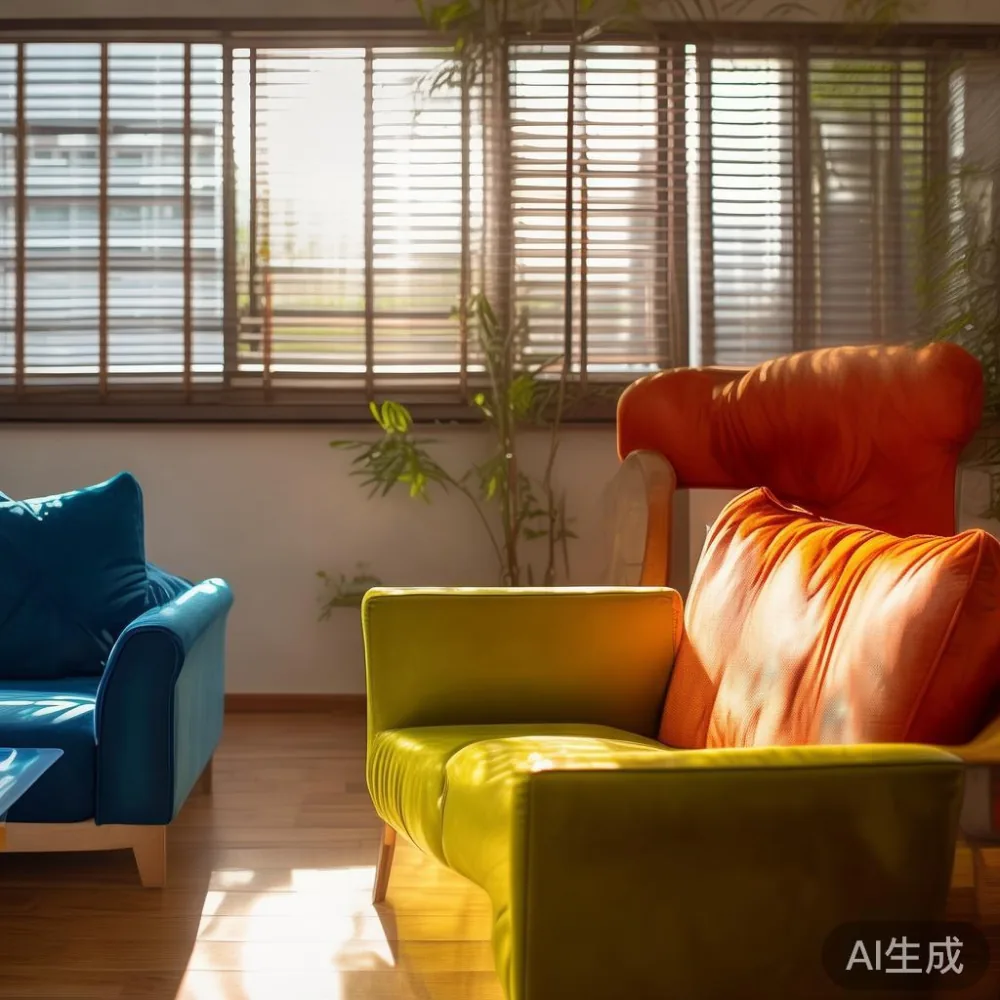
Humidity does not always create an obvious stain. High humidity, salty air, cooking vapour, and residue from hand lotion can leave a greasy film. Wiping that film with an abrasive cloth may scratch the clear coat. Once tiny scratches scatter light, the surface can look grey, hazy, or uneven rather than evenly glossy.
Lighting can also exaggerate normal variation. A matte lacquer viewed beside polished marble may seem different at night, while warm LEDs near 2700K can make grey undertones appear creamier. Before delivery, ask the supplier to compare finish samples under both 4000K daylight and 2700K lighting. For a bedroom wardrobe near a Punggol master bedroom window, check the doors both closed and fully open.
How should I identify the lacquer finish?
Look for a finish label, care sheet, or product specification. High-gloss piano lacquer usually has a mirror-like appearance, but the name alone does not tell you whether the surface is wood, MDF, metal, or composite. Inspect the back, underside, edge, and a concealed section. Solid wood bed frames and solid wood dining tables should show timber grain or an appropriately filled construction, while engineered panels may have a uniform fibre surface.
There are 4 common appearances to identify:
Water-based lacquer often feels smooth, has a thin clear layer, and responds reasonably well to careful water wiping. Solvent-based lacquer generally gives deeper clarity and gloss but needs more care around alcohol and oily residues. Open-pore lacquer retains visible timber texture and should not be treated like a sealed piano finish. 2K polyurethane or acrylic may have good durability, yet its chemical sensitivity still depends on the topcoat system.
Do not perform the fingernail or solvent test on a visible panel. In the event a small hidden area can be safely tested, a lightly damp white cloth should not leave marks or a colour shift. Photograph the test area at 1:1 scale and check it again after 24 and 72 hours. However, a clean result does not confirm UV resistance or long-term adhesion.
Confirm the furniture’s maintenance period before applying oils or polish. Leather, fabric cushions, marble, and lacquer can be present in one product, as with a solid wood sofa, and a treatment for one material can stain another. Keep test cloths and products at least 15 cm away from upholstery seams.
What cleaning routine protects lacquer in humid weather?
Clean lacquer gently before dirt becomes embedded. Vacuum or dust the surface with a clean microfibre cloth every 7 days. Use dry water or mineral water on a fresh cloth, wring it out thoroughly, and test a 10 cm × 10 cm area first. Wipe along the grain, then dry with a separate cloth. Never use a soaked cloth, and never clean lacquer directly beneath a ceiling fan while moisture is evaporating from the floor.
For ordinary dust, one pass may be enough. For fingerprints or cooking residue, keep the pH near neutral and avoid household glass cleaners containing ammonia. Alcohol can soften some coatings and dull a high-gloss finish. Kitchen aerosols, mosquito-repellent mist, and fragrance diffusers can also settle on surfaces; allow furniture to stand at least 90 cm from an active diffuser.
Avoid silicone sprays, furniture wax, ammonia, bleach, oven cleaner, metal polish, abrasive pads, and scouring powder. A scouring pad can leave permanent micro-scratches within 3 uses. Cleaning pads sold for melamine or stone may still be too coarse for a piano finish.
Dry lacquered doors and tabletops after nearby renovation, wet cleaning, or cooking. Use a hygrometer positioned 30–50 cm above the timber. Aim for approximately 45–65% relative humidity where practical. In a typical Singapore living room, reasonable indoor conditions may be 23–27°C and 50–65% relative humidity.
For laundry or bathroom-adjacent furniture, keep 60 cm of clearance from splash zones. A nightstand should not be placed directly beneath an open window that receives rain-driven mist. Wardrobes benefit from 5–8 cm of rear ventilation space if the manufacturer permits it, helping warm, damp air escape instead of pooling against the back panel.
How often should I polish lacquered furniture?
Less frequent polishing is usually easier on the finish. A lacquered solid wood dining table should be dusted every 7 days and lightly cleaned about every 2–4 weeks. A wardrobe door can be wiped every 2–3 months, while the skirting and handles may need attention every 2–4 weeks. High-contact pieces such as a 45 cm solid wood sofa, bed frame, or marble table require a quick wipe every 1–2 weeks, especially in high humidity.
Use a lacquer-specific cleaner only after checking the supplier’s care instructions. Apply about 4 ml to a folded microfibre cloth, not to the furniture. Buff one panel for 30–60 seconds, then inspect under oblique light. Stop if the surface develops haze, tackiness, streaking, or a colour shift.
Polishing cannot restore a badly faded or colour-mismatched clear coat. If a 20 cm area shows a difference after careful cleaning, request an assessment rather than rubbing harder. Pressure can create additional micro-scratches and remove more of the finish.
Can sunlight cause a real color mismatch?
Yes. UV exposure can fade topcoats and pigments at different rates. A dining table beside a window may look lighter on the sun-facing side, while the shaded edge retains its original tone. A visible color mismatch can also develop between two wardrobe doors in a room where one was replaced 2 years after the original purchase.
Reduce exposure with curtains or blinds that block at least 60–80% of direct UV while preserving daylight. Add a gap of 60–90 cm between furniture and windows where space permits. UV film can be useful, but its measured visible light transmission and UV rejection should be checked; marketing claims alone do not guarantee protection.
Do not place furniture against an external wall exposed to afternoon sun. Avoid dark wool or linen throws on a lacquered surface that receives direct light because the dyes can transfer under heat. Felt pads with a thickness of 1.5–2 mm are safer under decorative objects, although they should be replaced every 3–6 months after checking for colour migration.
If new pieces must be installed months apart, retain a spare lacquered sample or finish chip. Compare it with the installed surface in daylight before installation. Material choices can influence visual matching: pairing a European sofa, solid wood dining table, and marble table with widely different undertones may amplify the effect of ageing.
What should I ask before buying a lacquered piece?
Ask for the exact lacquer type, topcoat thickness, sheen level, substrate, UV resistance, approved cleaners, repair method, and expected colour variation. A supplier should be comfortable discussing tolerances such as ΔE colour differences, although the method and measurement conditions should be stated rather than presenting one number as a universal pass mark.
For a custom wardrobe, request a physical or calibrated finish sample. Check it in the intended room for 24 hours and view it at night as well as in daylight. For a bed frame, inspect all uprights, rails, headboard panels, and undersides for consistency. For a dining table, compare the front edge, centre, and end sections because pores and finish absorption may vary.
Solid wood sofa, dining table, and wardrobe buyers should also ask how pieces are batch-matched. A documented colour reference can help reduce a color mismatch, but natural timber variation cannot be eliminated entirely. Photograph the item before packing, including corners, panels, and door alignment.
At the delivery stage, measure the lift opening, turning radius, door width, corridor, and staircase. A 180 cm dining table may fit a 90 cm lift diagonally, yet packaging, lifts, and corner turns can still make the route impractical. Allow at least 5 cm of maneuvering room where possible and measure the assembled dimensions before confirming delivery.
How should repairs and finishes be handled?
Small scratches should not be treated with household wax. First clean the area, then use a finish-compatible repair product tested on a hidden section. Deep scratches exposing timber, lifting lacquer, or a 5 cm area of peeling clear coat require professional attention. Repeated spot painting can create a repair patch that stands out as a color mismatch.
For moving services, lift a lacquered wardrobe, solid wood bed frame, or dining table by its protected structure rather than the top surface. Use 3–4 blankets and corner guards, and avoid dragging the base 2 cm across a tiled corridor. Remove or protect brass handles if the hardware can scratch adjacent lacquer during movement.
Furniture should be acclimated near its final position before installation where space allows. Solid timber can release or absorb moisture slowly, especially across a 90 cm span. Leave new pieces for approximately 48 hours in a ventilated, climate-controlled room, following the supplier’s instructions.
What is the MIDHILL approach to long-term furniture care?
MIDHILL has manufactured solid wood furniture since 2008 and exports to more than 15 countries. That international exposure makes colour and finish control particularly relevant: a dining table, wardrobe, or solid wood sofa may pass through different climates before reaching a customer. The brand’s 10-year structural warranty covers the product’s structural integrity, while lacquer appearance and colour shift are maintenance and exposure considerations rather than automatic proof of defective manufacture.
For buyers exploring light luxury for small living room projects, finish care is part of the design decision. French light luxury often uses restrained profiles, soft upholstery, and pale lacquered details; American light luxury tends to favour deeper tones and generous comfort. Post-modern light luxury can mix planes, textures, and controlled contrast. A marble table may fit a refined living room, yet it should not visually overpower a compact lacquered sideboard.
Useful questions for a supplier include how to choose light luxury sofa proportions, how to style European sofa in room layouts around 180–220 cm, and whether the finish sample matches under actual lighting. If a project is marketed through a directory, searches for for sale Nordic furniture or for sale Mid-century modern furniture should still lead back to verified dimensions, finish specifications, and care documentation.
Why does careful care matter beyond appearance?
Lacquer protection affects the furniture’s usability. A dining table that feels rough after 12 months encourages customers to place protective coverings over it, while a cloudy wardrobe door can make a compact HDB bedroom feel visually crowded. A solid wood bed frame with well-maintained edges will retain a cleaner silhouette and remain easier to clean.
A simple inspection every 3 months can prevent small issues from becoming larger. Check sheen under angled light, inspect 2–3 door edges, look beneath handles, and confirm that vents remain clear. Record any color mismatch with a dated photograph and a 5 cm ruler. That record helps a retailer understand whether the change came from UV exposure, residue, abrasion, moisture, or an installation issue.
Singapore homeowners should also plan for renovation dust, lift maintenance, and occasional wet-weather entry. Vacuum lacquer every 7 days, clean it with a lightly damp cloth every 2–4 weeks, inspect it every 90 days, and replace felt pads every 3–6 months. Keep curtains closed during the strongest afternoon sun and maintain indoor humidity below approximately 65% when equipment allows.
These habits suit many types of furniture, including a lacquered solid wood sofa, bed frame, dining table, wardrobe, nightstand, and marble table. They do not freeze the passage of time, yet they slow surface contamination and make colour changes easier to identify. For an HDB flat or condo, a finish that is cleaned carefully, protected from direct light, and documented at purchase is far easier to manage than one selected only by its showroom gloss.