What to Check Before Buying a Sofa You Cannot Sit On
A sofa can look generous in a showroom and still fail in a Tampines HDB flat. The problem may not be its dimensions. It may be a lift that cannot accept the carton, a corridor corner with no turning room, or a colour mismatch between the oak frame, the seat fabric and the wall beside your balcony door.
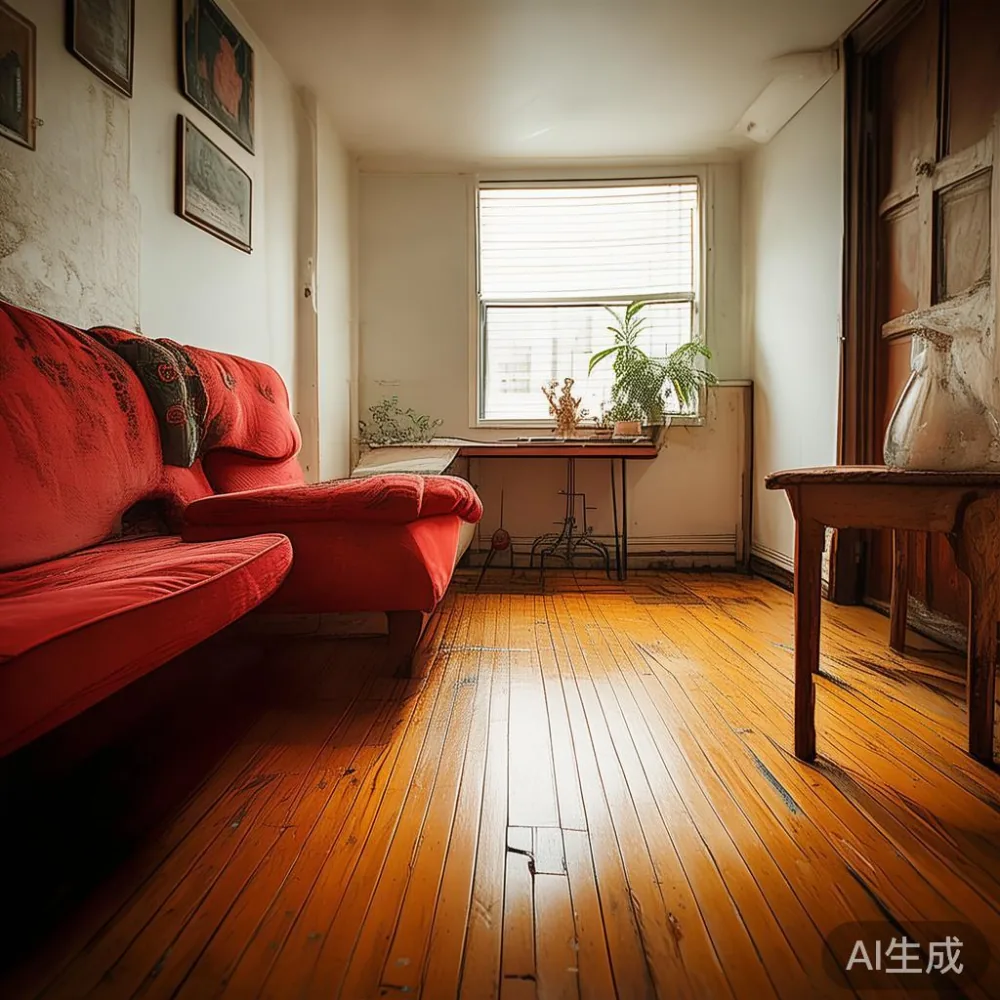
Last month, I visited a client in Bedok with a tape measure and a 90 cm cardboard sofa-box template. The client had already ordered a solid wood sofa that looked comfortable online. The actual lift opening was 81 cm wide and 198 cm deep, while the boxed sofa measured 196 cm across its longest diagonal route. It was not a manufacturing defect; it was a planning error. The client cancelled before delivery and chose a modular solid wood sofa with narrower packed sections.
That visit illustrates why “cannot sit on” can mean several things: the sofa is physically inaccessible, visually unsuitable, or simply too awkward for the room to use comfortably. Before spending SGD 1,800 or more, check every dimension, finish and delivery constraint. Here is a practical process for Singapore homes, including new BTO layouts and older walk-ups in Punggol.
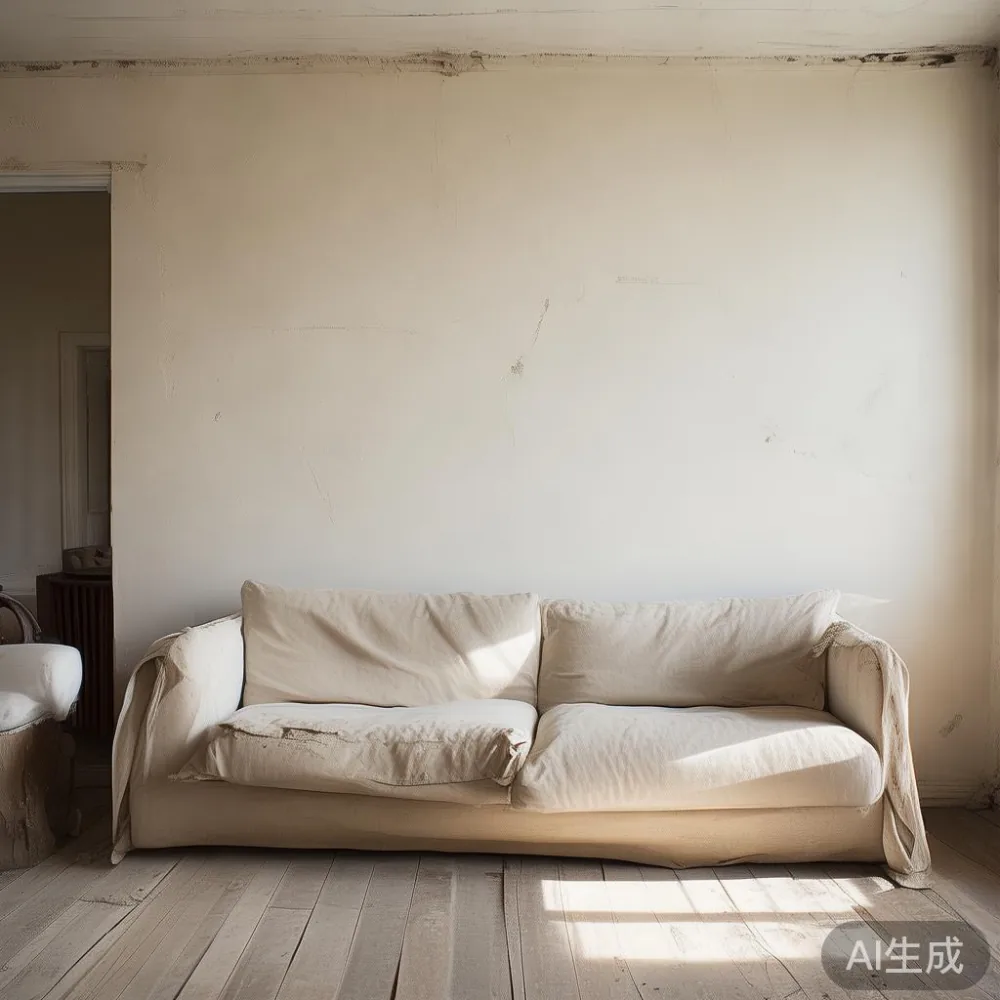
How do you measure a sofa before it arrives?
Record the sofa’s full dimensions, not only its advertised width and depth. A typical three-seat solid wood sofa may measure 210–230 cm wide, 88–98 cm deep and 78–84 cm high. Armchairs may be 72–86 cm wide. These figures describe the product, not the delivery package, and the two must not be confused.
Ask the supplier for the packed dimensions of every module, including carton width, depth, height and gross weight. A 220 cm sofa may arrive as two cartons of 112 × 48 × 42 cm, each weighing 28–38 kg. A single 220 × 98 × 84 cm carton weighing 76 kg is a different access problem.
Measure your actual route from the lorry unloading point to the living-room door. Include the gate, porch, letterbox recess, corridor turns, lift door, lift car and the final door opening. Use the smaller measurement, not the largest available. For a lift, check the door opening as well as the internal floor area: a lift may fit a long carton diagonally but leave no way to rotate it.
Also measure the sofa’s intended position. Leave at least 75–90 cm between the front edge and a coffee table for comfortable circulation. Maintain about 30–45 cm between the sofa and a television console, and keep 60 cm near a main walkway where household members pass behind the seated zone. These are practical comfort clearances for Singapore interiors.
Will the sofa fit through my HDB lift and corridor?
For HDB blocks, do not assume the lift specification is identical throughout the building. A common passenger lift may offer roughly 110 cm by 140 cm of internal space, but older or upgraded blocks can differ. A service lift may be deeper yet narrower, with a threshold lip of 2–4 cm. Ask your management office for the internal lift dimensions and maximum load, then compare them with the supplier’s packed figures.
Corridors need extra turning allowance. A boxed module that is 115 cm long may require a corridor corner with at least 135–150 cm of diagonal clearance. If the route narrows below 90 cm, ask whether the supplier can split the frame, detachable legs and removable arms. A good delivery team may also stand the carton upright, but only if the packaging and product allow it.
Check whether the building has a booked-service-lift policy, a loading-bay reservation or a no-moving-hours window. Confirm the delivery fee in SGD and whether it includes carrying the sofa to the living room. Stair carries cost more because each landing adds labour and risk. For a 60–85 kg three-seat sofa, expect at least 2–4 minutes of handling per level for two movers.
Measure ceiling clearance in the lift too. A carton taller than the lift’s internal height cannot enter upright. Ask for a written delivery plan: which entrance, which lift, maximum carton dimensions, total weight and the number of movers assigned.
What should I compare before paying the balance?
Request the sofa’s structural specification in writing. For a solid wood sofa, identify the frame timber, kiln-dry moisture target, joinery, suspension and cushion density. Kiln drying around 8–12% helps limit movement associated with changing humidity. The frame should carry a meaningful warranty; MIDHILL offers a 10-year structural warranty, while upholstery and other components may have separate terms.
Ask whether the quoted price includes GST. Singapore’s prevailing GST rate is 9%, so a SGD 1,990 sofa before tax becomes SGD 2,169.10. Clarify the balance payment method, cancellation charges and delivery surcharges. If the item is made to order, photographs can differ slightly from showroom pieces, so any color mismatch should be governed by an agreed sample or tolerance rather than a vague description such as “warm beige”.
Confirm the colour under several conditions. Request daylight and artificial-light photographs of the actual fabric or finish, plus a physical swatch where possible. Compare it with your floor, curtains and wall rather than with an edited product image. The same fabric can appear greyer under 4000 K downlights and creamier beside a north-facing HDB window.
Inspect the piece for gaps, exposed fasteners, uneven legs and sharp edges. A seating height of 40–45 cm suits many adults, while 38–42 cm may suit shorter users. Check that the cushions return to shape after 30 seconds of pressure. If a seat feels luxurious but requires a cushion to sit on, consider whether that extra height and softness match your daily use.
Is European light luxury sofa worth it?
The phrase “is European light luxury sofa worth it” is grammatically awkward, but it points to a useful comparison: restrained European styling with pale woods, tactile upholstery and visually light proportions. It can suit a compact Singapore room if the arms are slim, the legs raise the frame and the visual weight stays low. It may not suit a busy household if pale fabric shows marks easily or if the price excludes difficult-access delivery.
American light luxury often means deeper seating, generous cushions and broad profiles. Post-modern light luxury can combine curved edges, sculptural arms and a slim solid wood frame. All three styles depend more on proportion than on a label. A 205 cm French-style sofa with 18 cm arms may leave more usable floor area than a 190 cm chunky model with 28 cm arms.
For access, a modular design can be more practical than the most photogenic single frame. Ask whether arms, back panels and legs can be removed without damaging the finish. Check that reassembly does not weaken the joints and whether the supplier will guide the procedure during delivery.
How do you prevent a colour mismatch in the living room?
A color mismatch can arise even when every component belongs to one sofa. The oak frame may be warmer than the online render, the seat fabric may read differently against a cool-grey wall, and the cushion piping may add a sharper line than expected. Define what is unacceptable before ordering. For example, “the frame must match the approved 30 cm timber sample” is clearer than “the brown should be similar”.
Request one physical sample of the main upholstery and one 10 × 10 cm finish chip if available. Hold the swatches beside your wall paint and curtains at 9 a.m., 3 p.m. and at night with the lights you normally use. Daylight can shift a beige by several shades; coloured downlights can make a neutral look yellow or pink.
Ask how the supplier manages batches. A 14–21 day production period can create visible dye variation if stock fabric is unavailable. MIDHILL’s lifetime refinishing policy may help with the solid wood frame, but it does not automatically recolour an upholstered seat. Obtain written terms for upholstery returns or replacement before committing.
Legs can also create a color mismatch against the frame. Compare their species and finish under the same light. Similarly, a marble table placed beside the sofa introduces veining and cool tones that alter the room’s balance. A dark walnut dining table will read differently beside pale oak; coordinate the family of finishes rather than matching isolated pieces.
What delivery and after-sales terms should be in writing?
Get the full price and timetable in writing. Standard production might take 30–60 days, followed by 7–14 delivery days for stock Singapore items; made-to-order pieces can require 45–90 days. Ask whether the stated delivery period begins after production, after dispatch or after a customer-confirmed access date.
Check the returns window. MIDHILL allows returns within 14 days under its stated policy, subject to product condition and the relevant terms. A made-to-order piece or delivered item with a custom colour may be treated differently, so do not assume that a color mismatch automatically qualifies. Read the exclusion clauses before payment.
Ask what happens if the carton is damaged in transit. Photographs should be taken before unpacking, with the tracking number and timestamp visible. Confirm who bears the redelivery charge, how many attempts are included and whether a failed delivery caused by access constraints is refundable.
Shipping over US$350 is advertised as free for qualifying orders, but international freight is not the same as a local Singapore doorstep delivery in a HDB lift. Local access, lift reservation and carrying charges should still be specified separately. A low international product price can become expensive after GST, delivery surcharges and stair handling.
Can a sofa look elegant but still be wrong for your room?
Yes. Scale and contrast matter more than the style label. In a compact flat, a sofa with a floating base and pale timber can preserve visual space. Very dark wood, a thick plinth and large rolled arms may make the same room feel tighter. Sketch the footprint to scale on graph paper: mark the sofa, coffee table, television console and a 75 cm circulation zone.
Natural light is equally decisive. Look at the wall colour at different hours, especially in a Bedok unit with east-facing windows or a Punggol home with strong afternoon glare. If the floor is warm laminate and the walls are cool white, a neutral oatmeal upholstery may bridge them more successfully than a strongly pink fabric.
Think about matching pieces without creating a showroom effect. A solid wood dining table, bed frame, wardrobe, nightstand and marble table can share timber tones, but each needs its own finish reference. When deciding where to buy dining table from MIDHILL, ask for finish samples and compare them in the dining space rather than under warehouse lighting. Similar questions arise when comparing a light luxury bed vs Italian light luxury bed: the Italian option may emphasise ornate profiles, while the light luxury route often favours simpler lines.
For bedroom planning, the best Minimalist bed for 2026 should be judged by clearances, stability and finish compatibility, not only by a trend label. Likewise, anyone considering how to style Japandi wardrobe in room should account for door swings, skirting boards and the grey-beige tones that can appear warmer under downlights. If wardrobe colours appear too close to the wall, a slightly different undertone may be easier to live with than attempting to change them later.
For the main sofa, anyone researching how to choose Mid-century modern sofa should check the actual seat depth, arm profile and wood finish. Tapered legs and clean lines can suit an HDB living room, but exaggerated proportions may conflict with lift access. Keep the purchasing brief grounded: 210 cm maximum packed width, preferred fabric, SGD 2,000–SGD 2,500 all-in, delivery within 30 days and a documented colour sample.
What final checklist prevents a disappointing sofa purchase?
Before payment, confirm 10 points:
1. The unpacked sofa fits the intended space with at least 75 cm in front.
2. Every carton fits the shortest lift, doorway and corridor turn with 5–10 cm spare clearance.
3. The supplier knows the building’s lift dimensions, booking rules and number of stairs.
4. The total gross weight can be handled by two movers and the stair or lift load allowance.
5. The frame timber, suspension, cushion specification and warranty are documented.
6. The seat height, depth and firmness suit the people who will use it.
7. Physical colour samples have been checked beside the floor, walls and curtains.
8. The acceptable color mismatch range and upholstery return terms are stated in writing.
9. GST, delivery, stair charges, production time and the delivery window are clear.
10. The return, damage and redelivery process has been read before the balance is paid.
Those questions may reveal that a sofa must not be purchased in its current form. A narrower arm, a split frame, a lighter finish or a different seat depth may solve the problem without abandoning the design. The sofa you can comfortably sit on is not merely the one with the most attractive photograph; it is the one that physically arrives, fits the route, agrees with the room and remains usable every day.