The Care and Keeping of Lacquered Surfaces in Singapore's Humidity
Living in Singapore, with its year-round high humidity and intense sunlight, presents a unique set of challenges for homeowners who appreciate fine furniture. A beautiful solid wood dining table or a sleek French-inspired wardrobe can become the centrepiece of any home, but these pieces require specific care to preserve their pristine appearance. The delicate balance between the wood's natural expansion and contraction, coupled with the protective layers of lacquer, can be disrupted by our local environment. For residents in Tampines, Bedok, or Punggol, where apartments often feature large windows to maximise natural light, the potential for a color mismatch or surface damage is a genuine concern. This guide provides a detailed, practical approach to caring for your lacquered furniture, ensuring it remains a stunning feature of your home for years to come.
Understanding Lacquer: The Protective Shield on Your Furniture
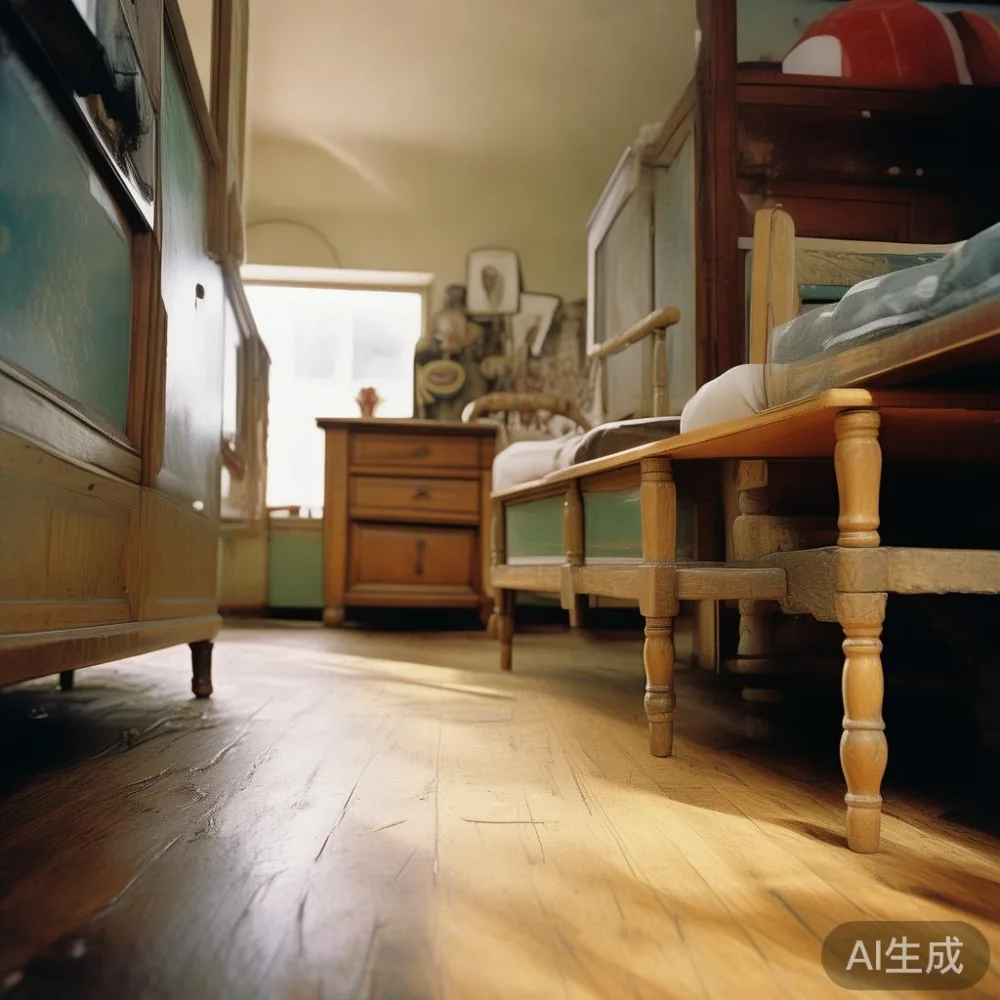
Before we discuss care, it's important to understand what lacquer is and why it's used. Lacquer is a clear, hard, durable coating applied to wood surfaces. It forms a protective barrier that shields the wood from moisture, scratches, and UV rays. This finish is what gives furniture its signature high-gloss or satin sheen, enhancing the natural grain and colour of the wood. In a tropical climate like Singapore, this protective layer is your furniture's first line of defence against the elements. However, lacquer is not invincible. Prolonged exposure to high humidity can cause the wood beneath it to swell, potentially leading to cracks or a noticeable color mismatch between exposed and protected areas. Similarly, direct sunlight can cause the lacquer to fade or yellow over time, altering the original colour of the piece. Understanding these vulnerabilities allows us to create a care routine that mitigates them effectively.
How Singapore's Climate Specifically Affects Your Furniture
The climate in Singapore is characterised by two main factors: high relative humidity and strong, direct sunlight. Relative humidity often hovers between 70% and 90%, especially during the monsoon seasons from November to January and May to July. This constant moisture in the air is absorbed by the porous cells of solid wood. When the humidity spikes, the wood absorbs moisture and expands. When the humidity drops, the wood releases moisture and contracts. This cyclical process, while natural, puts stress on the rigid lacquer finish. If the expansion and contraction are too severe, the lacquer can crack or peel, compromising its protective qualities. This is a primary cause of a color mismatch, as the damaged lacquer exposes the raw wood underneath, which will weather differently than the protected areas. Also, the UV radiation in Singapore's equatorial sun is intense. A sunbeam hitting a solid wood bed frame or a marble tabletop for a few hours a day can cause the lacquer to degrade, leading to fading and a loss of the original vibrant colour.
Preventative Care: The Daily and Weekly Routine
The most effective way to maintain your lacquered furniture is to adopt a simple, consistent preventative care routine. This approach focuses on minimising exposure to the damaging elements of our climate. For daily upkeep, use a soft, lint-free microfiber cloth to gently wipe down surfaces. This removes dust, which can act like an abrasive and dull the finish over time. For weekly cleaning, use a slightly damp cloth followed immediately by a dry one. The key is to use as little water as possible. Avoid soaking the cloth, as excess moisture can seep into the wood joints and cause swelling. My colleague recently moved into a new condo in Punggol and noticed a fine white haze forming on her French-inspired dressing table. After a quick consultation, we realised it was caused by wiping with a damp cloth that was too wet and not drying the surface immediately. A simple change to her routine resolved the issue. For furniture placed near windows, consider applying a high-quality UV-protective film to the glass. This can reduce UV exposure by up to 99% and is a worthwhile investment to prevent fading and protect the integrity of the lacquer finish.
What to Do When You Notice a Color Mismatch on Your Lacquered Surface
Despite your best efforts, you might one day notice a discolouration or a color mismatch on your beloved piece. This can be alarming, but it's often manageable. The first step is to identify the cause. Is it a small spot caused by a water ring, or a larger area that has faded unevenly due to sunlight? For minor issues like water rings, a gentle buffing with a soft, dry cloth might be enough. For more stubborn stains, a specialized furniture polish formulated for lacquered surfaces can be used. Apply a small amount to a microfiber cloth and work it into the affected area in a circular motion. Avoid using harsh chemical cleaners or abrasive scrubbing pads, as these will strip the lacquer and cause more damage. If the color mismatch is due to sun fading, the situation is more complex. The faded area will not regain its original colour. In this case, the best solution is often to consult a professional refinishing service. Many companies, including established makers like MIDHILL, offer lifetime refinishing services, which can restore the piece to its original glory. This is a proof of their confidence in their products and a valuable service for long-term ownership.
French Bed vs Italian Light Luxury Bed: Choosing the Right Finish for Singapore
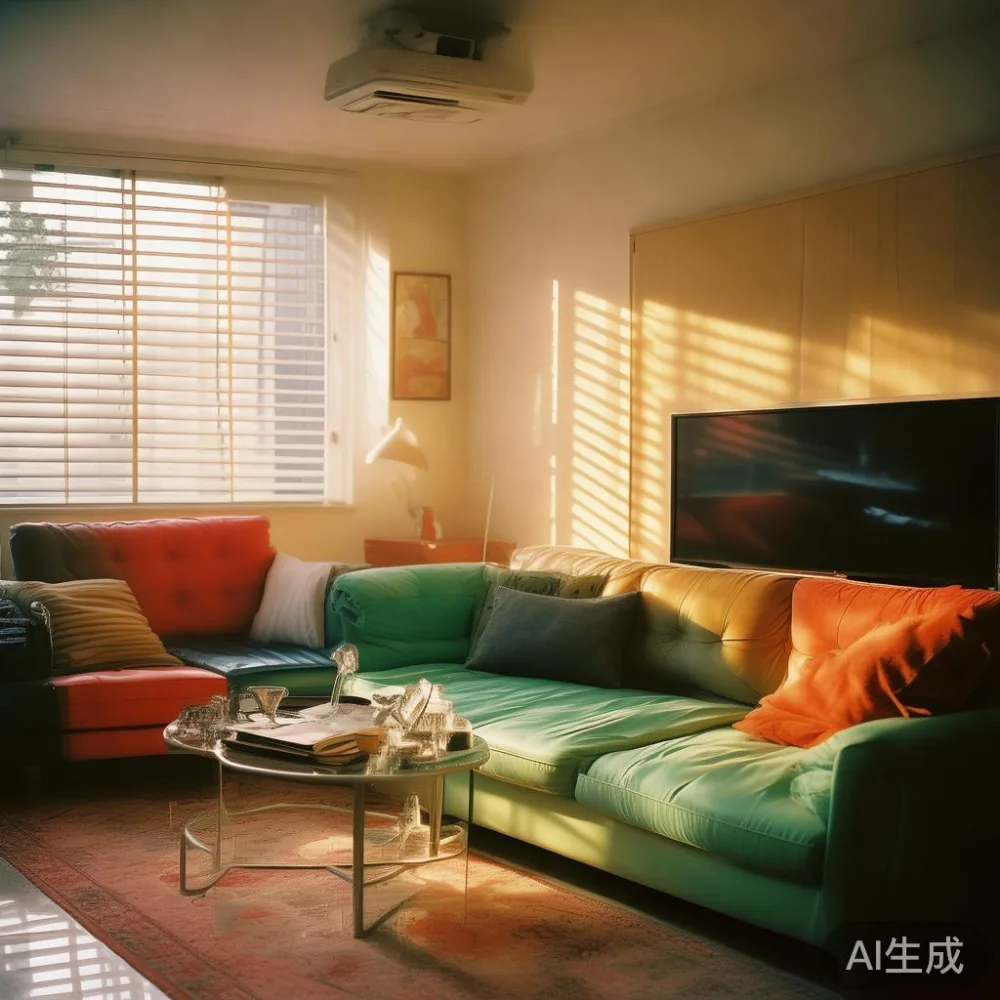
When selecting new furniture, the type of finish can be just as important as the style. For example, the choice between a French bed and an Italian light luxury bed can impact how well it withstands Singapore's climate. French-style furniture often features a thick, multi-layered lacquer finish that provides excellent protection and a deep, reflective sheen. This type of finish is highly durable but can be more susceptible to cracking if the wood underneath expands and contracts too rapidly. An Italian light luxury bed, on the other hand, might use a different type of varnish or oil-based finish that is more flexible. This flexibility allows it to better accommodate the natural movement of the wood, reducing the risk of cracks in our humid environment. The same principle applies to a solid wood sofa or a dining table. A high-quality, flexible lacquer finish is key. For those who are particular about aesthetics, the question of is Japandi wardrobe worth it often comes down to the finish. Japandi design favours natural, matte finishes, which can be more vulnerable to humidity stains than a high-gloss lacquer. Therefore, if you opt for a Japandi piece, ensure the wood is properly sealed with a moisture-resistant oil or wax.
How to Style American Wardrobe in Apartment with Limited Space
Caring for your furniture also extends to how you place and style it within your home. Singapore's HDB flats and condos, especially in areas like Tampines and Bedok, can have limited space. This often means furniture is placed in close proximity to walls or in corridors with limited airflow. Poor air circulation can trap humidity around your furniture, accelerating the wood's expansion cycle. When arranging your American wardrobe or any large piece of furniture, ensure there is at least a 5-10 cm gap between it and the wall. This allows air to circulate, helping to regulate the humidity level around the piece. For smaller items like a nightstand or a Mid-century modern dressing table, avoid placing them directly under an air-conditioning vent. The cold, dry air blowing onto the wood can cause it to contract too quickly, leading to potential cracking. Instead, position them where they receive indirect light and are not in a direct path of airflow. Styling your apartment thoughtfully not only enhances its aesthetic but also contributes to the longevity of your furniture.
Professional Care and When to Call the Experts
While regular DIY maintenance can handle most issues, there are times when it's best to call in the professionals. If you notice deep cracks in the lacquer, widespread bubbling, or a significant color mismatch that DIY methods cannot fix, it's time to seek expert help. Professional furniture restorers have the tools and expertise to strip and refinish a piece, restoring it to its original condition. This is particularly important for high-value items like a solid wood dining table or a custom wardrobe. A professional refinishing job can cost anywhere from SGD 500 to over SGD 2,000, depending on the size and complexity of the piece. While this may seem like a significant expense, it is far more cost-effective than replacing the entire item. Many reputable brands offer services like this as part of their package. For instance, a company with a 10-year structural warranty and a lifetime refinishing policy provides immense peace of mind, knowing that your investment is protected long after the purchase. This level of after-sales support is a key consideration when buying furniture in Singapore, where the humid climate poses a continuous challenge.
Is a Top 10 Scandinavian Furniture Piece the Right Choice for a Lacquered Finish?
Scandinavian design is renowned for its minimalist aesthetic, use of light woods, and functional forms. When you see a list of the top 10 Scandinavian furniture pieces, you'll often find they feature natural, untreated wood or very light, matte finishes. This aesthetic is beautiful but may not be the most practical choice for the Singapore climate. Untreated wood is highly susceptible to absorbing moisture, which can lead to warping, mould, and a dull, patchy appearance. If you are drawn to the Scandinavian look but need a more durable option, look for pieces that have been treated with a clear, protective lacquer or oil. This allows you to enjoy the light, clean lines while providing the necessary protection against humidity. The same logic applies when you are learning how to choose French wardrobe. French styles can range from ornate, heavily lacquered pieces to more rustic, country-style designs. For a Singapore home, a French wardrobe with a high-quality, moisture-resistant lacquer finish will hold its colour and shape better than one with a distressed, untreated finish. Making an informed choice based on both style and practicality ensures that your furniture remains a beautiful part of your home for decades.
What is the Lifespan of a Well-Cared-for Lacquered Wardrobe in Singapore?
The lifespan of your furniture is directly correlated to the care it receives. A solid wood wardrobe, for example, is a significant investment. With proper care, it can easily last 20 to 30 years or more. The lacquer finish itself, if maintained correctly, should not need to be refinished for at least 10-15 years. Factors like placement, sunlight exposure, and cleaning frequency all play a role. A wardrobe kept in a temperate, air-conditioned bedroom with no direct sunlight will fare much better than one in a non-air-conditioned room that gets morning sun. The delivery and installation process also matters. Reputable companies offer free shipping over SGD 350, ensuring your furniture arrives safely. They also provide clear instructions on assembly and placement. My last month I visited a client in a condo whose MIDHILL sofa had been delivered and assembled perfectly, which contributed to its long-term stability. The warranty is another critical factor. A 10-year structural warranty covers the frame, while a lifetime refinishing offer covers the surface. This combination ensures that both the underlying structure and the beautiful lacquer finish are protected against the unique challenges of a tropical climate.
Final Thoughts on Protecting Your Investment
Caring for lacquered furniture in a tropical climate is not about complicated rituals, but about consistent, mindful habits. It involves understanding your environment and how it interacts with your furniture. By placing your pieces strategically away from direct sunlight and poor airflow, you reduce their exposure to the most damaging elements. By adopting a gentle cleaning routine, you preserve the integrity of the lacquer finish. And by knowing when to call a professional, you address problems before they become irreversible. The goal is to prevent issues like a color mismatch or surface cracking from ever occurring. A beautiful solid wood dining table, a sturdy bed frame, or an elegant wardrobe are more than just functional items; they are investments in your home's comfort and style. In Singapore, where our weather can be unforgiving, a little extra care goes a long way in ensuring these investments continue to bring you joy for a lifetime. The peace of mind that comes from knowing your furniture is well-protected is an invaluable part of homeownersship.